BRUSSELS, Belgium (Parliament Politics Magazine) European defense spending remains one of the most closely watched issues in international security as governments across the continent continue expanding military budgets in response to evolving geopolitical challenges. New investments in military equipment, technology, personnel, and infrastructure are reshaping defense strategies throughout Europe while reinforcing commitments to collective security.
The increase in European defense spending comes amid growing concerns regarding regional stability, military preparedness, and the future of transatlantic security cooperation. Policymakers argue that stronger defense capabilities are necessary to address both current threats and emerging challenges.
“Defense investment is increasingly viewed as an essential component of national security and long-term stability,”
a European security analyst said.
Military Budgets Continue Rising Across Europe
The growth of European defense spending has become a defining trend in security policy discussions. Numerous governments have announced budget increases aimed at strengthening military readiness and improving operational capabilities.
Defense ministries are directing additional resources toward advanced weapons systems, air defense networks, intelligence capabilities, and cybersecurity initiatives. Several countries are also investing heavily in recruitment programs and personnel training.
Security experts note that increased spending reflects a broader recognition that modern military preparedness requires continuous investment and modernization.
The trend is expected to continue as governments seek to meet defense commitments and adapt to changing security conditions.
NATO Commitments Influence Spending Decisions
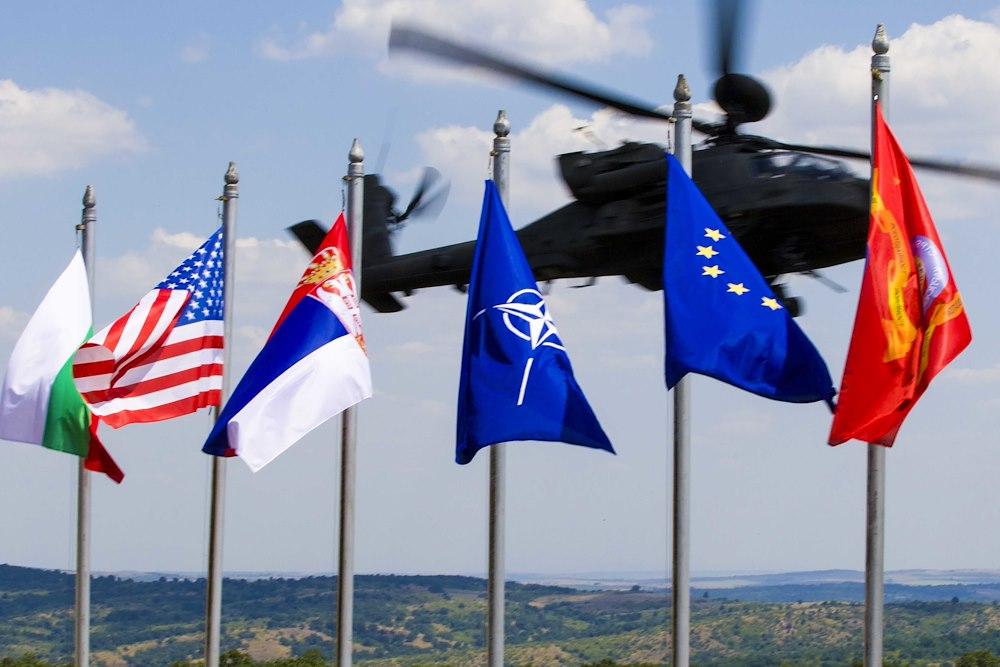
A major factor behind rising European defense spending is the emphasis placed on meeting NATO defense targets.
Alliance members have faced increasing pressure to allocate a larger percentage of national economic output toward defense. Many governments have responded by accelerating procurement programs and expanding military capabilities.
Officials argue that stronger national defense investments contribute directly to collective security by improving interoperability and readiness across the alliance.
The continued focus on NATO commitments remains a significant driver of policy decisions throughout Europe.
“Collective security depends on shared responsibility and sustained investment,”
a defense policy expert explained.
Modernization Programs Reshape Military Capabilities
The expansion of European defense spending is supporting some of the largest military modernization efforts in decades.
Governments are purchasing advanced aircraft, naval vessels, missile defense systems, and next-generation communication technologies. Investments in artificial intelligence, drone technology, and cyber defense have also increased significantly.
Military planners believe modernization is necessary to address future challenges while maintaining credible deterrence capabilities.
Many analysts view these investments as part of a long-term transformation of Europe’s defense posture.
Defense Industry Experiences Strong Growth
The increase in European defense spending is also generating significant activity within the defense manufacturing sector.
Defense contractors across Europe are receiving new orders for military equipment, technology systems, and infrastructure projects. The resulting investments are creating jobs while supporting industrial development.
Industry leaders say demand for defense products remains strong as governments prioritize military readiness and modernization.
Economic experts note that defense spending can have broader effects on innovation, research, and technological development beyond the military sector.
Security Challenges Continue to Shape Policy
Regional security concerns remain one of the primary reasons behind higher European defense spending.
Government officials continue monitoring geopolitical developments that could affect stability and defense planning. These concerns have encouraged policymakers to prioritize preparedness and resilience.
The evolving security environment has reinforced the belief that strong defense capabilities remain essential for protecting national interests and maintaining regional stability.
Many governments now view defense investment as a long-term necessity rather than a temporary response to current events.
Historical Development of European Defense Policy
The current rise in European defense spending reflects decades of evolving security priorities.
Following the end of the Cold War, many European nations reduced military expenditures as security threats appeared less immediate. Defense budgets remained relatively stable for several years while governments focused on economic development and domestic priorities.
However, changing geopolitical conditions gradually shifted policy discussions back toward military readiness and strategic preparedness. The renewed emphasis on defense investment has become increasingly visible throughout the 2020s.
The history of European security policy demonstrates how defense priorities often evolve in response to changing international circumstances.
“Defense planning has always adapted to the realities of the global security environment,”
a former NATO official noted.
Technology Becomes a Strategic Priority
Emerging technologies are playing a larger role in European defense spending decisions.
Governments are investing in cybersecurity, artificial intelligence, satellite systems, autonomous platforms, and advanced surveillance capabilities. These technologies are increasingly viewed as essential components of modern defense strategies.
Experts believe future military effectiveness will depend heavily on technological superiority and the ability to respond quickly to evolving threats.
As a result, innovation has become a central element of defense planning throughout Europe.
Future Outlook for European Security Investment
Analysts expect European defense spending to remain elevated throughout the coming years as governments continue pursuing modernization goals.
Future investments are likely to focus on advanced technologies, infrastructure resilience, cybersecurity protection, and joint defense initiatives among allied nations.
The long-term objective is to create more flexible, capable, and technologically advanced military forces capable of addressing a wide range of security challenges.
Many policymakers believe sustained investment will be necessary to preserve stability and strengthen deterrence capabilities in an increasingly complex world.
The Future of European Defense Spending and Regional Security
The continued rise in European defense spending reflects a significant transformation in how governments approach security and military preparedness. Increased investments in personnel, technology, infrastructure, and modernization programs are reshaping defense capabilities across the continent.
While debates regarding budget priorities and strategic objectives continue, there is broad agreement that security challenges require sustained attention and long-term planning. As Europe moves through 2026, defense investment is expected to remain a central component of national and regional security strategies.
European Defense Spending Continues to Reshape Security Priorities
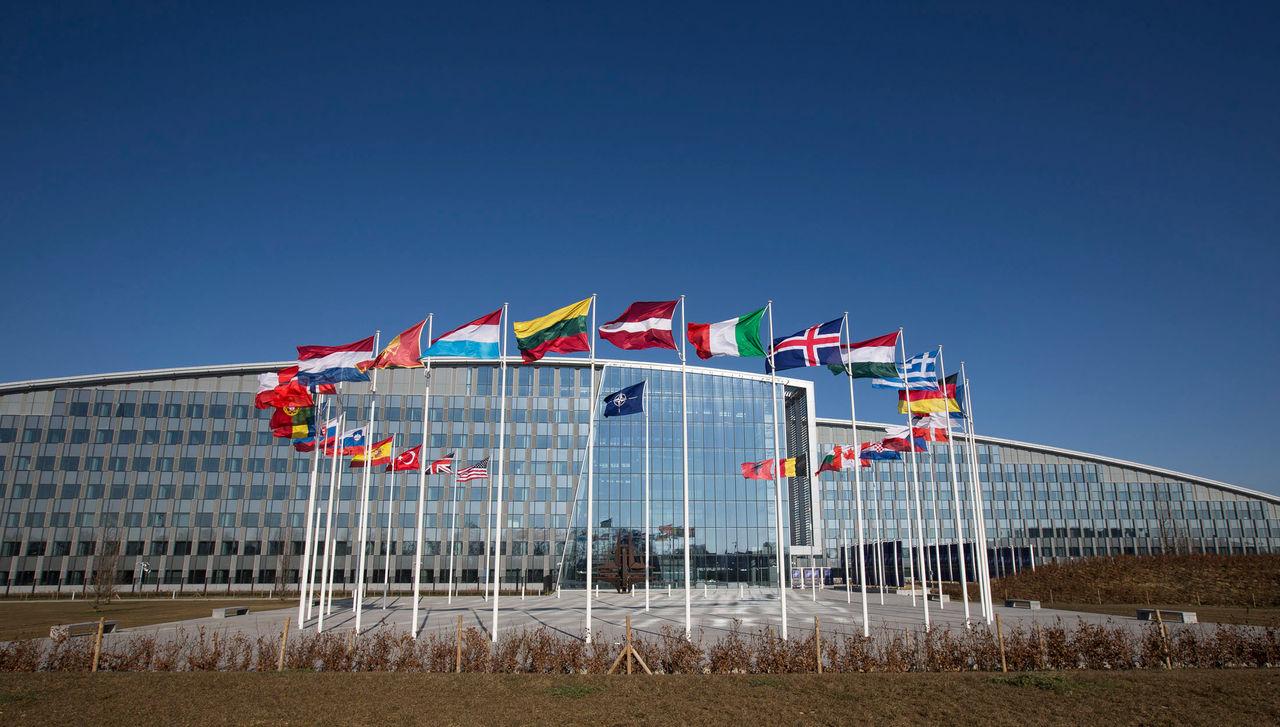
European defense spending is increasing as governments strengthen military capabilities, expand modernization programs, and respond to evolving security concerns. NATO commitments, technological innovation, and geopolitical developments continue driving investment decisions across the continent.
The trend highlights a broader shift toward enhanced preparedness and long-term strategic resilience. As defense budgets continue rising, Europe’s military landscape is expected to undergo significant transformation in the years ahead.