

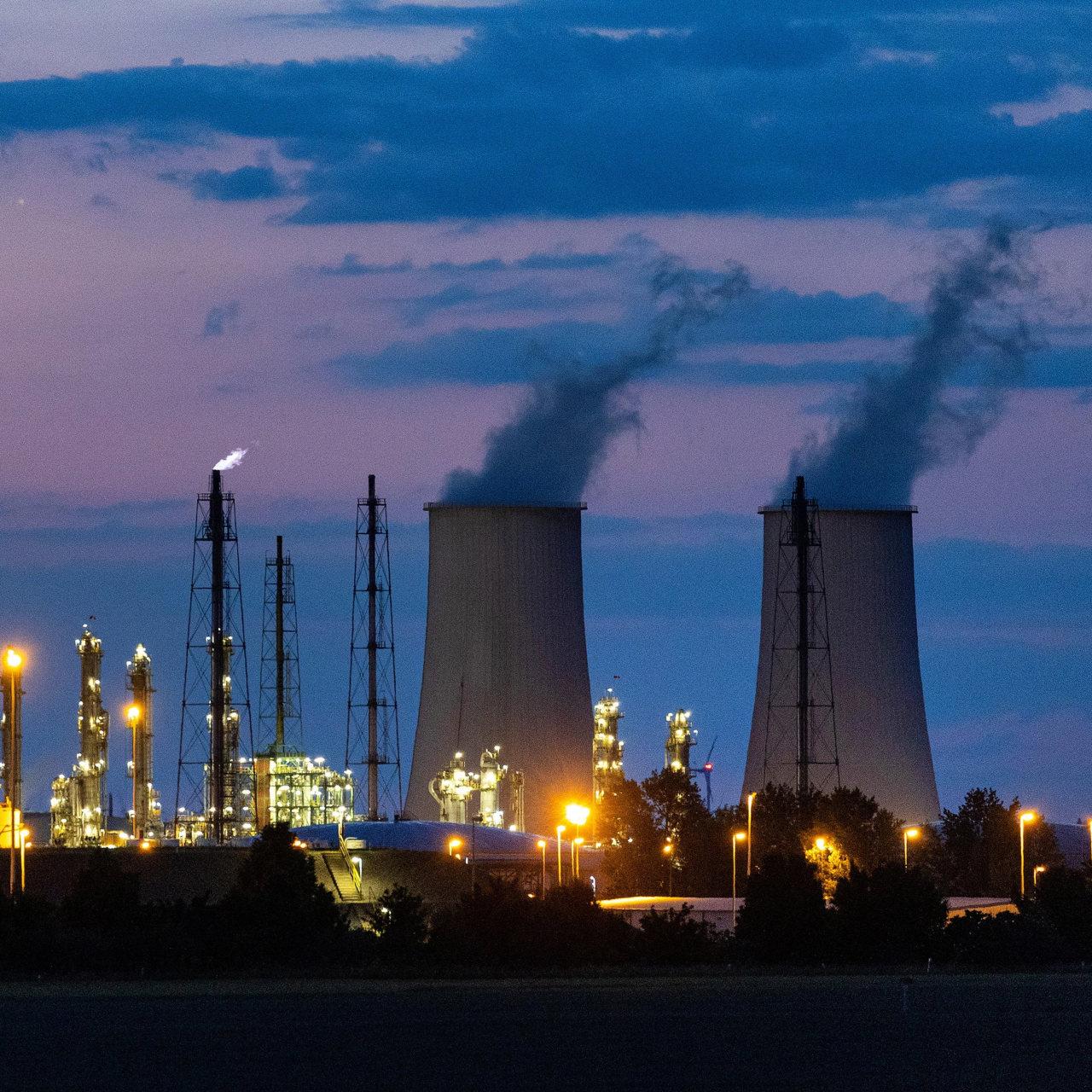
Europe’s energy sector is facing renewed pressure from supply concerns, industrial demand, and unstable electricity pricing in 2026.
Governments and manufacturers warn that long-term energy instability could weaken economic growth across the region.
Analysts say the European energy crisis may continue affecting factories, households, and investment markets throughout the year.
BRUSSELS, Belgium (Parliament Politics Magazine) The European energy crisis continues to dominate economic discussions across the continent as governments, manufacturers, and energy providers struggle to stabilize electricity prices and protect industrial output. Despite efforts to diversify energy supplies and accelerate renewable infrastructure projects, Europe remains under pressure from volatile markets, geopolitical uncertainty, and rising industrial demand.
The situation has become increasingly critical for heavy industries, transportation systems, and households already facing years of elevated utility costs. Economists warn that long-term instability could slow manufacturing growth, reduce investment confidence, and weaken Europe’s competitive position in global markets.
The latest concerns emerged after several industry leaders warned that Europe’s industrial base may require stronger energy protections and long-term supply agreements to remain sustainable.
“Europe’s economy depends on affordable and predictable energy,”
one market strategist said.
“Without stability, industrial competitiveness becomes increasingly difficult to maintain.”
Energy Prices Continue to Pressure European Industries
The ongoing European energy crisis has become one of the largest economic challenges facing the region in 2026. Energy-intensive sectors including aluminum, steel, chemicals, transportation, and manufacturing continue struggling with elevated electricity and gas costs compared to global competitors.
Industrial groups say unstable pricing makes long-term investment planning difficult. Many companies have delayed expansion projects or reduced production capacity because of concerns about future energy expenses.
Several European factories have already scaled back operations over the past two years as energy costs disrupted profitability. Analysts warn additional production cuts could impact supply chains tied to automotive manufacturing, construction materials, renewable infrastructure, and defense systems.
Although wholesale gas prices have declined from emergency highs reached during earlier market disruptions, electricity costs remain significantly above historical averages in many European countries.
Governments Seek Long-Term Energy Solutions
European governments have introduced multiple programs designed to reduce dependence on imported fuels while strengthening energy security. Renewable power expansion, liquefied natural gas infrastructure, nuclear investments, and energy efficiency initiatives remain central parts of long-term recovery plans.
However, policymakers face growing pressure from businesses demanding immediate relief measures.
The European energy crisis has also triggered debates about market reforms, industrial subsidies, and long-term pricing agreements. Some countries are considering additional support mechanisms for manufacturers most exposed to electricity market volatility.
Energy ministers across the European Union continue discussing coordinated approaches capable of balancing climate goals with industrial competitiveness.
Renewable Energy Expansion Accelerates Across Europe
One major response to the ongoing energy instability has been rapid investment in renewable energy infrastructure. Solar farms, offshore wind projects, battery storage systems, and hydrogen initiatives are expanding across Europe as governments attempt to reduce fossil fuel dependence.
Supporters argue that renewable expansion could eventually lower long-term energy costs while improving supply security.
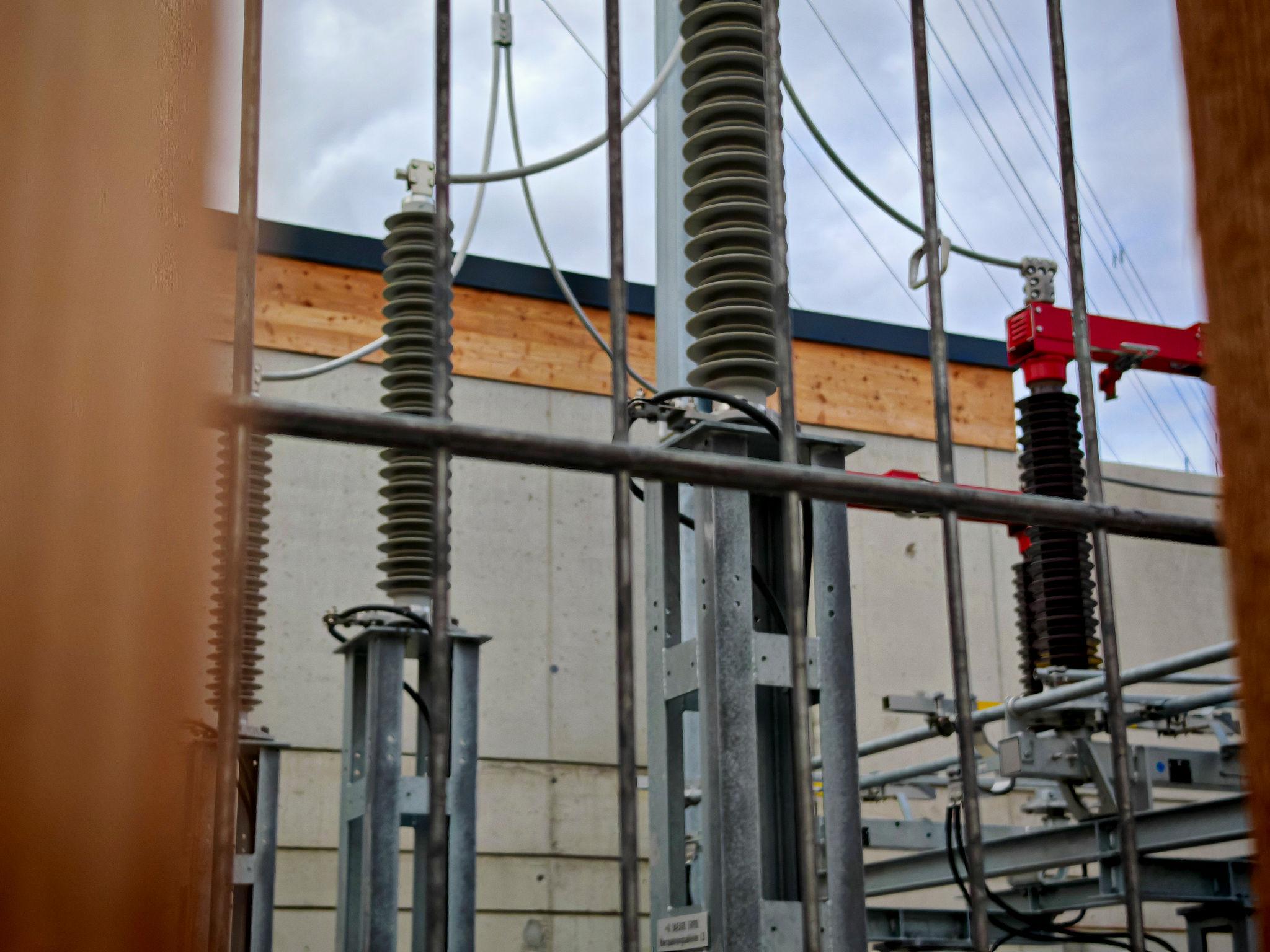
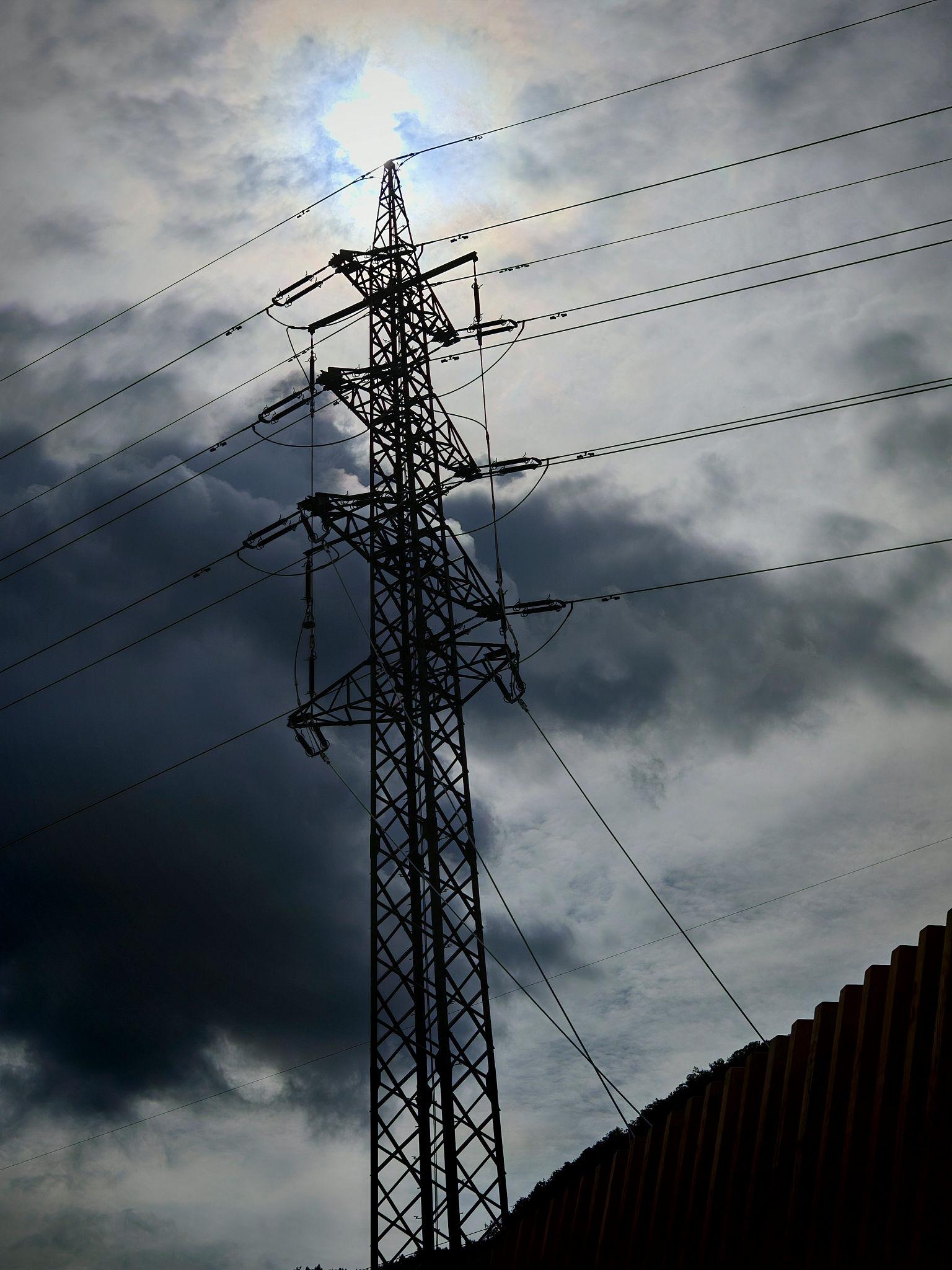
However, industry experts caution that renewable infrastructure alone may not solve immediate pricing concerns. Large-scale energy storage systems, upgraded transmission networks, and backup generation capacity remain necessary to stabilize electricity grids during periods of fluctuating demand.
The transition also requires substantial investment, creating additional financial pressure for governments already managing inflation and slower economic growth.
“The transition to cleaner energy is necessary, but the process must remain economically sustainable,”
an energy consultant said.
Manufacturers Warn About Global Competition
The European energy crisis has intensified concerns about industrial competitiveness compared to producers operating in regions with lower energy costs.
Manufacturers in Asia, the Middle East, and North America often benefit from cheaper electricity, lower regulatory costs, or stronger access to domestic natural resources. European industrial leaders fear prolonged cost imbalances could encourage production relocation outside the region.
Metal smelters, chemical plants, fertilizer producers, and advanced manufacturing facilities remain particularly vulnerable because energy expenses represent a significant portion of operational costs.
Business groups warn that losing industrial production could weaken employment markets and increase Europe’s dependence on imported goods.
Households Continue Facing Cost-of-Living Pressure
The impact of the European energy crisis extends beyond industrial markets and continues affecting millions of households across the continent.
Many families are still dealing with elevated heating and electricity bills despite government assistance programs introduced during earlier stages of the energy shock. Consumer groups say rising utility costs have contributed to broader inflation pressures impacting food, transportation, and housing expenses.
Several governments have extended temporary subsidies or capped electricity prices for residential consumers. However, economists warn that long-term public spending programs may become increasingly difficult to sustain if energy instability continues.
The situation has fueled political debates in several European countries regarding energy policy, economic management, and environmental regulations.
Europe Energy Market 2026
| Sector Indicator | 2026 Status |
|---|---|
| Industrial Electricity Costs | Elevated |
| Renewable Energy Expansion | Accelerating |
| Household Energy Pressure | Ongoing |
| Manufacturing Outlook | Uncertain |
| Key Risk Factor | Supply Volatility |
| Government Response | Subsidies and Market Reform |
Historical Cycles of Europe’s Energy Challenges
The current European energy crisis is not the first major energy disruption to affect the continent. Europe has experienced multiple periods of energy instability over the past several decades tied to geopolitical tensions, fuel supply disruptions, and economic transitions.
Historical Cycles Table
| Period | Major Energy Event | Economic Impact |
|---|---|---|
| 1970s | Global Oil Shock | Inflation and industrial slowdown |
| 1990s | Natural Gas Expansion | Increased energy market integration |
| 2008 | Commodity Price Surge | Manufacturing pressure |
| 2022 | Supply Chain and Gas Crisis | Record electricity prices |
| 2026 | Renewable Transition Challenges | Industrial uncertainty |
Energy historians note that each crisis reshaped Europe’s industrial strategy and accelerated investment into alternative energy systems. Today’s environment differs because Europe is simultaneously pursuing aggressive climate goals while attempting to preserve industrial competitiveness.
Investors Closely Monitor Energy Markets
Global financial markets continue monitoring developments tied to the European energy crisis because of its potential impact on economic growth and industrial production.
Energy-intensive sectors remain highly sensitive to pricing changes, while investors continue tracking infrastructure investments tied to renewables, battery technology, and grid modernization.
Commodity traders say prolonged energy instability could influence metals markets, transportation costs, manufacturing output, and inflation expectations worldwide.
At the same time, renewable energy companies and infrastructure providers are seeing increased investor interest as governments accelerate energy diversification strategies.
“Energy security has become one of the defining economic themes of this decade,”
a commodities analyst said.
Climate Goals Add Pressure to Policy Decisions
Europe’s ambitious environmental goals remain closely connected to the broader energy debate. Policymakers continue balancing carbon reduction targets with concerns about industrial sustainability and consumer affordability.
Supporters of stricter climate policies argue that accelerating renewable investments will eventually reduce long-term risks associated with fossil fuel dependence. Critics warn that rapid transitions without adequate infrastructure may increase economic pressure during the adjustment period.
The European energy crisis has therefore become both an economic issue and a political challenge shaping future policy decisions across the continent.
Governments must now manage rising demand for cleaner energy while protecting jobs, stabilizing electricity markets, and maintaining public confidence.
Industrial Recovery Depends on Long-Term Stability
Many economists believe Europe’s economic recovery will depend heavily on restoring confidence in energy markets. Stable electricity pricing and reliable supply systems are viewed as critical foundations for future manufacturing investment.
Several industrial leaders have called for expanded nuclear capacity, faster renewable permitting processes, and stronger energy partnerships capable of protecting Europe from future market disruptions.
Analysts say the coming years may determine whether Europe can maintain its industrial strength while successfully transitioning toward cleaner energy systems.
Europe Faces a Defining Energy Challenge
The European energy crisis remains one of the most significant economic and political issues facing Europe in 2026. Rising electricity costs, industrial uncertainty, and ongoing supply concerns continue shaping debates over economic competitiveness and energy policy.
While renewable investments and infrastructure upgrades offer potential long-term solutions, businesses and households remain under pressure from elevated costs and uncertain market conditions.
Europe’s ability to balance climate ambitions, industrial stability, and energy security may ultimately define the region’s economic future for decades to come.