


European officials are advancing plans for an EU strategic stockpile focused on critical raw materials in 2026.
Rare earths and tungsten are among the first materials targeted to strengthen industrial resilience.
Analysts say the move could reduce supply chain risks and improve Europe’s economic security.
BRUSSELS, Belgium (Parliament Politics Magazine) The EU strategic stockpile initiative is gaining momentum as European policymakers move to secure long-term access to critical minerals including tungsten and rare earth elements. The plan represents one of Europe’s largest industrial security efforts in recent years as officials attempt to reduce supply chain vulnerabilities tied to global geopolitical risks and concentrated resource markets.
European leaders say the proposed stockpile system will help protect key industries from future disruptions involving trade restrictions, export controls, or shortages affecting strategic raw materials.
The proposal arrives at a time when demand for critical minerals is rapidly increasing due to growth in renewable energy, electric vehicle production, semiconductor manufacturing, artificial intelligence infrastructure, and defense modernization programs.
“Strategic resources are becoming central to economic security,”
one commodities analyst said.
“Governments are now treating critical minerals the same way they once treated energy reserves.”
Europe Expands Its Industrial Security Strategy
The new EU strategic stockpile plan highlights growing concerns across Europe regarding industrial resilience and dependence on external suppliers for essential materials.
Rare earth elements and tungsten are considered strategically important because they support advanced manufacturing, aerospace systems, electronics, renewable energy equipment, military technologies, and battery production.
European officials believe maintaining emergency reserves could help stabilize industrial production during periods of geopolitical instability or market disruption.
The stockpile initiative also reflects broader efforts by the European Union to strengthen economic independence while supporting long-term manufacturing competitiveness.
Several member states have already expressed support for coordinated European-level resource protection strategies.
Why Rare Earths and Tungsten Matter
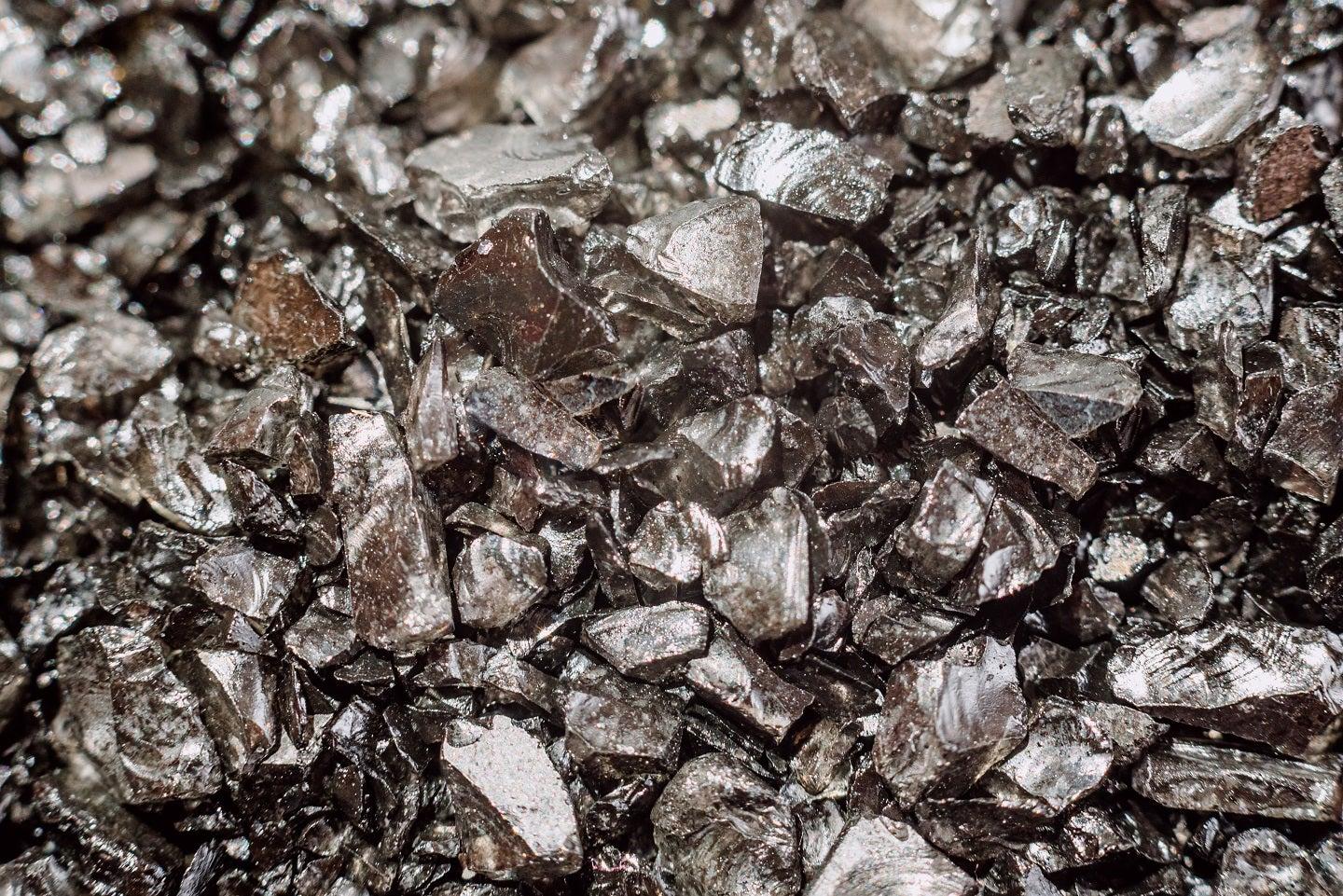
The EU strategic stockpile proposal places strong emphasis on rare earth materials and tungsten because of their importance across multiple industrial sectors.
Rare earth elements are essential components used in electric vehicle motors, wind turbines, advanced electronics, batteries, and communication technologies. Tungsten is widely used in aviation systems, industrial cutting tools, military hardware, semiconductors, and heavy machinery because of its strength and heat resistance.
Global demand for these resources continues rising rapidly as countries invest heavily in clean energy systems and advanced technologies.
Analysts warn that concentrated global supply chains create risks for economies heavily dependent on imported materials.
Europe’s manufacturing sector remains particularly sensitive to disruptions involving strategic minerals because many industries rely on stable access to specialized components and industrial inputs.
Supply Chain Risks Push Europe Toward Action
The EU strategic stockpile initiative follows years of growing concern surrounding supply chain vulnerabilities exposed by geopolitical tensions, trade disputes, and industrial shortages.
European policymakers increasingly view resource security as directly connected to economic stability and national security.
Several industries experienced disruptions during previous supply chain crises, leading governments to reconsider long-term sourcing strategies for critical materials.
Officials now believe strategic reserves may provide an additional layer of protection against sudden market disruptions or export restrictions.
The initiative also aligns with similar efforts being pursued by the United States, Japan, South Korea, and other industrial economies focused on strengthening supply resilience.
“The global competition for strategic minerals is intensifying faster than many governments expected,”
an industrial trade consultant said.
Renewable Energy Transition Increases Demand
The transition toward renewable energy remains one of the primary drivers behind the expanding EU strategic stockpile effort.
Electric vehicles, battery systems, solar infrastructure, offshore wind farms, and smart energy grids all require large quantities of specialized minerals and advanced industrial materials.
European climate policies therefore depend heavily on reliable access to critical resources.
Industry experts warn that shortages involving rare earths or strategic metals could slow clean energy deployment and increase production costs for renewable infrastructure projects.
The stockpile proposal is designed to reduce such risks while supporting Europe’s long-term climate and industrial goals.
EU Critical Minerals Strategy 2026
| Sector Indicator | 2026 Status |
|---|---|
| Strategic Materials Targeted | Rare Earths and Tungsten |
| Main Objective | Industrial Security |
| Key Industries Affected | EVs, Defense, Electronics |
| Major Concern | Supply Chain Disruption |
| EU Response | Strategic Reserves |
| Long-Term Focus | Resource Independence |
Historical Cycles of Strategic Resource Competition
The development of the EU strategic stockpile reflects a long history of nations protecting access to strategic commodities during periods of economic and geopolitical uncertainty.
Historical Cycles Table
| Period | Strategic Resource Focus | Global Impact |
|---|---|---|
| 1970s | Oil Reserves | Energy security reforms |
| 1990s | Semiconductor Expansion | Technology globalization |
| 2000s | Rare Earth Dominance | Supply chain concentration |
| 2020s | Battery Mineral Competition | Industrial security concerns |
| 2026 | EU Strategic Stockpile | Resource resilience planning |
Historians note that strategic reserves have often emerged during periods of major industrial transformation. Europe’s latest initiative reflects concerns that critical minerals may become one of the defining economic battlegrounds of the modern technological era.
European Manufacturers Support the Initiative
Industrial groups across Europe have largely welcomed the EU strategic stockpile proposal because of growing concerns over future supply reliability.
Manufacturers in automotive, aerospace, defense, renewable energy, and electronics sectors continue facing increasing competition for access to strategic materials.
Several companies have already begun exploring alternative sourcing partnerships and recycling technologies to reduce exposure to global supply chain volatility.
Industry leaders argue that maintaining strategic reserves could help improve long-term investment confidence while reducing operational risks tied to international disruptions.
Analysts believe the policy may also encourage additional investment into European refining and recycling infrastructure.
Global Competition for Minerals Continues to Intensify
The global race for access to critical resources has accelerated sharply over the past decade.
Governments worldwide are increasingly treating strategic minerals as national security assets connected directly to industrial competitiveness and technological leadership.
The EU strategic stockpile initiative arrives as demand for rare earths, lithium, cobalt, nickel, and tungsten continues rising across global markets.
Commodity analysts expect continued investment growth in mining, refining, recycling, and advanced materials processing over the coming years.
Several countries are also negotiating long-term resource partnerships to secure stable supplies for future industrial needs.
“Control over strategic minerals will shape the next phase of global economic competition,”
a European policy expert said.
Environmental Concerns Remain Part of the Debate
Although Europe wants stronger resource security, environmental concerns continue influencing mining and industrial policy discussions.
Expanding domestic mining projects often faces opposition tied to land use, environmental protection, and sustainability concerns.
Supporters of the EU strategic stockpile argue that Europe must carefully balance industrial security with environmental standards.
Critics warn that rapid expansion of mining activities could create additional political and regulatory challenges.
European officials are therefore exploring multiple solutions including recycling programs, cleaner extraction technologies, and diversified international supply agreements.
Strategic Reserves Could Reshape European Industry
Economists believe the EU strategic stockpile may eventually reshape industrial planning and investment strategies across Europe.
Companies may place greater emphasis on long-term supply security when selecting manufacturing locations and infrastructure investments.
The initiative could also strengthen Europe’s position in sectors tied to advanced technologies, renewable energy systems, artificial intelligence infrastructure, and defense manufacturing.
Several analysts believe resource security will become an increasingly important factor shaping industrial policy throughout the next decade.
Europe Strengthens Resource Security Strategy
The EU strategic stockpile initiative represents a major shift in Europe’s approach to industrial and economic security in 2026.
As global competition for critical minerals intensifies, European leaders are attempting to reduce supply vulnerabilities while protecting advanced manufacturing industries and renewable energy expansion goals.
Rare earths and tungsten have become central components of Europe’s long-term economic strategy as governments seek greater control over strategic industrial resources.
The success of the initiative may ultimately determine how effectively Europe can compete in future technology-driven global markets.