

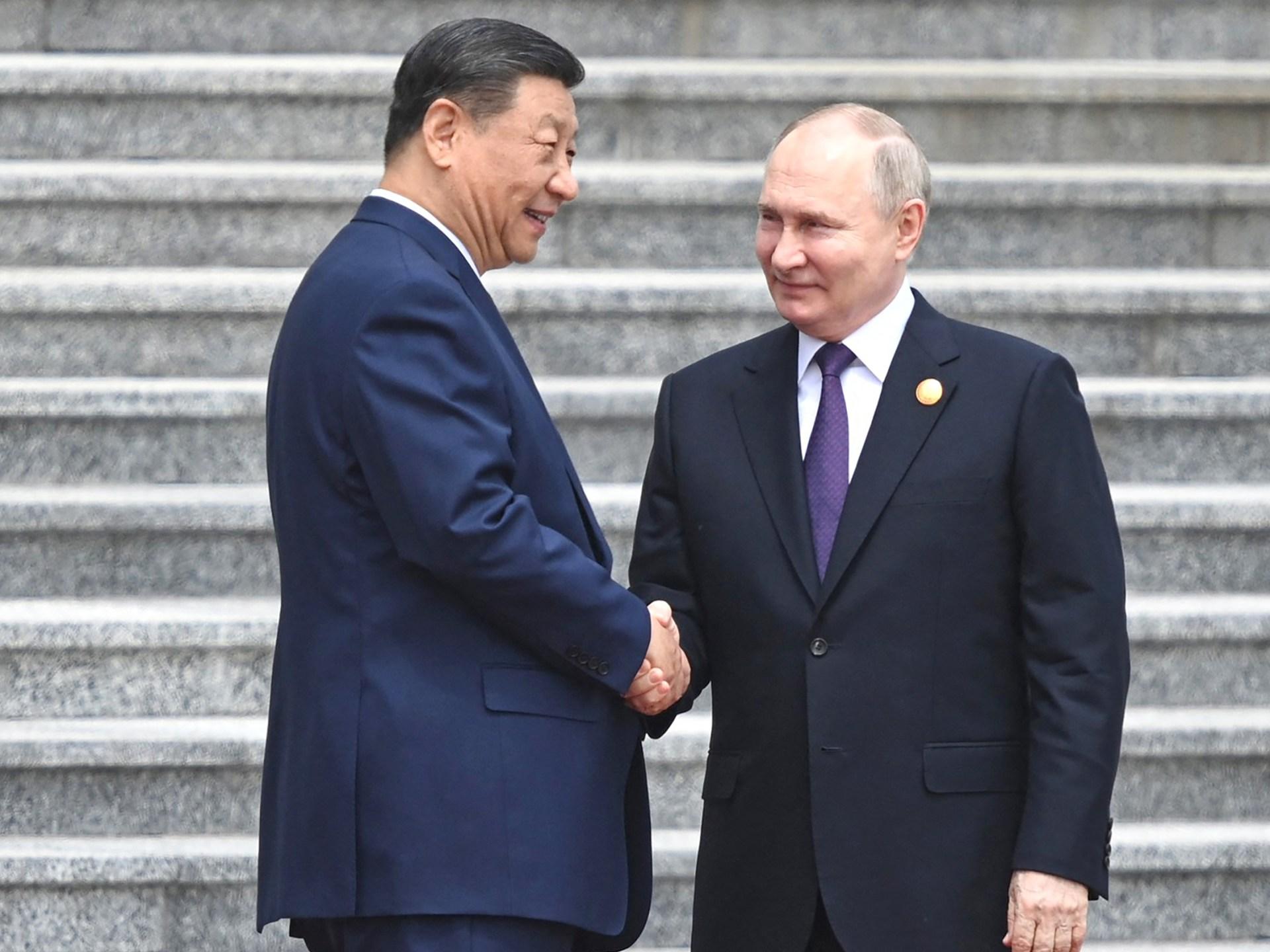
The Russia China alliance gained renewed attention during major diplomatic meetings held in Beijing in 2026.
Leaders from both nations emphasized cooperation on trade, security, and global political stability.
Analysts say the expanding partnership could reshape geopolitical and economic dynamics worldwide.
BEIJING, China (Parliament Politics Magazine) The Russia China alliance moved back into the global spotlight during high-level diplomatic meetings in Beijing as Russian President Vladimir Putin and Chinese leaders discussed international stability, trade expansion, security cooperation, and the future structure of global politics.
The summit reflected growing strategic coordination between Moscow and Beijing at a time when geopolitical competition, economic uncertainty, military tensions, and sanctions-related disputes continue reshaping international relations.
Officials from both nations emphasized cooperation, sovereignty, and multipolar diplomacy while criticizing policies they believe contribute to confrontation and instability across global affairs.
The meetings attracted worldwide attention from governments, investors, economists, and defense analysts seeking insight into the future direction of the expanding partnership between the two powers.
“The balance of global influence is changing rapidly,”
one geopolitical strategist said.
“The Russia China alliance is becoming one of the defining relationships shaping international affairs in 2026.”
Beijing Summit Highlights Expanding Strategic Cooperation
The latest summit demonstrated how the Russia China alliance has evolved beyond traditional diplomatic coordination into a broader strategic partnership involving energy, technology, infrastructure, defense, finance, and international trade.
Russian and Chinese officials held discussions covering economic cooperation, regional stability, industrial development, and global governance challenges.
Both governments stressed the importance of maintaining stable international relations while opposing policies they argue encourage geopolitical fragmentation and economic pressure tactics.
Analysts say the partnership has strengthened significantly over recent years as both countries respond to shifting global alliances and economic competition.
The summit also highlighted growing coordination within international organizations and trade frameworks designed to increase cooperation outside traditional Western-led systems.
Economic Cooperation Continues Expanding
Economic ties remain one of the strongest pillars supporting the Russia China alliance.
Trade between the two countries has expanded steadily through energy exports, industrial partnerships, transportation projects, financial cooperation, and technology investments.
Russia continues supplying large volumes of oil, natural gas, agricultural products, and raw materials to China, while Chinese firms provide industrial equipment, manufacturing support, infrastructure investment, and consumer goods.
Several analysts believe both governments are increasingly focused on reducing dependence on Western financial systems and expanding bilateral trade settlements using local currencies.
The growing economic relationship is also reshaping supply chains and commodity markets throughout Asia and Europe.
Security and Defense Coordination Remain Key Priorities
The Russia China alliance has also become increasingly important in global security discussions.
Military exercises, defense consultations, regional security talks, and strategic coordination have expanded as both nations strengthen diplomatic communication regarding international conflicts and military developments.
Western governments continue monitoring the relationship closely because of concerns involving regional stability, cybersecurity, military modernization, and geopolitical influence.
Officials from Moscow and Beijing maintain that their cooperation is designed to preserve international stability and support a more balanced global system.
However, geopolitical analysts say the expanding partnership could continue influencing future defense strategies among NATO members and Indo-Pacific allies.
“Major powers are entering a new phase of strategic competition,”
a foreign policy expert said.

Russia-China Partnership 2026
| Sector Indicator | 2026 Status |
|---|---|
| Diplomatic Relations | Expanding |
| Trade Cooperation | Increasing |
| Energy Partnerships | Strong |
| Defense Coordination | Growing |
| Global Focus | Multipolar Stability |
| Strategic Objective | Long-Term Cooperation |
Historical Cycles of Global Power Alliances
The rise of the Russia China alliance reflects broader historical patterns where major nations formed partnerships during periods of geopolitical transition and economic realignment.
Historical Cycles Table
| Period | Global Alliance Trend | Historical Impact |
|---|---|---|
| Cold War Era | U.S. vs Soviet Bloc | Bipolar global structure |
| 1990s | Western Globalization Expansion | Economic integration growth |
| 2000s | China Economic Rise | Shift in global manufacturing |
| 2010s | Sanctions and Trade Conflicts | Strategic fragmentation |
| 2026 | Russia China Alliance Expansion | Multipolar world development |
Historians note that periods of major economic transition often encourage stronger partnerships between countries seeking greater strategic influence and economic security.
Energy Trade Drives Long-Term Partnership
Energy cooperation remains central to the Russia China alliance as both countries continue expanding long-term oil and natural gas agreements.
Russia remains one of China’s largest energy suppliers, helping support industrial growth and infrastructure development across the region.
Pipeline expansion projects, transportation corridors, and energy infrastructure investments continue strengthening bilateral economic ties.
Several analysts believe energy cooperation provides both countries with greater resilience against market volatility and geopolitical uncertainty.
The relationship also allows both nations to diversify export markets and strengthen long-term economic planning.
Technology and Infrastructure Cooperation Expands
Technology development and infrastructure investment have become increasingly important aspects of the Russia China alliance.
Both countries are investing heavily in artificial intelligence infrastructure, semiconductor development, telecommunications systems, transportation corridors, and industrial modernization projects.
Analysts believe these investments reflect broader efforts to strengthen economic independence and reduce vulnerabilities tied to external restrictions or sanctions.
The partnership is also expected to influence future competition involving advanced technologies and global industrial production.
Several multinational corporations continue monitoring developments closely because of potential impacts on global supply chains and technology markets.
Western Governments Monitor Geopolitical Shifts
Western leaders continue analyzing the growing Russia China alliance because of its potential impact on international diplomacy, trade policy, military strategy, and economic competition.
Several NATO members have expressed concerns regarding expanding military coordination and strategic alignment between Moscow and Beijing.
At the same time, some economists argue that increased cooperation between major economies could create new opportunities for global infrastructure investment and regional trade development.
The summit discussions therefore remain highly significant for policymakers, investors, and multinational corporations worldwide.
“International relations are entering a period of structural transformation,”
one geopolitical risk consultant said.
Multipolar Diplomacy Shapes Future Strategy
The concept of a multipolar international system remains a major theme within the Russia China alliance.
Both governments continue advocating for a global order where multiple major powers share influence rather than a system dominated by a single geopolitical bloc.
Supporters argue multipolar diplomacy may encourage greater balance in international decision-making and economic development.
Critics warn that increasing competition between major powers could intensify geopolitical fragmentation and economic uncertainty.
The debate highlights the broader transformation currently unfolding across global politics and international trade systems.
Global Markets React to Strategic Realignment
Financial markets continue monitoring developments tied to the Russia China alliance because of its influence on commodities, energy pricing, industrial supply chains, and geopolitical risk.
Commodity traders remain particularly focused on energy exports, infrastructure projects, and trade diversification efforts involving both nations.
Investors are also watching how the partnership may affect technology competition, transportation networks, and future sanctions policies.
Several economists believe strategic alliances will play an increasingly important role in shaping economic growth patterns throughout the next decade.
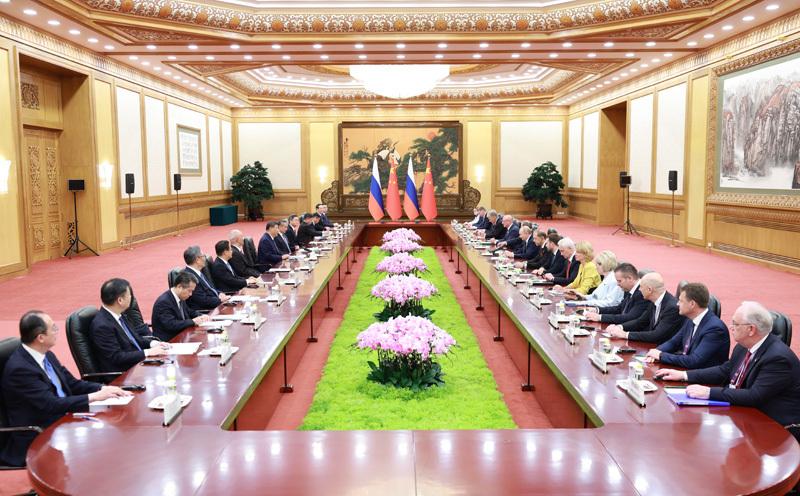
Beijing Summit Signals Long-Term Strategic Alignment
The Beijing summit highlighted the growing importance of the Russia China alliance in shaping global economic and geopolitical trends during 2026.
Expanding cooperation involving trade, energy, defense, infrastructure, and diplomacy reflects broader shifts occurring throughout international relations.
As geopolitical competition intensifies and economic alliances evolve, analysts believe the partnership between Moscow and Beijing could significantly influence future global power structures.
The long-term impact of the alliance may ultimately reshape international trade systems, strategic diplomacy, and global economic development for years to come.