

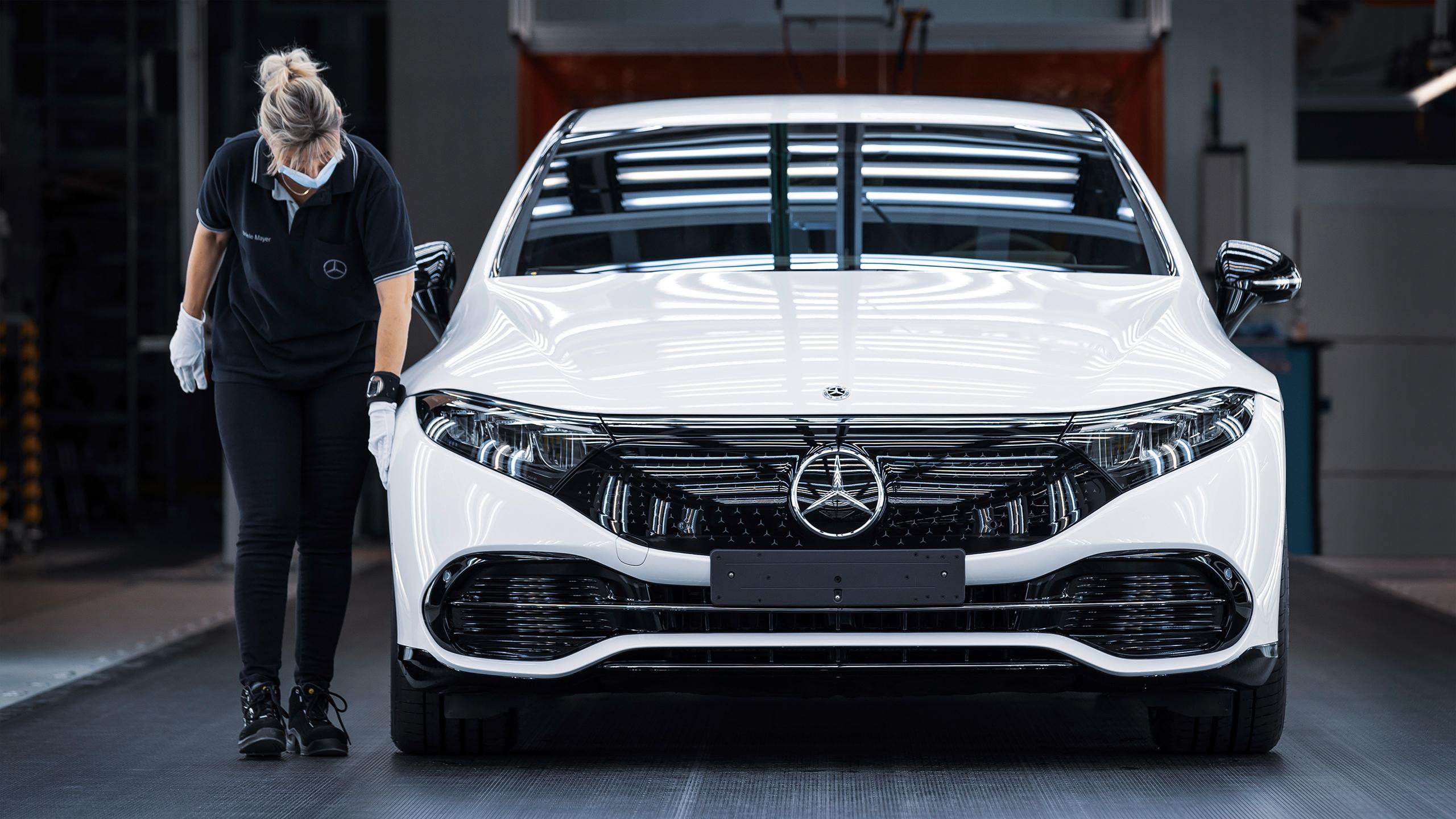
Seoul, South Korea / Stuttgart, Germany, April 20, 2026 (Parliament Politics Magazine) EV battery supply agreement developments are reshaping the global automotive landscape as Samsung SDI signs its first major deal with Mercedes-Benz. The partnership represents a strategic turning point in the race to secure advanced battery technology for next-generation electric vehicles.
This agreement highlights how automakers are rapidly restructuring supply chains to meet growing demand for electric mobility while ensuring long-term stability and performance.
Strategic Alliance Strengthens EV Transition
The EV battery supply agreement between Samsung SDI and Mercedes-Benz is expected to support the automaker’s expanding electric vehicle lineup. While detailed contract terms remain undisclosed, industry analysts believe the deal focuses on premium EV segments requiring high-performance battery systems.
Mercedes-Benz continues to accelerate its electrification strategy, targeting a future where electric models dominate its portfolio. By securing a new supplier, the company aims to reduce reliance on existing partners and build a more resilient supply chain.
A spokesperson familiar with the strategy stated:
“This EV battery supply agreement is a critical step toward securing long-term innovation and stability in electric vehicle production.”
Rising Demand Drives Battery Partnerships
The surge in global EV adoption has made battery sourcing one of the most competitive aspects of the automotive industry. The EV battery supply agreement comes as manufacturers face increasing pressure to lock in reliable suppliers.
Samsung SDI is recognized for its advanced lithium-ion battery technology, known for durability, energy density, and safety. These features align with Mercedes-Benz’s emphasis on luxury performance and reliability.
Experts emphasize the importance of such agreements:
“The EV battery supply agreement model is now essential—without it, automakers risk falling behind in a rapidly evolving market.”
Global Supply Chain Transformation Accelerates
The EV battery supply agreement reflects a broader transformation in how automakers manage supply chains. Instead of relying solely on third-party suppliers, companies are forming direct, strategic partnerships.
Key drivers behind this shift include:
- Increasing global EV demand
- Supply chain disruptions in recent years
- Government regulations promoting clean energy
- Intensifying competition among automakers
This agreement strengthens South Korea’s influence in the battery sector while reinforcing Europe’s push toward sustainable mobility.
Competitive Pressure Intensifies in Battery Sector
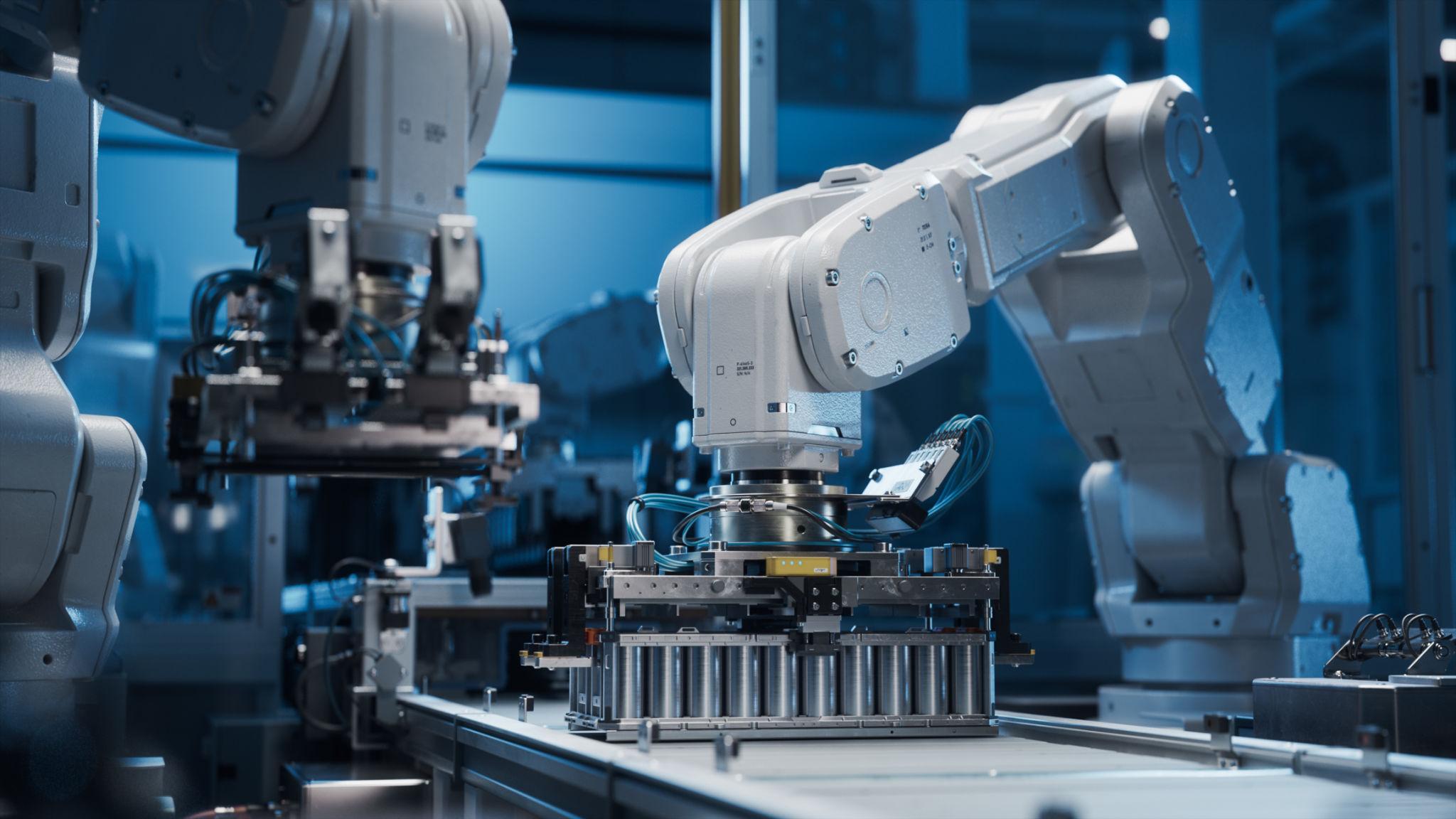
The EV battery supply agreement places Samsung SDI in direct competition with other leading battery manufacturers worldwide. As automakers diversify suppliers, competition is expected to intensify across pricing, innovation, and production capacity.
This deal may trigger:
- Increased global investment in battery technology
- Expansion of manufacturing facilities
- Faster development of next-generation batteries
- Strategic alliances across continents
For Samsung SDI, partnering with a global brand like Mercedes-Benz enhances its market position and visibility.
Mercedes-Benz Advances Electrification Goals
Mercedes-Benz has made electrification a cornerstone of its long-term strategy. The EV battery supply agreement supports several key objectives:
- Scaling electric vehicle production
- Expanding model offerings
- Enhancing battery efficiency and range
- Strengthening supply chain resilience
The company is also investing in infrastructure and research to remain competitive in the global EV race.
Innovation at the Core of the Agreement
Technological advancement is expected to be a major component of the EV battery supply agreement. Potential areas of collaboration include:
- Higher energy density batteries
- Faster charging technologies
- Improved safety standards
- Extended battery lifespan
These innovations are critical for improving EV performance and increasing consumer adoption worldwide.
Economic and Market Impacts
The EV battery supply agreement is likely to influence financial markets and investor sentiment. Agreements of this scale often signal long-term growth potential in the EV and clean energy sectors.
Key economic implications include:
- Strengthened investor confidence
- Expansion of global EV infrastructure
- Increased adoption of sustainable technologies
- Enhanced international collaboration
As governments push for carbon reduction, such agreements play a vital role in achieving environmental targets.
Challenges Facing the Partnership
Despite its strategic importance, the EV battery supply agreement faces potential risks:
- Volatility in raw material prices
- Geopolitical uncertainties
- Rapid technological advancements
- Competitive market pressures
Both companies will need to adapt quickly to maintain momentum and capitalize on opportunities.
Industry Reaction Signals Confidence
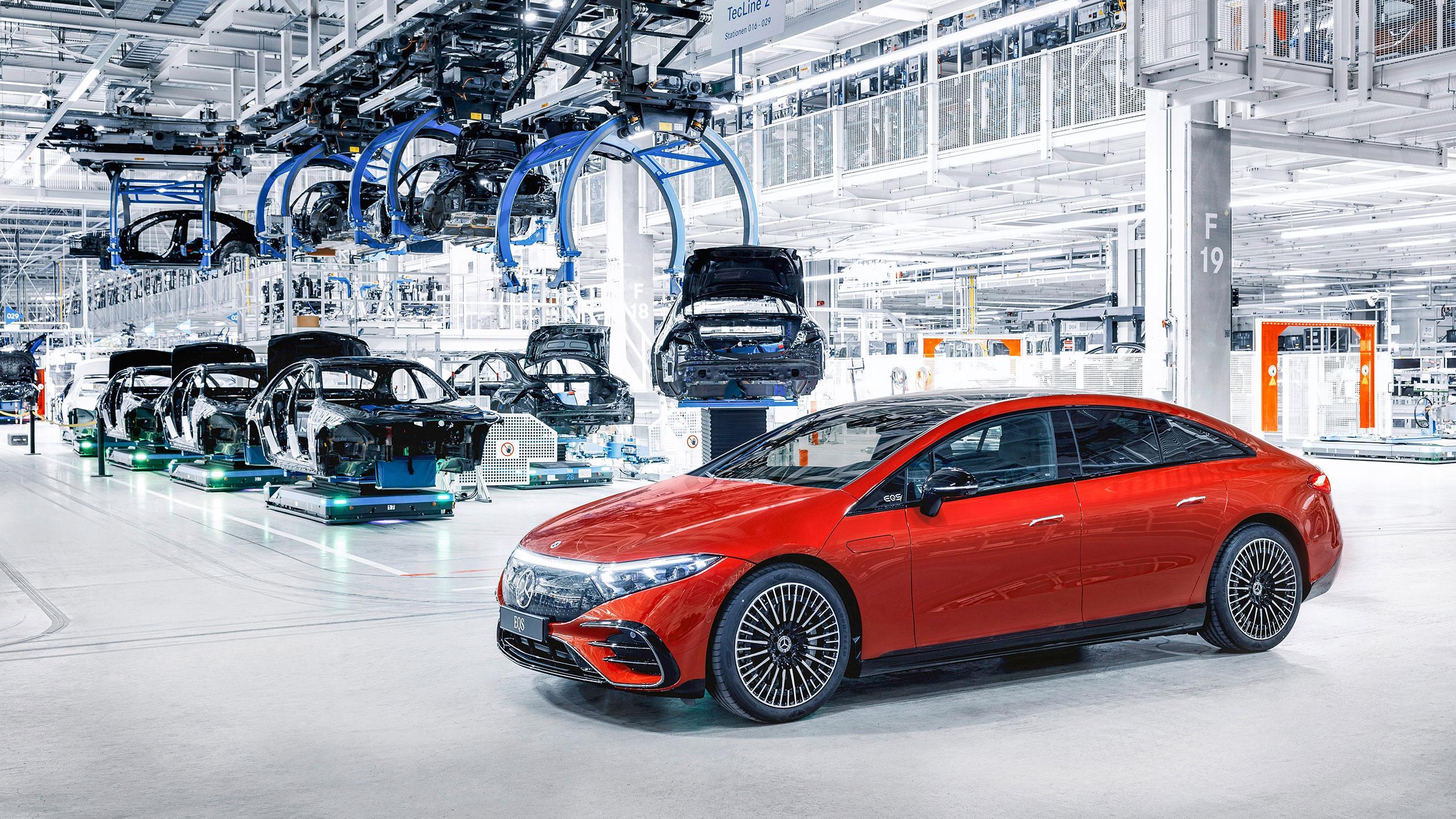
Market analysts have responded positively to the EV battery supply agreement, viewing it as a sign of strengthening industry fundamentals.
A senior analyst noted:
“This EV battery supply agreement demonstrates how critical battery partnerships have become in defining the future of transportation.”
The deal reinforces the idea that battery innovation and supply security are now central to automotive success.
A Powerful Turning Point for EV Industry
The EV battery supply agreement between Samsung SDI and Mercedes-Benz marks a defining moment in the global shift toward electric vehicles. By aligning technological expertise with automotive excellence, both companies are positioning themselves at the forefront of the EV revolution.
As competition intensifies and demand continues to grow, such partnerships will shape the future of mobility, innovation, and sustainability.