Italy, February 9, 2026 — According to Parliament News, that Ferrari has entered a defining moment in its history as it prepares to introduce its first fully electric production vehicle. The development places the Ferrari electric car at the center of one of the most closely watched transformations in the global automotive industry. For a brand long associated with combustion engines, sound, and mechanical emotion, the shift reflects a careful response to changing technology, regulation, and customer expectations.
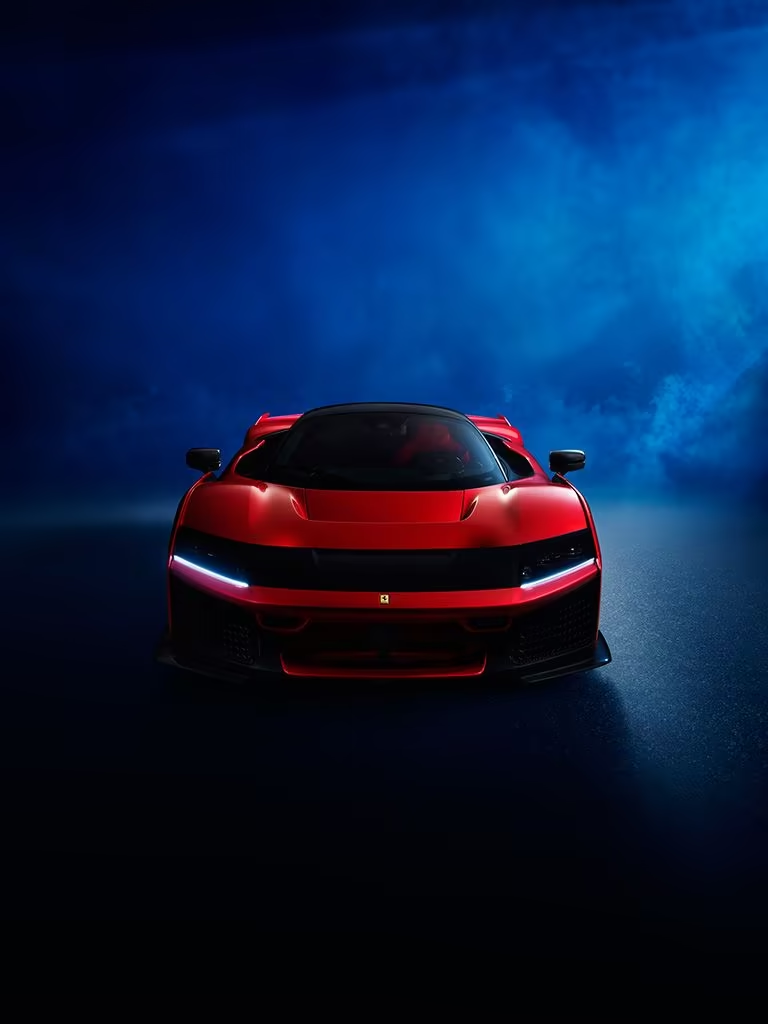
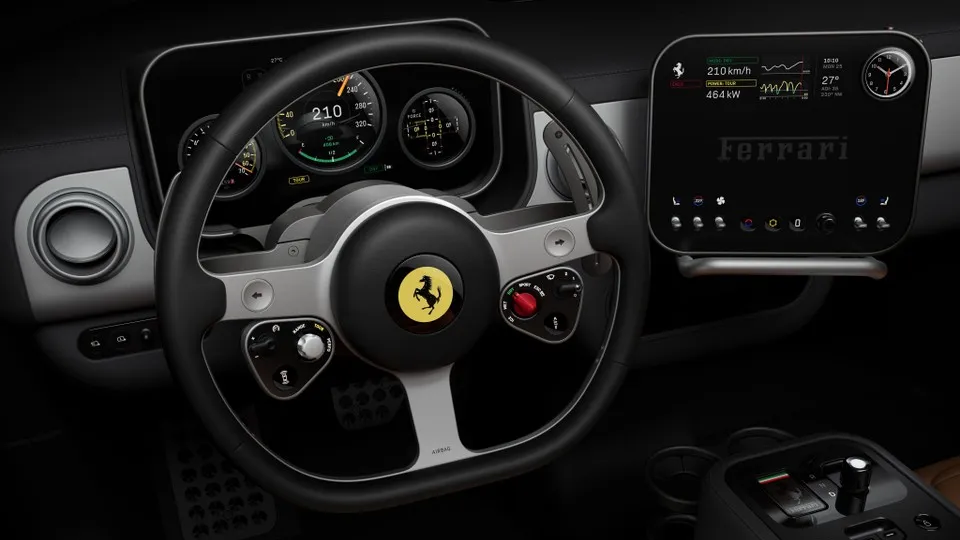
Teaser images released by Ferrari offer only subtle visual clues, yet their impact has been immediate. Industry observers see the move as both symbolic and strategic, representing a balance between heritage and innovation. While Ferrari has previously embraced hybrid technology, a fully electric model represents a fundamentally different step.
Ferrari’s Cautious Evolution Toward Electrification
Ferrari’s approach to electrification has been deliberate rather than reactive. Unlike mass-market manufacturers that moved quickly into battery-powered vehicles, Ferrari spent years refining hybrid systems that complemented its performance philosophy. This gradual evolution allowed engineers to develop expertise in energy recovery, battery management, and electric motor integration without abandoning traditional powertrains.
The emergence of the Ferrari electric car reflects this long-term preparation. Rather than replacing existing models, the electric vehicle is intended to expand Ferrari’s portfolio while preserving choice. Executives have repeatedly stated that electrification should enhance performance, not dilute it.
Design Signals Blend Tradition and Modernity
The teaser imagery released by Ferrari focuses on lighting elements, surface contours, and shadowed body panels. These selective reveals suggest a design philosophy that respects Ferrari’s iconic proportions while incorporating aerodynamic efficiency suited to electric platforms.
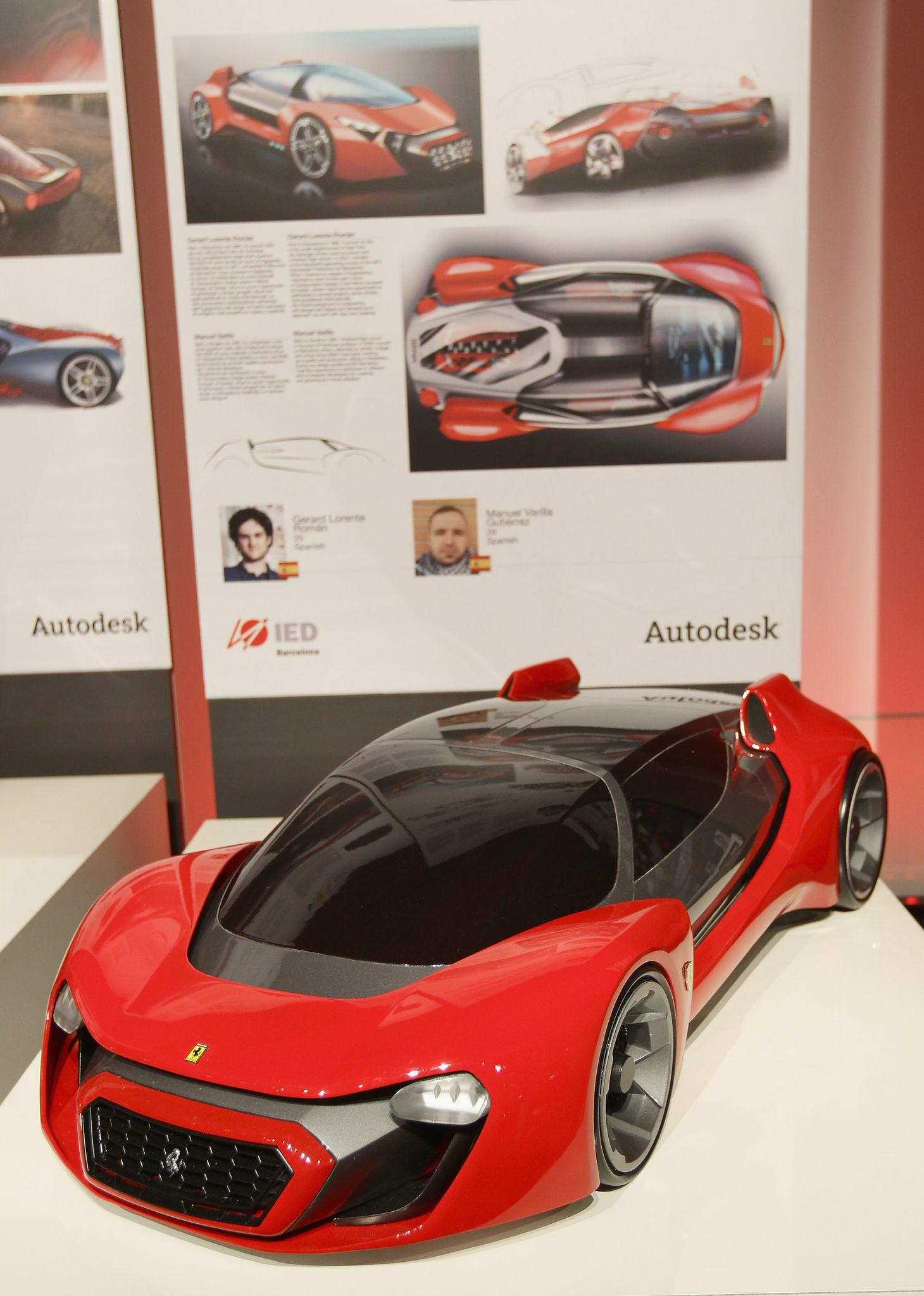
Design analysts believe the Ferrari electric car will maintain a low stance, muscular wheel arches, and aggressive lines, reinforcing continuity with Ferrari’s visual identity. The absence of visible exhaust elements is expected to be offset by new sculptural details that emphasize motion and speed.
Performance Expectations Remain Central
Performance remains non-negotiable for Ferrari, regardless of powertrain. While official specifications have not been disclosed, expectations for acceleration, handling, and track capability are extremely high. Electric propulsion offers advantages such as instant torque and precise power delivery, which Ferrari engineers are expected to exploit fully.
Ferrari’s extensive motorsport experience, particularly in hybrid Formula 1 systems, provides a foundation for the Ferrari electric car. Energy efficiency, thermal control, and software integration are likely to play central roles in delivering performance consistent with the brand’s legacy.
Why Ferrari’s Electric Entry Matters
Ferrari’s move into electric vehicles carries significance beyond the company itself. As one of the most prestigious performance brands in the world, Ferrari sets benchmarks that influence competitors and shape consumer perception.
The arrival of the Ferrari electric car sends a signal that electrification and emotional driving experiences are not mutually exclusive. Analysts say this could accelerate acceptance of electric performance cars among traditional enthusiasts who have remained skeptical.
Luxury Market Demand Continues to Shift
Luxury consumers are increasingly embracing electric vehicles, drawn by advanced technology, instant responsiveness, and sustainability considerations. High-end EVs are no longer viewed as compromises but as expressions of innovation and status.
Ferrari appears to be positioning the Ferrari electric car to meet this evolving demand while maintaining exclusivity. Limited production volumes and premium pricing are expected to ensure that the model remains aligned with Ferrari’s brand positioning.
Regulatory Pressures Shape Strategic Planning
Stricter emissions regulations across Europe and other key markets continue to influence automaker strategies. While Ferrari benefits from exemptions due to low production volumes, long-term compliance requires diversification.
The Ferrari electric car provides a pathway for Ferrari to address future regulatory requirements without abandoning internal combustion engines entirely. This balanced approach allows flexibility as global policies continue to evolve.
Competition Intensifies in Electric Performance Segment
The electric performance market has grown increasingly competitive, with several manufacturers introducing high-powered EVs aimed at affluent buyers. These vehicles emphasize acceleration, technology, and design, challenging traditional sports car norms.
Ferrari’s entry is expected to raise standards across the segment. Analysts suggest the Ferrari electric car will differentiate itself through craftsmanship, driving engagement, and brand heritage rather than headline range figures alone.
Ferrari Leadership Frames the Transition
Ferrari executives have consistently framed electrification as an opportunity rather than a concession. The company has invested heavily in research, development, and manufacturing upgrades to support the transition.
One senior Ferrari executive said,
“Electric technology allows us to explore new dimensions of performance while staying true to our core values.”
Manufacturing Transformation Underway
Electrification requires fundamental changes to manufacturing processes. Ferrari has upgraded facilities in Italy to support electric powertrains, battery assembly, and advanced software integration.
These investments demonstrate the company’s commitment to ensuring the Ferrari electric car meets the same standards of quality, precision, and exclusivity as its traditional models.
Investor Confidence and Brand Value
Ferrari’s valuation is closely tied to perceptions of innovation and exclusivity. Successfully introducing an electric model could reinforce investor confidence and demonstrate Ferrari’s ability to adapt without compromising its identity.
Market analysts view the Ferrari electric car as a strategic investment in long-term relevance as the automotive industry undergoes structural change.
Historic Comparison From Mechanical Icons to Electric Evolution
Ferrari’s current transition invites comparison with earlier moments in automotive history, such as the shift from naturally aspirated engines to turbocharging in motorsport. Those changes were initially controversial but ultimately redefined performance standards.
Similarly, today’s Ferrari electric car reflects an evolution driven by technology, regulation, and competition. History suggests such transitions often strengthen brands rather than weaken them when executed carefully.
Customer Loyalty and Emotional Continuity
Ferrari’s customer base is among the most loyal in the automotive world. Introducing an electric model requires preserving emotional connection while embracing innovation.
Ferrari’s careful messaging around the Ferrari electric car emphasizes continuity as much as change, reassuring long-time owners while attracting new audiences.
Approaching the Launch Phase
Although Ferrari has not confirmed a public debut date, the teaser campaign suggests development has reached an advanced stage. Further details are expected as testing and validation continue.
The Ferrari electric car is likely to debut as part of a diversified lineup that includes combustion, hybrid, and electric vehicles, offering choice rather than forcing transition.
A Cultural Shift for a Legendary Brand
Ferrari’s move into fully electric territory represents more than a new model launch. It marks a cultural shift within a company long defined by mechanical tradition.
As the automotive industry evolves, the Ferrari electric car stands as a symbol of how heritage brands can adapt to change without abandoning their core identity.