

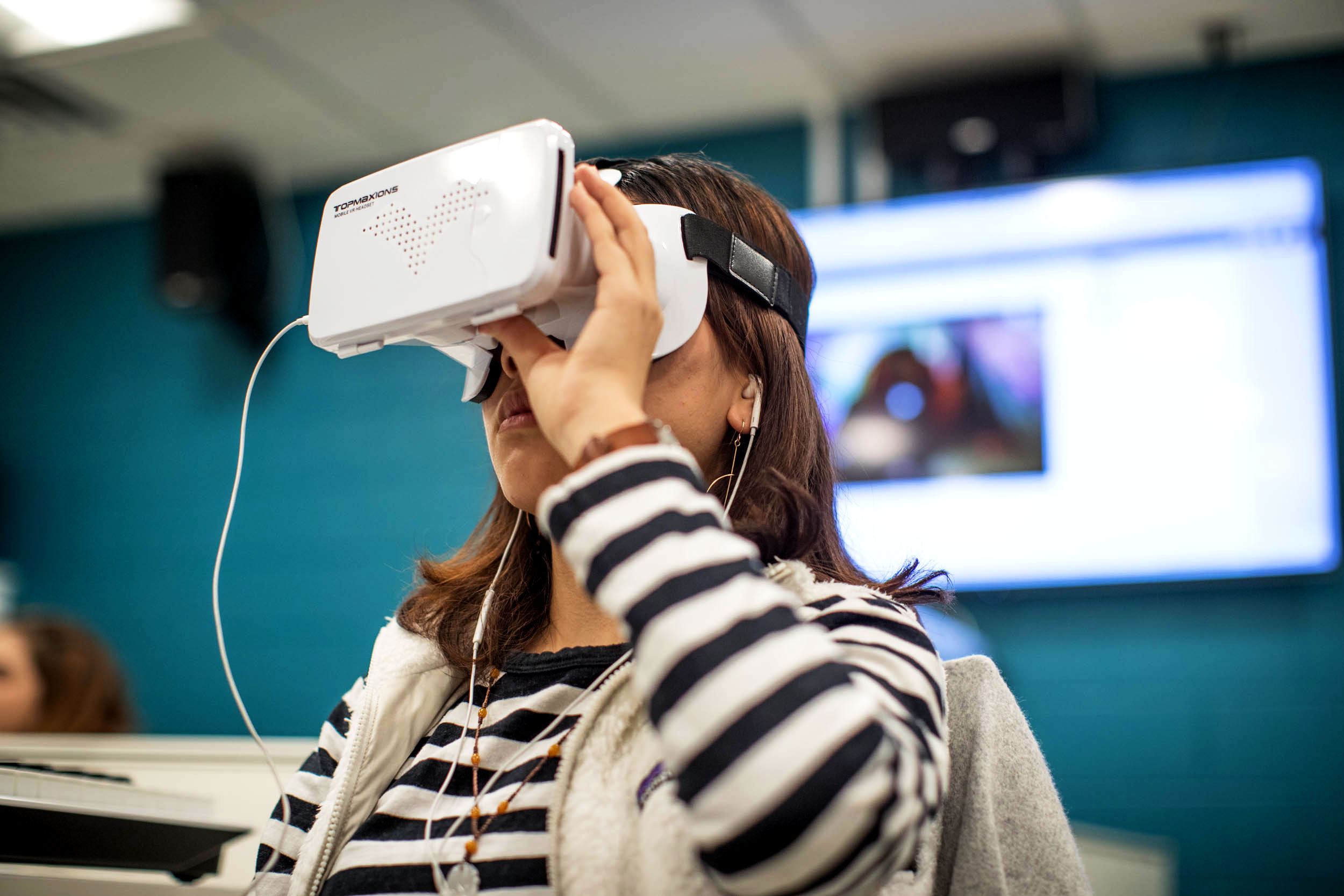
LOS ANGELES, February 14, 2026 — According to Parliament News, that Film technology education is entering a transformative phase in Los Angeles in 2026, as studios, universities, and private academies accelerate programs designed to train the next generation of Hollywood creators. Industry leaders say film technology education now sits at the center of cinematic innovation, blending storytelling tradition with artificial intelligence, virtual production, and advanced postproduction systems.
The rapid evolution of production tools has reshaped expectations for graduates entering the entertainment workforce. Institutions across Southern California are adapting quickly, integrating film technology education into core curricula to reflect the changing demands of global media markets.
A Shift From Traditional Film Training
For decades, film schools focused primarily on directing, cinematography, acting, and editing using analog and early digital systems. While those foundations remain essential, film technology education now incorporates artificial intelligence, machine learning workflows, and real time rendering engines.
Educators argue that students must understand both creative principles and the technological ecosystems powering modern productions. Film technology education today includes courses on AI assisted editing, digital asset management, motion capture systems, and immersive production design.
As streaming platforms expand global distribution pipelines, film schools are preparing graduates to operate in highly digitized environments where technical fluency is as important as artistic instinct.
Why Los Angeles Remains the Epicenter
Los Angeles continues to anchor global filmmaking. The city’s dense network of studios, production houses, and postproduction facilities provides an unmatched training ground for aspiring moviemakers.
Film technology education programs in the region benefit from direct collaboration with industry professionals. Students often gain access to active production sets and advanced sound stages equipped with LED volume walls and virtual production systems.
In 2026, partnerships between universities and technology companies have strengthened, ensuring that film technology education reflects real world production practices rather than theoretical frameworks alone.
Integration of Artificial Intelligence in Classrooms
Artificial intelligence is increasingly embedded within film technology education. AI powered script analysis tools, automated color grading systems, and generative visual effects platforms are now part of everyday instruction.
Students learn to harness machine learning algorithms to enhance creative output without replacing human judgment. Faculty emphasize that technology should support storytelling rather than dictate it.
One senior instructor noted,
“Film technology education must empower creators to use AI responsibly while preserving the human voice at the heart of cinema.”
Industry Demand for Technologically Fluent Creators
Hollywood studios are actively seeking graduates trained in film technology education programs. Production timelines are tightening, budgets are evolving, and digital workflows require specialized expertise.
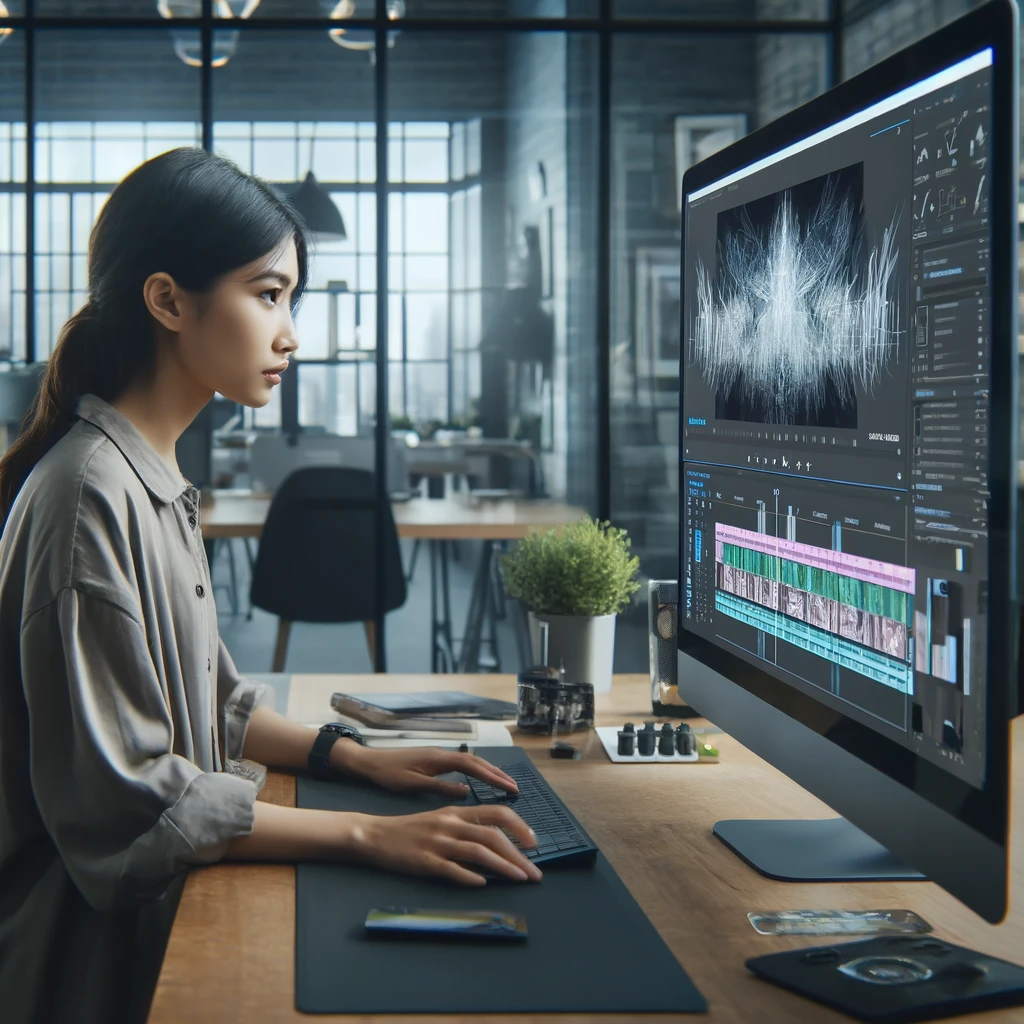
Graduates who understand virtual production pipelines, data driven editing platforms, and digital effects integration are entering the workforce with a competitive advantage. Film technology education ensures that young professionals can transition seamlessly into studio environments that rely heavily on cloud based collaboration tools.
Recruiters confirm that technological proficiency is now considered a core competency alongside directing or screenwriting talent.
Virtual Production and Immersive Sets
One of the most visible transformations within film technology education involves virtual production environments. LED volume stages allow filmmakers to create dynamic backgrounds in real time, reducing location costs and improving production efficiency.
Students trained in these systems gain experience blending live action footage with computer generated environments. Film technology education programs now dedicate entire modules to mastering virtual cinematography and real time rendering.
These immersive tools are reshaping both blockbuster filmmaking and independent cinema.
Ethical and Legal Frameworks
As technology advances, ethical considerations become increasingly important. Film technology education incorporates legal instruction covering digital likeness rights, copyright compliance, and consent in AI generated performances.
Deepfake capabilities and digital actor replication raise complex moral questions. Educational institutions are responding by embedding ethics modules into technical coursework.
Film technology education therefore extends beyond hardware and software, fostering responsible innovation in a rapidly changing media landscape.

Global Expansion of Training Programs
Although Los Angeles leads, film technology education is expanding globally. Institutions in Europe and Asia are building state of the art media labs to compete in the digital storytelling arena.
International collaboration projects allow students to participate in cross border productions. These initiatives reflect the global nature of entertainment distribution, where streaming platforms connect audiences worldwide.
In 2026, global enrollment in film technology education programs has reached record levels, according to academic administrators tracking digital media trends.
Economic Implications for the Industry
The modernization of training pipelines carries economic consequences. Film technology education reduces barriers to entry by lowering production costs through digital tools.
Independent creators can produce high quality content with smaller teams and fewer physical resources. This democratization of filmmaking is shifting traditional studio hierarchies.
Economists suggest that sustained investment in film technology education may contribute to long term growth within the entertainment sector, generating new employment categories tied to digital production expertise.
Student Perspectives and Career Outlook
Students enrolled in film technology education programs describe the experience as dynamic and forward thinking. Many enter with preexisting familiarity with digital tools but gain structured professional training.
Career pathways now include roles such as AI workflow supervisor, digital asset coordinator, immersive production designer, and postproduction automation specialist.
Film technology education equips graduates to adapt as tools evolve. Rather than mastering a single software platform, students develop flexible skill sets applicable across multiple technologies.
Challenges Facing Institutions
Despite rapid progress, institutions face challenges. Maintaining cutting edge labs requires substantial funding. Faculty must continuously update lesson plans to keep pace with software advancements.
Film technology education programs must also balance innovation with artistic depth. Educators caution against overemphasizing technology at the expense of narrative craft.
However, administrators argue that blending artistry with technology strengthens rather than weakens storytelling traditions.

The Broader Cultural Impact
The evolution of film technology education is influencing the broader culture of filmmaking. Audiences increasingly expect immersive visuals and seamless digital effects.
As graduates enter the workforce, they bring fresh perspectives on interactive storytelling, cross platform narratives, and data informed creative decisions.
The integration of advanced tools into creative education signals a long term transformation of how stories are conceived and delivered.
A New Era for Creative Learning in 2026
Film technology education in Los Angeles in 2026 represents more than curriculum updates. It reflects a structural shift in how Hollywood prepares its future leaders.
As artificial intelligence, virtual production, and digital collaboration tools become standard, educational institutions are redefining cinematic training. Film technology education stands at the intersection of creativity and computation, shaping a generation ready to navigate both art and innovation.
The coming years will determine how effectively these programs continue adapting, but current momentum suggests that film technology education will remain a defining force in global entertainment development.