

Accra, Ghana, February 7, 2026 — According to Parliament News, that The pursuit of financial stability Ghana has emerged as the defining objective of economic policy in 2026, as authorities confront currency volatility, capital flow pressures, and the long-term challenge of restoring confidence in the national financial system.
Government officials and central bank leaders say recent reforms reflect lessons learned from past economic shocks and aim to place Ghana on a more resilient footing. The strategy prioritises disciplined monetary policy, targeted capital controls, and institutional reform to protect households, businesses, and investors from further instability.
Currency Volatility and the Policy Response
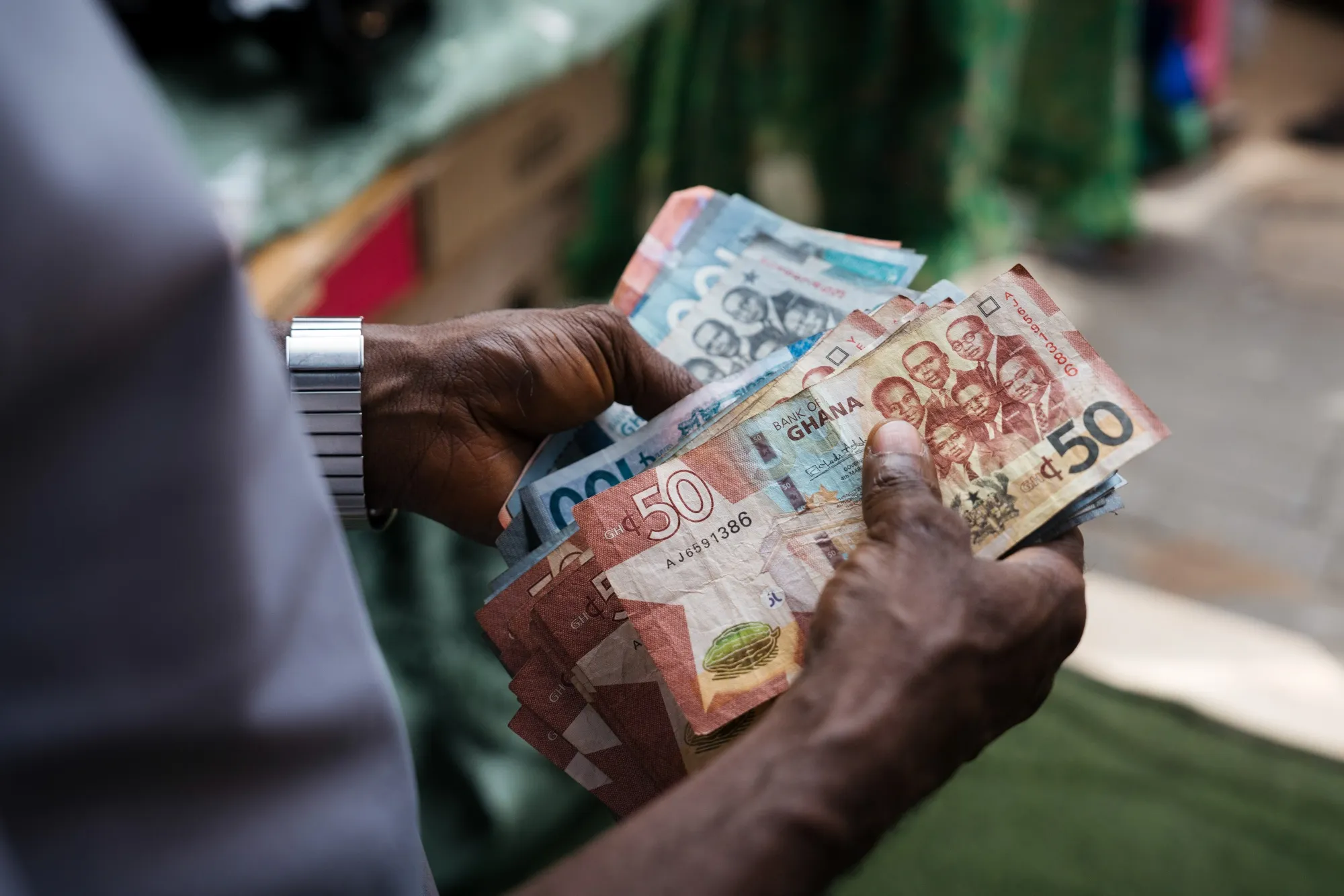
The Ghanaian cedi has experienced periods of sharp depreciation in recent years, driven by global interest-rate tightening, rising import costs, and investor caution toward emerging markets. These pressures exposed structural vulnerabilities in foreign exchange management and fiscal coordination.
In response, policymakers have elevated financial stability Ghana to the top of the national agenda, viewing currency protection as essential for economic recovery and social stability.
Central Bank Leadership and Monetary Discipline
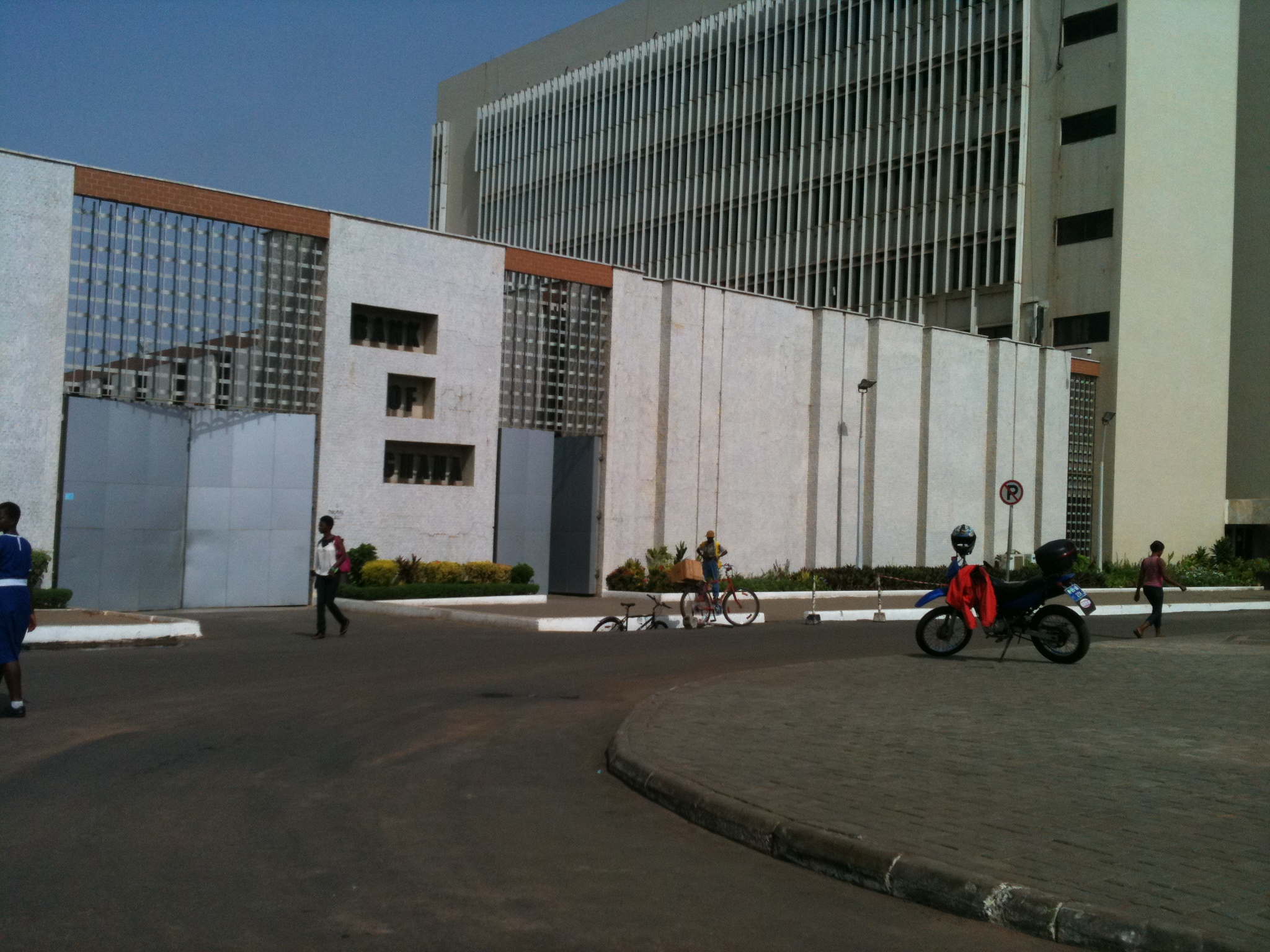
The Bank of Ghana has taken a more assertive role in shaping monetary conditions, raising policy rates, tightening liquidity, and strengthening oversight of financial institutions. Officials argue that inflation control and exchange-rate stability must precede any sustained growth.
By reinforcing monetary discipline, the central bank aims to anchor expectations and reinforce financial stability Ghana amid uncertain global conditions.
Capital Flow Controls and Domestic Liquidity
One of the most debated reforms has been the introduction of limits on offshore investments by institutional investors, including pension funds. Authorities say excessive capital outflows contributed to foreign-exchange shortages and weakened domestic markets.
Officials maintain that managing capital flows is necessary to defend financial stability Ghana while longer-term reforms take effect.
Banking Sector Oversight and Risk Management
Commercial banks have been instructed to increase capital buffers, improve asset quality, and strengthen risk management practices. Regulators have expanded stress testing and supervision to identify vulnerabilities early.
Financial analysts note that a resilient banking sector is critical to sustaining financial stability Ghana, particularly during periods of external economic stress.
Market Reaction and Investor Confidence
Initial market reactions to the reforms have been mixed. Some investors welcomed the emphasis on stability and predictability, while others expressed concern over reduced flexibility.
Economists argue that credibility and consistency are more important than short-term sentiment, noting that durable financial stability Ghana depends on sustained policy discipline rather than quick fixes.
Fiscal Policy and Debt Sustainability
Monetary measures alone are insufficient without fiscal discipline. The government has committed to expenditure restraint, improved revenue mobilisation, and continued debt restructuring efforts.
Policy advisers stress that fiscal consolidation is essential to reinforcing financial stability Ghana and reducing reliance on external financing.
Social Impact and Cost-of-Living Pressures
Currency instability has direct consequences for households, particularly through higher food and fuel prices. Inflation disproportionately affects lower-income families, amplifying social tensions.
By prioritising financial stability Ghana, authorities aim to protect purchasing power and mitigate the social costs of economic adjustment.
One Official Perspective on the Reform Path
A senior government official said,
“Stability is the foundation for growth, and without it, no reform can succeed.” The remark reflects the central role financial stability Ghana plays in shaping current economic decision-making.

External Environment and Global Pressures
Ghana’s reforms are unfolding against a challenging global backdrop. Higher interest rates in advanced economies, geopolitical uncertainty, and commodity price fluctuations have constrained capital flows to emerging markets.
Within this context, maintaining financial stability Ghana requires careful coordination between domestic policy and external engagement.
Regional Context and Peer Comparisons
Several African economies have faced similar pressures and adopted varying approaches, ranging from currency intervention to capital controls. Ghana’s strategy reflects a cautious blend of market mechanisms and regulatory intervention.
Regional economists say Ghana’s focus on financial stability Ghana aligns with broader efforts to strengthen macroeconomic resilience across West Africa.
Structural Reforms Beyond Monetary Policy
Authorities acknowledge that long-term stability depends on more than financial controls. Structural reforms aimed at boosting exports, diversifying the economy, and improving productivity are central to the broader strategy.
Such reforms are intended to support financial stability Ghana by reducing vulnerability to external shocks.
Data Transparency and Policy Communication
Clear communication has become a key pillar of reform. The government and central bank have increased public briefings, policy statements, and engagement with investors.
Transparency is viewed as essential for sustaining financial stability Ghana and preventing speculation during periods of adjustment.
Historic Comparison: Lessons From Past Economic Crises
Ghana has experienced multiple episodes of economic stress over the past decades, including currency crises and debt challenges. Past responses often relied on short-term fixes that failed to address underlying weaknesses.
The current emphasis on financial stability Ghana reflects lessons drawn from those experiences, favouring structural reform and institutional strength over temporary relief.

Managing Political and Public Expectations
Economic adjustment carries political risks. Governments must balance reform with social protection, ensuring that vulnerable groups are not disproportionately affected.
Managing expectations is now seen as integral to preserving financial stability Ghana, particularly during election cycles and periods of public scrutiny.
Role of International Partners
Multilateral institutions and development partners continue to play a role in supporting Ghana’s reform efforts through financing, technical assistance, and policy advice.
Officials say external support complements domestic ownership of reforms aimed at strengthening financial stability Ghana.
Private Sector Response and Business Confidence
Businesses have welcomed signs of stabilisation but remain cautious. Access to credit, currency predictability, and policy consistency are key concerns for the private sector.
A stable financial environment is viewed as essential for investment decisions that depend on financial stability Ghana.
Long-Term Growth Versus Short-Term Adjustment
Economists emphasise that stability measures may constrain growth in the short term but create conditions for sustainable expansion over time.
The trade-off underscores the complexity of managing financial stability Ghana while pursuing development goals.
Monitoring Indicators and Early Warning Signals
Authorities are closely tracking inflation, exchange-rate movements, and capital flows to assess the effectiveness of reforms. Early warning systems have been strengthened to detect emerging risks.
Such monitoring is critical to maintaining financial stability Ghana in a volatile global environment.
Education, Institutions, and Capacity Building
Beyond immediate reforms, investment in institutional capacity and economic education is viewed as essential. Strong institutions reduce policy volatility and enhance credibility.
Long-term resilience depends on embedding financial stability Ghana within governance frameworks that outlast political cycles.
Public Trust and Economic Legitimacy
Trust in economic institutions influences behaviour, from savings decisions to investment choices. Restoring confidence requires consistent action and visible results.
Authorities believe sustained focus on financial stability Ghana will gradually rebuild public trust eroded by past volatility.
Risks That Could Test the Strategy
External shocks, commodity price swings, or global financial disruptions could challenge reform momentum. Domestic risks include fiscal slippage or policy inconsistency.
Economists warn that preserving financial stability Ghana will require vigilance and adaptability as conditions evolve.
The Road Ahead for Economic Management
Looking forward, Ghana’s leaders face the task of maintaining reform momentum while easing adjustment costs. Success will depend on coordination, discipline, and continued engagement with stakeholders.
The commitment to financial stability Ghana signals a long-term shift in economic governance rather than a temporary response.
Watching a Defining Chapter in Ghana’s Economy
As 2026 progresses, Ghana’s experience is being closely watched by investors, policymakers, and regional peers. The outcomes will shape perceptions of reform credibility and institutional strength.
This period may ultimately be remembered as the moment when financial stability Ghana moved from aspiration to guiding principle.
Beyond Stabilisation
Stability is not an end in itself but a foundation. How Ghana builds upon this foundation will determine future prosperity, inclusion, and resilience.
The success of current reforms will define the country’s economic trajectory well beyond 2026.