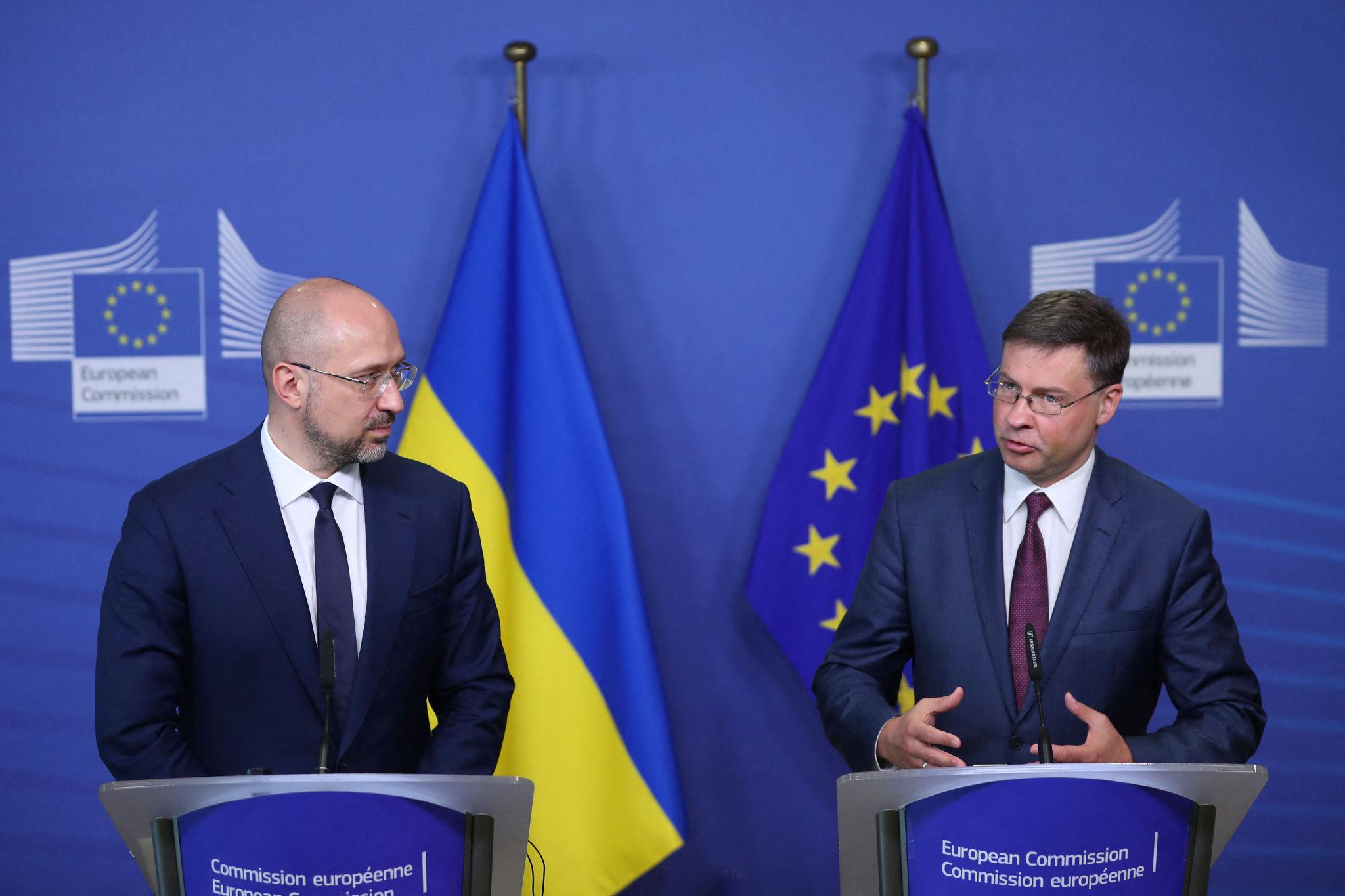
Brussels, February 4, 2026 — According to Parliament News, that European Union member states have reached consensus on an extensive financial framework designed to underpin Ukraine’s economic stability, marking a critical evolution in EU economic assistance as the bloc transitions from emergency response to structured long-term support. The agreement, finalized after months of diplomatic negotiations, establishes the architecture for predictable funding, oversight, and accountability over multiple years.
Officials described the framework as a necessary adaptation to prolonged economic disruption, acknowledging that short-term aid mechanisms are no longer sufficient to address Ukraine’s fiscal and reconstruction needs.
From Crisis Management to Strategic Planning
Since the early stages of the conflict, European financial support has focused primarily on emergency stabilization. As conditions evolved, policymakers recognized the need for a more durable approach capable of sustaining government operations and reconstruction planning.
The new framework redefines EU economic assistance by shifting emphasis toward long-range fiscal planning, ensuring continuity in public services while supporting reform commitments and institutional resilience.
Scope and Structure of the Financial Package
The agreement outlines multi-year disbursements tied to transparent governance standards and performance benchmarks. Funding will be released in stages, allowing European institutions to monitor progress while granting Ukrainian authorities flexibility in execution.
At its core, the arrangement formalizes EU economic assistance as a predictable financial instrument rather than a sequence of ad hoc decisions, a change diplomats say enhances credibility for both donors and recipients.
Balancing Solidarity and Fiscal Responsibility
Negotiations reflected diverse economic pressures across member states. Some governments expressed concern over long-term liabilities, while others emphasized the strategic cost of insufficient support.
Ultimately, consensus emerged around the view that EU economic assistance represents not only solidarity with Ukraine but also an investment in regional stability and European economic security.
Governance and Oversight Mechanisms
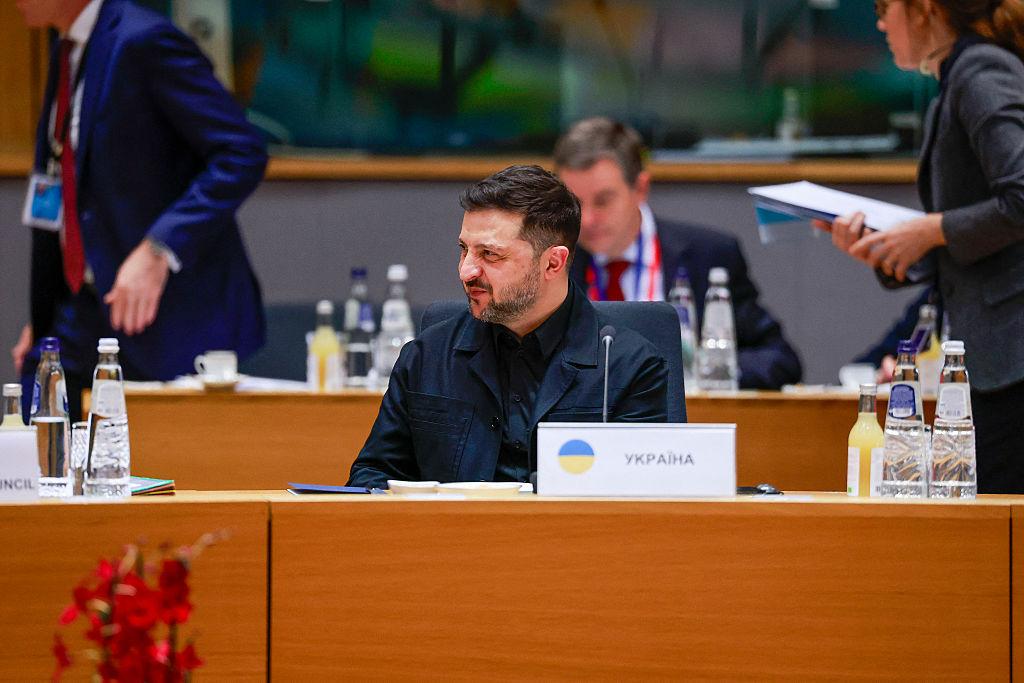
European officials emphasized that accountability is central to the framework. Independent audits, reporting requirements, and policy benchmarks are embedded in the agreement to ensure funds are used effectively.
By reinforcing transparency, the EU aims to maintain public trust while expanding EU economic assistance on an unprecedented scale.
A Single Statement Reflects Policy Intent
One senior EU official involved in the negotiations said,
“Long-term stability requires long-term commitments, and this framework is designed to move beyond crisis politics toward sustainable economic partnership.”
Ukraine’s Immediate Economic Priorities
Ukraine’s government faces ongoing challenges including infrastructure repair, social spending, and public sector wages. Predictable financing allows authorities to plan budgets with greater certainty.
European officials say EU economic assistance will support essential services while enabling Ukraine to prioritize reconstruction and reform simultaneously.
Integration With Broader EU Policy Objectives
The financial framework aligns with wider EU strategies encompassing political alignment, regulatory convergence, and economic integration. Officials argue that financial support reinforces Ukraine’s institutional trajectory toward closer European cooperation.
In this context, EU economic assistance functions as both a stabilizing mechanism and a policy instrument supporting long-term alignment.
Impact on European Financial Architecture
The agreement reflects evolving EU practices around collective financial action. Coordinated borrowing and shared oversight represent a departure from traditional national approaches.
Debates surrounding EU economic assistance have contributed to broader discussions about the future of EU fiscal coordination and shared responsibility.
International Coordination and Global Signals
European leaders emphasized that the framework is intended to complement support from international financial institutions and allied governments.
By expanding EU economic assistance, Brussels aims to provide a foundation that encourages sustained global engagement rather than replacing external contributions.
Market and Investor Confidence
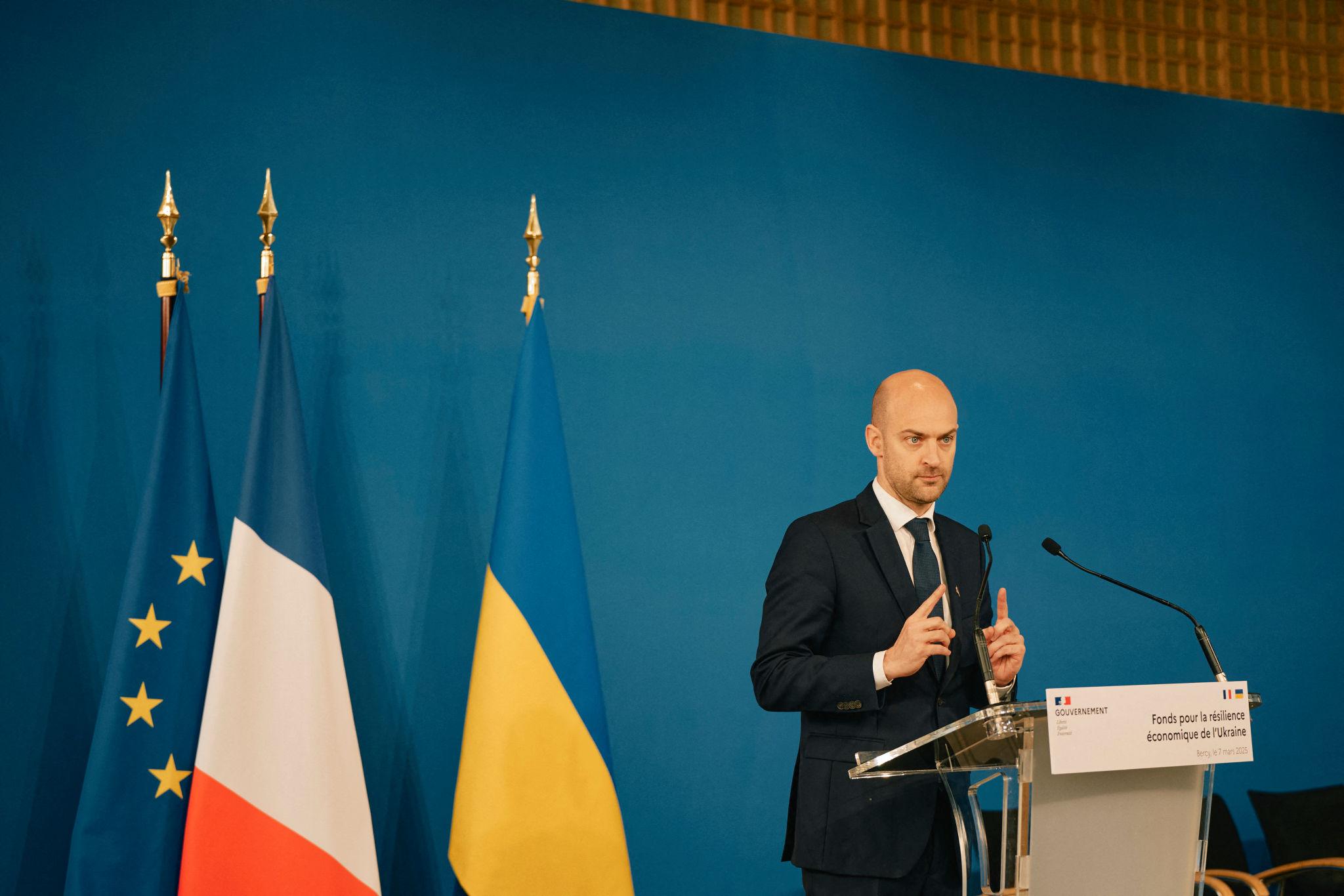
Financial markets reacted cautiously but positively to the announcement. Analysts note that structured, long-term financing reduces uncertainty around Ukraine’s fiscal outlook.
The predictability embedded in EU economic assistance is viewed as a stabilizing factor for regional economic planning.
Challenges to Implementation
Despite broad agreement, risks remain. Ongoing conflict, reconstruction costs, and administrative capacity will test the framework’s resilience.
EU officials acknowledge that EU economic assistance alone cannot resolve structural challenges, but they view it as an essential foundation.
Historical Perspective on European Financial Support
European financial support mechanisms have evolved significantly over recent decades. Initially focused on regional development and cohesion within member states, EU financial instruments expanded gradually to address external stabilization challenges.
In the early 21st century, assistance programs became more structured, emphasizing governance and reform. The current framework for EU economic assistance reflects lessons learned from past crises, combining flexibility with accountability as Europe adapts to prolonged geopolitical instability.
Public Accountability and Political Sustainability
European institutions stress the importance of maintaining public support for long-term commitments. Transparency and communication are viewed as essential components of political sustainability.
By reinforcing oversight, policymakers aim to ensure EU economic assistance retains legitimacy over time.
Domestic Pressures Within Member States
While consensus was achieved, domestic debates continue in several countries. Rising costs of living and fiscal constraints shape public discourse around external spending.
Officials argue that EU economic assistance ultimately protects European interests by supporting stability beyond EU borders.
Administrative Capacity and Reform Benchmarks
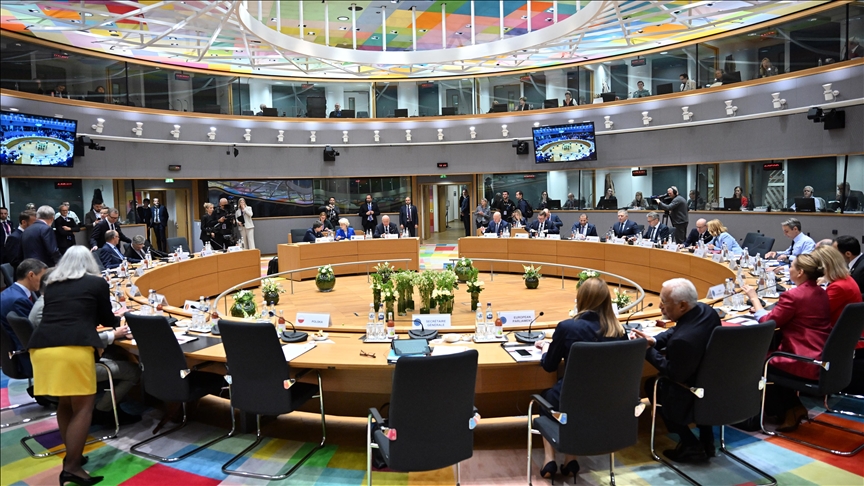
Implementation depends on effective coordination between European institutions and Ukrainian authorities. Technical assistance and monitoring play a crucial role.
Reform benchmarks attached to EU economic assistance are designed to strengthen institutions while avoiding undue administrative burden.
Long-Term Reconstruction Planning
Beyond immediate stabilization, the framework supports early reconstruction planning. Infrastructure, energy systems, and public services require sustained investment.
European planners say EU economic assistance enables Ukraine to move from survival toward strategic rebuilding.
Security and Economic Interdependence
European officials increasingly frame economic support as inseparable from security considerations. Economic collapse, they argue, would have direct repercussions for the EU.
In this sense, EU economic assistance is positioned as a preventive measure against broader regional instability.
Future Reviews and Adjustments
The framework includes provisions for periodic review, allowing adjustments based on economic conditions and implementation outcomes.
This flexibility ensures EU economic assistance remains responsive to evolving circumstances rather than fixed to static assumptions.
Institutional Learning and Policy Evolution
EU policymakers view the agreement as part of an ongoing learning process. Experiences from implementation will inform future financial instruments.
The design of EU economic assistance reflects accumulated institutional knowledge from past financial crises.
Coordination With Enlargement and Integration Policy
Financial engagement complements broader discussions around Ukraine’s future relationship with the EU. Economic alignment supports regulatory convergence and institutional reform.
Officials stress that EU economic assistance should be understood within this wider strategic context.
A Durable Framework for an Uncertain Era
The Brussels agreement marks a shift from reactive support toward deliberate economic partnership. By embedding predictability, oversight, and flexibility, the EU signals confidence in Ukraine’s resilience and its own strategic capacity.
As implementation unfolds, EU economic assistance will remain a central pillar of Europe’s response to one of the most complex economic challenges in its recent history.