Washington, Moscow, February 4, 2026 — According to Parliament News, diplomatic focus has intensified in Washington and Moscow as the US Russia nuclear weapons treaty approaches its expiration, fueling international concern over strategic stability and the future of global nuclear restraint.
Heightened Diplomatic Activity in Washington and Moscow
Senior officials in Washington and Moscow are facing mounting pressure as the treaty deadline draws closer. Diplomatic engagement on arms control has become increasingly complex amid broader political tensions, limiting prospects for swift agreement.
The US Russia nuclear weapons treaty has long been viewed as a stabilizing instrument that helped manage rivalry between the world’s two largest nuclear powers. Its potential expiration has triggered renewed discussions across security agencies, think tanks, and allied governments.
Officials familiar with the talks say uncertainty now dominates strategic planning on both sides.
Why the Treaty Holds Strategic Importance
At its core, the treaty limits deployed strategic nuclear warheads and delivery systems, while providing transparency through verification mechanisms. These measures have reduced the risk of miscalculation during moments of crisis.
Security analysts warn that without the US Russia nuclear weapons treaty, strategic predictability between Washington and Moscow would diminish significantly. This loss of transparency could heighten mistrust and increase reliance on worst case assumptions.
One former arms control negotiator said,
“When limits disappear, uncertainty becomes the most dangerous weapon.”
Rising Fears of a Renewed Arms Competition
The possible lapse of the treaty has revived concerns about a renewed nuclear arms race. Defense planners on both sides may feel compelled to accelerate modernization efforts to preserve deterrence credibility.
The US Russia nuclear weapons treaty has acted as a brake on such escalation for years. Its absence could encourage competitive expansion rather than restraint, with long-term consequences for global security.
Experts caution that arms races often gain momentum quickly and are difficult to reverse once underway.
Global Security Implications Beyond Bilateral Ties
The treaty’s fate carries implications far beyond Washington and Moscow. Other nuclear armed states closely monitor US-Russia dynamics, often using them as reference points for their own policies.
If the US Russia nuclear weapons treaty expires without replacement, it could weaken confidence in the broader nonproliferation framework. Smaller states may question whether restraint still holds value in an increasingly competitive security environment.
International organizations have repeatedly stressed that leadership by major powers remains essential.
Military Modernization and Emerging Technologies
Advances in hypersonic weapons, missile defenses, and command systems have already reshaped strategic calculations. These technologies increase speed and complexity, leaving less room for error.
Without the US Russia nuclear weapons treaty, experts warn that modernization programs could proceed without clear boundaries, raising the risk of destabilizing deployments.
“Technology is moving faster than diplomacy,”
noted a senior defense analyst.
Economic and Policy Pressures
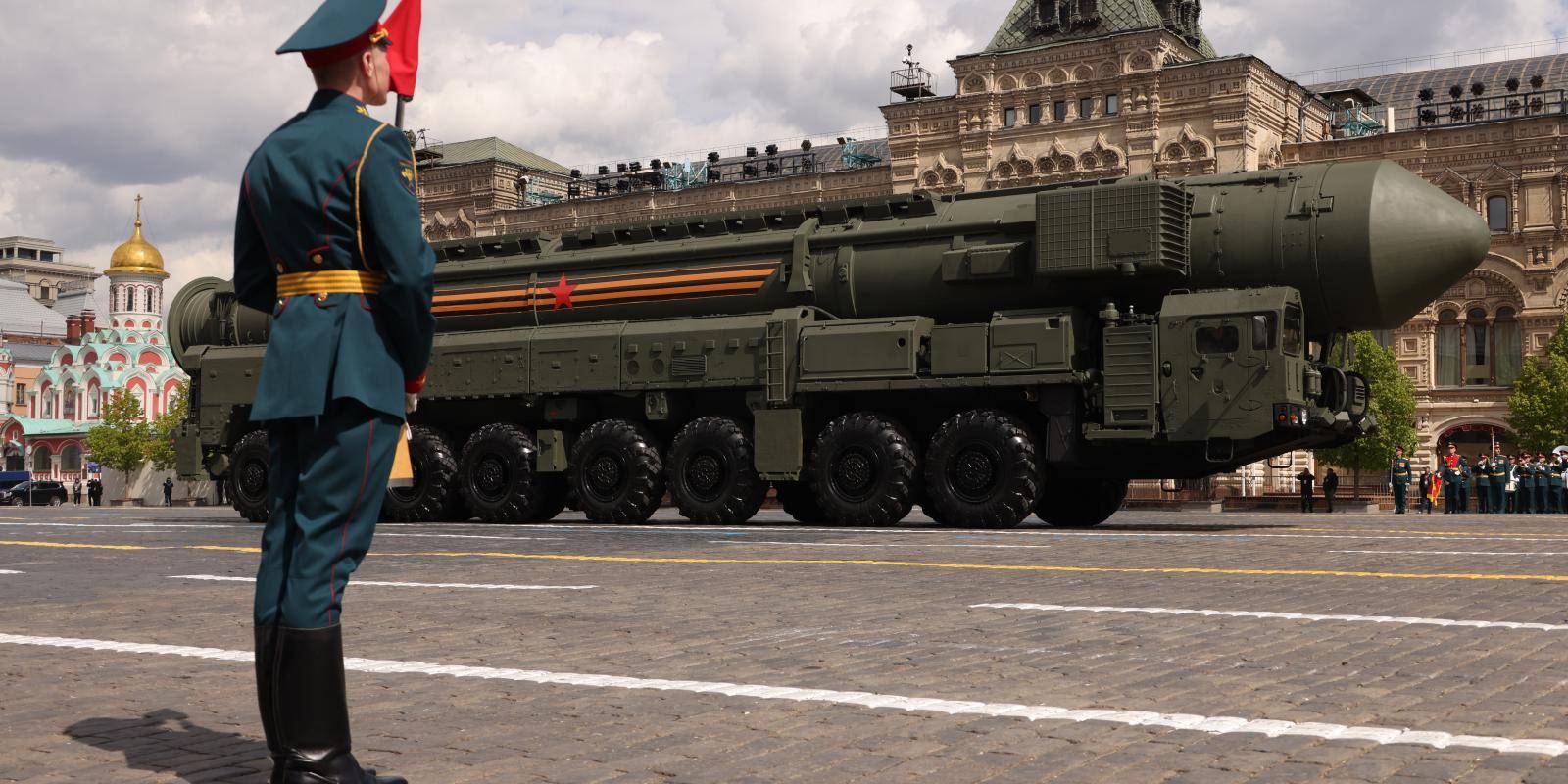
Expanding nuclear arsenals requires sustained financial commitment. Warhead development, delivery systems, and infrastructure modernization involve costs that span decades.
Economists argue that abandoning the limits set by the US Russia nuclear weapons treaty could place significant strain on national budgets, diverting resources from domestic priorities such as infrastructure, healthcare, and climate resilience.
Public scrutiny of defense spending has intensified amid global economic uncertainty.
Allied Concerns and Strategic Dependence
Allied governments in Europe and Asia have voiced growing anxiety over the treaty’s uncertain future. Many rely on strategic stability between Washington and Moscow as a cornerstone of their own security arrangements.
Diplomatic sources say allies fear that the collapse of the US Russia nuclear weapons treaty could lead to greater nuclear deployments and heightened regional tensions.
One European official stated,
“Stability between major powers reduces risk everywhere.”
How Decades of Nuclear Restraint Shaped Today’s Security
Modern nuclear arms control emerged from Cold War recognition that unchecked rivalry risked catastrophic outcomes. Decades of negotiations produced agreements designed to introduce limits, verification, and communication channels.
The US Russia nuclear weapons treaty stands as the last major bilateral framework maintaining those principles today. Its origins reflect lessons learned through crises and near misses that underscored the necessity of restraint.
Historical experience suggests that dismantling existing agreements often creates instability rather than security.
Verification and Transparency at Risk
Verification provisions embedded in arms control agreements allow both sides to confirm compliance and reduce suspicion. Inspections and data exchanges have been central to maintaining confidence.
Experts warn that without the US Russia nuclear weapons treaty, transparency would decline, increasing reliance on intelligence estimates that are inherently uncertain.
Such conditions heighten the risk of misunderstanding during periods of heightened tension.
Public Pressure and Civil Society Voices
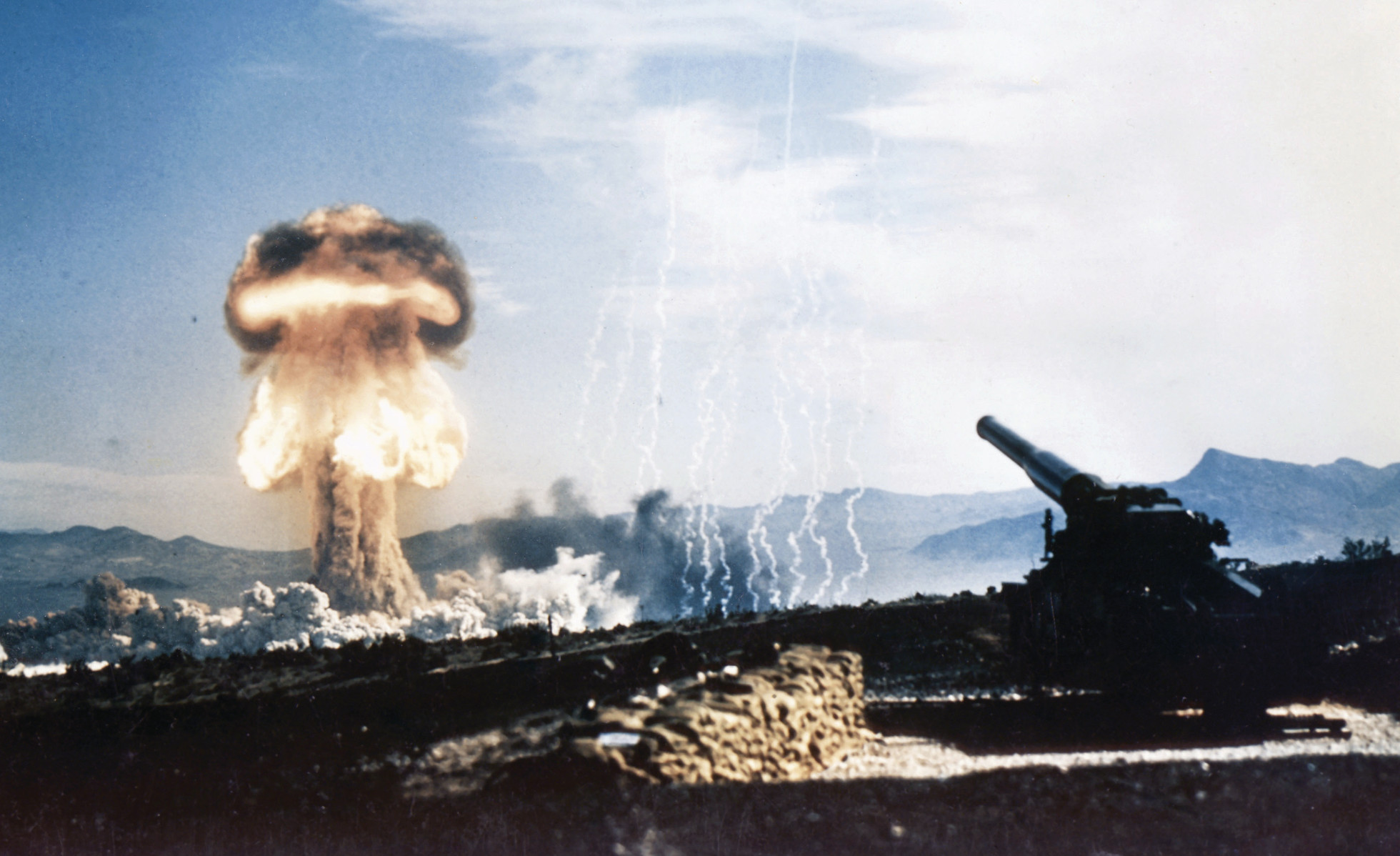
Public awareness of nuclear risks has increased alongside geopolitical tensions. Civil society groups have urged renewed commitment to arms control, emphasizing humanitarian and environmental consequences of nuclear conflict.
Activists argue that allowing the US Russia nuclear weapons treaty to expire would signal retreat from global responsibility at a critical moment.
Public engagement, they say, remains essential to sustaining political will.
Strategic Stability in a Changing World Order
Today’s global order is increasingly multipolar, with new powers and technologies reshaping security dynamics. Cyber operations and space assets now interact with nuclear deterrence in complex ways.
Despite these changes, nuclear weapons remain uniquely destructive. The US Russia nuclear weapons treaty has provided a stabilizing anchor amid this evolving landscape.
Security scholars stress that adaptation, not abandonment, is the path forward.
Prospects for Diplomatic Engagement
While negotiations remain difficult, diplomats suggest incremental steps could preserve dialogue. Temporary extensions or confidence building measures may create space for broader talks.
Replacing or adapting the US Russia nuclear weapons treaty would require sustained political commitment and a willingness to separate arms control from other disputes.
Observers note that successful agreements historically emerged from persistence rather than rapid breakthroughs.
Global Nonproliferation at a Crossroads
The treaty’s future carries symbolic weight for the global nonproliferation system. Actions taken by major powers influence expectations and behavior worldwide.
If the US Russia nuclear weapons treaty lapses without replacement, it could weaken incentives for restraint elsewhere, complicating efforts to limit the spread of nuclear weapons.
International institutions warn that rebuilding lost trust may take years.
Expert Commentary and Analysis
Policy experts increasingly frame the treaty’s fate as a defining test of nuclear responsibility. Commentary across academic and strategic communities highlights the risks of allowing the last major restraint agreement to expire.
One analyst observed,
“This moment will define whether restraint still matters in global security.”
Such assessments reflect broad concern about the direction of nuclear governance.
A Defining Choice for Nuclear Restraint
As 2026 progresses, decisions made in Washington and Moscow will shape the future of nuclear responsibility. The outcome will influence global norms, strategic calculations, and the long-term prospects for managing the world’s most destructive weapons.