

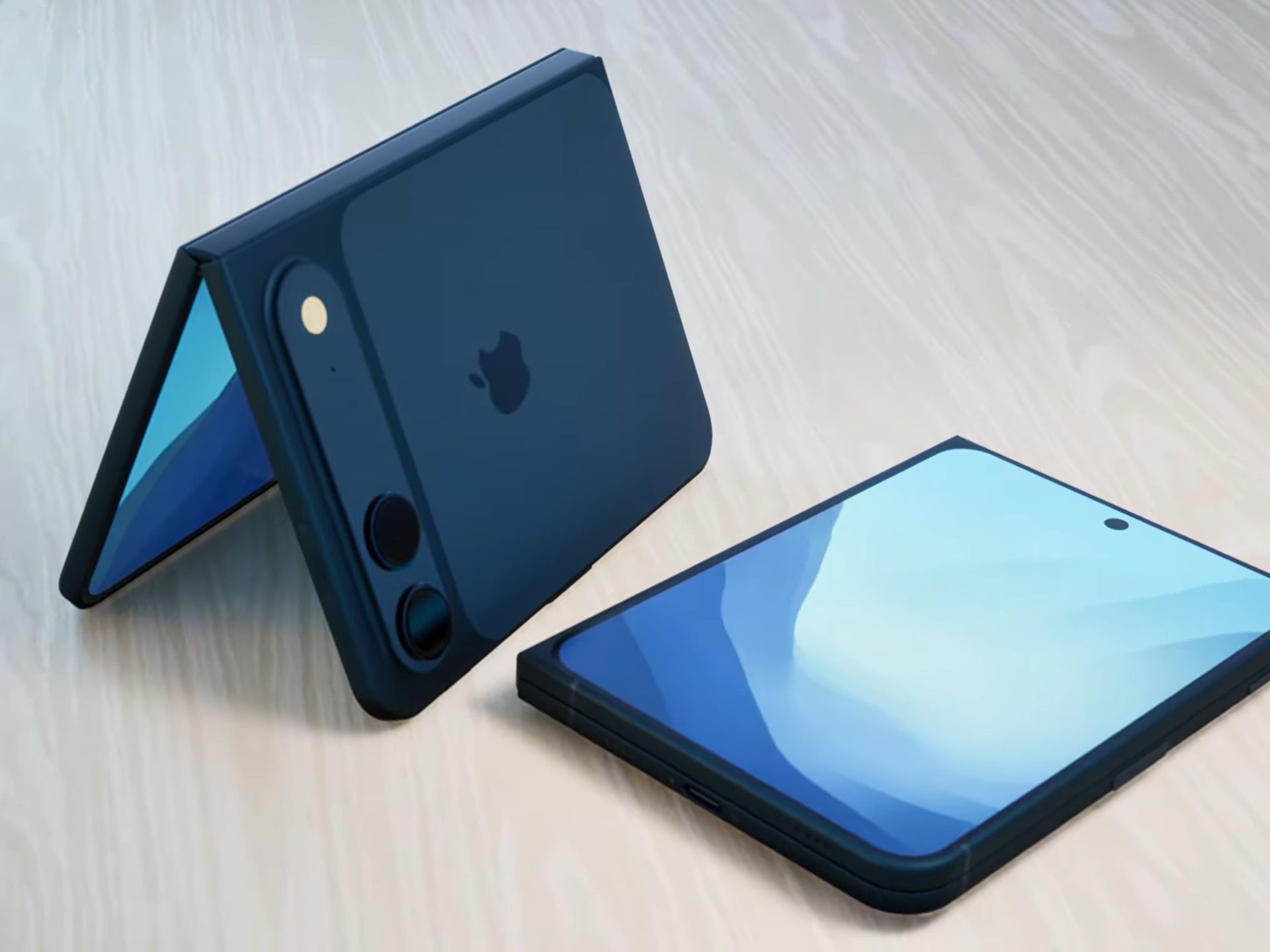
Cupertino, California, February 4, 2026 — Parliament News observes that a decisive shift is taking shape inside Apple’s headquarters as foldable technology advances toward commercial readiness. Analysts monitoring developments from Silicon Valley say the Apple foldable phone has moved beyond conceptual exploration into a defined strategic pathway, shaped by years of testing, supplier alignment, and evolving consumer expectations. The developments unfolding in Cupertino are drawing global attention as Apple prepares to influence the next phase of smartphone design.
This moment reflects not urgency but calculated confidence, signaling that Apple believes conditions are finally aligned for foldable devices to meet its exacting standards.
Why Cupertino Remains Central to Apple’s Strategy
Cupertino is more than a corporate address. It represents a culture of restraint, iteration, and long term thinking. Apple’s most significant product shifts have historically emerged only after extensive internal debate and technical validation.
The emergence of the Apple foldable phone from this environment suggests that Apple views foldable technology as compatible with its core principles of usability, durability, and ecosystem coherence. Decisions made in Cupertino often ripple across global markets, and this development is no exception.
Measured Timing Over Market Noise
Foldable smartphones have existed for years, yet early versions often struggled with durability and inconsistent software experiences. Apple’s absence during this phase was widely interpreted as caution rather than indecision.
The Apple foldable phone reflects a strategy rooted in observation. Apple allowed competitors to expose weaknesses and gather user feedback while it refined materials, hinge mechanics, and interface behavior behind closed doors.
Engineering Discipline at the Core

Foldable devices introduce mechanical challenges unseen in traditional smartphones. Hinges must endure repeated stress, and displays must remain visually consistent despite constant flexing.
Engineers developing the Apple foldable phone are reportedly prioritizing structural resilience over extreme thinness. The aim is to ensure that flexibility enhances functionality without compromising longevity, a balance Apple has historically pursued across product categories.
Software Integration Shapes the Experience
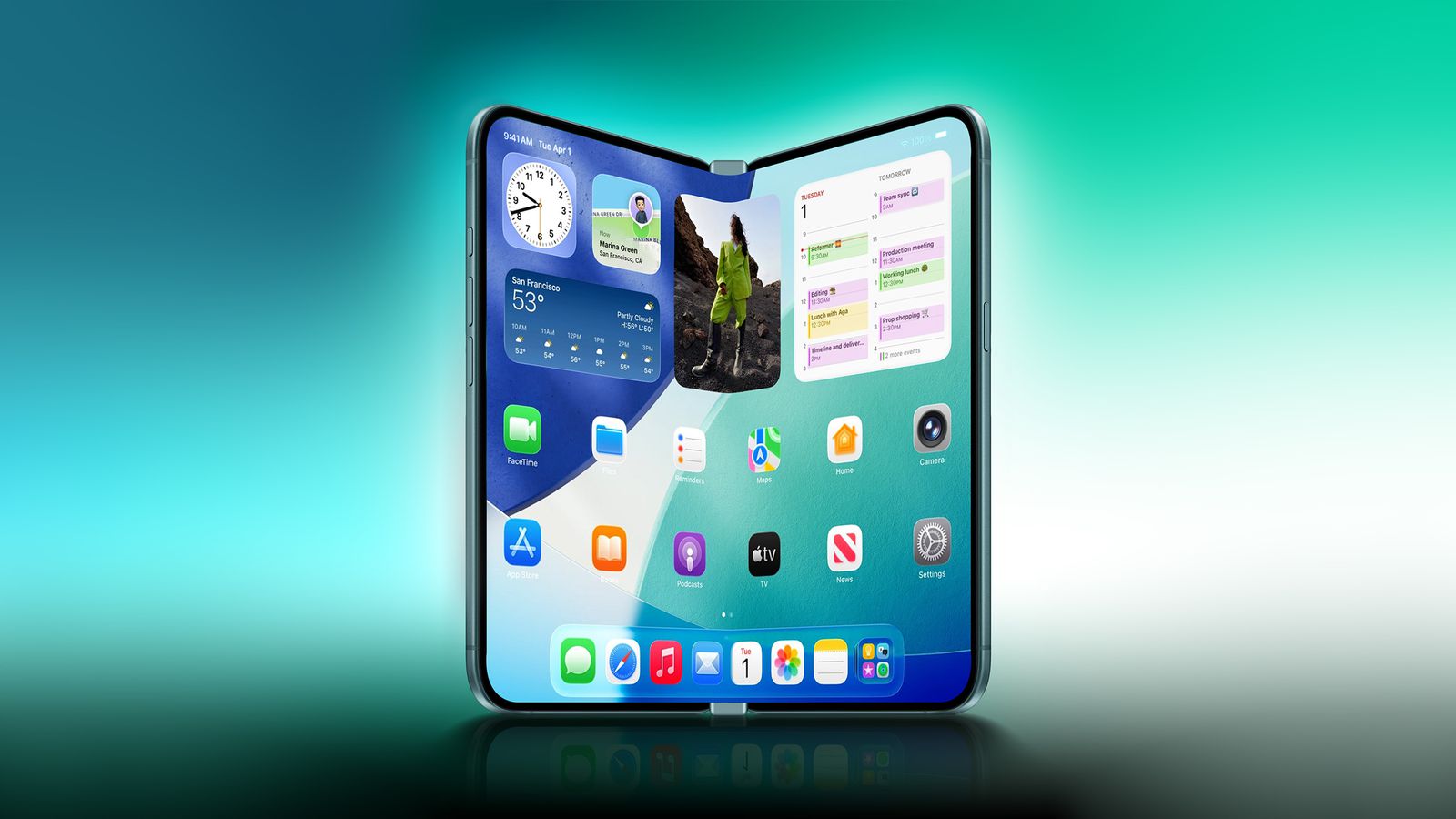
Apple’s advantage lies in its ability to integrate hardware and software seamlessly. Foldable screens require adaptive interfaces that respond intelligently to changing form factors.
With the Apple foldable phone, Apple is expected to focus on continuity. Applications should transition smoothly between folded and unfolded states, preserving user context and minimizing friction. This approach aligns with Apple’s philosophy of making advanced technology feel intuitive.
Supply Chain Readiness Signals Confidence
Foldable components demand precision manufacturing at scale. Flexible OLED panels, ultra thin glass, and advanced hinge assemblies require consistency that few suppliers can deliver reliably.
The progression of the Apple foldable phone indicates confidence that partners can meet Apple’s stringent quality requirements. Industry observers note increased investment across the supply chain, suggesting readiness for controlled production volumes.
Positioning Within the iPhone Ecosystem
Apple’s loyal customer base values reliability as much as innovation. Introducing a new form factor requires careful positioning to avoid alienating existing users.
Rather than replacing traditional models, the Apple foldable phone is expected to complement Apple’s broader lineup. This strategy allows consumers to explore flexibility while retaining familiar design options.
Competitive Landscape Without Urgency
Several competitors have refined foldable designs through multiple generations, addressing early concerns around fragility. While these advancements have improved perception, Apple has remained patient.
The Apple foldable phone reflects a belief that trust and polish outweigh speed. Apple’s brand equity allows it to enter categories later while still commanding attention and consumer confidence.
Pricing Expectations and Premium Identity
Foldable components remain costly, and Apple is unlikely to compromise margins. Analysts anticipate premium pricing aligned with Apple’s high end devices.
For the Apple foldable phone, value is expected to be communicated through longevity, ecosystem integration, and extended software support rather than novelty alone.
Apple’s Historical Approach to Transforming Established Categories
Apple’s past reveals a consistent pattern of delayed entry followed by category redefinition. The company was not first to introduce smartphones, tablets, or smartwatches, yet it reshaped each market through refinement.
The Apple foldable phone follows this historical trajectory. Apple waited for technology to mature, studied consumer behavior, and refined internal prototypes before signaling intent.
Sustainability and Material Innovation
Foldable devices introduce environmental challenges, particularly around recycling flexible components. Apple’s public sustainability commitments make material choices especially significant.
Sources suggest materials used in the Apple foldable phone are being evaluated for recyclability and reduced environmental impact, aligning with Apple’s broader climate objectives.
Industry Perspectives Add Context
One senior technology analyst said,
“Apple’s approach to foldables reflects discipline rather than hesitation, and that discipline often defines its most successful products.”
Another market strategist noted,
“When Apple commits to foldable devices, it signals that the category has matured enough for long term investment.”
A third observer added,
“Apple’s foldable will likely prioritize reliability over spectacle, which could be its greatest strength.”

Global Market Implications
Apple’s eventual entry into foldables is expected to influence suppliers, developers, and competitors worldwide. App developers may accelerate optimization for flexible displays, while hardware manufacturers reassess durability standards.
The Apple foldable phone could act as a catalyst for broader industry improvements, pushing foldables closer to mainstream acceptance.
Consumer Readiness Continues to Evolve
Public skepticism toward foldable devices has softened as designs improve and durability concerns ease. Consumers increasingly view flexibility as a functional advantage rather than a liability.
Apple’s timing with the Apple foldable phone reflects confidence that users are ready for new form factors, provided they meet familiar expectations of quality and reliability.
Regulatory Attention and Global Standards
As foldable devices gain traction, regulatory bodies are paying closer attention to safety, durability claims, and sustainability practices. From Europe to North America, standards are evolving.
Apple’s cautious approach with the Apple foldable phone positions it well to navigate regulatory scrutiny while maintaining compliance across markets.
What Comes Next from Cupertino
Apple has not confirmed a public launch timeline, but momentum continues to build. Supplier activity, software references, and patent filings are closely watched by analysts.
The Apple foldable phone remains under wraps, yet its development trajectory suggests steady progress rather than uncertainty.
A Calculated Evolution
As 2026 unfolds, Apple’s foldable ambitions appear firmly aligned with its long term strategy. From Cupertino, where design discipline meets engineering rigor, Apple is shaping its foldable future deliberately.
The Apple foldable phone is positioned not as a speculative gamble but as a measured evolution designed to endure. If Apple’s history offers guidance, this careful preparation may once again redefine expectations, not by moving first, but by moving right.
