
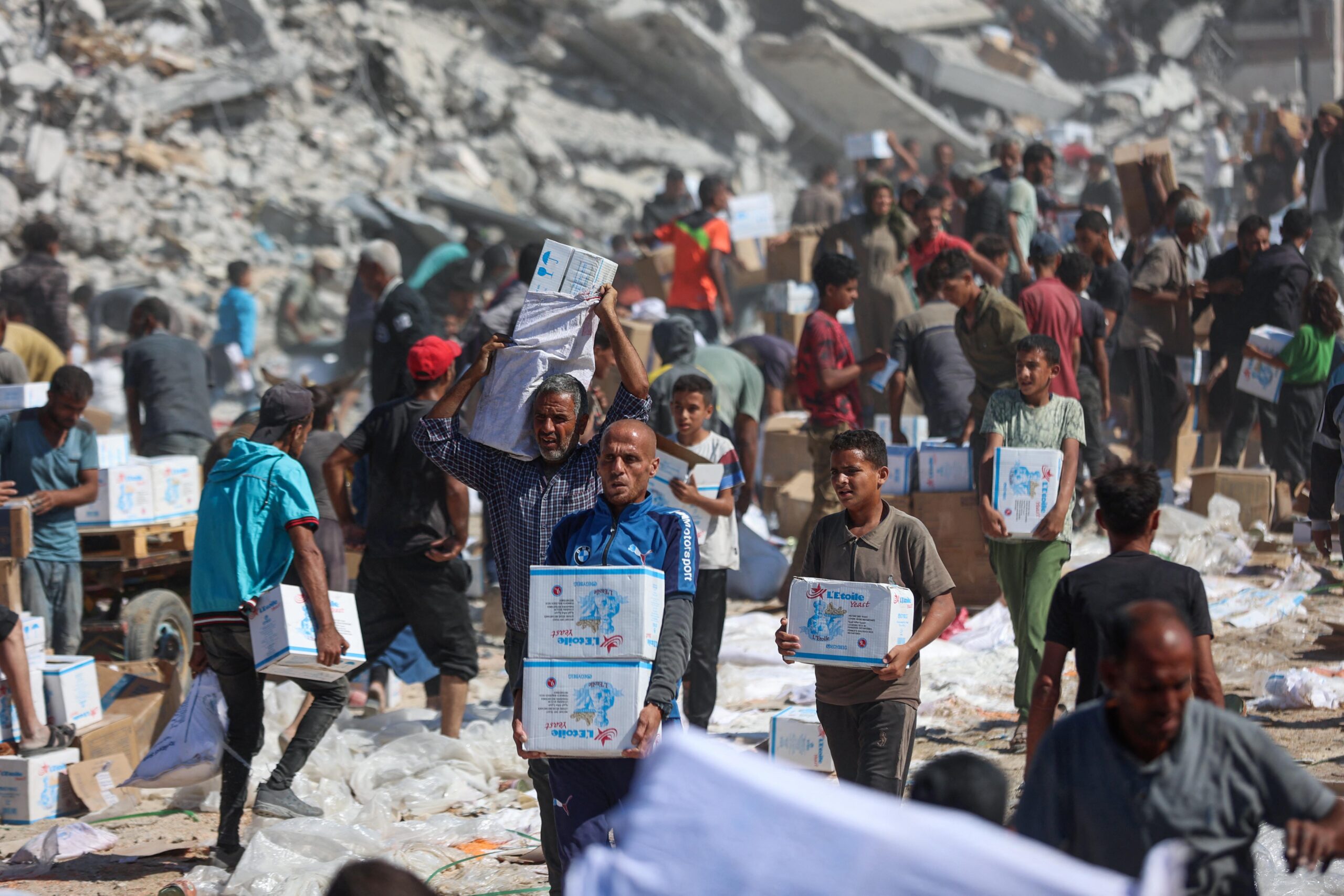
GAZA CITY, Gaza Strip — March 9, 2026 — Parliament News — The Gaza humanitarian crisis is intensifying as ongoing conflict continues to disrupt civilian life across the region. Aid organizations report that millions of residents are facing severe shortages of food, clean water, electricity, and medical supplies.
Relief agencies say the Gaza humanitarian crisis has been aggravated by damaged infrastructure, limited humanitarian access, and the displacement of thousands of families who have been forced to leave their homes during continued fighting.
Hospitals and medical facilities are operating under extreme pressure. Doctors are treating large numbers of injured civilians while facing shortages of essential supplies and limited access to electricity.
Humanitarian groups warn that the longer the conflict continues, the more difficult it will become to stabilize living conditions for residents affected by the Gaza humanitarian crisis.
Civilians Struggle With Daily Survival
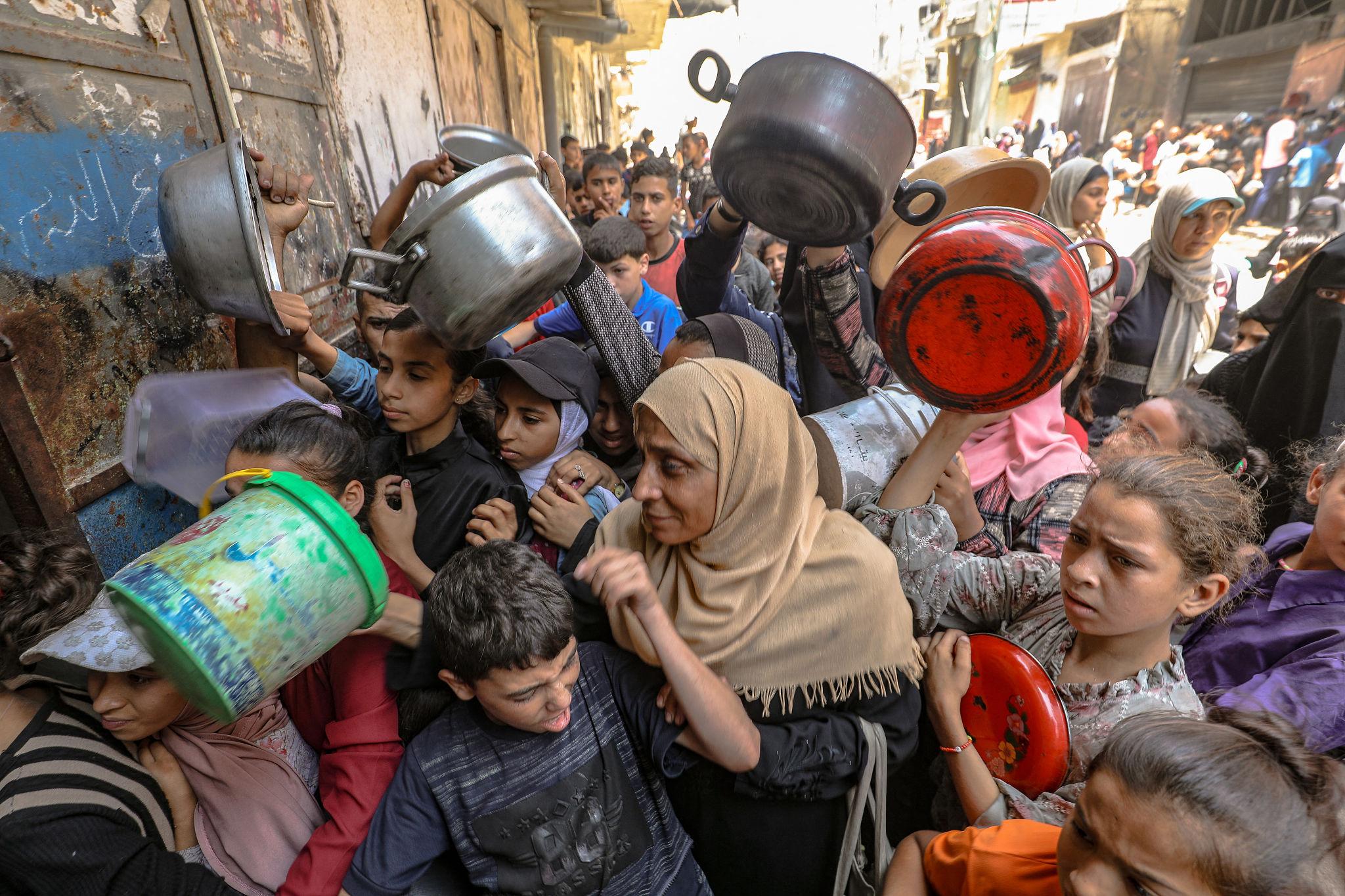
Across Gaza, families are struggling to obtain basic necessities. Many neighborhoods have suffered damage to homes, markets, and public services, leaving residents with few resources to support daily life.
The Gaza humanitarian crisis has created overcrowded shelters where displaced families are seeking safety. Aid workers report that these shelters often lack adequate sanitation facilities and access to reliable food supplies.
Children and elderly residents are considered among the most vulnerable groups affected by the conflict. Many families rely entirely on humanitarian aid for survival as economic activity in the region has slowed dramatically.
International organizations continue urging all parties to ensure safe humanitarian access so that aid deliveries can reach communities experiencing the worst impacts of the Gaza humanitarian crisis.
Historical Comparison of Gaza Conflicts
The current Gaza humanitarian crisis has drawn comparisons to previous conflicts in the region that also caused significant humanitarian emergencies. During earlier escalations in the past two decades, Gaza experienced similar challenges including infrastructure damage, mass displacement, and shortages of essential supplies.
However, analysts say the scale of the current Gaza humanitarian crisis may be even more severe due to the prolonged nature of the conflict and the extent of damage to civilian infrastructure.
Past humanitarian crises in Gaza were eventually stabilized through international relief operations and diplomatic negotiations. Many experts believe that similar international cooperation may again be required to address the current emergency.
International Concern and Humanitarian Warnings
Global humanitarian organizations have repeatedly expressed alarm about the worsening Gaza humanitarian crisis. Aid agencies warn that continued conflict could push the region deeper into instability if immediate humanitarian assistance is not expanded.
One international humanitarian official involved in relief operations said,
“The scale of the suffering is immense, and the international community must act quickly to ensure civilians receive the aid they urgently need.”
The Gaza humanitarian crisis has become a major topic of discussion among international leaders, with several governments calling for increased humanitarian aid and renewed diplomatic efforts aimed at reducing violence.
Global Response and Diplomatic Efforts
Governments and international organizations are working to coordinate aid deliveries and negotiate humanitarian corridors that could allow safer access for relief supplies.
Diplomatic discussions continue as world leaders attempt to reduce tensions and address the broader political factors contributing to the Gaza humanitarian crisis.
While humanitarian assistance remains the immediate priority, many experts believe that long term stability will depend on diplomatic solutions capable of addressing deeper political disputes.
The ongoing conflict has demonstrated how quickly regional instability can escalate into a humanitarian emergency affecting millions of civilians.
Key Takeaways From the Crisis
The Gaza humanitarian crisis highlights the devastating impact that prolonged conflict can have on civilian populations. With infrastructure damaged and essential resources limited, humanitarian organizations warn that immediate international assistance is necessary to prevent conditions from deteriorating further.
Aid agencies continue working to deliver food, medical care, and shelter to families in need while diplomatic efforts seek a path toward reducing violence.
Ultimately, resolving the Gaza humanitarian crisis will likely require both expanded humanitarian support and sustained international engagement aimed at restoring stability and protecting civilian lives