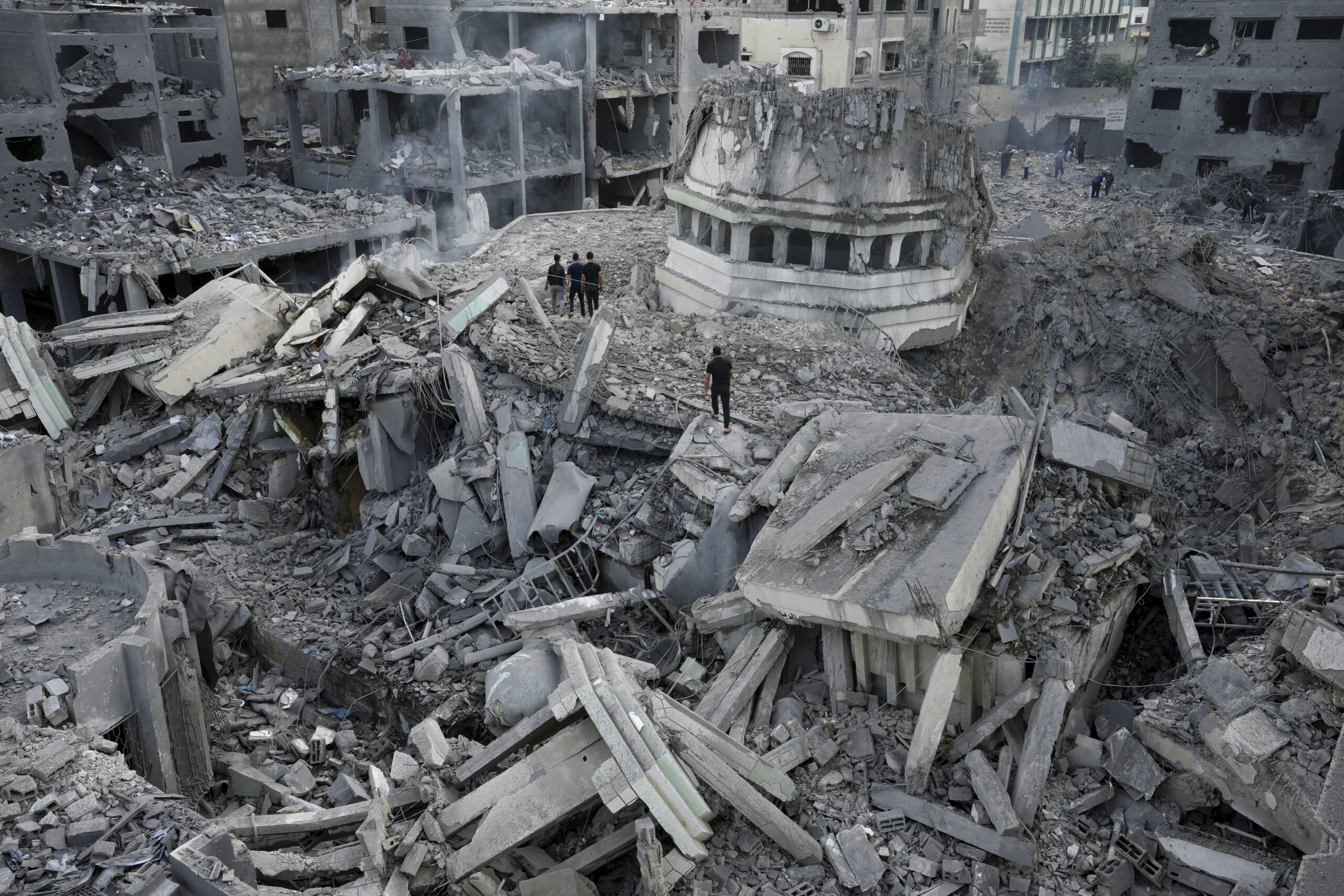
Gaza City, January 2026 — According to parliament news, that humanitarian agencies, engineers, and international observers say the pace of Gaza infrastructure cleanup will determine whether the territory can move from prolonged emergency toward meaningful recovery this year. After years of cumulative damage, basic systems that support daily life—roads, water pipelines, sewage networks, and electricity grids—remain fragile or partially nonfunctional. As 2026 unfolds, infrastructure restoration has become the central benchmark against which all humanitarian and reconstruction efforts are being measured.
Years of Damage Converge
The physical condition of Gaza’s infrastructure reflects years of repeated shocks rather than a single episode of destruction. Roads patched multiple times have collapsed again under pressure. Water pipes repaired with temporary materials leak or fail. Power systems operate well below designed capacity. Engineers working in the territory describe layers of unresolved damage that complicate every repair effort.
This history has elevated Gaza infrastructure cleanup from a technical task into a systemic challenge. Each damaged system affects others, creating cascading failures that disrupt health services, education, and economic activity.
Roads as Lifelines
Transport corridors are among the most visible indicators of recovery. Rubble-filled streets and damaged bridges restrict emergency access and slow the delivery of aid. Clearing and rebuilding roads is therefore a central pillar of Gaza infrastructure cleanup, enabling ambulances, supply trucks, and repair crews to move efficiently.
Improved road access also allows displaced families to return to their neighborhoods, easing pressure on shelters and reducing social strain.
Water Supply Under Persistent Strain
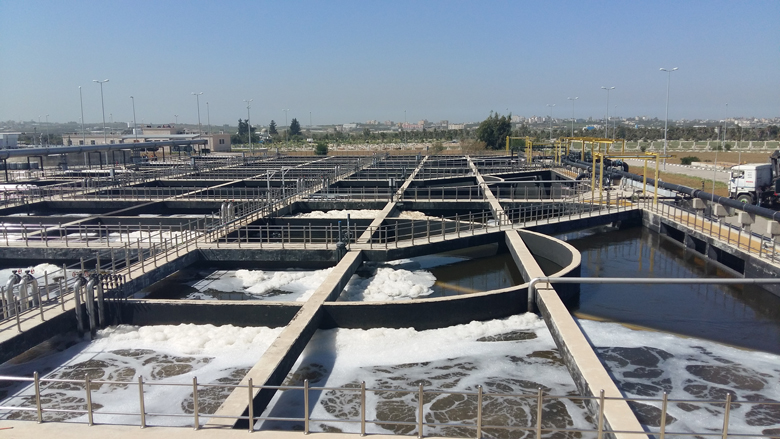
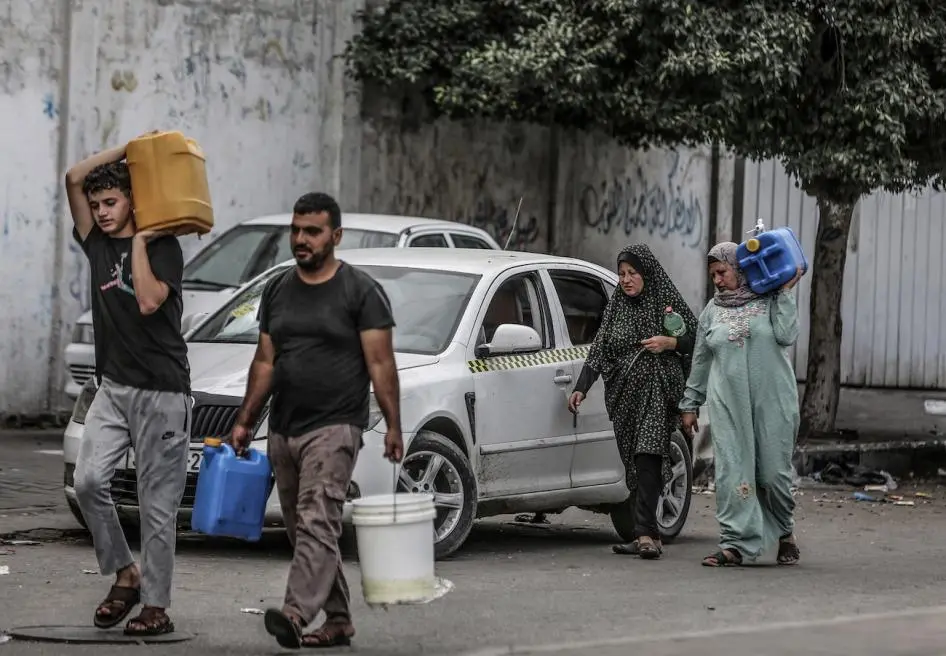
Access to clean water remains inconsistent across many districts. Damaged pipelines, aging pumps, and electricity shortages have reduced supply reliability. Restoring water systems is a core component of Gaza infrastructure cleanup, as water security directly influences public health.
Engineers emphasize that repairs must go beyond short-term fixes. Durable materials, proper pressure regulation, and system-wide testing are required to prevent recurring failures.
Sanitation and Public Health Risks
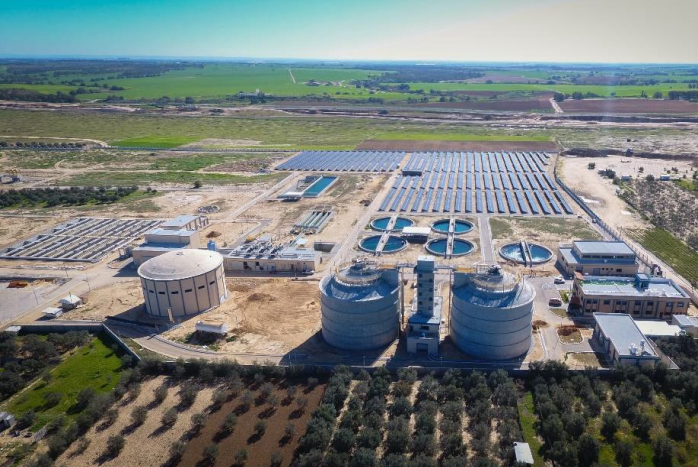
Sewage networks have suffered extensive damage, leading to leaks and environmental contamination. In densely populated areas, these failures pose serious health risks. Addressing sanitation breakdowns is inseparable from Gaza infrastructure cleanup, linking engineering work with disease prevention.
Public health experts warn that unresolved sanitation damage increases the likelihood of waterborne illnesses, particularly during warmer months.
Electricity Networks on the Edge
Power generation and distribution systems remain unstable. Damaged lines, overloaded substations, and limited fuel supplies lead to frequent outages. Restoring energy reliability is a major focus of Gaza infrastructure cleanup, as electricity underpins hospitals, water pumps, communications, and businesses.
Technicians note that repeated shutdowns accelerate equipment degradation, making comprehensive repairs more urgent in 2026 than ever before.
Fuel and Machinery Bottlenecks
Infrastructure repair depends on uninterrupted access to heavy machinery and fuel. Excavators, cranes, and transport vehicles are essential for clearing debris and rebuilding systems. Persistent shortages continue to slow Gaza infrastructure cleanup, extending project timelines and increasing costs.
Humanitarian engineers argue that predictable access would significantly improve efficiency, safety, and coordination across worksites.
Health Services Linked to Infrastructure
Hospitals and clinics cannot function effectively without reliable utilities. Power outages disrupt life-saving equipment, while blocked roads delay patient transport. Gaza infrastructure cleanup therefore plays a direct role in sustaining healthcare capacity.
Medical professionals stress that restoring utilities reduces emergency risks and improves long-term health outcomes.
Economic Activity and Employment
Markets, workshops, and small industries depend on functioning infrastructure. Without reliable water and electricity, economic recovery remains stalled. Gaza infrastructure cleanup is thus closely tied to job creation and income stability.
As infrastructure improves, local employment opportunities expand, reducing dependence on humanitarian aid.
Education and Public Services
Schools and public buildings have also suffered damage. Infrastructure repairs enable safe access to education and social services. While often overlooked, these facilities are part of Gaza infrastructure cleanup, contributing to social resilience and long-term development.
International Assistance and Limitations
International donors continue to provide financial and technical support, but access restrictions complicate delivery. Aid organizations emphasize that Gaza infrastructure cleanup requires sustained entry of materials, spare parts, and expertise.
Stop-start conditions undermine planning and reduce the effectiveness of assistance.
Environmental Considerations
Infrastructure damage has environmental consequences. Sewage leaks contaminate soil and groundwater, while debris disposal poses long-term risks. Environmental safeguards are increasingly integrated into Gaza infrastructure cleanup, including waste recycling and water quality monitoring.
These measures aim to prevent additional burdens on future generations.
Coordination Across Agencies
Multiple organizations operate simultaneously, each responsible for different systems. Effective Gaza infrastructure cleanup depends on coordination to avoid duplication and ensure worker safety. Shared mapping tools and joint scheduling have improved efficiency, though gaps remain.
Community Perspectives
For residents, visible progress in repairs restores confidence. Repaired streets, streetlights, and water access signal movement toward normalcy. Gaza infrastructure cleanup therefore carries psychological importance alongside technical impact.
Community leaders stress that inclusive planning improves trust and cooperation.
Governance and Planning Challenges
Local authorities face limited resources and complex coordination demands. Strategic planning is essential to prioritize repairs that deliver the greatest benefit. Within this framework, Gaza infrastructure cleanup must balance immediate needs with long-term resilience.
Regional and Global Implications
Infrastructure stability in Gaza affects broader regional dynamics. Disruptions influence humanitarian flows, security considerations, and diplomatic engagement. As a result, Gaza infrastructure cleanup is closely monitored by international actors in 2026.
Technology and Innovation
New approaches, including modular systems and remote monitoring, are being explored to accelerate repairs. These innovations could enhance Gaza infrastructure cleanup by improving efficiency and reducing maintenance needs.
Workforce Training and Safety
Repair work requires skilled labor operating in challenging conditions. Training and safety protocols are essential to sustain Gaza infrastructure cleanup without additional human cost.
A Warning From the Field
One senior humanitarian engineer cautioned that
“without consistent access to fuel, machinery, and skilled personnel, infrastructure repair will continue to lag behind civilian needs,”
highlighting the widening gap between emergency response and sustainable recovery.
Measuring Progress in 2026
Indicators such as road access, water availability, and electricity uptime are increasingly used to track recovery. These metrics provide tangible measures of Gaza infrastructure cleanup success and guide future investment.
Long-Term Resilience
Beyond immediate repairs, planners emphasize resilience against future shocks. Strengthening systems rather than restoring them to pre-damage conditions is a growing priority within Gaza infrastructure cleanup strategies.
The Human Dimension
Infrastructure shapes daily life in visible and invisible ways. Clean water, reliable power, and safe roads influence dignity, opportunity, and well-being. In this sense, Gaza infrastructure cleanup is about restoring normal life, not just rebuilding systems.
Looking Beyond Emergency Response
As 2026 progresses, the focus is slowly shifting from emergency fixes to structured rebuilding. Success depends on whether infrastructure work can transition from reactive repairs to planned development.
Rebuilding Foundations for the Future
In 2026, Gaza infrastructure cleanup stands as the foundation upon which recovery, stability, and long-term development depend. Roads, water systems, electricity networks, and sanitation services must be restored before housing, education, and economic growth can fully resume. The effectiveness of infrastructure repair will ultimately determine whether Gaza moves toward resilience or remains trapped in recurring crisis.