

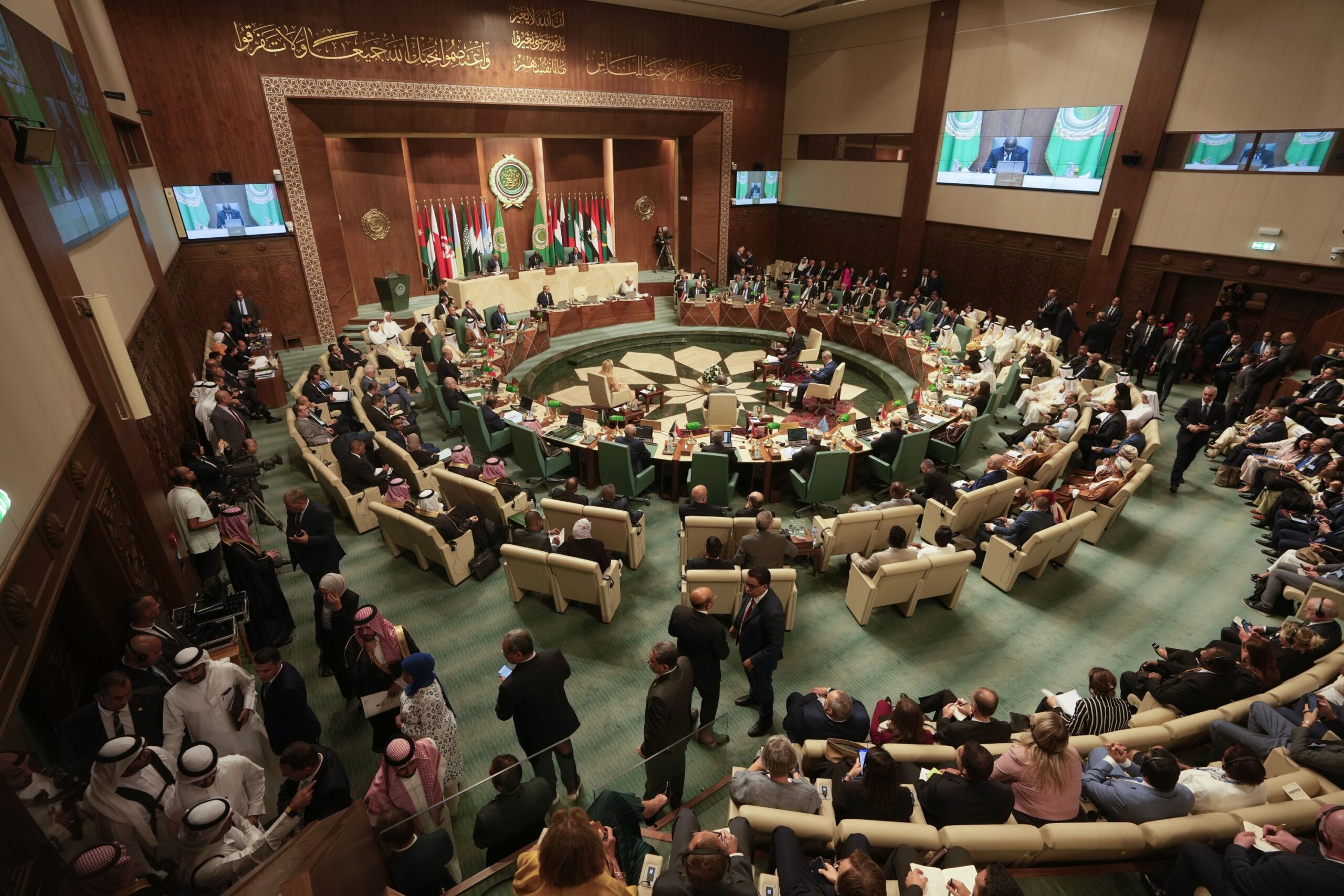
RIYADH, Saudi Arabia, March 26, 2026 (Parliament Politics Magazine) GCC red lines warning has emerged as a defining signal of escalating tensions in the Middle East, after the Gulf Cooperation Council chief declared that Iran’s recent actions have crossed “all red lines.” The statement marks one of the strongest unified messages from Gulf leadership in recent years.
The warning comes amid rising geopolitical instability, with regional leaders expressing concern over security threats, energy risks, and the potential for broader conflict.
GCC Chief Issues Strongest Warning Yet
The Secretary-General of the Gulf Cooperation Council delivered a clear and direct message: Iran’s actions are no longer within acceptable limits.
The phrase “crossing all red lines” carries serious implications in diplomatic language, often signaling that patience has been exhausted and that consequences may follow.
“What Iran has done crosses all red lines, and the region cannot ignore these actions any longer,”
the GCC chief stated, emphasizing the urgency of the situation.
This GCC red lines warning reflects growing frustration among Gulf nations, which have repeatedly called for restraint and dialogue.
What Triggered the GCC Red Lines Warning?
While specific incidents vary, the broader context includes:
- Alleged attacks on strategic infrastructure
- Escalating proxy activity across the region
- Increased missile and drone threats
- Rising tensions linked to maritime security
These developments have contributed to a perception that Iran is pushing boundaries beyond previously tolerated limits.
The GCC red lines warning is therefore not tied to a single event but represents a culmination of ongoing concerns.
Regional Security at a Critical Crossroads
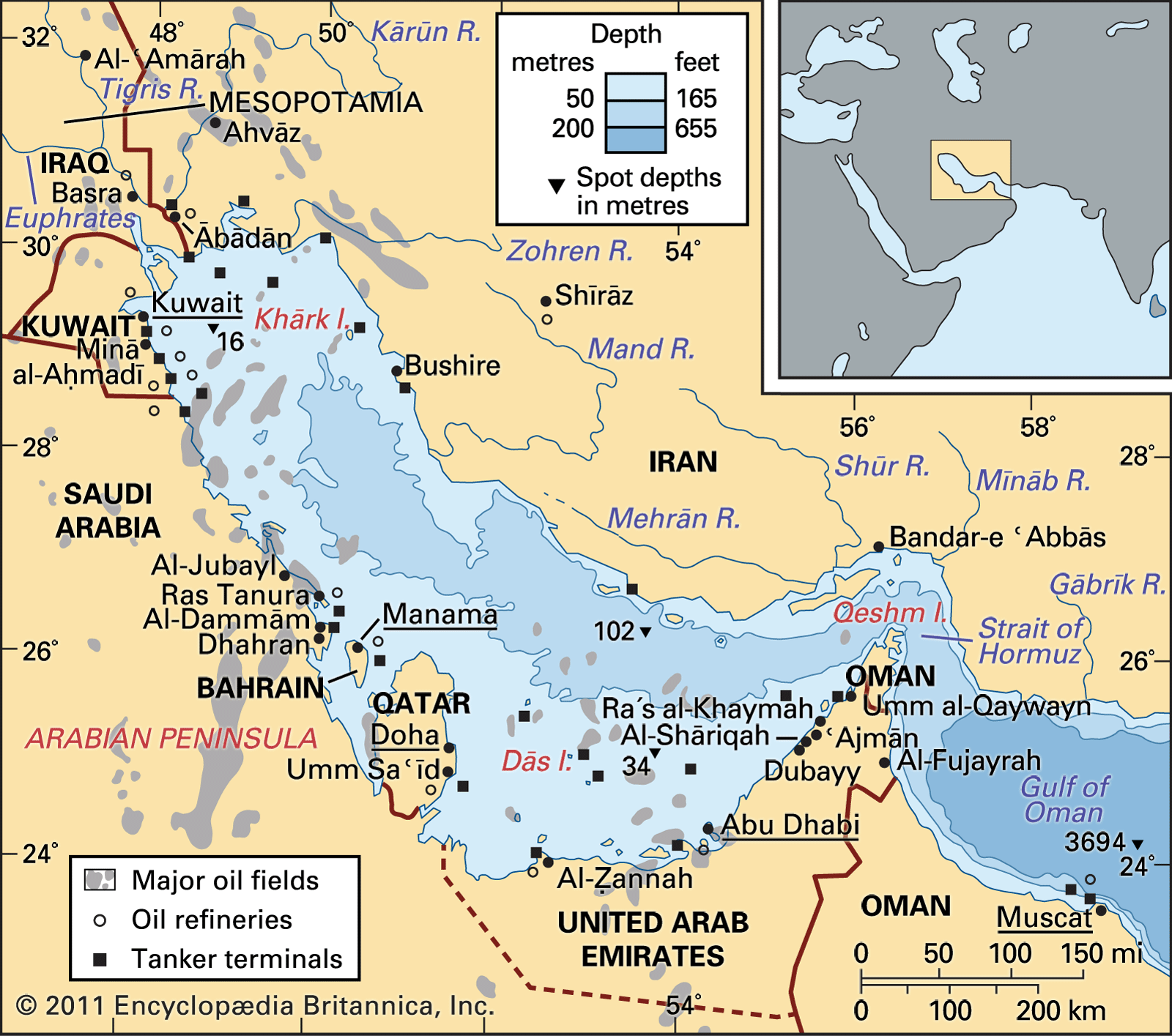
The Gulf region remains one of the most strategically important areas in the world, particularly due to its role in global energy supply.
Any escalation could have far-reaching consequences, including:
- Disruption of oil exports
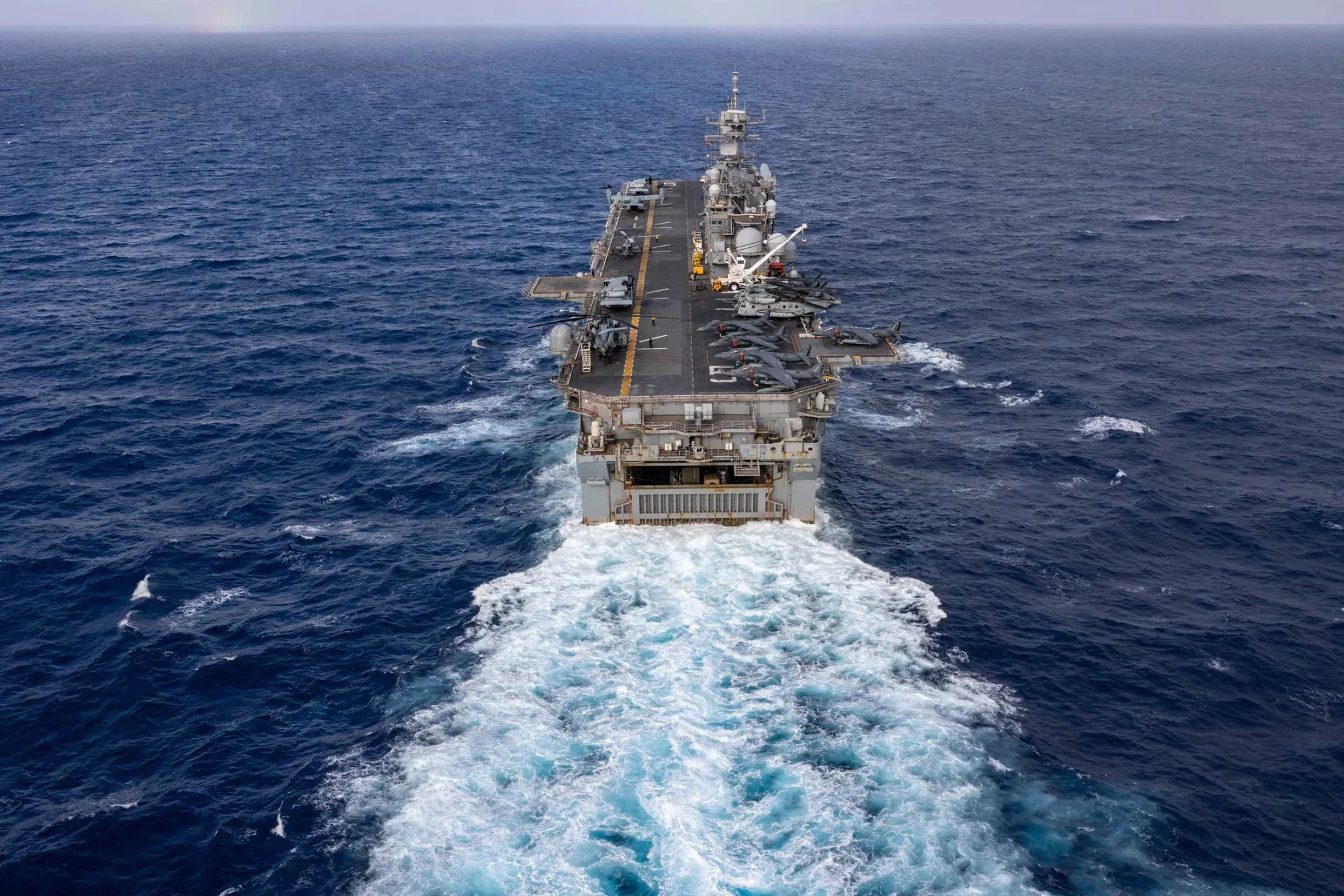
- Increased military presence in key waterways
- Heightened risk of direct confrontation
Despite these risks, Gulf nations are now signaling that continued restraint may not be sustainable.
The GCC red lines warning suggests that a shift in policy could be imminent if tensions continue to rise.
Balancing Diplomacy and Deterrence
In recent years, several Gulf countries have explored diplomatic channels to ease tensions with Iran. These efforts aimed to reduce conflict and promote regional stability.
However, the latest developments have tested the limits of this approach.
Analysts believe the GCC red lines warning reflects a dual strategy:
- Maintaining diplomatic engagement
- Reinforcing deterrence to prevent further escalation
This balance is critical, as any miscalculation could lead to unintended consequences.
Global Reactions and Strategic Implications
The international community is closely watching the situation, recognizing the potential for wider geopolitical impact.
Key concerns include:
- Stability of global energy markets
- Security of shipping routes in the Gulf
- Risk of a broader regional conflict involving major powers
Western governments have urged restraint while acknowledging the seriousness of the GCC’s warning.
A diplomatic observer noted:
“This is not just a regional issue, it has global implications. The GCC red lines warning signals a turning point.”
Public Sentiment Across the Gulf
Public reaction within GCC countries has been mixed but increasingly attentive.
Many citizens support a stronger stance to protect national security, while others remain cautious about the risks of escalation.
Social media discussions highlight:
- Calls for decisive action
- Concerns about economic impact
- Debate over military versus diplomatic solutions
The GCC red lines warning has therefore resonated beyond political circles, shaping broader public discourse.
Historical Context of Red Lines in the Middle East
The concept of “red lines” has long been used in Middle Eastern geopolitics to define limits that, if crossed, could trigger significant responses.
Historically, such warnings have led to:
- Military interventions
- Strategic alliances
- Shifts in regional power dynamics
The current GCC red lines warning fits within this tradition, signaling that the region may be approaching a critical threshold.
What Happens Next?
The situation remains fluid, with several possible outcomes:
- De-escalation through diplomacy
- Increased deterrence measures
- Limited or indirect retaliation
- Broader regional escalation
The path forward will depend on how all parties respond in the coming weeks.
The GCC red lines warning indicates that Gulf nations are preparing for multiple scenarios.
Energy Markets and Economic Impact
The Gulf region plays a central role in global energy supply, making stability a top priority for both regional and international stakeholders.
Any escalation could lead to:
- Higher oil prices
- Supply chain disruptions
- Increased economic uncertainty
Markets have already shown signs of volatility, reflecting concerns over the evolving situation.
A Defining Moment for the Gulf Region
The GCC red lines warning represents a pivotal moment in Middle East geopolitics. It signals that Gulf nations are no longer willing to tolerate actions they perceive as threats to regional stability.
While diplomacy remains a key priority, the tone of recent statements suggests that patience is running out.
“When red lines are crossed, silence is no longer an option.”
As tensions continue to rise, the decisions made in the coming days could shape the future of the region—and the global balance of power.