German union Tesla negotiations have intensified at the company’s Gigafactory near Berlin as labor groups push for stronger worker representation and workplace protections.
The talks highlight growing tensions between Tesla’s fast paced production model and Germany’s long established labor participation system.
Industry analysts say the outcome could influence labor relations across Europe’s expanding electric vehicle manufacturing sector.
Berlin, Germany — March 4, 2026 — According to Parliament News, that The ongoing German union Tesla negotiations have become one of the most closely watched labor developments in Europe’s automotive industry. As labor representatives seek stronger worker participation at Tesla’s Gigafactory in Grünheide near Berlin, discussions between unions and company leadership are drawing attention from policymakers, industry analysts, and workers across the continent.
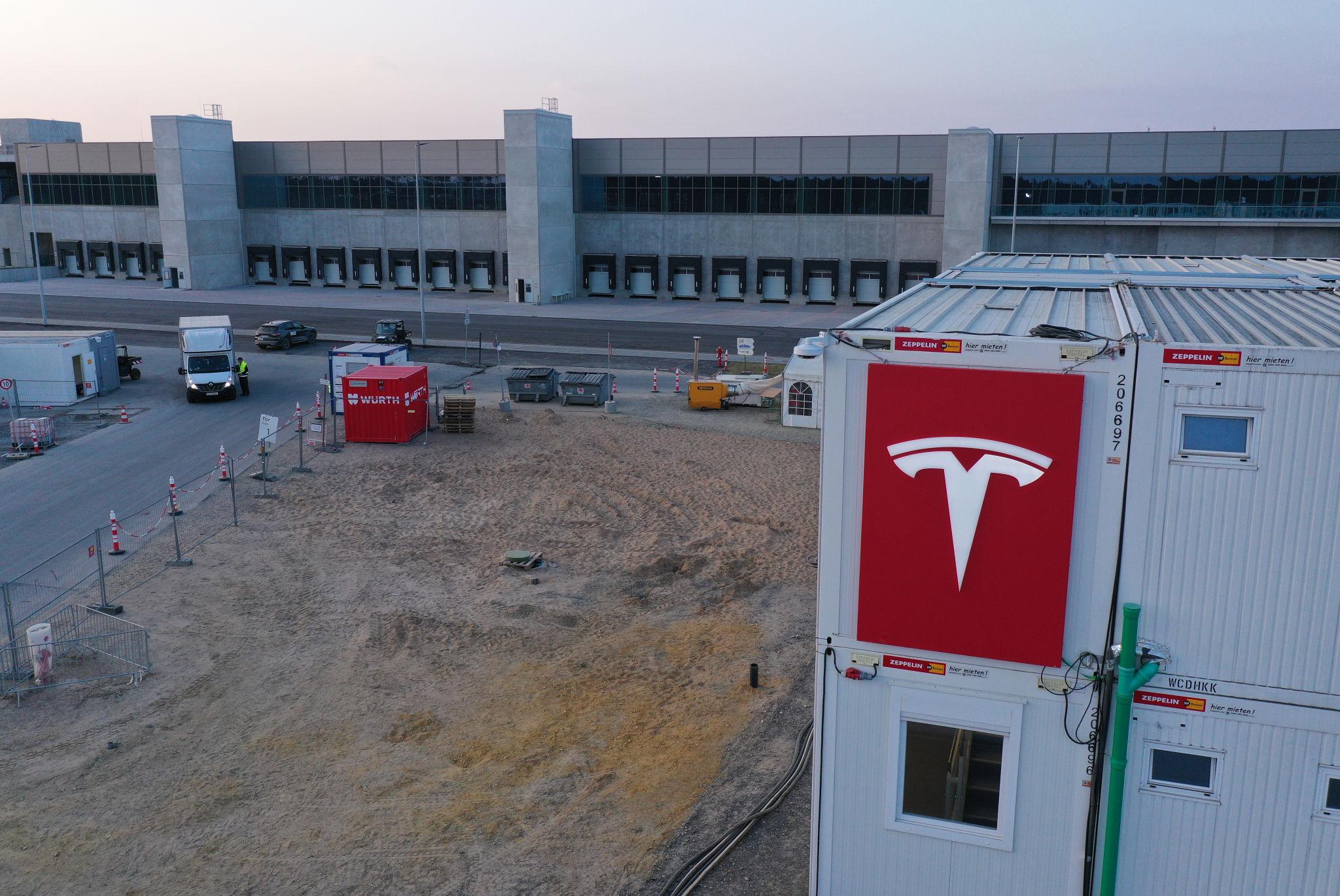
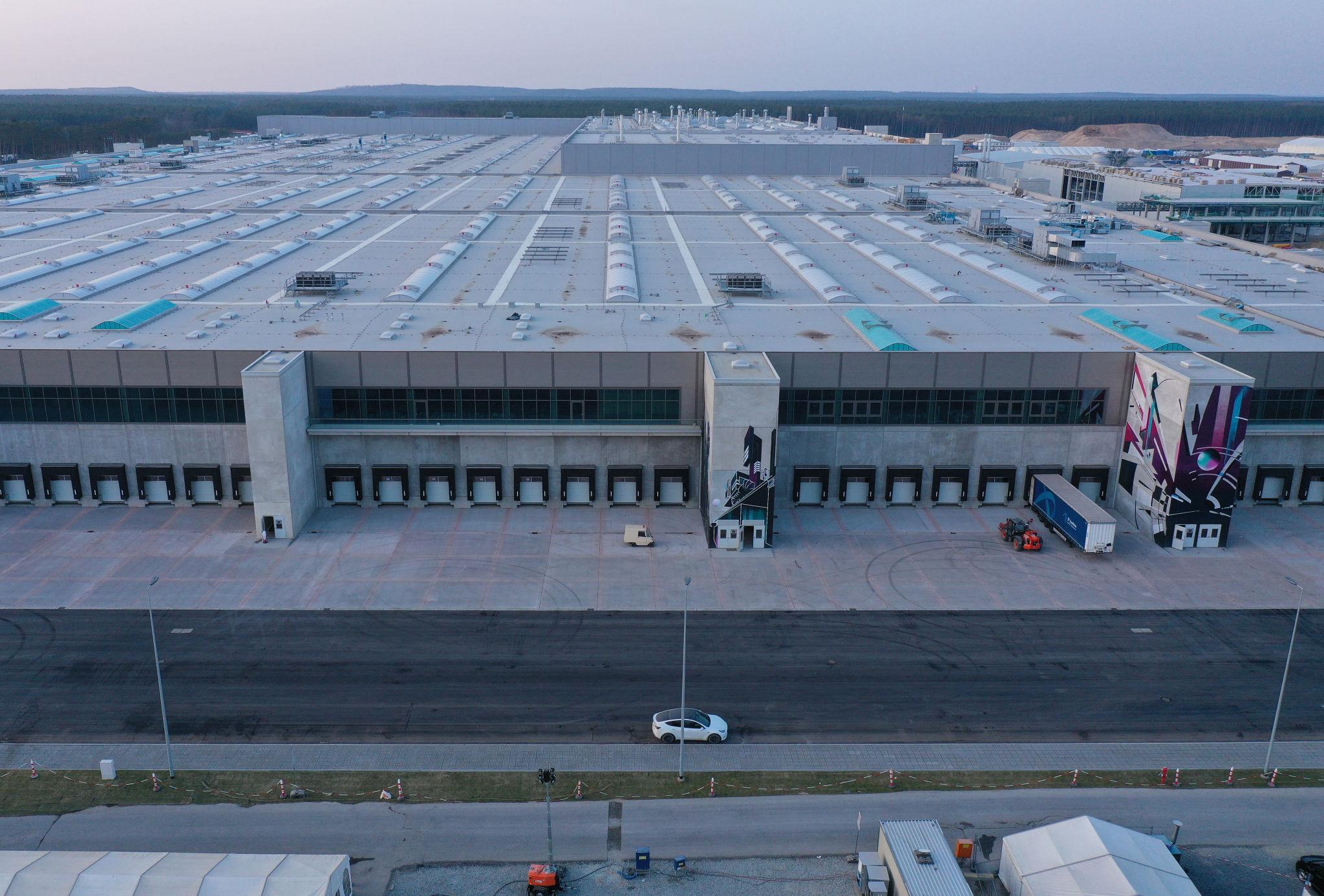
Tesla’s Berlin Gigafactory is one of the company’s most important production facilities outside the United States. Built to supply electric vehicles to the European market, the factory represents a major investment in the region’s transition toward sustainable transportation. With thousands of workers already employed at the facility and expansion plans still underway, the German union Tesla negotiations now represent a significant moment in shaping how modern technology companies interact with Europe’s established labor traditions.
The discussions highlight a broader challenge facing many emerging industries. As companies introduce new technologies and production models, they must also adapt to the economic and social frameworks that exist within the countries where they operate. In Germany, worker representation has long been a defining feature of industrial success.
Tesla’s Berlin Gigafactory and Its Growing Influence
Tesla’s decision to build a Gigafactory near Berlin marked a historic moment for Europe’s electric vehicle industry. Germany has long been considered the heart of the continent’s automotive manufacturing sector. By establishing a production facility in Brandenburg, Tesla positioned itself directly within one of the most competitive automotive environments in the world.
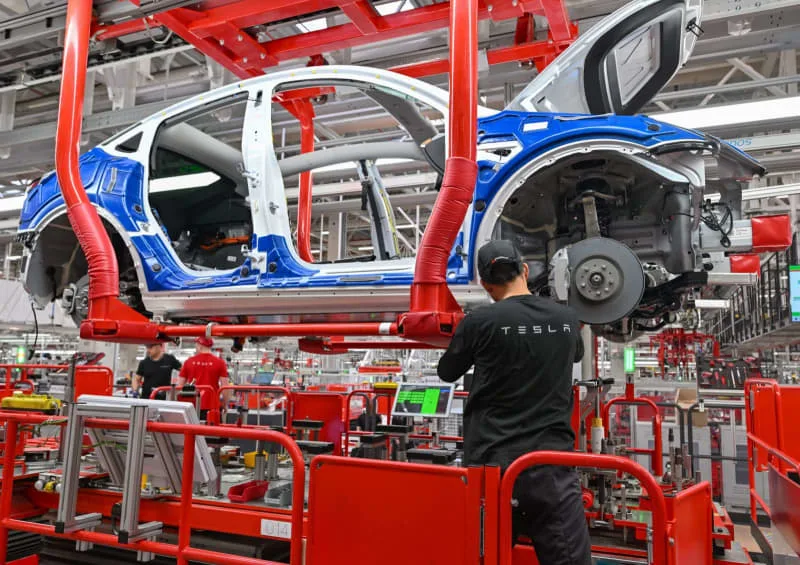
The factory produces electric vehicles for customers throughout the European Union and has quickly become one of the most technologically advanced manufacturing plants in the region. Robotics, automated assembly systems, and advanced battery technologies all play a central role in the facility’s operations.
As the workforce has expanded, the importance of structured communication between employees and management has grown. This development has placed the German union Tesla negotiations at the center of a broader conversation about labor relations in emerging industries.
The Gigafactory’s continued growth has also made it one of the largest industrial employers in the Brandenburg region. Local communities have experienced economic growth as suppliers, logistics companies, and infrastructure services expand alongside Tesla’s presence.
Labor Groups Seek Stronger Worker Representation
Germany’s labor organizations have long played a key role in shaping the country’s industrial success. The nation’s cooperative labor model encourages dialogue between workers and employers to ensure both economic productivity and employee protections.
Labor representatives believe that employees at Tesla’s Berlin facility should have access to similar structures that exist within other German automotive companies. Through the German union Tesla negotiations, unions hope to establish a formal framework that allows workers to participate in decisions affecting workplace safety, scheduling, and long term employment planning.
The negotiations are not only about wages or benefits. They also reflect a broader discussion about how employees can maintain a voice within rapidly evolving industries driven by advanced technology.
Supporters of the German union Tesla negotiations argue that worker representation helps companies maintain stability during periods of rapid growth. When employees feel their concerns are heard, productivity and morale often improve.
Workplace Dynamics Inside Tesla’s Berlin Factory
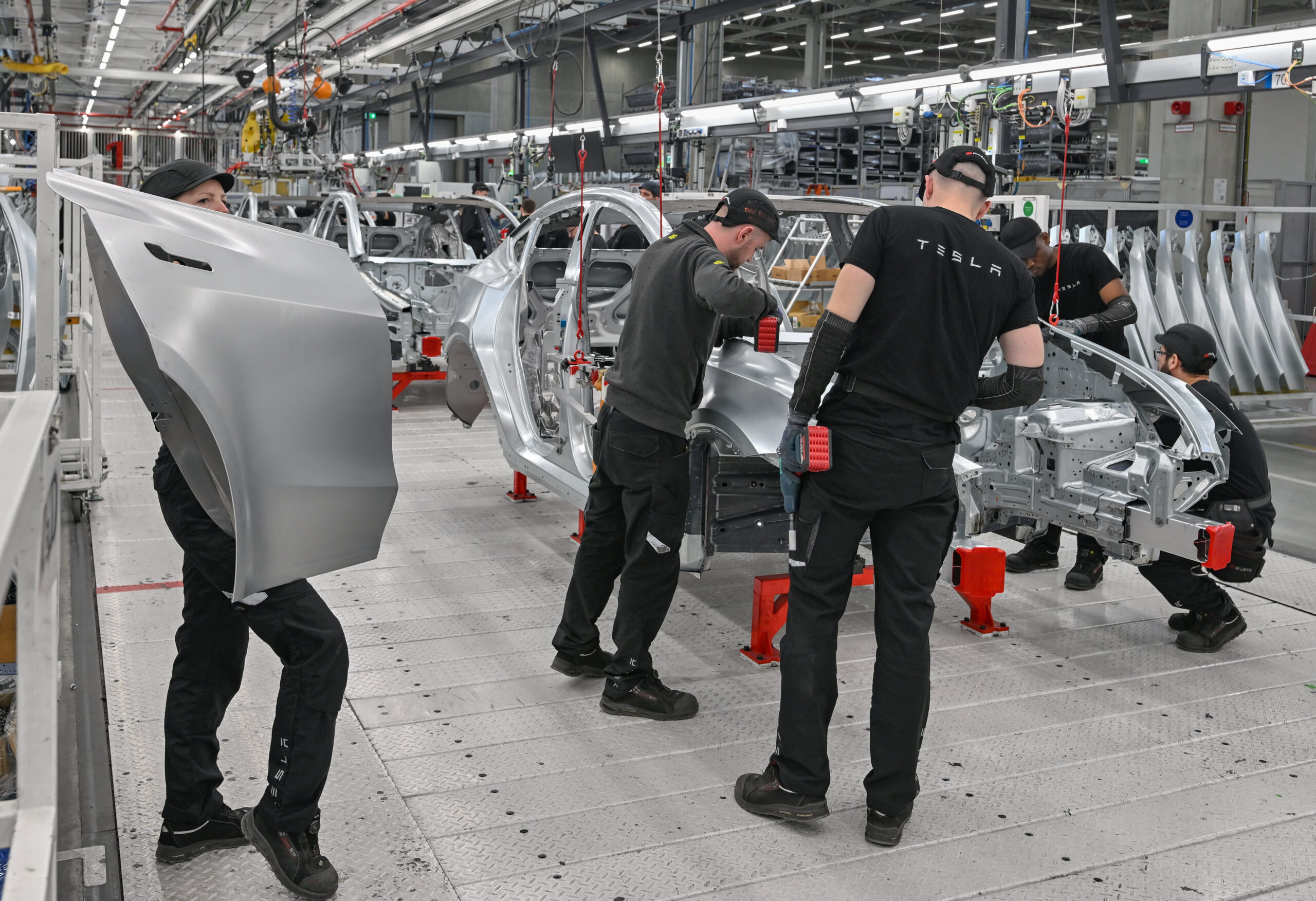
Employees working inside the Gigafactory perform a wide range of highly specialized tasks. Electric vehicle manufacturing requires precise coordination between automated robotics systems and skilled human labor.
Workers oversee production lines, maintain equipment, assemble vehicle components, and ensure strict quality standards are met. These responsibilities require constant attention and efficiency, particularly as Tesla works to increase production levels to meet European demand.
Some workers have raised concerns about the pace of production and the challenges associated with maintaining work life balance during periods of rapid expansion. These concerns have contributed to the importance of the German union Tesla negotiations, which aim to create structured dialogue between employees and management.
By establishing communication channels through worker representatives, labor groups believe many workplace issues could be addressed more effectively.
Tesla Management Strategy and Workplace Culture
Tesla’s leadership approach is widely known for emphasizing rapid innovation, fast decision making, and flexibility in manufacturing operations. The company has built its global reputation by developing advanced technologies quickly and bringing them to market faster than many traditional automotive manufacturers. This fast paced culture has helped Tesla reshape the global automotive industry and become a dominant force in the transition toward electric mobility.
However, operating within Germany introduces a different set of expectations. The country has a deeply rooted system of worker representation and cooperative labor relations that many large manufacturers follow. Because of this environment, the German union Tesla negotiations have become a key point of discussion as Tesla’s corporate culture intersects with Germany’s long established labor participation model.
Germany’s industrial system often operates under the principle of co determination, where workers elect representatives who help participate in certain workplace decisions. This structure has historically helped maintain stable relationships between employees and management across many of the country’s major industries. As the German union Tesla negotiations continue, Tesla may eventually adopt elements of this model or create a customized approach that balances worker involvement with the company’s need to remain flexible and innovative.
Economic Importance of the Berlin Gigafactory
Tesla’s Gigafactory in Grünheide has quickly become one of the most important industrial developments in eastern Germany in recent years. The facility has generated thousands of direct jobs, while also creating opportunities for many additional workers in supply chains, logistics services, and supporting industries. As the plant continues to expand production, its economic influence across the region continues to grow.
The presence of Tesla has also stimulated broader economic activity in surrounding communities. Construction companies, transportation firms, and service providers have all benefited from the factory’s rapid development. At the same time, housing projects and infrastructure improvements have been introduced to accommodate the growing workforce connected to the plant.
Because the factory plays such a major role in the regional economy, the outcome of the German union Tesla negotiations could have long term implications for economic stability in Brandenburg. Local and regional government leaders have shown strong interest in ensuring that Tesla’s investment remains both financially successful and socially responsible. Policymakers believe that maintaining a healthy balance between innovation and worker protections will be essential for sustaining public support for large scale industrial investments.
Historical Context Within Germany’s Automotive Industry
Germany’s automotive industry has experienced similar labor discussions many times throughout its history. After World War II, the country introduced major labor reforms designed to strengthen cooperation between workers and company leadership. These reforms helped establish the system of co determination, which allows employees to elect representatives who participate in company boards and workplace governance.
Over time, this approach became a defining characteristic of Germany’s industrial success. Major automakers such as Volkswagen and BMW developed long standing partnerships with labor unions that helped ensure both strong productivity and stable working conditions. These collaborative relationships allowed companies to expand globally while maintaining strong domestic employment structures.
The German union Tesla negotiations reflect a similar moment of adjustment within the country’s evolving industrial landscape. Just as earlier automotive manufacturers eventually adapted to Germany’s labor participation model, Tesla now faces comparable expectations as it expands operations within one of Europe’s most influential manufacturing environments.
A Voice From the Negotiations
Labor representatives involved in the discussions have emphasized that cooperation remains their primary goal.
A union representative said.
“Workers want to contribute to the success of this factory while ensuring their voices are heard in decisions affecting their daily work,”
The statement reflects the broader philosophy behind the German union Tesla negotiations, which many observers view as an effort to strengthen collaboration rather than create confrontation.
Constructive dialogue between workers and management has historically helped many German companies maintain stability during periods of technological change.
Impact on Europe’s Electric Vehicle Industry
The outcome of the German union Tesla negotiations may influence how other electric vehicle manufacturers approach labor relations in Europe. As governments push for rapid adoption of electric mobility, new factories producing batteries and EV components are appearing across the continent.
Many of these facilities are being built by companies with limited experience operating within Europe’s traditional labor systems. The developments in Berlin could therefore serve as an important example for how emerging industries integrate into established economic frameworks.
If a cooperative solution is reached, it could provide a blueprint for balancing technological innovation with worker participation across the EV sector.
What Could Happen Next
Negotiations between Tesla and labor representatives are expected to continue as both sides explore possible solutions. Some analysts believe the discussions could lead to the creation of a works council within the factory, a development that could emerge directly from the ongoing German union Tesla negotiations.
Others believe Tesla may introduce alternative forms of employee engagement designed to address worker concerns while maintaining the company’s flexible management style. These ideas are also being discussed as part of the broader German union Tesla negotiations, which aim to find common ground between innovation and worker participation.
Regardless of the specific outcome, the German union Tesla negotiations demonstrate the importance of adapting industrial relationships to match the rapid pace of technological innovation.
Tesla’s Berlin Gigafactory is expected to remain a critical component of the company’s European strategy for many years to come. As production expands and the workforce grows, the progress of the German union Tesla negotiations and continued communication between employees and management will likely become even more important.