

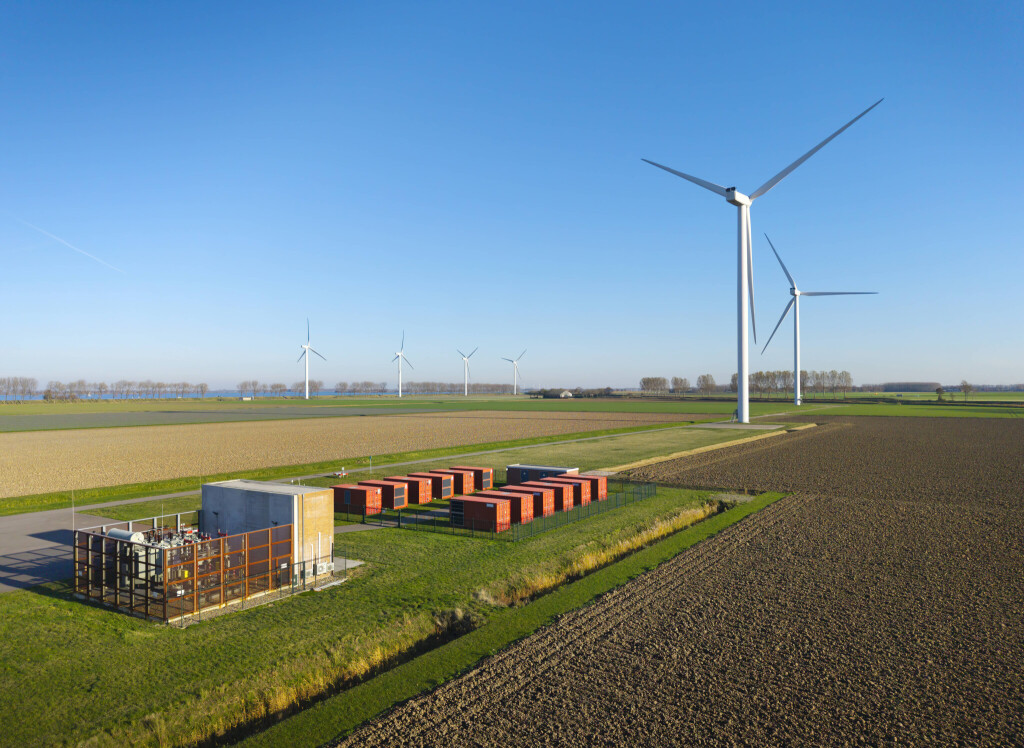
Germany’s energy transition gains momentum as large scale battery projects accelerate nationwide in 2026.
Investors and policymakers are positioning storage as a critical pillar of grid stability and renewable integration.
Industry leaders say the Germany energy storage market is entering its most decisive growth phase yet in Berlin 2026.
Berlin, Germany, March 3, 2026 — According to Parliament News, that The Germany energy storage market is entering a defining chapter as battery infrastructure moves from supporting role to central pillar in the country’s energy system. With renewable energy generation at record levels and electrification accelerating across transportation and heating sectors, storage capacity is no longer a future ambition. It is a present necessity. Policymakers, investors, and grid operators agree that 2026 represents a critical year for expanding flexible energy resources that can keep the system stable while pushing forward climate targets.
• Battery deployment is expanding rapidly across federal states
• Institutional capital is flowing steadily into storage infrastructure
• Energy security and grid reliability are key drivers in 2026
Why Storage Has Become Essential
Germany’s renewable transition has been widely recognized as one of the most ambitious in the world. Wind turbines rotate across northern plains and offshore waters, while solar panels cover rooftops and fields in the south. Yet renewables come with a structural challenge: variability.
The Germany energy storage market addresses that variability by allowing surplus electricity to be captured and redistributed when demand rises or generation dips. In practical terms, storage ensures that renewable power does not go to waste during high production hours and that households and industries continue receiving electricity during calm or cloudy periods.
In 2026, storage is no longer seen as experimental or optional. It is a stabilizing force that enables Germany to continue expanding renewable capacity without risking grid instability.
Investment Momentum Builds
The Germany energy storage market is benefiting from strong institutional interest. Infrastructure funds, insurance groups, and pension investors are allocating capital to large scale battery systems. These investors view storage as a reliable long term asset class capable of generating stable returns through diversified revenue streams.
Battery projects can earn income by participating in frequency regulation markets, balancing reserves, and capacity mechanisms. This mix of revenue sources reduces exposure to wholesale price volatility. For investors seeking predictable performance in an uncertain economic climate, storage assets offer both resilience and sustainability credentials.
Developers report that financing discussions in 2026 are smoother than in previous years. Regulatory clarity and demonstrated operational success have strengthened confidence across financial institutions.
Regional Deployment and Grid Bottlenecks
One of the defining characteristics of the Germany energy storage market is its regional distribution. Northern Germany produces significant wind energy, while southern regions often consume more electricity than they generate. Transmission constraints between these regions have long posed operational challenges.
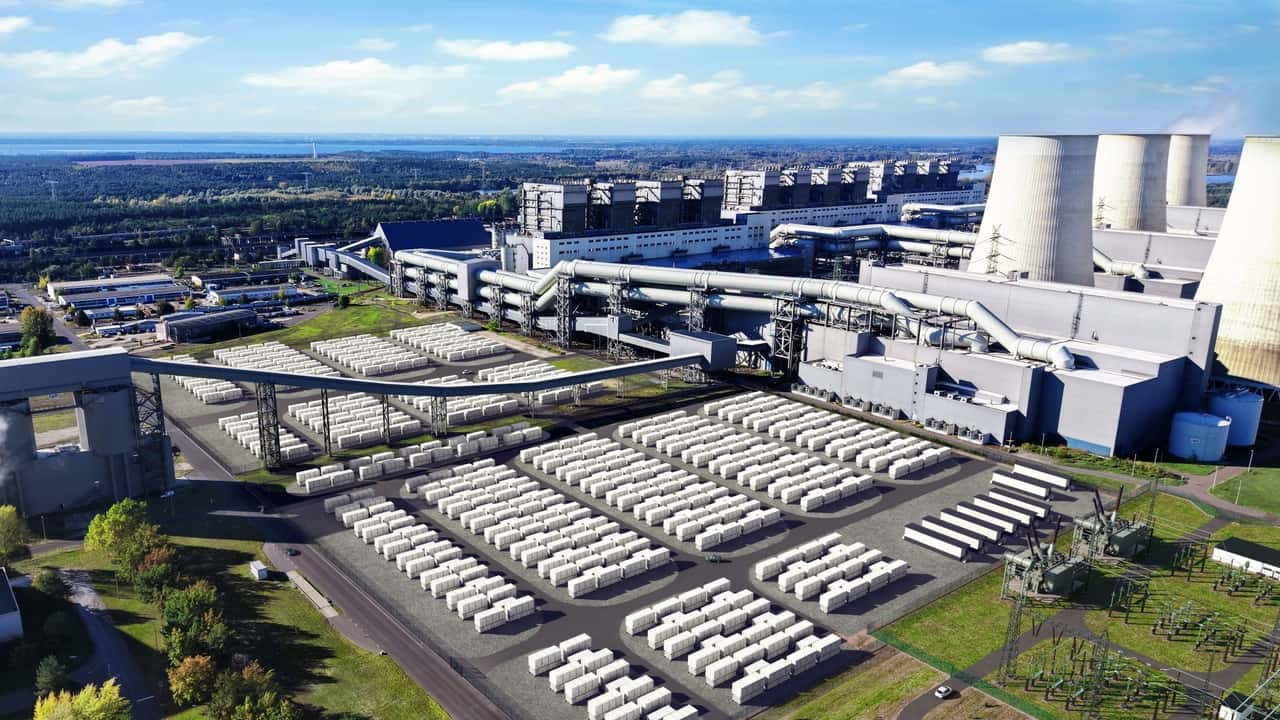
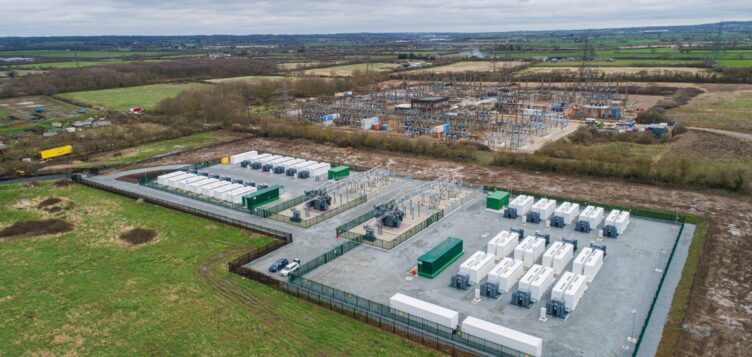
Battery storage systems are increasingly deployed near congestion points to balance supply and demand locally. By reducing the need to transport electricity across long distances, storage alleviates pressure on transmission infrastructure and enhances grid flexibility.
This regional strategy reflects a more decentralized approach to energy management. Instead of relying solely on large central power plants, Germany is building a network of flexible nodes capable of responding quickly to fluctuations.
Electrification Intensifies Demand
Electric vehicles are becoming more common on German roads. Heat pumps are replacing traditional heating systems in residential buildings. Industrial processes are shifting toward electric power sources. These trends collectively increase peak load variability.
The Germany energy storage market plays a vital role in smoothing these demand surges. During evening hours when electric vehicle charging peaks, storage facilities can release previously stored energy. During low demand periods, they can recharge efficiently.
Electrification strengthens the case for storage by adding complexity to demand patterns. As society becomes more dependent on electricity, reliability becomes even more critical.
Technology and Operational Efficiency
Technological progress has significantly improved battery performance. Modern systems are more durable, efficient, and digitally integrated than their predecessors. Real time monitoring software enables operators to optimize dispatch decisions and extend battery life.
The Germany energy storage market benefits from these innovations by reducing operational risk and improving profitability. Predictive maintenance tools minimize downtime and extend asset lifespan. Safety standards have also advanced, increasing public confidence in large scale installations.
While lithium ion batteries remain dominant, research into alternative chemistries continues. Diversification may reduce material dependency and enhance sustainability over time.
Economic and Community Impact
Beyond technical and financial dimensions, the Germany energy storage market has tangible local effects. Construction projects create jobs in engineering, logistics, and skilled trades. Regions transitioning away from coal or other traditional industries find new opportunities through renewable and storage development.
Municipal governments often welcome storage projects for their tax contributions and infrastructure modernization benefits. In some cases, former industrial sites are repurposed for battery installations, symbolizing economic transformation.
Communities also benefit indirectly through improved grid reliability. Fewer disruptions and stronger resilience enhance quality of life and business continuity.
Challenges Facing the Sector
Despite robust growth, the Germany energy storage market faces real challenges. Global supply chains for battery materials remain competitive and occasionally constrained. Fluctuations in commodity prices can influence project economics.
Regulatory adjustments require ongoing adaptation. Grid service compensation models evolve as authorities refine market structures. Developers must remain agile, balancing long term contracts with exposure to spot markets.
However, industry participants emphasize that these challenges are manageable within the broader context of expansion. Demand for flexible infrastructure remains structurally strong.
Historic Comparison and Lessons Learned
To fully appreciate today’s momentum, it is important to look back at the early phases of Germany’s renewable expansion. In the early 2000s, the country’s focus centered primarily on incentivizing solar and wind generation through feed in tariffs. Storage technology at that time was expensive, limited in scale, and often considered impractical for grid level deployment.
Grid operators relied heavily on conventional fossil fuel plants to compensate for renewable variability. Storage was discussed in policy circles but lacked economic viability and technological maturity. Compared to that period, the Germany energy storage market in 2026 represents a fundamentally different landscape. Costs have declined, efficiency has improved, and market mechanisms now support large scale deployment. What was once a conceptual solution has become operational reality.
Energy Security in a Changing World
Energy security has taken on renewed importance in recent years. Geopolitical tensions and supply chain disruptions have highlighted the vulnerability of traditional energy systems. Domestic renewable generation combined with robust storage capacity enhances national resilience.
The Germany energy storage market contributes directly to this resilience by reducing dependence on imported fuels and enabling more efficient use of local renewable resources. In a volatile global environment, flexible domestic infrastructure provides strategic stability.
Citizens may not see battery installations daily, but they benefit from the continuity these systems ensure. Hospitals, transport networks, and digital communications all rely on uninterrupted power.
Industry Perspective
One senior grid strategist explained the transformation clearly.
“Energy storage has become the quiet backbone of our renewable future. Without it, the transition would stall under its own complexity.”
This perspective reflects a broader consensus across utilities and investors. Storage is no longer peripheral. It is embedded in planning models and investment strategies.
Long Term Outlook Through 2030
Looking ahead, the Germany energy storage market is expected to maintain strong expansion through the remainder of the decade. Development pipelines remain active across multiple regions, and financing structures are now more mature and accessible than in earlier growth phases. Market observers believe consolidation will continue as operators expand portfolios, optimize performance, and improve operational efficiency.
As electrification accelerates across transportation, heating, and industrial sectors, the Germany energy storage market will become even more valuable in balancing demand fluctuations. Supportive policy frameworks tied to climate neutrality objectives further strengthen the long term case for continued storage deployment.
By 2030, the Germany energy storage market will likely be fully embedded within the national energy system, operating in close coordination with renewable generation and advanced grid management technologies to ensure reliability and resilience.
The Human Side of Infrastructure
Infrastructure discussions often focus on megawatts and investment figures. Yet behind every project are individuals whose daily lives depend on reliable electricity. Families rely on stable heating and lighting. Businesses depend on uninterrupted operations.
The Germany energy storage market ultimately serves these human needs. It ensures that renewable ambition translates into dependable service. As Germany navigates its energy transformation, storage stands as a bridge between environmental responsibility and practical reliability.
The Germany energy storage market in 2026 marks a significant step in the country’s energy evolution. Through investment, innovation, and regulatory clarity, battery infrastructure has become a cornerstone of grid stability and climate strategy.
What began as a supplementary technology has matured into a central asset class. As renewable capacity expands and electrification deepens, storage will remain indispensable. Germany’s ability to balance ambition with reliability will depend heavily on the continued growth and integration of its storage systems.
The story of 2026 is not simply about megawatts added. It is about a nation refining its energy model to meet future demands while safeguarding stability. In that journey, storage is no longer in the background. It stands at the center of Germany’s sustainable future.