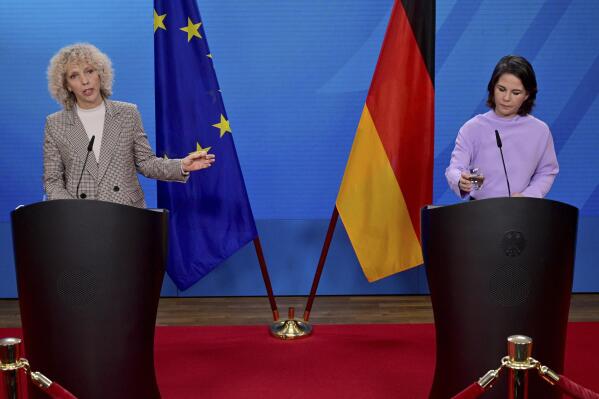
Berlin, Germany, January 2026, parliament news highlights how Europe’s political gravity has once again shifted toward the German capital. Senior officials, diplomats, and analysts are closely watching developments as Germany foreign policy moves through one of its most consequential periods in recent years. The timing is significant, coming amid persistent geopolitical tensions and renewed diplomatic activity involving major global actors.
Berlin’s central role reflects more than geography. Germany’s political decisions often act as reference points for Europe, influencing both tone and direction across the continent. As negotiations and consultations unfold, the spotlight remains firmly fixed on how Germany chooses to navigate competing pressures.
Germany’s Diplomatic Weight in Europe
Germany’s influence within Europe is rooted in its economic strength, political stability, and historical commitment to multilateralism. Over decades, Berlin has positioned itself as a consensus builder, preferring dialogue and institutional cooperation over confrontation. Today, Germany foreign policy continues to draw on that legacy while adapting to a more fragmented international environment.
European partners frequently look to Germany for cues during periods of uncertainty. This expectation places added responsibility on Berlin to balance national interests with broader continental priorities, ensuring cohesion at a time when unity is frequently tested.
The Strategic Context of 2026
The year 2026 has introduced fresh challenges to international diplomacy. Global power dynamics are increasingly complex, with shifting alliances and evolving security concerns. Against this backdrop, Germany foreign policy must address both immediate diplomatic questions and longer-term structural issues affecting Europe’s role in the world.
German officials emphasize that today’s environment requires flexibility without abandoning principle. This approach seeks to preserve credibility while allowing space for pragmatic engagement.
Russia and the Limits of Engagement
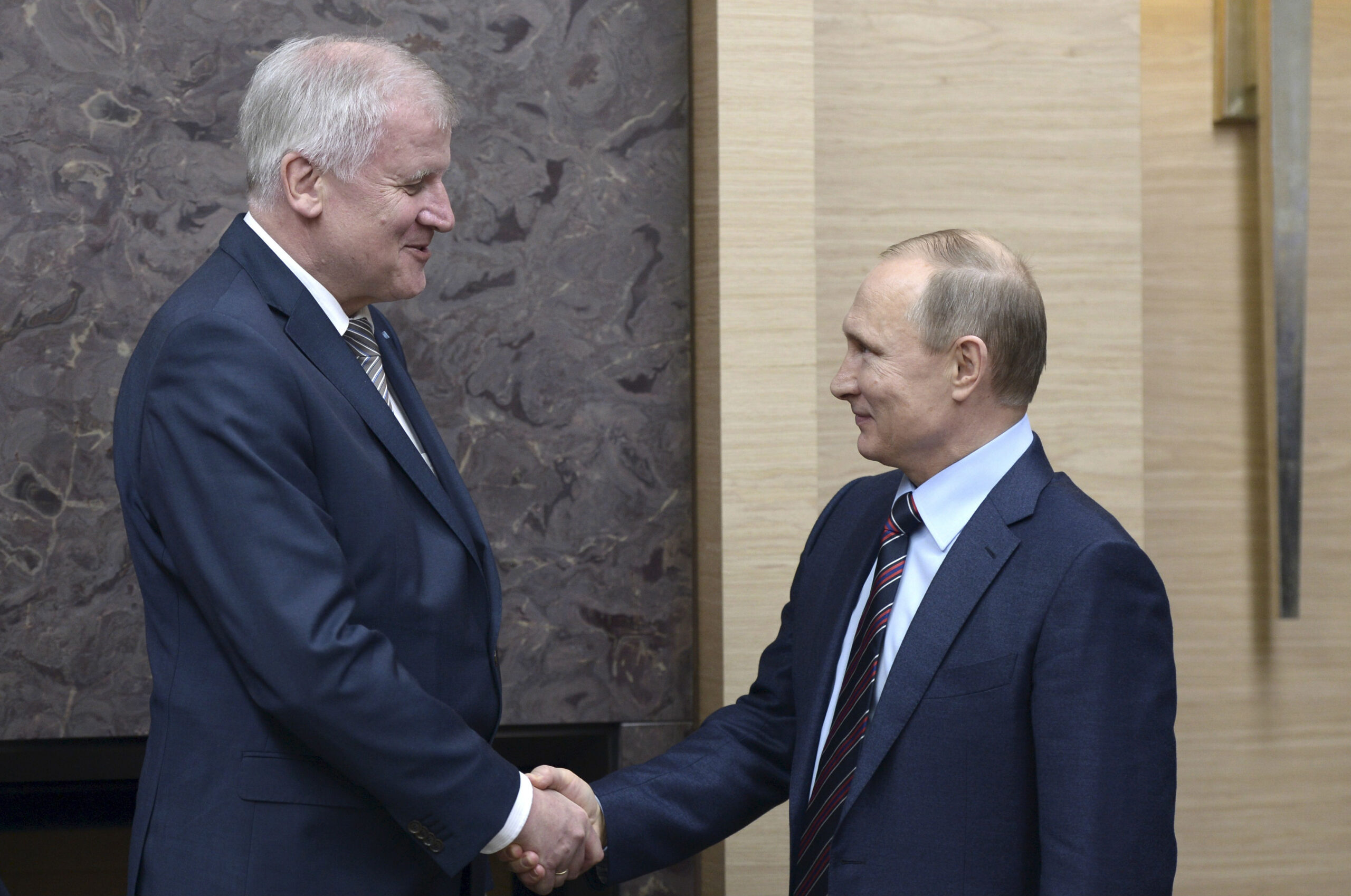
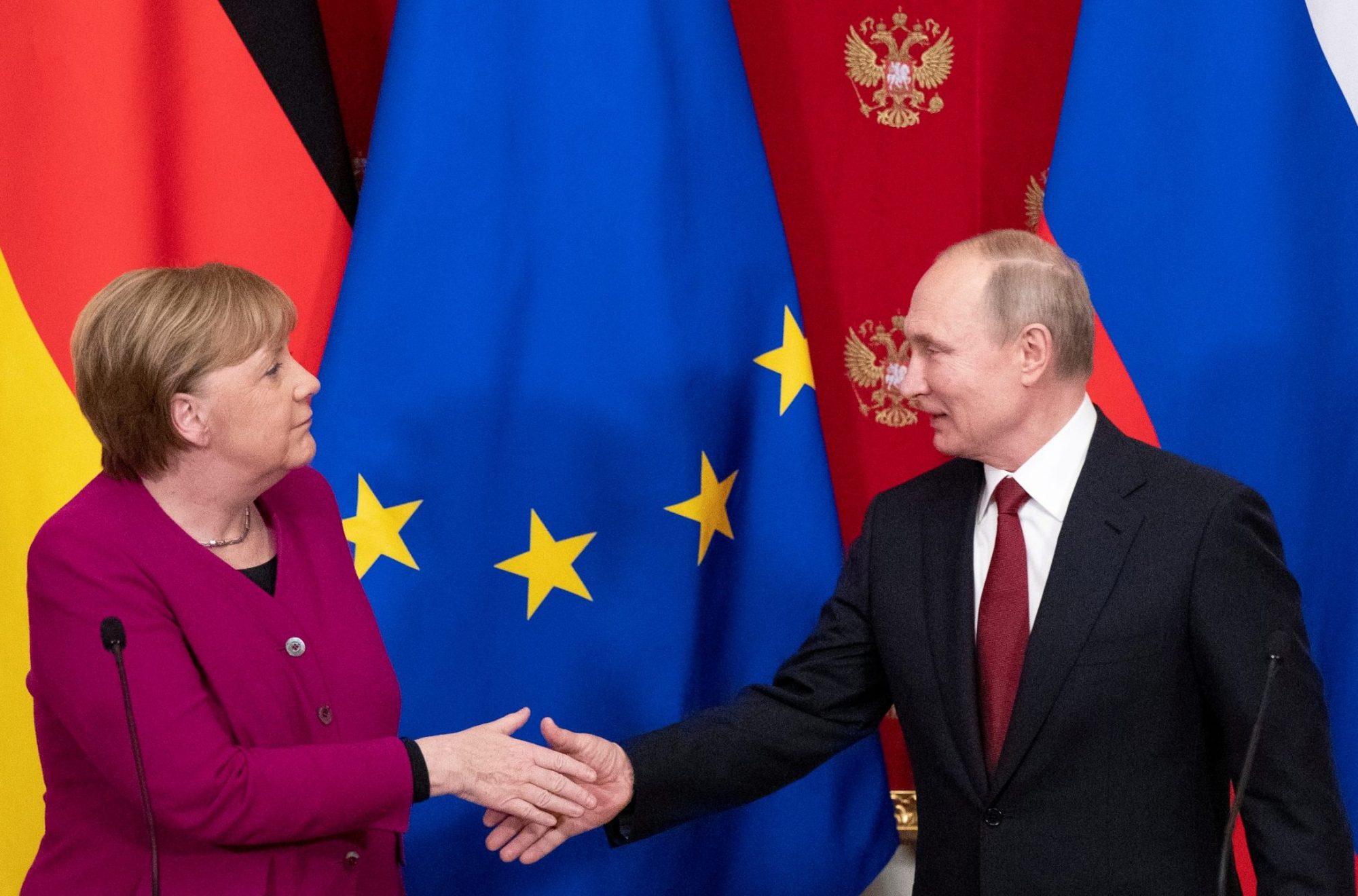
Relations with Russia remain one of the most sensitive aspects of Germany’s external relations. Dialogue has continued through various channels, including meetings hosted by the United Arab Emirates, yet progress has been uneven. Within policy circles, Germany foreign policy is shaped by a growing recognition that engagement alone may not deliver rapid change.
German diplomats argue that maintaining communication is essential to prevent escalation, even when substantive breakthroughs remain elusive. This cautious realism now defines much of Berlin’s approach.
The UAE’s Role as a Diplomatic Venue
The UAE has emerged as a notable facilitator of international dialogue, offering a neutral setting for discussions involving states with strained relations. For Germany, participation in such forums aligns with its commitment to diplomacy. Still, Germany foreign policy planners are careful not to overstate the influence of location on outcomes.
Abu Dhabi’s contribution lies in sustaining dialogue rather than resolving deep-rooted disagreements. German officials view this as valuable, though limited, support for broader diplomatic efforts.
European Unity as a Strategic Priority
Maintaining European cohesion remains central to Germany’s external strategy. Berlin consistently stresses that fragmented approaches weaken collective leverage. In this context, Germany foreign policy functions as both an anchor and a guide for joint European positions.
Coordination with partners ensures that Germany’s actions reinforce shared objectives, particularly in areas related to security, sanctions, and diplomatic messaging.
Domestic Debate and Political Accountability
Inside Germany, foreign policy decisions are subject to intense scrutiny. Parliamentary debates, expert commentary, and public discussion all shape the environment in which policy is formed. These dynamics influence how Germany foreign policy is explained and defended domestically.
Citizens increasingly expect transparency and results, pressing leaders to demonstrate that diplomatic engagement serves national and European interests alike.
Economic Considerations and Energy Security
Economic stability and energy security are inseparable from diplomacy. Germany’s industrial base depends on reliable access to energy and open trade routes. As a result, Germany foreign policy integrates economic resilience into its strategic calculations.
Officials argue that sustainable diplomacy must safeguard economic interests while supporting broader stability, a balance that has become more delicate in recent years.
Security Concerns and Strategic Deterrence
Security considerations loom large in current discussions. Germany has taken steps to strengthen defense cooperation within Europe while reaffirming its commitment to NATO. These measures complement diplomatic efforts, ensuring that Germany foreign policy rests on both dialogue and credible deterrence.
The aim is not confrontation, but reassurance—both for allies and for domestic audiences.
Signals Sent Beyond Europe
Germany’s actions resonate far beyond Europe. Allies in North America and partners in Asia closely observe Berlin’s diplomatic posture. Consistency and predictability are seen as assets, reinforcing trust in Germany’s leadership. Through this lens, Germany foreign policy operates as a signal of Europe’s broader intentions.
Global observers interpret Germany’s measured tone as an effort to stabilize international relations without escalating tensions.
Managing Long Term Negotiations
Diplomatic processes involving major powers are rarely swift. German officials caution against expecting immediate outcomes, emphasizing patience and persistence. This mindset has become a defining characteristic of Germany foreign policy, prioritizing durability over dramatic gestures.
Such an approach seeks to prevent deterioration even when progress is incremental.
Institutional Strength and Multilateralism
Germany’s commitment to multilateral institutions remains strong. Berlin views international organizations as essential frameworks for managing disputes and coordinating responses. Within this system, Germany foreign policy reinforces rules-based engagement as a cornerstone of global stability.
“Germany’s diplomatic approach reflects a clear effort to combine strategic patience with firm principles at a time of sustained geopolitical uncertainty.”
This emphasis reflects Germany’s historical experience and its belief in cooperative solutions.
Public Communication and Strategic Messaging
How foreign policy is communicated matters. German leaders increasingly focus on clear messaging to domestic and international audiences. By articulating goals and constraints openly, Germany foreign policy aims to build understanding and manage expectations.
Effective communication is seen as vital to sustaining public support for long-term diplomatic strategies.
Assessing Risks and Opportunities
Every diplomatic path carries risks. German policymakers regularly assess potential consequences, weighing opportunities against possible setbacks. This careful evaluation shapes Germany foreign policy, ensuring that decisions are informed by both principle and pragmatism.
The goal is to avoid reactive policymaking in favor of deliberate, strategic choices.
The Role of Leadership
Leadership style influences diplomatic outcomes. Germany’s leaders emphasize continuity and restraint, projecting stability in uncertain times. This approach underpins Germany foreign policy, reinforcing confidence among partners and allies.
Consistency is viewed as a strength, particularly during prolonged periods of tension.
Looking Toward the Next Phase
As discussions continue into the coming months, Germany’s approach is expected to remain steady. Policymakers anticipate gradual developments rather than sudden breakthroughs. The evolution of Germany foreign policy will likely reflect accumulated experience and lessons learned from ongoing engagement.
Berlin’s objective is to maintain influence while preserving flexibility in a changing world.
Global Context and Shifting Power Dynamics
International relations in 2026 are shaped by competition, cooperation, and uncertainty. Navigating this environment requires adaptability. Within this context, Germany foreign policy seeks to balance national interests with global responsibilities.
Germany’s strategy acknowledges that stability depends on managing change rather than resisting it outright.
Diplomacy Built on Endurance, Not Illusion
The current moment represents a defining chapter for Germany’s role on the world stage. Decisions taken in Berlin will influence Europe’s diplomatic posture and its relationships with major powers. Through careful calibration, Germany foreign policy aims to uphold stability, unity, and credibility in an increasingly complex international landscape.