
Berlin, Germany — March 19, 2026 — Parliament Politics Magazine — Germany industrial energy crisis is intensifying as a top U.S. counterterrorism official resigns in protest of Washington’s military stance toward Iran, while European leaders warn that rising energy costs could force major industries to shut down or relocate.
The unfolding situation is rapidly evolving into both a geopolitical and economic emergency, with Germany at the center of mounting concerns over long-term industrial stability.
Shock Resignation Highlights Deep Policy Divide
The sudden resignation of a senior U.S. counterterrorism official has raised serious questions about internal disagreements over the expanding conflict with Iran. According to sources, the official opposed the escalation, warning of unintended global consequences.
A senior intelligence insider revealed:
“This is more than a resignation—it’s a warning signal from inside the system that the current path may carry severe risks.”
The decision has sparked widespread debate across security and political circles, adding pressure on policymakers already navigating a volatile international environment.
Germany Issues Stark Economic Warning
Germany’s government has issued urgent warnings about the growing Germany industrial energy crisis, cautioning that soaring energy prices could cripple its manufacturing sector.
Officials emphasized that continued instability in the Middle East could disrupt critical oil and gas supplies, leading to sustained cost increases for European industries.
A German economic official stated:
“If energy costs continue rising at this pace, we risk losing key industries to other regions where energy is more affordable and stable.”
This warning reflects growing fears that Europe’s industrial backbone could weaken significantly under prolonged energy pressure.
Energy Markets React to Escalating Conflict
Global energy markets have already begun reacting to the situation. Oil prices have surged amid fears of supply disruptions, while natural gas prices in Europe continue to climb.
Key drivers behind the volatility include:
- Increased military activity threatening energy infrastructure
- Potential disruptions to major shipping routes
- Heightened geopolitical tensions affecting supply chains
These developments are accelerating the Germany industrial energy crisis, placing additional strain on businesses already grappling with high operational costs.
Manufacturing Sector Under Pressure
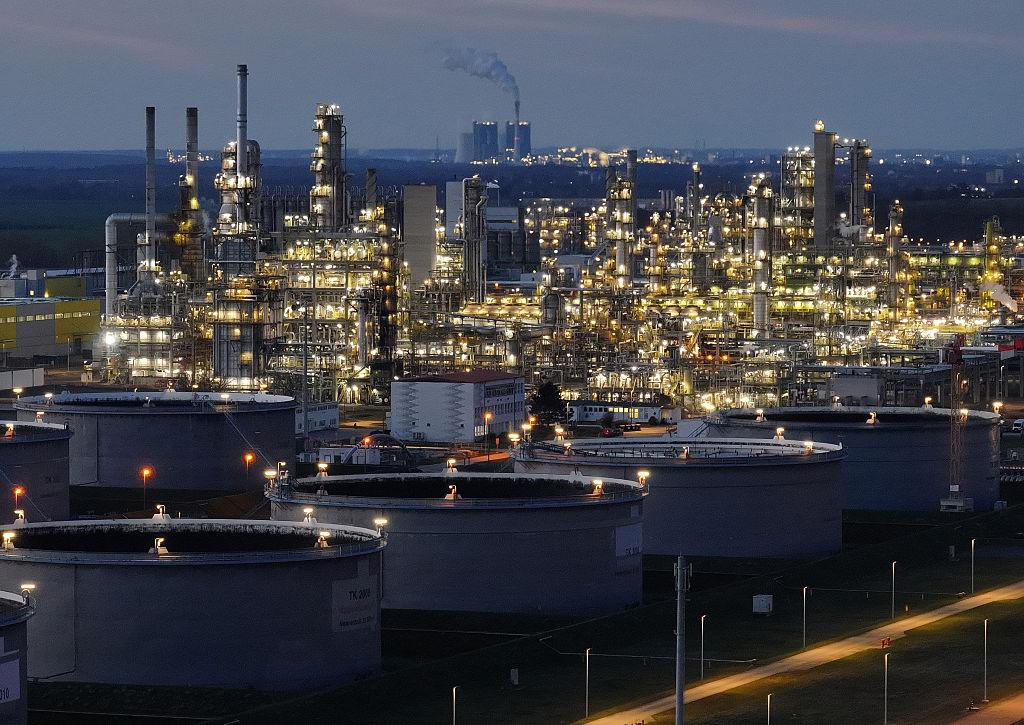
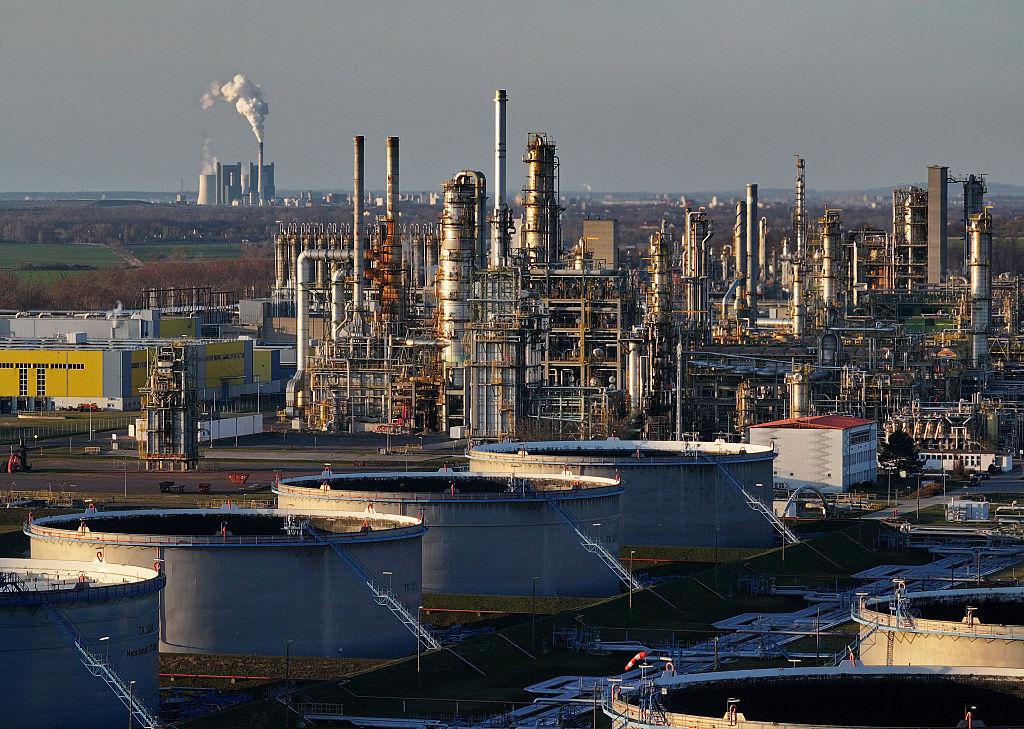
Germany’s manufacturing sector, a cornerstone of its economy, is facing mounting challenges as energy costs surge. Industries such as automotive, chemicals, and heavy machinery are particularly vulnerable.
Many companies are now considering drastic measures, including:
- Reducing production levels
- Passing increased costs to consumers
- Relocating operations to countries with lower energy costs
This shift could have long-term consequences for employment and economic growth across Europe.
Business Leaders Voice Concern
Industry leaders have begun speaking out about the risks associated with the ongoing crisis. Several executives have warned that without immediate action, Europe could face a significant industrial downturn.
Reports suggest that some firms are already exploring relocation options, signaling a potential shift in global manufacturing dynamics.
The Germany industrial energy crisis is no longer a future risk—it is becoming a present reality for businesses across multiple sectors.
U.S. Policy Debate Intensifies After Resignation
The resignation of the counterterrorism official has fueled debate within the United States about the direction of foreign policy. Critics argue that escalating tensions with Iran could lead to broader instability and economic fallout.
Supporters of the current strategy maintain that firm action is necessary to address security threats, but the resignation highlights growing divisions within the national security community.
Global Ripple Effects Expand
The crisis is not confined to Europe. The Germany industrial energy crisis is part of a broader global impact stemming from rising geopolitical tensions.
Countries around the world are facing:
- Increased energy costs
- Disruptions in trade and supply chains
- Greater market volatility
These ripple effects underscore the interconnected nature of modern economies and the far-reaching consequences of regional conflicts.
Europe Faces Strategic Crossroads
European leaders are now grappling with difficult decisions. Balancing security commitments with economic stability is becoming increasingly challenging as the crisis unfolds.
Germany’s warning serves as a wake-up call for policymakers across the continent, highlighting the urgent need for coordinated action.
Calls for diplomatic solutions are growing louder as the economic stakes continue to rise.
Public Pressure Mounts Across Europe
Rising energy prices and economic uncertainty are fueling public concern. Citizens across Europe are beginning to feel the impact, leading to increased political pressure on governments.
Protests, debates, and calls for accountability are emerging, reflecting widespread anxiety about the future.
The Germany industrial energy crisis is quickly becoming a central issue in political discourse.
A Critical Moment for Global Stability
The convergence of geopolitical conflict and economic instability marks a critical moment for global stability. The resignation of a senior official, combined with Germany’s warnings, underscores the seriousness of the situation.
Experts believe that decisions made in the coming weeks could shape the trajectory of both the conflict and the global economy.
What Lies Ahead?
The future remains uncertain as tensions continue to escalate. Key questions include:
- Will diplomatic efforts succeed in reducing tensions?
- Can energy markets stabilize in the short term?
- How will industries adapt to prolonged uncertainty?
Stakeholders across governments, businesses, and financial markets are closely monitoring developments.
Crisis Reaches Economic Breaking Point
The Germany industrial energy crisis is rapidly evolving into one of the most significant economic challenges of 2026. The resignation of a top U.S. counterterrorism official highlights internal divisions, while Germany’s warnings point to potentially severe industrial consequences.
As energy prices rise and uncertainty spreads, the world is facing a complex crisis that extends far beyond the battlefield.
Summary:
A top U.S. official resigns over war strategy as Germany warns that rising energy costs could force industries to shut down or leave Europe, signaling a deepening global economic crisis.