

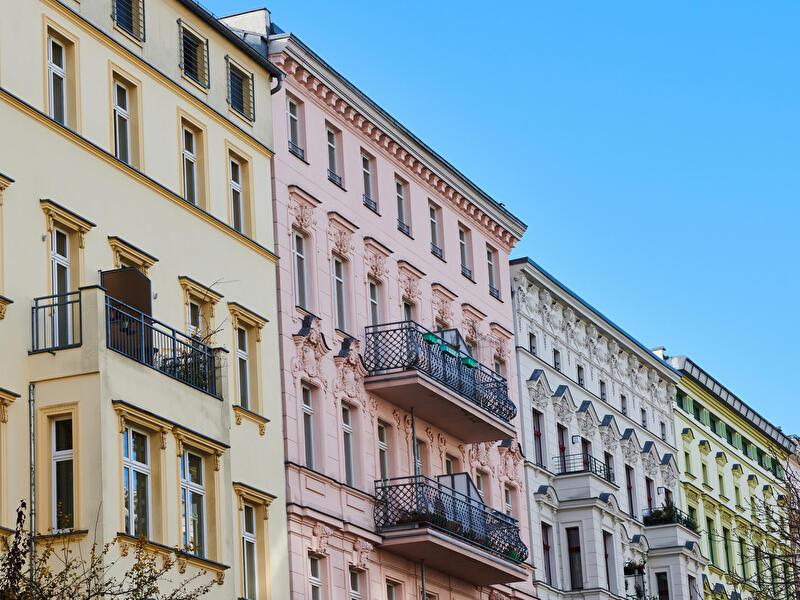
Germany mortgage trends are changing rapidly in 2026 as buyers return to the housing market amid easing financing pressure.
Banks and property analysts say stabilizing interest rates are improving confidence across Germany’s real estate sector.
The latest developments could reshape borrowing activity, property demand, and investment strategies across Europe’s largest economy.
BERLIN, Germany (Parliament Politics Magazine) Germany mortgage trends are drawing growing attention across Europe as stabilizing financing conditions and renewed buyer confidence continue reshaping the country’s housing market during 2026. After years of uncertainty tied to inflation, rising borrowing costs, and slowing property demand, analysts now believe Germany’s mortgage sector may be entering a more balanced recovery phase.
Banks, investors, and property developers are closely monitoring the latest changes as residential activity slowly improves in major German cities including Berlin, Munich, Hamburg, and Frankfurt.
“The market is showing signs of stabilization rather than overheating,”
one housing economist said.
“That is an important distinction for long-term sustainability.”
The latest developments surrounding Germany mortgage trends are also influencing wider European housing discussions as investors search for stable real estate markets amid continued global economic uncertainty.
Germany Mortgage Trends
- Location: Berlin, Germany
- Date: May 11, 2026
- Sector: Housing & Mortgage Finance
- Key Trend: Stabilizing mortgage conditions
- Market Impact: Increased buyer confidence
- Primary Drivers: Interest rate moderation and housing demand
- Economic Concern: Affordability pressures remain
- Investor Activity: Gradually improving across residential markets
- Outlook: Moderate growth expected through 2026
Borrowing Conditions Begin Stabilizing Across Germany
One of the most important developments affecting Germany mortgage trends has been the easing pressure surrounding borrowing costs.
During the previous two years, rapid interest rate increases significantly reduced housing affordability for many German households. Mortgage applications slowed sharply as buyers struggled with higher monthly financing costs and uncertainty surrounding future European Central Bank policy decisions.
Now, the environment appears to be gradually improving.
Several financial institutions say lending activity has started recovering as inflation pressures moderate across the eurozone. Mortgage rates remain elevated compared to historic lows seen before 2022, but consumers are increasingly adapting to current financing conditions.
Analysts say this shift is helping rebuild confidence throughout Germany’s housing market.
Housing Demand Returns to Major Urban Markets
Renewed buyer activity is becoming one of the defining features behind changing Germany mortgage trends during 2026.
Berlin and Munich continue attracting both domestic and international investors due to strong employment markets, technology growth, and persistent housing shortages.
Demand for residential properties has slowly improved after many buyers delayed purchasing decisions during the previous housing slowdown.
“Consumers no longer expect interest rates to return to ultra-low levels,”
one banking strategist explained.
“Instead, they are adjusting to a more normalized lending environment.”
That adjustment is helping stimulate mortgage demand in several major cities where long-term housing needs remain strong.
The recovery remains gradual, but economists believe market stability is improving compared to the volatility seen during earlier periods of financial tightening.
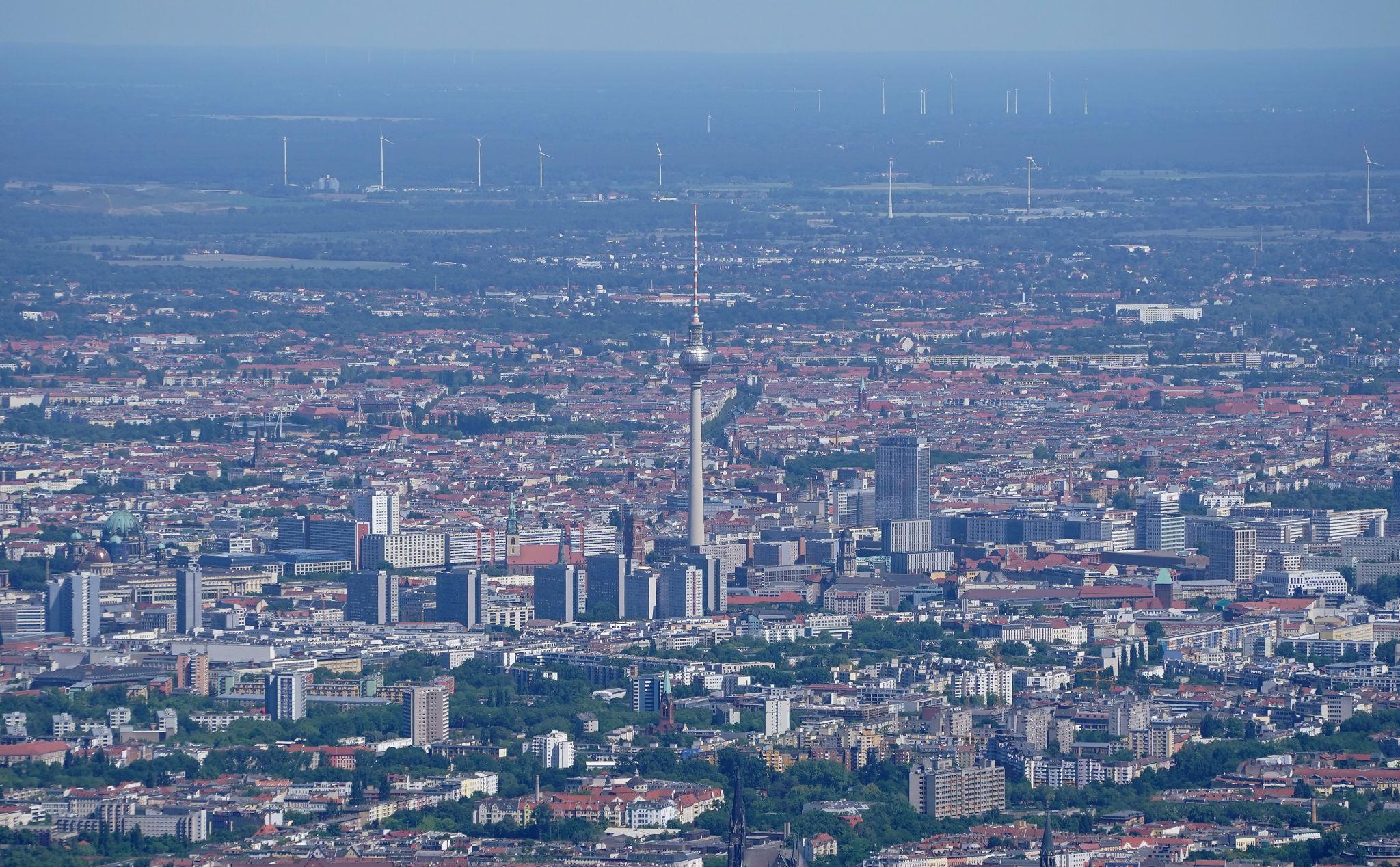
Germany’s Mortgage Market Faces Affordability Pressure
Despite improving confidence, Germany mortgage trends continue facing major affordability concerns across the residential sector.
Housing prices in several major urban centers remain elevated compared to average household income levels. Rising rental costs have also increased financial pressure on younger consumers attempting to enter the property market.
Banks remain cautious about lending standards, particularly for high-value properties and speculative investment projects.
At the same time, many households continue facing uncertainty regarding long-term living expenses, energy prices, and economic growth prospects.
“Affordability remains the largest challenge for the German housing market,”
one real estate consultant stated.
“The recovery is real, but it is not evenly benefiting all consumers.”
That imbalance continues shaping mortgage demand patterns across Germany.
History of Germany’s Mortgage Market Evolution
The history behind Germany mortgage trends reflects decades of conservative banking practices and relatively stable property growth compared to some international housing markets.
Germany traditionally maintained stricter lending requirements than several other European countries, helping limit speculative borrowing during previous global housing booms.
Following the financial crisis and later periods of ultra-low interest rates, Germany experienced significant increases in property values, particularly in major metropolitan regions.
However, inflationary pressures and rapid interest rate increases after 2022 forced the market into a correction phase.
Now, during 2026, economists believe Germany may be entering a new stage characterized by more balanced borrowing conditions and moderate long-term growth rather than aggressive price surges.
European Markets Watch Germany Closely
The latest changes involving Germany mortgage trends are being closely monitored across Europe because Germany remains the continent’s largest economy and one of its most influential property markets.
International investors increasingly view German real estate as relatively stable compared to more volatile global markets.
Several investment firms have cautiously returned to residential property acquisitions as financing conditions become more predictable.
Still, geopolitical uncertainty, energy market fluctuations, and broader economic risks continue affecting long-term investor sentiment.
“The German housing market still carries strong fundamentals,”
one European market analyst said.
“But global risks have not disappeared.”
Those concerns remain important for lenders, developers, and institutional investors evaluating future expansion opportunities.
Construction Slowdowns Continue Affecting Supply
Another factor shaping Germany mortgage trends is the continued slowdown in housing construction activity.
Developers continue facing elevated material costs, labor shortages, and complex regulatory requirements that have delayed many residential projects.
Germany’s ongoing housing shortage remains one of the biggest structural challenges facing the market.
Limited supply in major cities continues supporting property values despite broader economic pressures.
Industry groups have repeatedly called for faster permitting processes and additional government incentives to increase residential construction throughout the country.
Without stronger housing supply growth, affordability pressures could remain a long-term issue despite improvements in financing conditions.
Investors Cautiously Return to Housing Sector
The stabilization of Germany mortgage trends has also encouraged more cautious investor participation throughout the real estate sector.
Institutional investors are increasingly focusing on residential housing, logistics properties, and energy-efficient developments viewed as more resilient during periods of economic uncertainty.
Analysts believe moderate market growth may continue if financing conditions remain stable throughout 2026.
However, experts warn that the market is unlikely to experience the rapid speculative growth seen during earlier property cycles.
“Today’s environment is more disciplined,”
one property strategist explained.
“That could actually support healthier long-term stability.”
Germany Mortgage Trends Outlook and Key Takeaways
The latest developments surrounding Germany mortgage trends suggest the country’s housing market may be moving toward greater stability after several difficult years marked by rising borrowing costs and slowing demand.
Improving buyer confidence, moderating financial pressures, and resilient urban housing demand are supporting gradual recovery across Germany’s residential sector.
Still, affordability challenges, construction shortages, and broader economic uncertainty continue shaping the long-term outlook.
As Europe navigates changing financial conditions during 2026, Germany’s mortgage market will remain closely watched by investors, policymakers, lenders, and consumers seeking signs of sustainable housing recovery.