

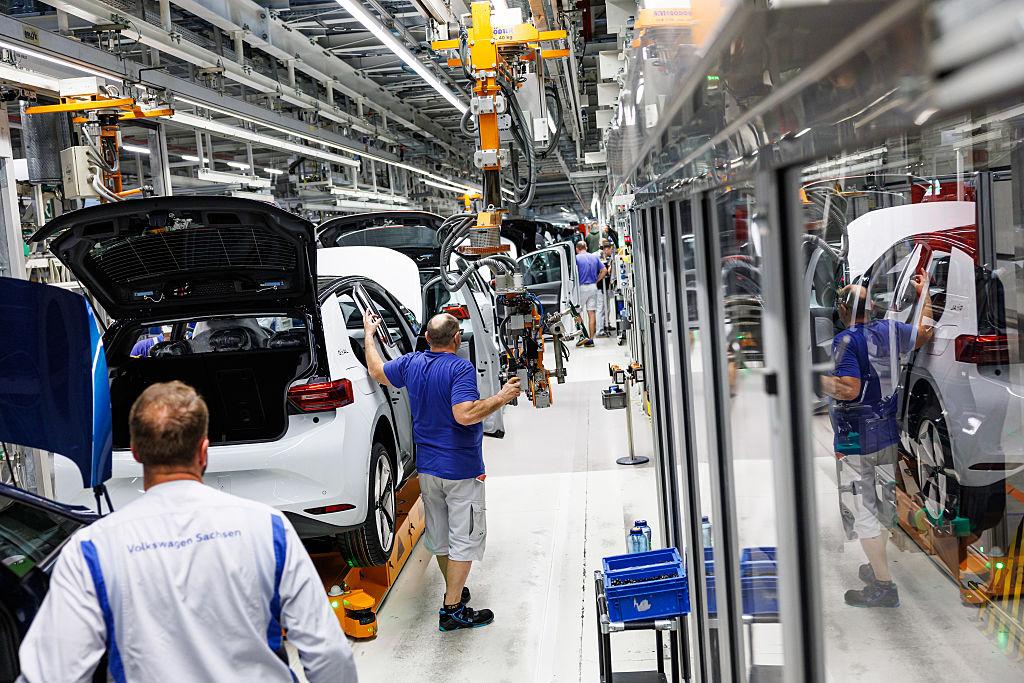
New York, February 6, 2026, According to Parliament News, that In 2026 in New York, the global automotive market is undergoing a broad structural reset as manufacturers, suppliers, and investors respond to slower demand, rising costs, and shifting policy priorities. After years of aggressive expansion driven by electrification targets and post-pandemic recovery, the industry is now recalibrating expectations in the face of economic pressure and changing consumer behavior.
What once appeared to be a linear transition toward an all-electric future has become a more complex and uneven transformation. Automakers are adjusting production plans, delaying investments, and revisiting long-term strategies as they attempt to align ambition with market realities.
Industry Enters a Period of Strategic Reassessment
The automotive sector has reached a moment where growth alone is no longer the primary objective. Profitability, flexibility, and resilience are now equally important considerations. Executives acknowledge that previous assumptions about demand growth and technology adoption proved overly optimistic.
Across the global automotive market, companies are shifting from expansionary strategies toward consolidation and optimization. This includes rationalizing model lineups, rebalancing powertrain portfolios, and tightening capital allocation frameworks to preserve cash flow.
Demand Softens Across Key Regions
Vehicle demand in major economies has cooled noticeably. High interest rates, inflationary pressures, and affordability concerns have discouraged consumers from making large purchases. In some regions, government incentives that once supported vehicle sales have been reduced or withdrawn.
The global automotive market is increasingly characterized by regional divergence. While some emerging markets continue to show modest growth, mature markets are experiencing stagnation, forcing manufacturers to tailor strategies country by country rather than relying on uniform global plans.
Electric Vehicle Expectations Are Recalibrated
Electric vehicles remain central to long-term industry plans, but the pace of adoption has slowed. High upfront costs, limited charging infrastructure, and range concerns have dampened consumer enthusiasm in several markets.
As a result, the global automotive market is witnessing a strategic pivot. Automakers are delaying certain electric launches, reducing output at EV-focused plants, and reallocating investment toward hybrid and multi-energy platforms that offer greater flexibility.
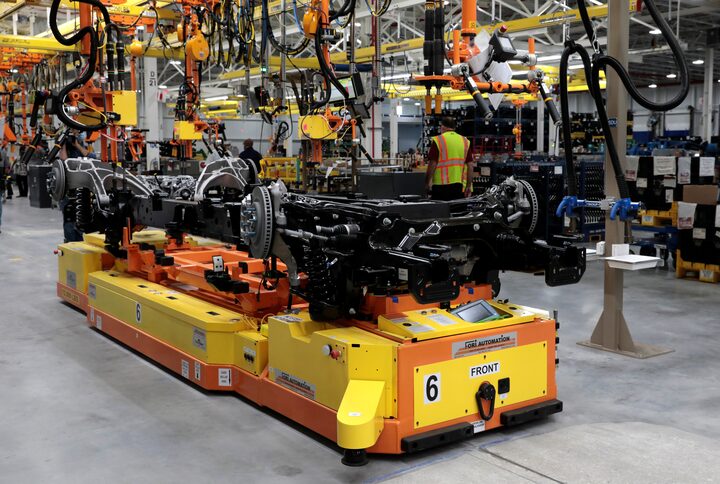
Production Cuts and Capacity Challenges
Manufacturing capacity built during periods of optimistic demand forecasts is now underutilized. Several automakers have announced temporary shutdowns, reduced shifts, or permanent closures at selected facilities.
These adjustments highlight the cyclical nature of the global automotive market, where capacity expansions often lag shifts in demand. Companies are now prioritizing operational efficiency and inventory control over volume growth.
Cost Pressures Reshape Financial Priorities
Rising costs remain a major concern. Raw materials, labor, logistics, and energy expenses continue to weigh on margins. Battery production, in particular, remains expensive, complicating the economics of electric vehicles.
Within the global automotive market, manufacturers are responding by standardizing platforms, reducing complexity, and negotiating more aggressively with suppliers. Cost discipline has become a central theme in earnings calls and investor briefings.
Investor Confidence Becomes Conditional
Financial markets have grown more cautious. Investors are no longer rewarding ambitious expansion plans without clear paths to profitability. Share prices now respond more sharply to guidance on margins, cash flow, and return on investment.
The global automotive market is being evaluated through a new lens, one that emphasizes execution quality over scale. Companies that demonstrate adaptability and transparency are gaining favor, while those perceived as overextended face increased scrutiny.
A Single Industry Voice Captures the Mood
“This is not a retreat from innovation, but a correction toward realism and discipline.”
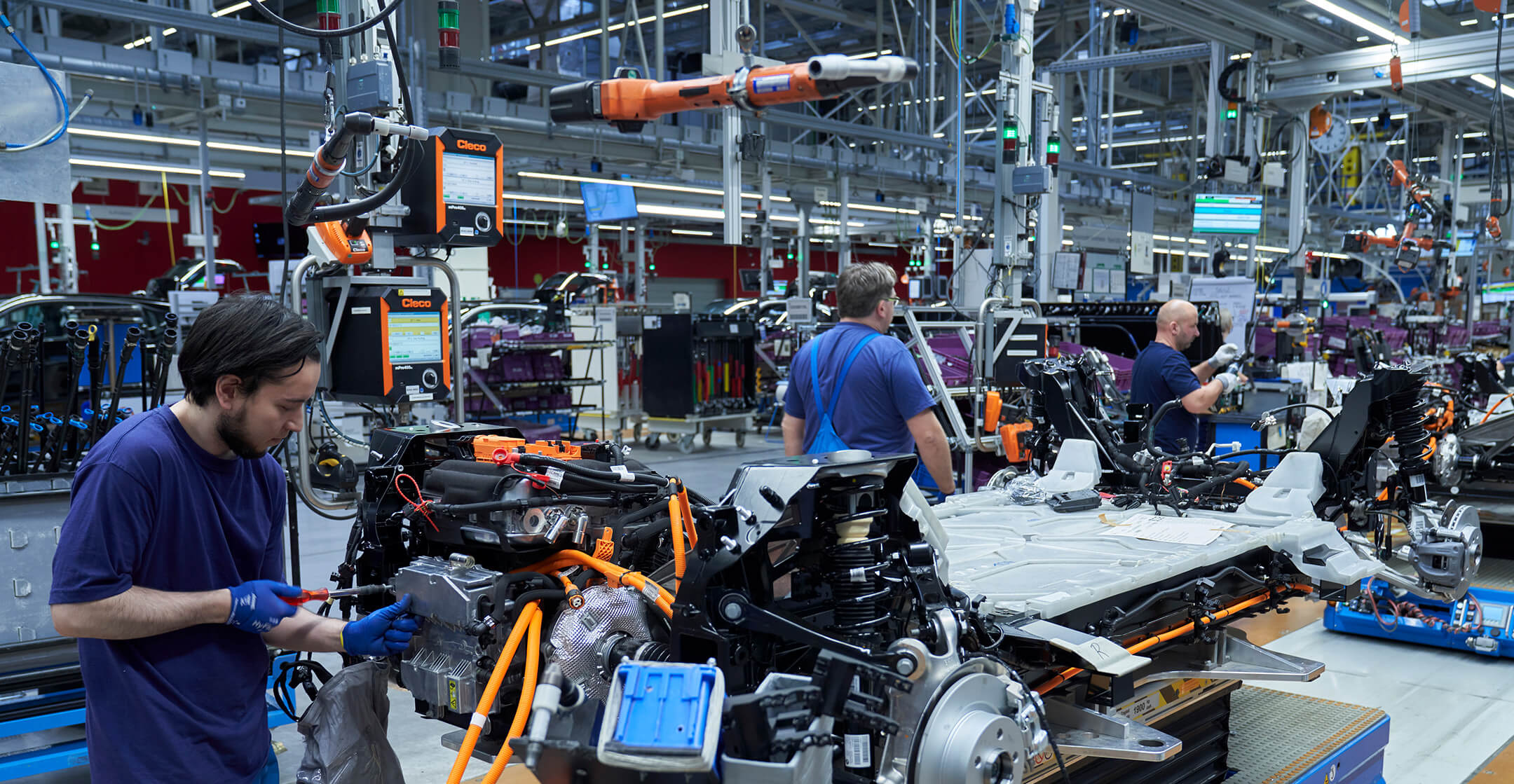
Supply Chains Are Reconfigured
Supply chains built for rapid electrification and just-in-time delivery are being reworked. Automakers are increasing localization, diversifying sourcing, and building buffer inventories to reduce exposure to geopolitical and logistical risks.
These changes are reshaping the global automotive market, increasing short-term costs but improving long-term resilience. Suppliers are also adapting, investing in flexibility rather than capacity expansion.
Policy Signals Add Complexity
Governments worldwide are reassessing automotive policies. While long-term emissions goals remain in place, timelines and enforcement mechanisms are becoming more flexible in response to economic conditions.
Policy uncertainty adds another layer of risk to the global automotive market, making long-term planning more difficult. Automakers must now design strategies that remain viable under multiple regulatory scenarios.
Hybrids Regain Strategic Importance
Hybrid vehicles have emerged as a pragmatic solution during this transitional phase. They offer improved efficiency without requiring full charging infrastructure, appealing to consumers hesitant about fully electric models.
The renewed emphasis on hybrids reflects a broader shift within the global automotive market toward balance rather than binary choices between internal combustion and electric powertrains.
Technology Investment Continues Selectively
Despite cost pressures, investment in software, connectivity, and driver assistance technologies continues. These features are increasingly seen as essential differentiators in competitive markets.
The global automotive market is evolving into a technology-driven ecosystem, even as manufacturers moderate spending in other areas. Software updates, digital services, and data integration are shaping future revenue streams.
Workforce Adjustments and Skills Transition
Industry adjustments have significant implications for employment. Workforce reductions in some regions are being offset by hiring in software, engineering, and energy management roles elsewhere.
Within the global automotive market, reskilling has become a strategic priority. Companies are investing in training programs to help employees transition into new roles aligned with evolving business models.
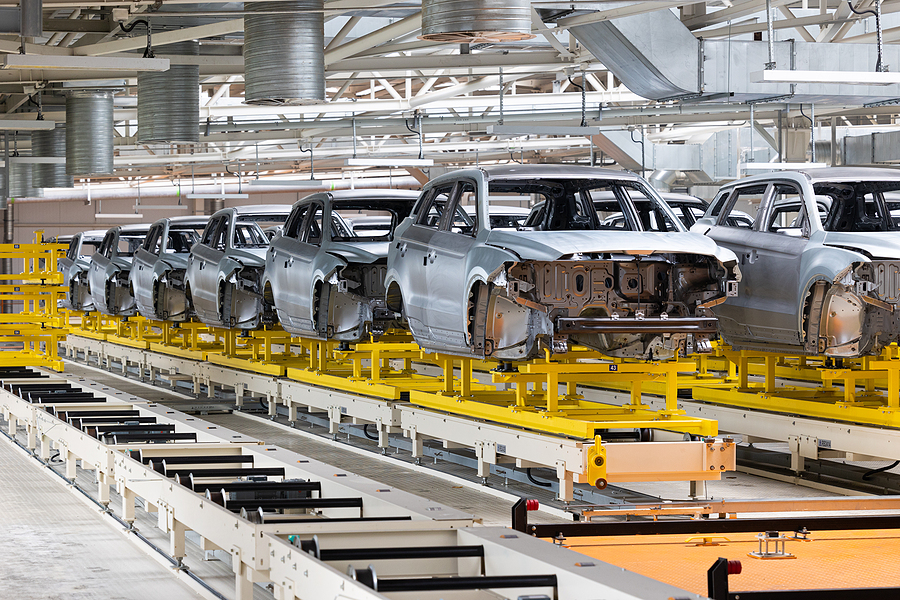
Trade and Export Strategies Shift
Export strategies are also being revisited. Slower demand in traditional markets has prompted automakers to explore new regions and strengthen regional production hubs.
The global automotive market is becoming more fragmented, with localized production and sales strategies replacing earlier assumptions of seamless global integration.
History of Adjustment Cycles in the Auto Industry
The automotive industry has a long history of cyclical adjustment. From the oil crises of the 1970s to the financial downturns of the early twenty-first century, periods of rapid growth have often been followed by phases of consolidation and strategic realignment.
Past transitions reveal consistent patterns. Overinvestment during optimistic phases leads to excess capacity, which is later corrected through cost cutting, innovation, and market repositioning. The current reset follows this historical rhythm, suggesting that adaptation rather than contraction defines the industry’s long-term trajectory.
Outlook for the Remainder of the Decade
Analysts expect the near-term environment to remain challenging, with modest growth and continued volatility. Stabilization is likely as inventories normalize and pricing strategies adjust.
The global automotive market is expected to reward companies that prioritize flexibility, maintain financial discipline, and respond quickly to regional demand shifts.
Strategic Priorities Moving Forward
Looking ahead, automakers are focusing on modular platforms, scalable production systems, and diversified powertrain offerings. These approaches allow rapid adaptation without excessive capital commitments.
Such strategies will shape the future of the global automotive market, enabling companies to navigate uncertainty while remaining prepared for renewed growth.
A Defining Moment Rather Than a Decline
The current environment represents a defining moment rather than an existential threat. The industry is recalibrating expectations, aligning supply with demand, and refining its approach to innovation.
How the global automotive market responds during this period will influence competitiveness, sustainability, and consumer trust for years to come.
Beyond Expansion Toward Endurance
The focus is shifting from rapid expansion to long-term endurance. Profitability, efficiency, and credibility now sit alongside technological ambition.
As the industry evolves, the global automotive market will be shaped not by speed alone, but by balance, realism, and strategic clarity.
The automotive sector has weathered many transformations before. While the current reset presents real challenges, it also offers an opportunity to build a more resilient and adaptive industry.