
Strait of Hormuz, March 28, 2026 (Parliament Politics Magazine) global fertiliser shortage warning is now at the forefront of international concern, as a United Nations coordinator for the Strait of Hormuz signals increasing risks to vital fertiliser shipments. The warning comes amid escalating geopolitical tensions tied to the US war against Iran, raising alarms across global agricultural and economic sectors.
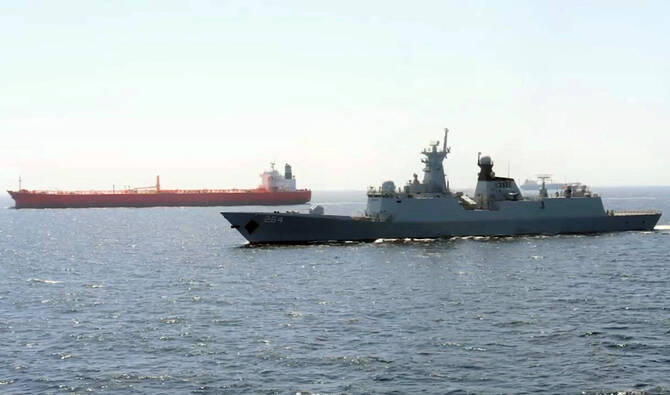
The Strait of Hormuz remains one of the most critical maritime routes in the world, and disruptions here could ripple through supply chains that support food production for billions.
“The global fertiliser shortage warning is no longer theoretical—it is a growing risk tied directly to geopolitical instability,”
the UN coordinator stated.
Why the Strait of Hormuz Matters More Than Ever
The Strait of Hormuz is widely known for its role in global oil transport, but its significance in transporting fertilisers has become increasingly important in recent years. The global fertiliser shortage warning highlights how essential this route is for maintaining agricultural output worldwide.
Any disruption—whether through conflict, delays, or heightened inspections—can have immediate and far-reaching consequences. Shipping routes through this corridor connect producers in the Middle East with markets across Asia, Europe, and Africa.
Experts say the current situation represents a convergence of geopolitical risk and economic vulnerability.
Rising Tensions Linked to US-Iran Conflict
The global fertiliser shortage warning is closely tied to escalating tensions involving the United States and Iran. Recent developments, including the resignation of a top counterterrorism official protesting the US war strategy, have added uncertainty to an already volatile situation.
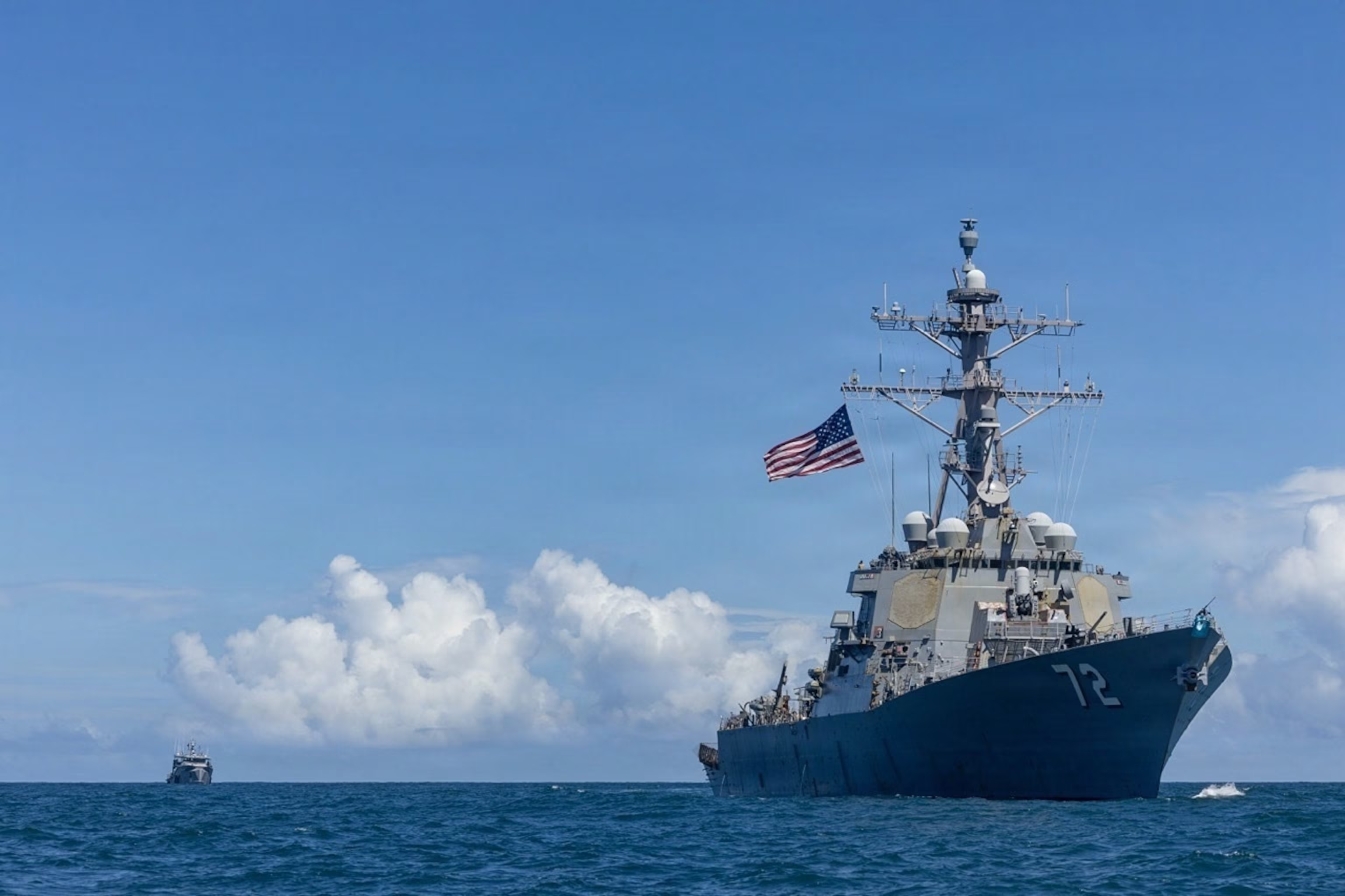
Diplomatic instability often translates into increased risk for commercial shipping, particularly in regions like the Strait of Hormuz where military and civilian maritime activities intersect.
“When political tensions rise, commercial shipping becomes collateral risk,” said a senior geopolitical analyst.
Impact on Global Food Security
Fertilisers are essential to modern agriculture, and any disruption in their supply can significantly reduce crop yields. The global fertiliser shortage warning suggests that even short-term interruptions could trigger long-term consequences.
Potential impacts include:
- Reduced agricultural productivity
- Increased food prices globally
- Greater strain on developing economies
- Heightened risk of food insecurity
Countries that rely heavily on fertiliser imports are particularly vulnerable, making this issue a global concern rather than a regional one.
Shipping Industry Reacts to Growing Risks
Shipping companies are already responding to the global fertiliser shortage warning by reassessing their routes and risk exposure. Insurance costs for vessels traveling through the Strait of Hormuz have increased, reflecting heightened concerns about safety.
Some companies are exploring alternative routes, though options remain limited due to the strategic importance of the strait. Delays and rerouting can also lead to higher costs, which are often passed on to consumers.
Economic Consequences Beyond Agriculture
The global fertiliser shortage warning extends beyond farming and food production. Fertiliser prices are closely linked to broader economic stability, and disruptions can have ripple effects across multiple industries.
Analysts warn that continued instability could lead to:
- Inflation in food and commodity markets
- Increased production costs for farmers
- Supply chain disruptions across sectors
- Economic pressure on low-income countries
These factors combined could contribute to a broader global economic slowdown if not addressed promptly.
UN Steps In to Monitor and Coordinate
In response to the growing crisis, the United Nations has appointed a coordinator specifically focused on maintaining stability in the Strait of Hormuz. The global fertiliser shortage warning has become a key priority for international diplomacy.
The coordinator’s role includes:
- Monitoring shipping activity
- Facilitating communication between nations
- Promoting safe passage for essential goods
Efforts are ongoing, but progress depends heavily on cooperation among regional and global powers.
Industry and Government Preparedness
Governments and private sector players are taking steps to prepare for potential disruptions linked to the global fertiliser shortage warning. Strategies include increasing stockpiles, diversifying supply sources, and investing in alternative logistics solutions.
However, experts caution that these measures may only provide temporary relief if tensions continue to escalate.
Broader Global Implications
The global fertiliser shortage warning serves as a reminder of how interconnected modern supply chains have become. A disruption in one region can quickly impact economies and populations around the world.
As geopolitical tensions persist, the importance of maintaining stable trade routes becomes increasingly clear. The situation in the Strait of Hormuz is not just a regional issue—it is a global challenge with far-reaching consequences.
Global Fertiliser Shortage Warning Signals Urgent Risk
The global fertiliser shortage warning issued by the UN coordinator highlights a critical moment in global trade and food security. With tensions in the Strait of Hormuz rising, the risk to fertiliser shipments is becoming more pronounced.
Key Points:
- Global fertiliser shortage warning linked to Hormuz tensions
- US-Iran conflict increases risk to maritime trade
- Fertiliser disruptions could impact global food supply
- Economic consequences may extend across multiple industries
- International cooperation is essential to prevent escalation
As the situation develops, the world will be watching closely to see whether diplomatic efforts can stabilize one of the most vital trade routes on the planet.