

Canberra, Australia, April 1, 2026 (Parliament Politics Magazine) Global justice demands continue to intensify two years after the killing of an Australian aid worker during a military operation involving Israeli forces, as pressure mounts across governments, humanitarian organizations, and international observers for accountability.
The incident remains a critical issue in diplomatic discussions, with many questioning why justice has yet to be fully achieved despite investigations and official responses. The case has increasingly become symbolic of broader concerns surrounding accountability in conflict zones.
Rising Pressure for Transparency and Accountability
Global justice demands have taken center stage as Australian officials and international advocates call for a more transparent and independent investigation into the aid worker’s death.
While Israel conducted internal reviews, critics argue these measures fall short of international expectations. Calls for an external investigation have grown louder, emphasizing the need for credibility and impartiality.
A senior official stated:
“Without transparency, there can be no trust. And without trust, justice remains incomplete.”
This statement reflects a widening concern that the current process may not meet global standards.
International Community Amplifies Concerns
Global justice demands are no longer limited to Australia. Human rights groups, global institutions, and allied nations have echoed similar concerns, highlighting the importance of protecting civilians and humanitarian workers.
The incident has become part of a broader narrative about accountability gaps in modern conflicts. Analysts note that when justice mechanisms appear insufficient, it can weaken international norms.
The continued focus on this case demonstrates how individual incidents can influence global discussions on ethics and law.
Humanitarian Sector Feels the Impact
Global justice demands also reflect growing anxiety within the humanitarian sector. Aid workers operating in high-risk environments depend on international protections to carry out their missions safely.
The lack of clear accountability in this case has raised concerns about whether those protections are effectively enforced.
A humanitarian expert commented:
“If accountability is uncertain, it changes how aid organizations assess risk—and that can limit life-saving operations.”
This highlights the potential long-term consequences beyond the immediate case.
Legal Complexity Does Not Eliminate Responsibility
Two years after the incident, global justice demands continue to focus on unresolved legal and ethical questions. While conflict environments are inherently complex, legal experts argue that complexity should not hinder accountability.
There is increasing support for an independent international investigation to provide clarity and ensure fairness. Advocates argue that external oversight is often necessary to maintain public confidence.
Public discourse in Australia has intensified, with many citizens seeking clearer answers and definitive conclusions.
Domestic and Political Pressure Builds
Global justice demands have also gained traction domestically in Australia, where public sentiment is shifting toward stronger calls for action.
Political leaders across the spectrum have emphasized the importance of accountability, urging continued diplomatic engagement and potential escalation in international forums.
One lawmaker stated:
“Justice is not just a principle—it is a responsibility we must uphold, regardless of circumstances.”
This growing political momentum indicates that the issue is unlikely to fade from public attention.
Broader Implications for International Law
Global justice demands extend beyond this single incident, raising questions about how international humanitarian law is applied and enforced.
Experts warn that inconsistent accountability can undermine global legal frameworks, potentially leading to repeated violations without consequence.
The case is increasingly viewed as a test of international commitment to protecting civilians and ensuring justice in conflict situations.
Israel’s Response and Ongoing Dialogue
Israeli authorities have acknowledged the incident and expressed regret, maintaining that their internal investigation met appropriate standards.
However, calls for independent review remain unresolved, and differences between the two nations persist.
Diplomatic engagement continues, with both sides indicating a willingness to discuss the matter further, though significant gaps remain.
Why Global Justice Demands Continue to Grow
Global justice demands are driven by more than a single event—they represent a broader push for accountability, transparency, and adherence to international norms.
For humanitarian workers, these demands underscore the need for stronger protections. For governments, they reinforce commitments to justice and legal standards.
As global conflicts evolve, the importance of credible accountability mechanisms becomes increasingly critical.
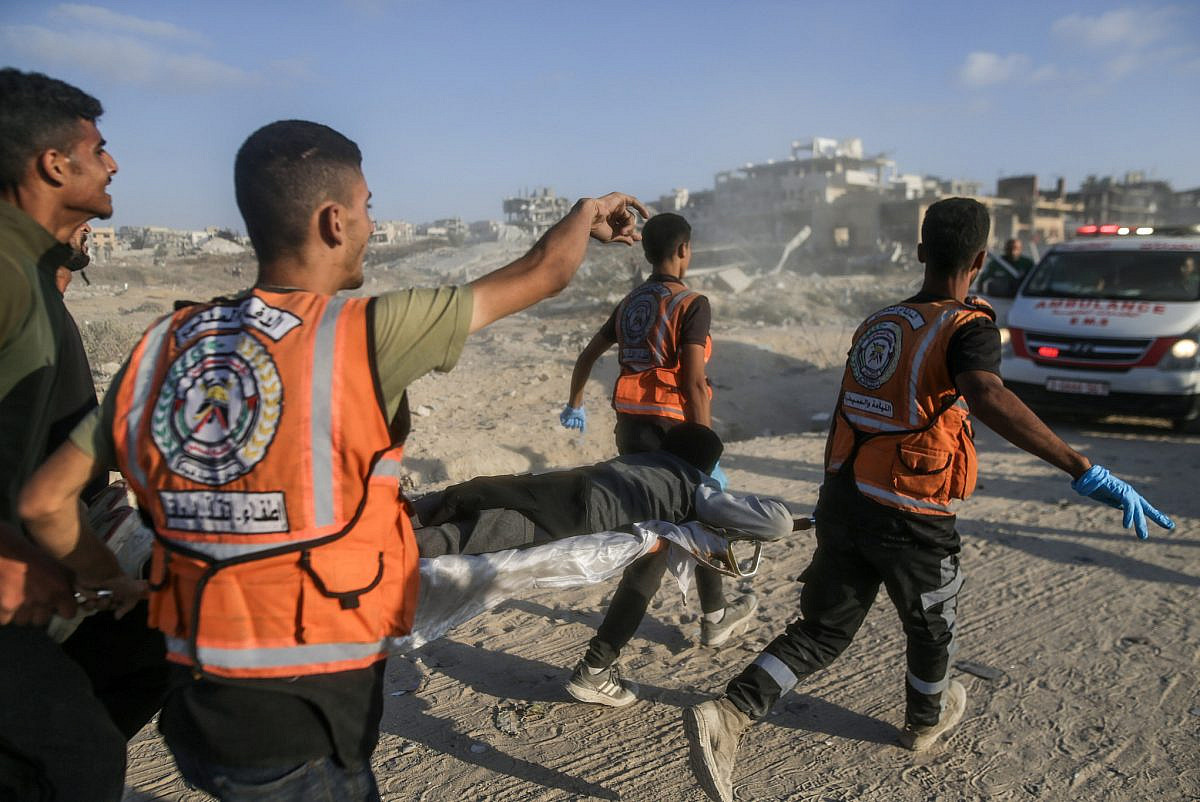
Global Justice Demands Intensify
Global justice demands continue to rise two years after the aid worker’s killing, with growing international pressure for transparency and accountability.
Diplomatic efforts remain ongoing, but unresolved questions continue to fuel public concern and political debate.
The case has become a global symbol of the urgent need for stronger accountability in conflict zones.
