

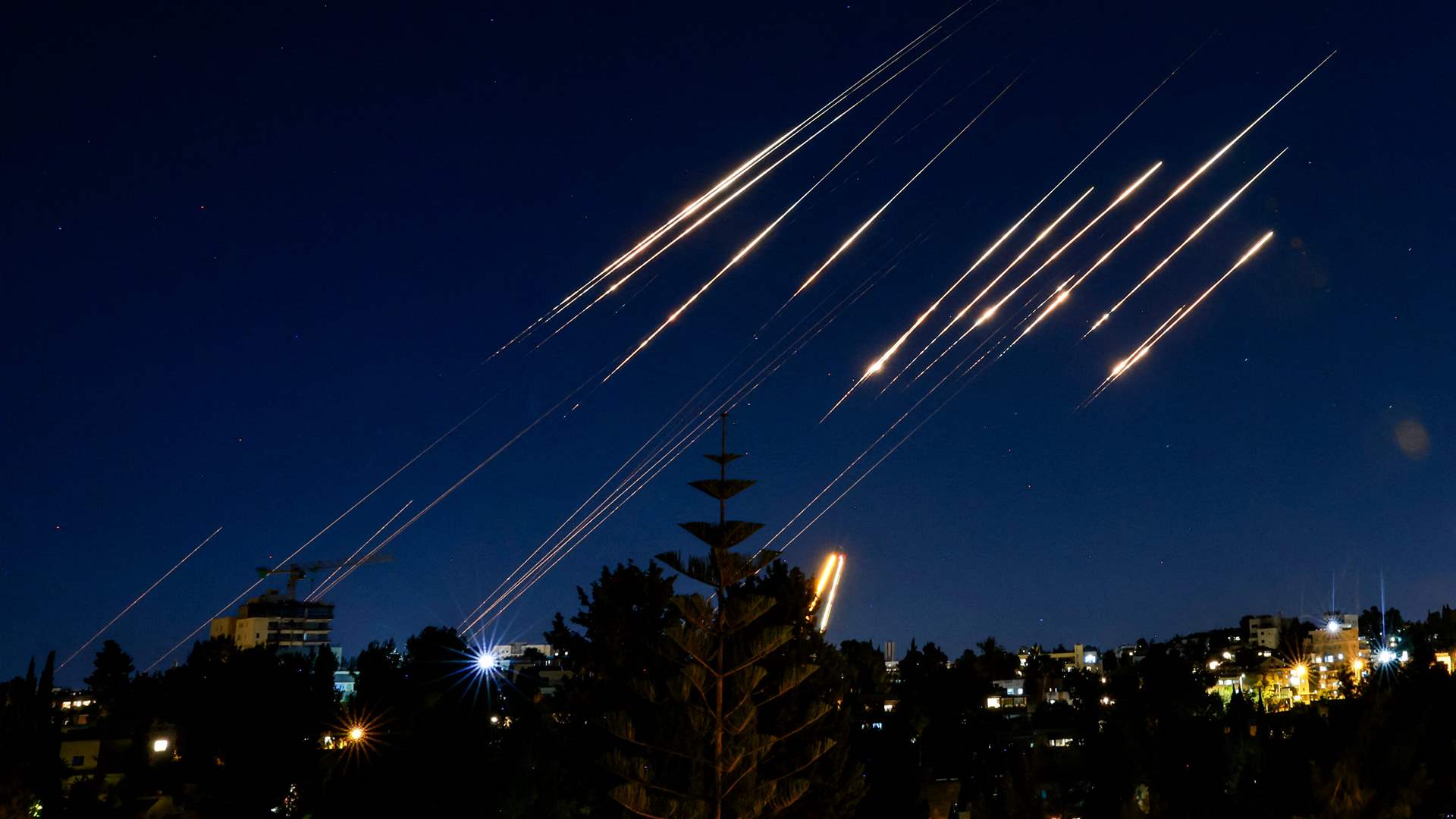
Washington, D.C., March 23, 2026 (Parliament Politics Magazine), global security crisis is intensifying following the resignation of a top counterterrorism official and reports of sirens across northern Israel linked to an alleged joint Hezbollah-Iran attack. These developments are raising urgent concerns about regional escalation and the potential for a wider international conflict.
The convergence of leadership changes and military alerts signals a critical moment, where decisions made now could shape global stability for years to come.
Resignation fuels the global security crisis
The sudden departure of a senior counterterrorism official has added new urgency to what analysts are calling a growing global security crisis. According to sources, the official resigned in protest over the US war posture toward Iran, citing concerns about escalation and long-term risks.
This resignation is being viewed as a reflection of deeper internal disagreements within the national security framework. It has also heightened concerns about coordination and decision-making at a critical time.
A former intelligence official stated:
“The global security crisis is not only about external threats—it is also about internal divisions that can shape how those threats are managed.”
Sirens in northern Israel raise immediate alarm
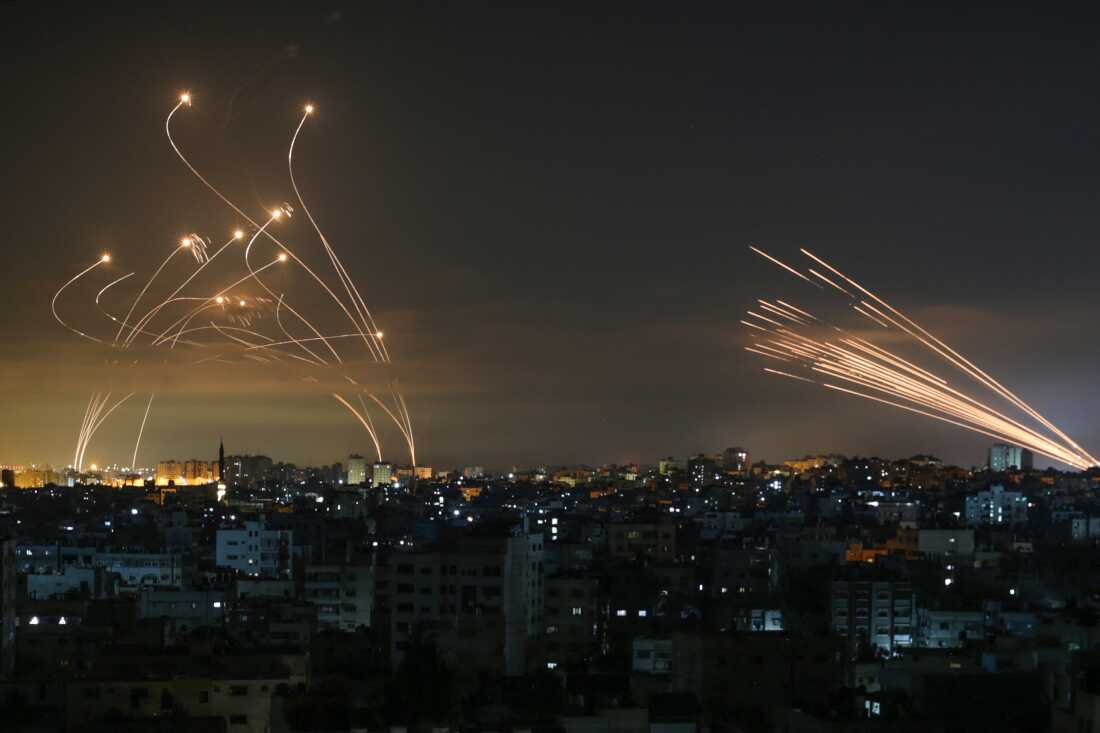
As the global security crisis unfolds, reports of sirens sounding across northern Israel have added a new layer of urgency. Civilians were urged to seek shelter as defense systems were activated in response to perceived threats.
Authorities have linked the alerts to an alleged joint operation involving Hezbollah and Iran, although details remain limited. The situation is evolving rapidly, with security forces maintaining a heightened state of readiness.
The sirens have underscored the fragility of the current situation and the risk of further escalation.
Alleged Hezbollah-Iran coordination intensifies tensions
The possibility of coordinated action between Hezbollah and Iran has intensified concerns about the global security crisis. Such cooperation could significantly expand the scope of conflict, drawing in additional actors and increasing the risk of a broader confrontation.
Security analysts warn that coordinated operations represent a shift in strategy, potentially signaling a more unified approach among regional actors.
An expert in regional security noted:
“If confirmed, this level of coordination would mark a serious escalation and could redefine the dynamics of the global security crisis.”
US-Iran tensions drive global uncertainty
The global security crisis is closely tied to escalating tensions between the United States and Iran. Military positioning, strategic warnings, and ongoing rhetoric have created an environment of uncertainty and risk.
The resignation of a key official has brought additional attention to these tensions, with many questioning whether current strategies are sustainable.
The evolving situation is affecting not only regional stability but also broader international relations.
Political reaction intensifies
The resignation has sparked immediate reactions from policymakers, particularly in Washington. The global security crisis is now a central topic in political discussions, with calls for greater transparency and reassessment of strategy.
Lawmakers are seeking detailed briefings to better understand the implications of both the resignation and the unfolding events in Israel.
Public interest is also growing, as people seek clarity on how these developments may impact global security.
Strategic implications for international stability
The global security crisis highlights the interconnected nature of modern conflicts. The resignation of a senior official could impact coordination at a time when effective decision-making is critical.
At the same time, the situation in northern Israel demonstrates how quickly localized events can escalate into broader regional concerns.
Key issues include:
- The potential for expanded military engagement
- The impact on international alliances
- The risk of multi-front conflict
- The humanitarian consequences of escalation
Global reaction and shifting alliances
Countries around the world are closely monitoring the global security crisis. Allies are seeking reassurance, while other actors may adjust their strategies in response to evolving conditions.
The situation underscores the importance of coordinated international responses to maintain stability and prevent further escalation.
Historical perspective on crisis escalation
Periods of heightened tension have often been marked by key events that signal turning points. The combination of a high-level resignation and escalating military alerts suggests that the current moment could represent such a shift.
Analysts are examining historical parallels to better understand the potential trajectory of the global security crisis.
What comes next
As the global security crisis continues to evolve, attention is focused on how leadership will respond. The coming days and weeks will be critical in determining whether tensions stabilize or escalate further.
The decisions made during this period are likely to have long-term implications for international security.
A critical moment in the global security crisis
The global security crisis has reached a pivotal stage, marked by the resignation of a senior US official and escalating tensions in northern Israel.
- A top counterterrorism official resigned amid strategic disagreements
- Sirens in northern Israel signaled rising threats
- Alleged Hezbollah-Iran coordination raised escalation risks
- Global uncertainty and security concerns are increasing
This moment represents a high-risk turning point with significant implications for global stability.
