Washington / Cairo, March 26, 2026 (Parliament Politics Magazine) global security threat concerns intensified dramatically after a top counterterrorism official resigned in protest of escalating U.S. military actions toward Iran, while Egypt continues urgent diplomatic efforts to end Israel’s ground incursion into Lebanon.
The unexpected resignation has triggered widespread concern across intelligence and defense communities, raising alarms about internal divisions within U.S. leadership at a time of mounting instability across the Middle East.
Resignation Reflects Deep Strategic Disagreement
The resignation of a senior counterterrorism official is being viewed as a clear signal of disagreement within the highest levels of U.S. national security leadership. Sources indicate the official stepped down due to concerns that current military strategies could worsen an already fragile situation.
The official reportedly warned that increasing military pressure on Iran could escalate into a broader regional conflict—one that could quickly evolve into a global security threat.
A senior policy expert explained:
“This is more than a resignation—it’s a warning sign. When leadership begins to fracture during a crisis, the risks multiply.”
The move has intensified debate in Washington over whether diplomatic solutions are being sidelined in favor of military escalation.
US-Iran Tensions Fuel Global Security Threat
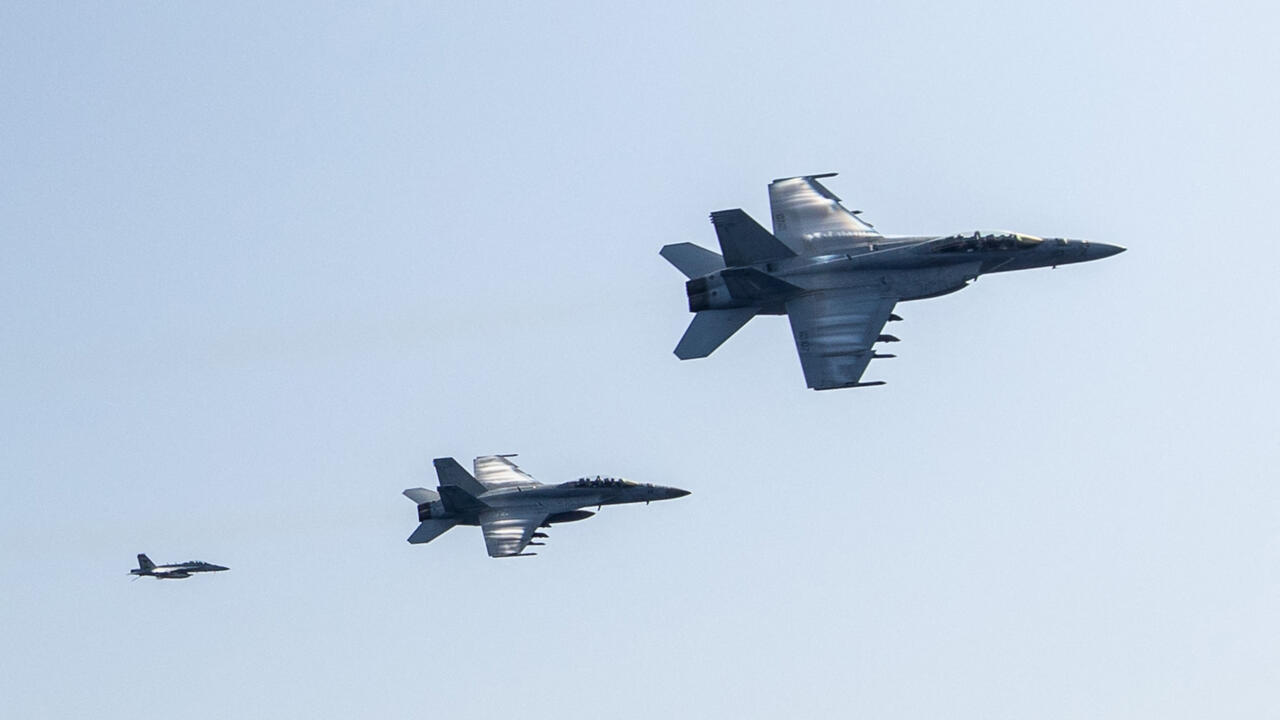
Tensions between the United States and Iran have been rising steadily, with recent developments pointing toward a dangerous escalation. Increased military deployments, surveillance operations, and strategic positioning have heightened fears of direct confrontation.
Key indicators include:
- Expanded naval presence in key maritime routes
- Increased drone interceptions and reconnaissance missions
- Heightened readiness levels across regional bases
Experts warn that these actions, while strategic, may contribute to a growing global security threat by increasing the risk of miscalculation.
The situation has drawn global attention, with many nations closely monitoring developments that could impact international stability.
Egypt Intensifies Mediation Efforts
Amid the escalating crisis, Egypt has stepped forward as a central diplomatic mediator. Egyptian officials are actively working to de-escalate tensions and push for an end to Israel’s ground incursion into Lebanon.
Egypt’s Foreign Minister has been engaged in high-level discussions aimed at stabilizing the region and preventing further conflict.
A diplomatic insider stated:
“Egypt understands the urgency. The goal is to contain this before it spirals into a wider global security threat.”
These mediation efforts are seen as critical, though success depends heavily on cooperation from all involved parties.
Israel-Lebanon Conflict Complicates Situation
The ongoing Israeli ground operation in Lebanon has added another layer of complexity to an already volatile situation. The operation is viewed as a strategic response to security threats, but critics argue it risks expanding the conflict.
The convergence of multiple tensions—U.S.-Iran relations, Israeli military actions, and regional instability—has created conditions ripe for escalation.
Security analysts caution that interconnected conflicts significantly increase the likelihood of unintended consequences, potentially accelerating the global security threat.
Implications for Global Counterterrorism Efforts
The resignation of a top counterterrorism official raises immediate concerns about continuity in global security operations. Leadership transitions during times of crisis can create uncertainty and disrupt ongoing initiatives.
Potential risks include:
- Reduced coordination among intelligence agencies
- Delays in counterterrorism operations
- Increased vulnerability to emerging threats
An intelligence source noted:
“When experienced leadership steps away during a crisis, it leaves a gap that adversaries may try to exploit.”
This development further amplifies concerns about the expanding global security threat.
Impact on International Alliances
The unfolding situation is also affecting relationships between the United States and its allies. Many allied nations are urging caution and advocating for diplomatic solutions.
Possible outcomes include:
- Reevaluation of military strategies
- Strengthened calls for international cooperation
- Increased diplomatic pressure to avoid escalation
European and Middle Eastern allies have expressed concern that continued tensions could destabilize the region and contribute to a broader global security threat.
Economic and Energy Market Concerns
Beyond security implications, the crisis is already impacting global markets. Rising geopolitical tensions are contributing to volatility in energy prices and financial markets.
Key concerns include:
- Disruptions to oil supply routes
- Increased global energy costs
- Economic uncertainty affecting multiple industries
Market analysts warn that prolonged instability could have long-term economic consequences, reinforcing the scale of the global security threat.
Growing Calls for De-escalation
International leaders and organizations are increasingly calling for restraint and dialogue. Diplomatic efforts are focused on reducing military tensions and preventing further escalation.
Key priorities include:
- Encouraging negotiations between key players
- Reducing military presence in sensitive areas
- Supporting mediation efforts led by Egypt
These efforts aim to contain the situation before it evolves into a full-scale global security threat.

A Defining Moment for Global Stability
The resignation of a senior counterterrorism official underscores the seriousness of the current geopolitical climate. It highlights the challenges facing policymakers as they attempt to balance security concerns with the need for stability.
The coming days will be critical in determining whether tensions can be reduced or whether the situation will escalate further.
Observers agree that decisive and coordinated action is necessary to prevent the global security threat from intensifying.
Key Takeaways
What’s Happening
- A top counterterrorism official resigns amid rising tensions
- US-Iran conflict continues to escalate
- Egypt is actively mediating regional disputes
- Israel’s actions in Lebanon add to instability
- Global markets and security face increasing risks
The situation represents a rapidly evolving global security threat with far-reaching implications. The resignation highlights internal divisions and underscores the urgent need for coordinated international efforts to prevent further escalation.