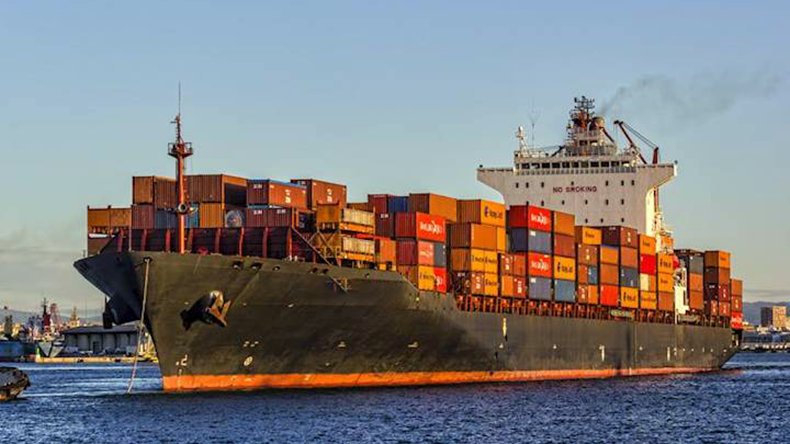
STRAIT OF HORMUZ – March 27, 2026 (Parliament Politics Magazine) — global trade route disruption is deepening after Chinese ships halted attempts to exit the Strait of Hormuz, despite Iran’s assurances of safe passage. The move is triggering global concern over shipping security, oil supply stability, and the broader implications for international trade.
Strategic Shipping Corridor Faces Renewed Pressure
The Strait of Hormuz is one of the most critical maritime chokepoints in the world, responsible for transporting a significant share of global energy supplies. The current global trade route disruption highlights the vulnerability of this key passage.
Shipping analysts say hesitation among major operators reflects growing unease over safety conditions. Even minor disruptions in this corridor can have immediate global consequences, particularly for energy-dependent economies.
A maritime expert noted:
“This level of global trade route disruption signals a breakdown in confidence. When vessels pause, markets react instantly.”
Chinese Shipping Pause Raises Alarm
The decision by Chinese vessels to delay transit has amplified concerns across global markets. China, being one of the largest importers of oil, plays a central role in maintaining steady energy flows.
The hesitation suggests that operators are prioritizing risk management over scheduled shipments. This development is now being viewed as a key indicator of broader instability in international shipping routes.
Industry insiders emphasize that such actions are rarely taken without serious underlying concerns.
Iran Assurances Fail to Stabilize Situation
Iran had issued statements guaranteeing safe passage for commercial shipping, aiming to calm fears amid rising tensions. However, the ongoing global trade route disruption indicates that these assurances have not fully reassured international stakeholders.
Shipping companies are increasingly relying on independent intelligence and risk assessments. Concerns over potential escalation or miscalculation continue to influence operational decisions.
Energy Markets React to Growing Uncertainty
The global trade route disruption is already affecting energy markets, with oil prices showing signs of volatility. The Strait of Hormuz handles a substantial portion of global oil exports, making any disruption a significant risk.
Analysts warn that prolonged instability could lead to sustained price increases, impacting both developed and emerging economies.
An energy analyst stated:
“Global trade route disruption in Hormuz has immediate consequences. Energy markets are highly sensitive to any perceived threat to supply.”
Maritime Security Risks Escalate
Security concerns in the region have intensified, with increased military activity and heightened alert levels reported. The presence of multiple actors has added complexity to the situation.
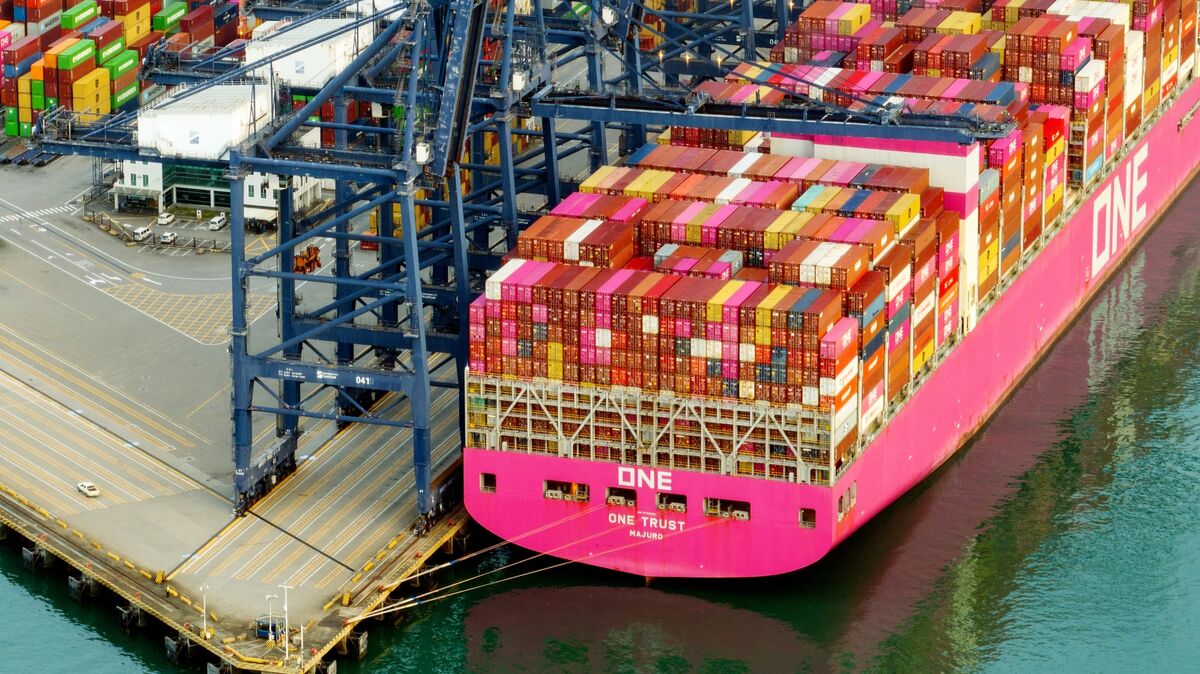
Shipping companies now face higher insurance premiums and operational risks. The global trade route disruption is forcing companies to reconsider routing strategies and contingency plans.
Supply Chain and Trade Flow Impacts
The ripple effects of global trade route disruption extend beyond energy markets. Delays in shipping can disrupt supply chains, affecting manufacturing, retail, and industrial sectors worldwide.
China’s role in global trade means that any interruption involving its vessels has far-reaching implications. Bottlenecks and delays could emerge if the situation persists.
Diplomatic Efforts Face Challenges
International calls for de-escalation are increasing as concerns grow over global trade route disruption. Diplomatic efforts are underway, but progress remains uncertain.
The complexity of regional dynamics makes resolution difficult, with multiple stakeholders involved. Without coordinated action, the risk of further escalation remains high.
Regional and Global Implications
The ongoing global trade route disruption is being closely monitored by countries around the world. Neighboring regions are particularly vulnerable to the economic and security impacts.
For many nations, the stability of the Strait of Hormuz is critical to maintaining energy security and economic growth.
Industry Adapts to Rising Risk
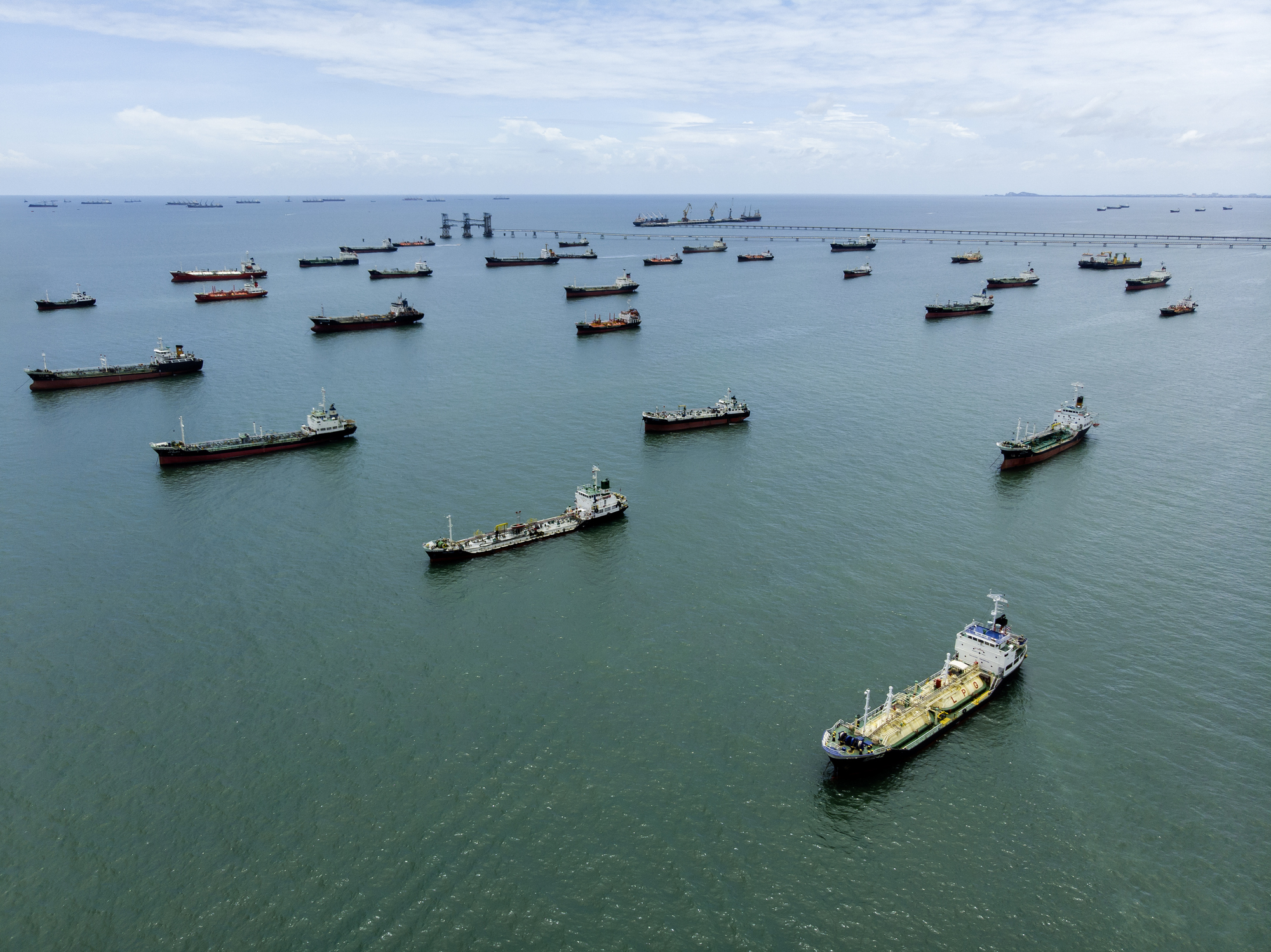
Shipping companies are adjusting their operations in response to the evolving situation. Some are exploring alternative routes, while others are delaying shipments until conditions improve.
These adjustments come with increased costs and logistical challenges, further highlighting the scale of global trade route disruption.
Quote Reflects Market Sentiment
A senior logistics analyst observed:
“Global trade route disruption at this level is not isolated—it affects pricing, supply chains, and geopolitical stability all at once.”
A Defining Moment for Global Trade
The escalation of global trade route disruption following the halt of Chinese ships in the Strait of Hormuz underscores the fragility of international shipping networks. The situation is creating uncertainty across energy markets, supply chains, and geopolitical relations.
As tensions persist, the global economy faces a critical test. Stability in key trade routes will be essential to prevent further disruption and maintain economic balance.