

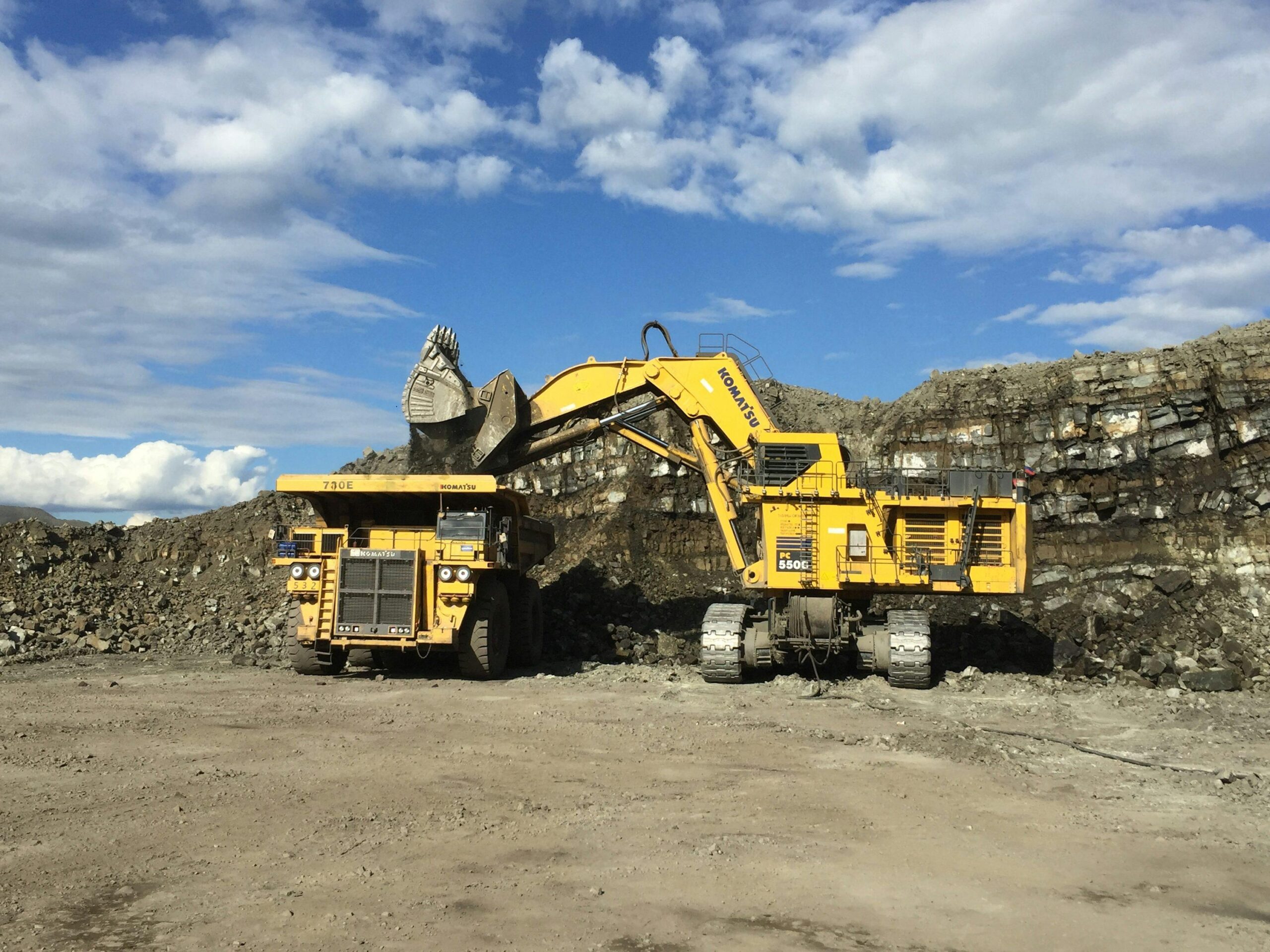
Gold mining companies are facing rising fuel, labor, and supply chain costs during growing geopolitical instability in 2026.
The Iran conflict continues influencing global energy markets and industrial inflation across mining operations.
Industry analysts say strong gold demand may partially offset rising operational pressure worldwide.
Johannesburg, South Africa (Parliament Politics Magazine) Gold mining inflation intensified across global commodity markets this week as major mining companies warned that rising fuel prices, energy volatility, labor expenses, and supply chain disruptions linked to geopolitical instability are increasing operational costs throughout the industry, according to information highlighted by Brussels Morning Newspaper. The growing financial pressure comes as the ongoing Iran conflict continues affecting global oil markets and industrial transportation systems.
Mining analysts say the latest increase in costs could reshape investment decisions, production strategies, and profitability across international gold operations during 2026.
The expanding Gold mining inflation trend also reflects broader economic uncertainty affecting commodity sectors worldwide as inflationary pressure continues spreading through energy-intensive industries.
“Mining operations are becoming significantly more expensive due to global geopolitical instability,”
one Johannesburg commodities strategist stated.
Gold Mining Inflation Data Snapshot 2026
- Location: Johannesburg, South Africa
- Year: 2026
- Industry: Gold mining
- Main Challenge: Rising operational inflation
- Key Drivers: Fuel, labor, logistics, and energy costs
- Market Impact: Pressure on profitability and production
- Focus Keyword: Gold mining inflation
Energy Prices Continue Driving Mining Costs Higher
The latest rise in Gold mining inflation is being heavily influenced by volatile energy markets tied to geopolitical tensions in the Middle East.
Gold mining operations rely extensively on diesel fuel, industrial electricity systems, transportation networks, and heavy machinery, making them highly sensitive to rising oil and energy prices.
The Iran conflict has increased concerns regarding global shipping routes and fuel supply stability, contributing to higher operational expenses for mining companies across multiple continents.
Several analysts noted that sustained increases in fuel costs could reduce profitability margins even during periods of strong gold prices.
Mining firms are also facing rising freight and logistics costs tied to global transportation disruptions.
Labor Expenses Add Pressure Across Mining Sector
The ongoing Gold mining inflation trend is also being fueled by higher labor costs throughout major mining regions.
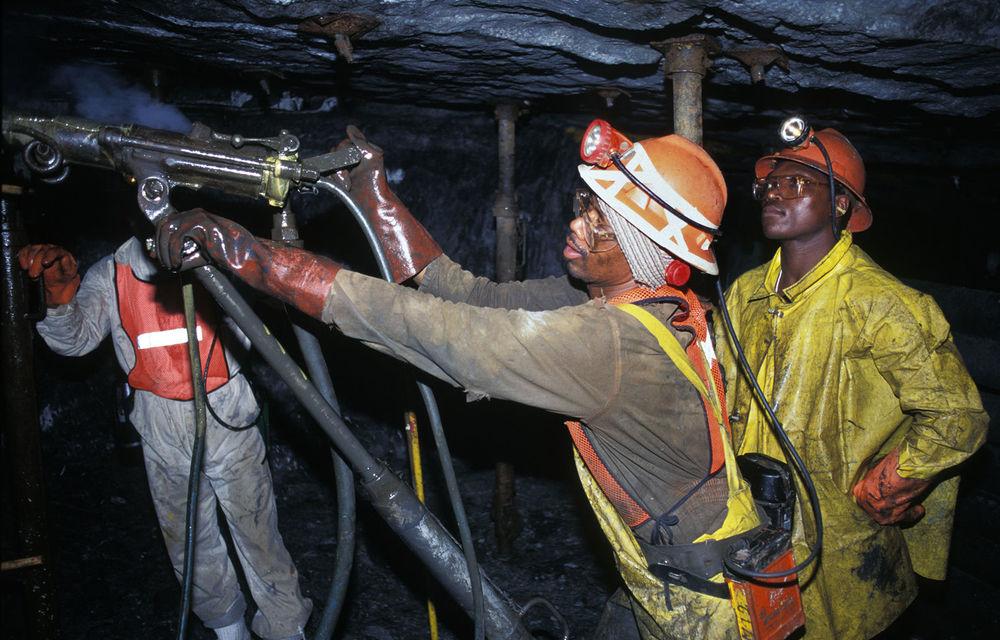
Mining companies continue facing wage pressure as inflation affects worker purchasing power globally. Skilled labor shortages in engineering, industrial maintenance, and heavy equipment operations are also contributing to increased staffing expenses.
Several industry groups have warned that labor negotiations may become increasingly difficult if inflation continues accelerating during the remainder of 2026.
Mining executives say maintaining workforce stability remains critical as operational demands increase across large-scale extraction projects.
“Labor and energy together now represent some of the largest financial risks facing mining operators,”
a South African mining consultant explained.
Supply Chain Disruptions Affect Industrial Operations
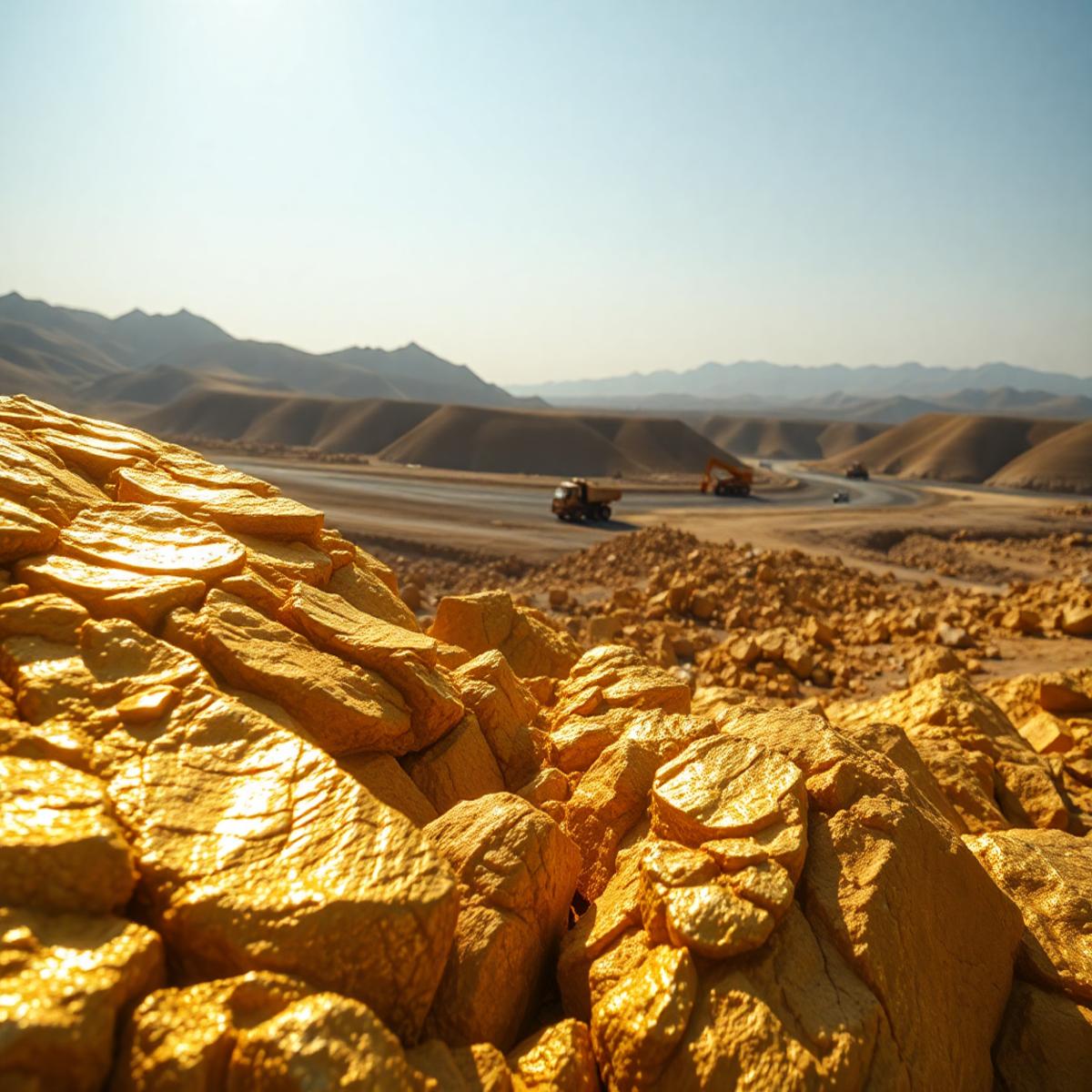
Global supply chain instability remains another major contributor to rising Gold mining inflation.
Mining operations depend on complex international procurement systems involving industrial chemicals, steel components, machinery parts, explosives, engineering equipment, and transportation infrastructure.
Recent geopolitical tensions and shipping disruptions have slowed deliveries and increased procurement costs across several mining supply chains worldwide.
Some companies have started increasing inventory reserves to reduce exposure to additional shortages and pricing volatility during periods of uncertainty.
Industry analysts believe supply chain resilience may become increasingly important for mining profitability over the next several years.
Gold Prices Remain Supported by Global Uncertainty
Despite growing operational challenges, many investors continue viewing gold as a safe-haven asset during periods of geopolitical instability and economic uncertainty.
The rise in Gold mining inflation is therefore occurring alongside relatively strong global gold demand as investors seek protection against inflation, geopolitical risks, and market volatility.
Several economists say higher gold prices may help offset some operational pressures for mining companies if investor demand remains elevated throughout 2026.
However, analysts caution that rapidly increasing operating expenses could still reduce earnings growth across the sector.
The broader commodities market continues monitoring developments tied to energy markets and geopolitical tensions in the Middle East.
Mining Investment Strategies Face New Challenges
The growing Gold mining inflation environment is forcing mining firms to reassess long-term investment and expansion strategies.
Several companies are reviewing infrastructure spending plans, operational budgets, and future project timelines due to uncertainty surrounding energy costs and global inflation trends.
Some mining executives are prioritizing operational efficiency improvements, automation technologies, and alternative energy systems to reduce long-term production costs.
Industry experts believe mining companies capable of controlling inflationary pressures effectively may gain competitive advantages within the global commodities sector.
Historical Comparison Highlights Industry Risks
Mining Sector Historically Vulnerable to Oil Price Shocks
The latest Gold mining inflation trends reflect patterns seen during earlier geopolitical crises involving major oil-producing regions.
Historically, sharp increases in oil prices have significantly affected mining operations because extraction industries rely heavily on energy-intensive industrial systems and international logistics networks.
During previous periods of geopolitical instability, mining companies frequently experienced rising transportation expenses, equipment costs, and operational delays tied to fuel market volatility.
Industry observers say the current environment combines several inflationary risks simultaneously, including energy inflation, labor shortages, and supply chain disruptions.
“The mining industry has always been highly vulnerable to global energy shocks,”
one European commodities analyst stated.
Infrastructure and Transportation Costs Continue Rising
The latest Gold mining inflation pressures are also increasing infrastructure and transportation expenses tied to global mining operations.
Maintaining roads, heavy equipment, processing facilities, and industrial energy systems has become increasingly expensive during the current inflationary cycle.
Shipping costs for mining equipment and industrial materials have also risen sharply due to global freight market volatility.
Some mining firms are exploring localized sourcing strategies to reduce dependency on international logistics systems affected by geopolitical risks.
Industry leaders say infrastructure reliability remains essential for maintaining stable production operations during uncertain market conditions.
Investors Monitor Gold Sector Closely
The rise in Gold mining inflation continues attracting close attention from institutional investors and commodities traders worldwide.
Many investors see gold producers as potential beneficiaries during periods of geopolitical instability because higher uncertainty often supports stronger precious metals prices.
However, concerns remain regarding whether rising gold prices can fully offset increasing operational expenses affecting mining companies.
Several analysts believe mining firms with stronger energy management and procurement strategies may outperform competitors if inflationary pressure persists.
Long-Term Outlook for Gold Mining Inflation
Industry experts say the future direction of Gold mining inflation will depend largely on global energy markets, geopolitical developments, labor conditions, and broader inflation trends during the remainder of 2026.
If geopolitical instability surrounding Iran continues affecting oil markets and shipping networks, mining companies could face prolonged cost pressure throughout the year.
At the same time, sustained investor demand for gold during uncertain economic conditions may continue supporting strong commodity prices globally.
Mining executives are expected to remain focused on operational resilience, cost management, and supply chain security as inflation risks remain elevated.
What Gold Mining Inflation Means for the Global Economy
The latest rise in Gold mining inflation highlights how geopolitical instability and rising energy prices are affecting industrial sectors worldwide. Mining companies continue facing higher labor, transportation, and operational expenses as global uncertainty spreads across commodity markets.
While gold demand remains strong during periods of economic instability, mining firms must navigate increasingly difficult financial conditions during one of the most volatile operating environments seen in recent years.