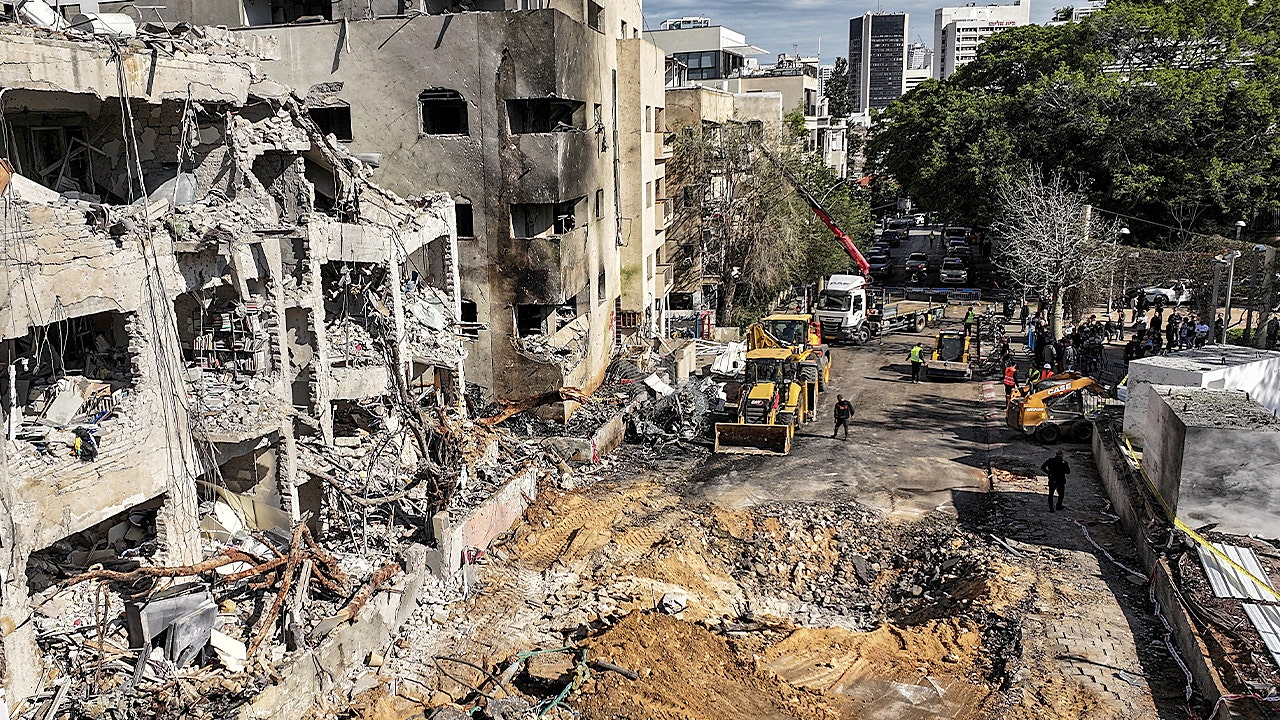
Hezbollah, Iran Launch Coordinated Cluster Bomb Attacks on Israel
In a dramatic escalation of regional tensions, Hezbollah and Iran have executed synchronized cluster bomb strikes against Israel, intensifying the long-standing hostilities in the region. The attacks, which occurred on [insert specific date], were launched from multiple locations in Lebanon and were reportedly aimed at key Israeli military installations. Analysts suggest these coordinated strikes are a show of force in response to Israel’s ongoing military operations in Syria and the broader geopolitical maneuverings in the Middle East.
Growing Tensions in the Region
The Middle East has long been a hotspot of conflict, but recent developments have raised fears of a wider confrontation. The latest attack comes after months of rising tensions between Israel and Iranian-backed groups, particularly Hezbollah. With Iranian arms supplies to Hezbollah reportedly increasing, tensions have reached a boiling point, prompting unprecedented military actions.
Israel’s military response was swift, launching airstrikes targeting Hezbollah positions in southern Lebanon. As the situation evolves, the international community is closely monitoring the potential for an escalating military conflict that could draw in neighboring countries and global powers.
Background of the Conflict
The roots of the conflict between Israel and Hezbollah date back to the 1980s, but recent developments have exacerbated long-standing grievances. Hezbollah, viewed as a terrorist organization by Israel and other Western nations, has increasingly positioned itself as a defender of Iranian interests in the region. The group has gained experience and weaponry through its involvement in the Syrian civil war, which has also been a stage for Iranian military operations.
Iran, through its support for Hezbollah, aims to establish a foothold against Israel, complicating matters further. As Israel continues to conduct operations against Iranian targets in Syria, the stakes have continually risen.
The Role of International Players
Global responses to the escalating situation have been varied. The United States has expressed strong support for Israel, emphasizing its right to defend itself against external threats. Conversely, countries in the Arab world have been more cautious, advocating for de-escalation while also expressing concerns about Iranian influence in the region.
The United Nations has called for restraint from both sides, urging a peaceful resolution to the conflict. However, the effectiveness of diplomatic efforts remains questionable, especially given the rising anti-Israel sentiments fueled by recent events.
Military Capabilities and Strategy
The cluster bomb strikes reportedly employed by Hezbollah highlight a shift in military strategy. Cluster munitions are controversial due to their potential for indiscriminate harm to civilians. Militant groups like Hezbollah have been known to target military installations, but the recent use of cluster bombs shows a willingness to escalate their attacks, potentially endangering civilian lives in the process.
Israeli officials have stated that the use of such munitions is a violation of international law and may garner further condemnation from the global community. Additionally, the implications of these strikes extend beyond immediate military concerns; they could strain diplomatic relations and further polarize the region.
Broader Implications for Peace
The recent escalation raises urgent questions about the future of peace in the region. The Israeli-Palestinian conflict remains unresolved, and heightened hostilities complicate any potential peace initiatives. Leaders in the United States and Europe have long advocated for a two-state solution, but escalating violence may push these discussions further away.
Moreover, the developments will likely influence the geopolitical balance in the Middle East. Persistent instability could lead to increased involvement from other powers such as Russia or Turkey, each with their own interests in the region. As new alliances form and old ones fracture, the consequences of this conflict could reverberate far beyond the borders of Israel and Lebanon.
Humanitarian Concerns
Beyond the military implications, the humanitarian aspect of the conflict cannot be understated. Civilian casualties, displacement, and destruction of infrastructure are likely outcomes of any prolonged military engagement. Human rights organizations have thus far condemned the bombing, pointing out the dire consequences for civilians caught in conflict zones.
Refugees from previous conflicts are already a humanitarian crisis in the region, and further escalation could exacerbate the situation, leading to a new wave of displacement. Access to essential services, such as healthcare and food, may be severely compromised as military actions unfold.
Call for De-escalation
Global leaders are urged to prioritize diplomacy to de-escalate the current situation. While military strategies may be essential for nations seeking self-defense, dialogue remains critical for long-term peace. The international community must come together to address the roots of the conflict, as well as the immediate threats posed by escalating hostilities.
In conclusion, the coordinated cluster bomb strikes by Hezbollah and Iran on Israel mark a dangerous turning point in an already volatile region. As hostilities threaten to spiral out of control, the need for effective dialogue and conflict resolution has never been more essential. Attention must focus not only on military strategies but also on the humanitarian needs and the urgent search for a sustainable peace.
Follow-Up and Monitoring
As the situation develops, updates will be provided on military actions, diplomatic efforts, and the broader implications for the Middle East and beyond. The international community remains vigilant, hoping for a peaceful resolution to a conflict that affects millions across the globe.