

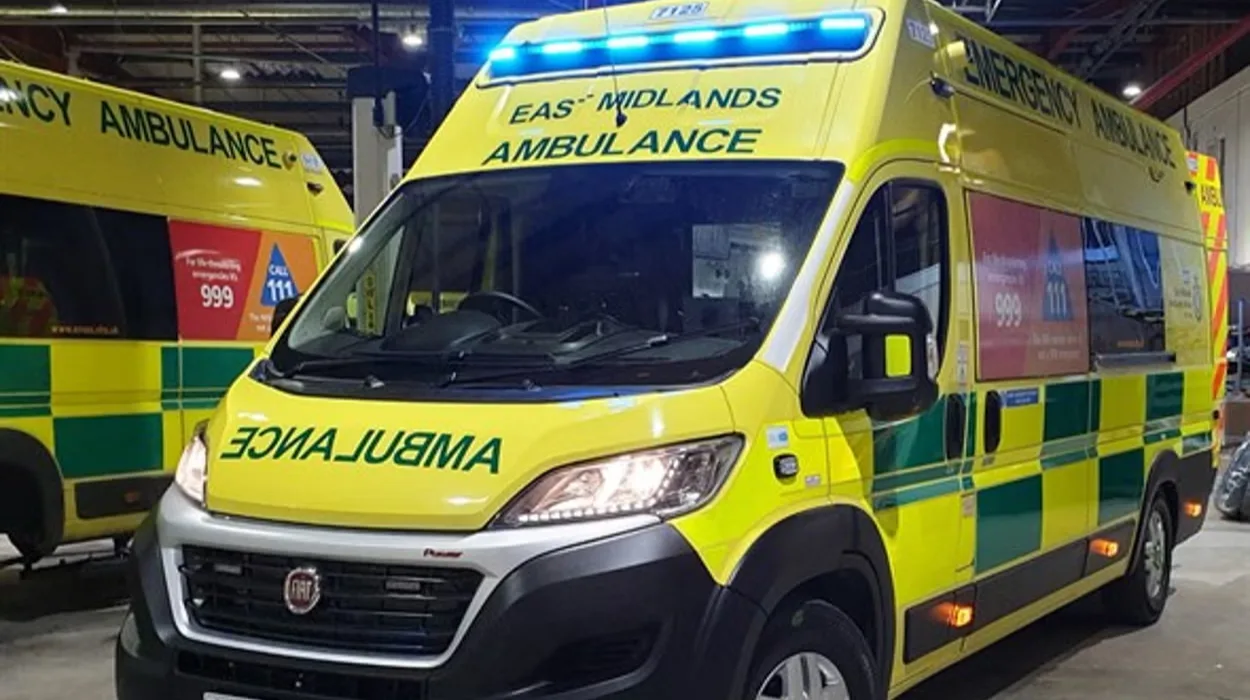
The East of England Ambulance Service NHS Trust (EEAST) plays a critical role in providing emergency medical and transport services across Bedfordshire, Hertfordshire, Essex, Norfolk, Suffolk, and Cambridgeshire. Serving a population of around 6.3 million across an area spanning approximately 7,500 square miles, EEAST ensures that patients with serious or life-threatening injuries receive the urgent care they require 24 hours a day, year-round.
Scope of Services Provided by EEAST
The East of England Ambulance Service NHS Trust (EEAST) is one of the ten independent ambulance trusts operating in England, responsible for providing emergency medical responses, non-emergency patient transport, and specialized resilience and hazardous incident services across Bedfordshire, Hertfordshire, Essex, Norfolk, Suffolk, and Cambridgeshire.
The trust works across six Integrated Care Systems (ICSs) and 15 Clinical Commissioning Groups, coordinating healthcare for a population of around 6.3 million people across 7,500 square miles.
In the financial year 2023/24, EEAST responded to over 1.38 million emergency 999 calls, demonstrating its critical role in emergency healthcare. The Trust’s Clinical Assessment Service provided advice and triaged approximately 10% of callers remotely, highlighting the importance of telephone triage in managing demand.
EEAST also completed nearly 480,000 non-emergency patient transport service journeys, facilitating access to healthcare for patients requiring transportation to and from hospitals or treatment centers. Additionally, the trust managed over 850,000 calls through its commercial contact center, known as CallEEAST, underscoring the extensive scope of its operations.
EEAST employs more than 5,000 staff members and benefits from the support of over 1,000 dedicated volunteers, reflecting a strong and committed workforce devoted to both emergency response and scheduled patient care.
This extensive staffing, alongside the trust’s substantial operational footprint, enables EEAST to provide continuous and comprehensive ambulance and patient transport services to the diverse communities of the East of England.
Fleet Composition: Ambulances and Specialized Vehicles
As of January 2025, the East of England Ambulance Service’s fleet is made up of:
- 521 frontline vehicles: These are ambulances deployed to handle emergency incidents and provide immediate medical support.
- 67 rapid response vehicles (RRVs): Smaller vehicles staffed by paramedics or emergency care practitioners, designed to arrive quickly and initiate urgent care.
- 180 non-emergency ambulances: Dedicated to patient transport service, assisting patients needing scheduled or non-urgent transfer to hospitals or treatment centers.
- 37 Hazardous Area Response Team (HART) and major incident vehicles: These specialized units respond to critical incidents involving hazardous materials or major emergencies, providing advanced clinical support.
Ambulances are equipped with modern medical technology, including automatic self-loading stretchers, and are increasingly eco-friendly to align with environmental standards.
Recent and Upcoming Fleet Upgrades
Recent efforts to upgrade the ambulance fleet have included the acquisition of 12 new Fiat Ducato ambulances across Cambridgeshire, Norfolk, and Waveney. This is part of a broader replacement plan involving more than 200 vehicles to enhance operational capacity and staff comfort.
Looking ahead, EEAST has ordered 89 new MAN and Ford vehicles expected to increase the fleet size to around 513 vehicles by the end of the 2024/25 financial year. This renewal plan addresses aging vehicles, aiming to improve reliability and efficiency of emergency responses.
These upgrades are supplemented by initiatives to maintain high vehicle availability. On average, the fleet maintains a 97% availability rate despite challenges such as supply chain delays for key mechanical parts and increasing maintenance demands.
Vehicle Maintenance and Availability Challenges
Maintaining a large fleet like that of the East of England Ambulance Service requires managing both planned and unplanned maintenance effectively. On any given day, about 20 to 30 vehicles undergo scheduled servicing or MOT checks to ensure their continued reliability.
However, an additional 125 to 135 vehicles may be temporarily out of service due to unexpected mechanical issues. This careful capacity management helps ensure that a sufficient number of ambulances remain available to meet urgent demands. Nevertheless, certain areas, including Suffolk and North East Essex, have experienced higher rates of vehicle unavailability, prompting the trust to conduct targeted reviews and redistribute resources as needed.
To address these challenges and minimize repair delays, EEAST has implemented additional mobile mechanic units, increased parts stockpiles, and launched competitive recruitment efforts to attract skilled technicians, all aimed at improving maintenance efficiency and fleet availability.

Staff and Operations Centres
EEAST’s workforce is supported by three ambulance operations centers located strategically across Bedford, Chelmsford, and Norwich. These centers coordinate emergency response dispatching, integrate multiple communication channels, and ensure efficient fleet deployment across the region.
Staff include paramedics, emergency medical technicians, call handlers, clinical assessors, and volunteer responders, who collaborate to provide rapid, high-quality pre-hospital care.
Advanced Clinical Services and Critical Care Support
Beyond ambulance transport services, the East of England Ambulance Service NHS Trust (EEAST) supports several advanced clinical services aimed at enhancing patient care and optimizing resource use. One key initiative is the “Hear and Treat” service, which provides emergency clinical advice remotely, helping to reduce unnecessary ambulance dispatch by offering urgent guidance over the phone.
Additionally, the “See and Treat” program empowers trained paramedics to deliver treatment at the patient’s location without requiring hospital conveyance, improving efficiency and patient outcomes.
EEAST also collaborates closely with critical care partners such as air ambulance charities—including Magpas, Essex & Herts Air Ambulance, and East Anglian Air Ambulance—and specialist trauma teams who deliver enhanced pre-hospital care during serious emergencies.
To ensure these high-resource teams are deployed effectively in life-threatening situations, specialized Critical Care Desk teams composed of experienced paramedics and dispatchers prioritize urgent calls, thereby maximizing the chances of positive patient outcomes. These combined services demonstrate EEAST’s commitment to innovation and excellence in pre-hospital emergency medical care.
The Importance of Ambulance Services in Public Health
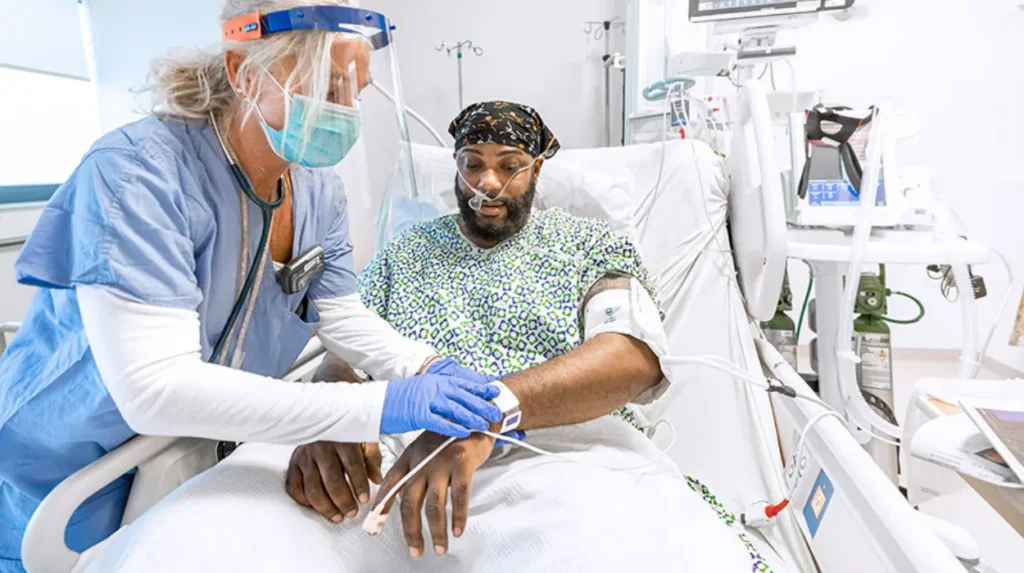
Ambulance services like EEAST form the frontline of healthcare delivery, enabling timely medical intervention that can significantly influence survival and recovery rates. With thousands of emergency calls daily, the trust’s ability to provide rapid and competent response is central to the NHS’s commitment to universal, lifesaving care.
By continuously renewing and expanding its fleet, investing in staff training, and improving operational systems, EEAST adapts to growing demand and complex challenges, including demographic shifts, emerging health threats, and technological advancements.
The East of England Ambulance Service is a vital component of the NHS infrastructure, facilitating emergency care and patient transport for over six million residents across a large geographical area. Its substantial fleet of frontline ambulances, rapid response vehicles, non-emergency transport units, and specialized teams demonstrates the scale and sophistication required to meet diverse healthcare needs.
Continuous investment in fleet renewal, staff empowerment, and innovative response models ensures EEAST remains well-equipped to deliver high-quality, timely emergency medical services. Understanding how many ambulances are in the east of England underscores the region’s commitment to protecting health and saving lives through efficient, compassionate ambulance care.
