
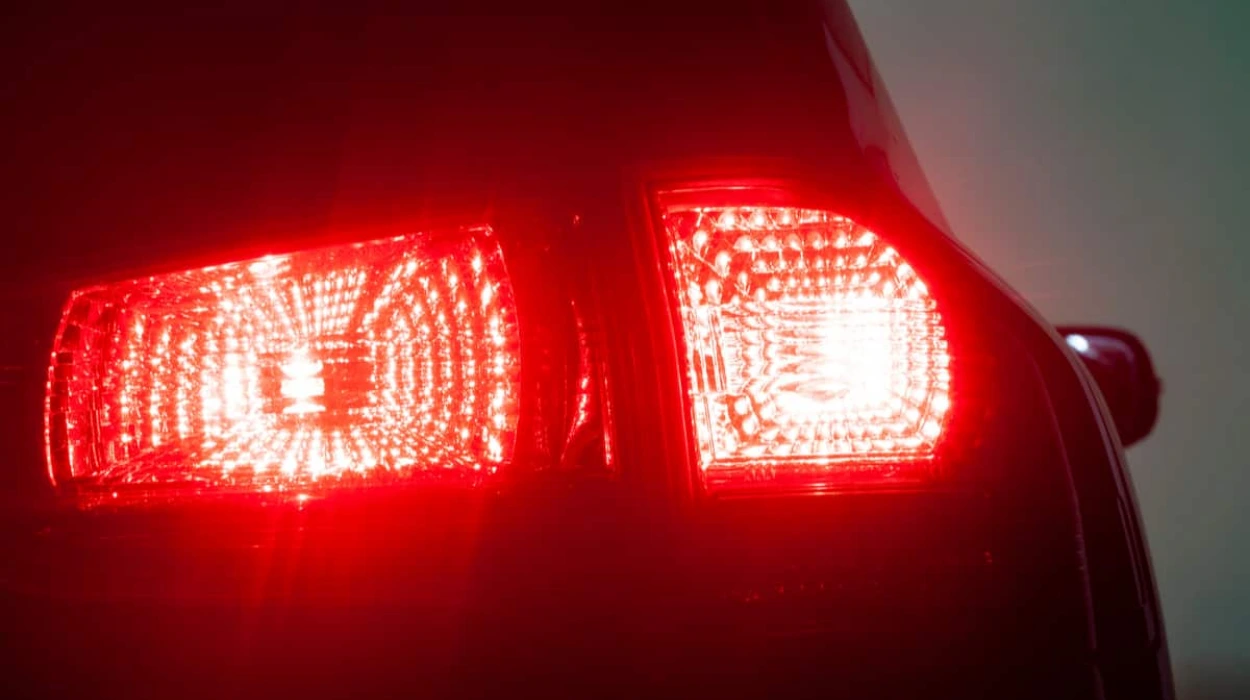
In the UK, vehicle lighting—including brake lights—is strictly regulated to maximize road safety. The Road Vehicles Lighting Regulations 1989 specify the precise standards for brake lights: every road vehicle must be equipped with two brake lights, positioned and functioning in a manner visible to other road users.
Brake lights act as essential communication tools on the road. When a driver presses the brake pedal, the brake lights illuminate, warning following drivers to slow down. Properly functioning brake lights are especially crucial in poor weather or low visibility conditions, conditions under which rear-end collisions are more likely to occur.
UK Legal Requirements for Brake Lights
Number and Position of Brake Lights
By law, every vehicle must have two operational brake lights—one on either side of the rear of the vehicle. These must be mounted between 350mm and 1500mm above the ground and be at least 400mm apart laterally to ensure clear visibility from behind.
Some vehicles also have a third, centrally placed high-level brake light (often called the Centre High Mount Stop Lamp or CHMSL), which enhances visibility, though it is an additional safety feature rather than a strict legal requirement.
Exceptions to the Rule
Certain vintage or agricultural vehicles may have different lighting specifications, but modern passenger cars and commercial vehicles must comply fully with these regulations.
The Importance of Maintaining Brake Lights
Brake lights are more than legal requirements—they are vital for protecting lives. Studies indicate that nearly one-quarter of rear-end collisions are connected to malfunctioning brake lights, highlighting their safety significance.
When brake lights function correctly, they enable other road users, including vulnerable groups like cyclists and motorcyclists, to anticipate stops and avoid collisions. The UK’s Highway Code Rule 87 underlines the necessity of keeping all vehicle lights in operational condition.
Legal Consequences of Faulty Brake Lights
Driving with defective brake lights can result in immediate penalties under UK law:
- A fixed penalty of £100 may be issued by the police,
- Drivers may also receive penalty points on their license,
- Insurance claims can be rejected if accidents occur while vehicle lights are faulty.
Authorities also conduct MOT inspections, where lighting is a critical checkpoint. Vehicles with broken or missing brake lights will fail MOT tests, preventing them from legally being driven on public roads.
Common Brake Light Issues and Solutions
Diagnosing Faults
Common problems with brake lights include burnt-out bulbs, wiring faults, malfunctioning brake light switches, and corroded or loose connections. Drivers can perform simple tests themselves or ask a helper to check whether all brake lights illuminate properly when the brake pedal is pressed, helping to identify any issues early.
Replacement and Repairs
When replacing bulbs or components, it’s essential to use parts compliant with British standards such as BS AU 145a to ensure legal and safety compliance. Temporary repairs are allowed only if they meet regulatory requirements until permanent fixes can be made.
Regular maintenance checks, recommended weekly by the Driver and Vehicle Standards Agency (DVSA), help avoid unexpected failures.
Vehicle Lighting Systems and Brake Light Functions
Brake lights serve a specific role that differs from other vehicle lights. Position lamps indicate the vehicle’s position and width to other road users, while fog lights enhance visibility during adverse weather conditions. Brake lights, however, have the critical function of warning other drivers when the vehicle is decelerating. Together, these lights form a comprehensive safety system that adapts to a wide range of driving situations.

Regulatory Frameworks and MOT Standards
The Road Vehicles Lighting Regulations (RVLR) 1989 provide detailed guidance on vehicle lighting, including brake lights, headlamps, reflectors, and fog lights. The MOT testing manual includes sections that specify requirements for correct light alignment, visibility, and functioning.
Vehicles that have undergone modifications must comply with these standards and be supported by appropriate documentation. Historic vehicles have certain exemptions; however, commercial vehicles face stricter rules.
Importance of Expert Legal Help
Navigating vehicle lighting regulations can be complex. Organisations like Legal Priority offer expert advice and support to drivers facing defect notices or penalties related to brake light malfunctions or other vehicle compliance issues.
Their services include representation in magistrates’ courts, interpretation of construction standards, and pre-MOT checks to ensure legal adherence and avoid costly fines. Legal Priority’s expertise helps drivers maintain compliance and safety on UK roads.
Understanding Vehicle Lighting Regulations for Vintage and Modified Cars
While modern vehicles must adhere strictly to UK lighting laws, vintage and custom-modified cars often fall under distinct exemption categories. Understanding how brake light requirements apply to these vehicles—often with allowances for alternative lighting setups or placement—helps owners ensure they remain compliant within legal bounds.
Proper documentation and adherence to any permissible modifications safeguard owners from penalties while preserving the uniqueness of their vehicles.
The Impact of Enhanced Brake Light Technologies on Road Safety
Technological advances, such as LED brake lights, adaptive lighting systems, and centralized high-mounted stop lamps, have vastly improved brake light effectiveness. These innovations enhance visibility, reduce reaction times for drivers behind, and contribute to a decrease in rear-end collisions.
As vehicle lighting technology continues to evolve, understanding these improvements can help drivers appreciate their safety benefits and encourage timely adoption or upgrades.
Understanding how many brake lights are required by law in the UK is essential for all drivers committed to road safety and legal compliance. The mandatory two brake lights work as crucial signals preventing accidents, especially in low visibility, making vehicle maintenance and adherence to lighting laws non-negotiable.
Through consistent upkeep, awareness of relevant regulations, and consulting expert legal advice when needed, drivers can avoid penalties and ensure safer journeys.
As vehicle lighting technology continues to advance, future innovations promise even greater safety benefits.
Investing time in maintaining brake lights not only complies with the law but fundamentally protects lives on UK roads.