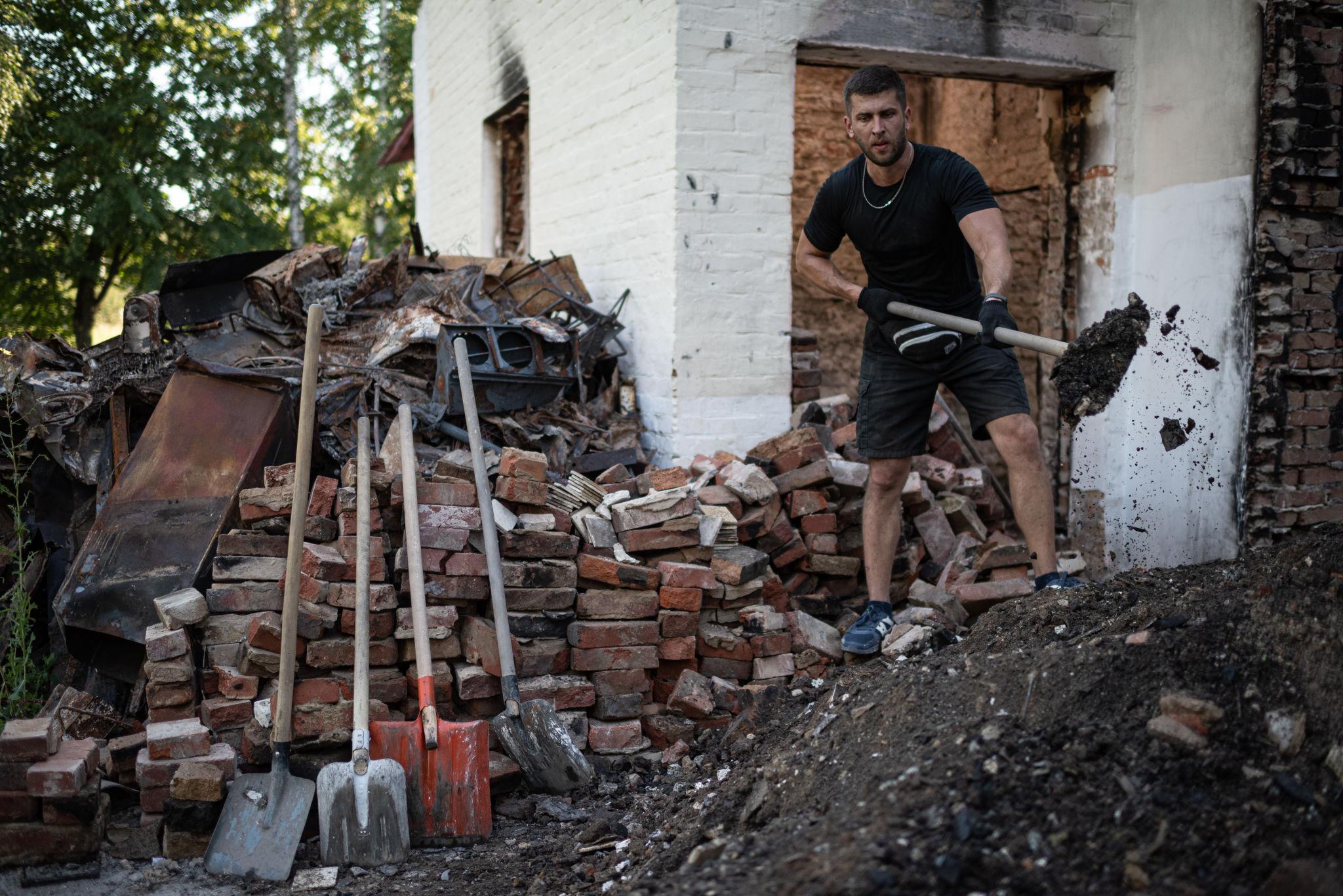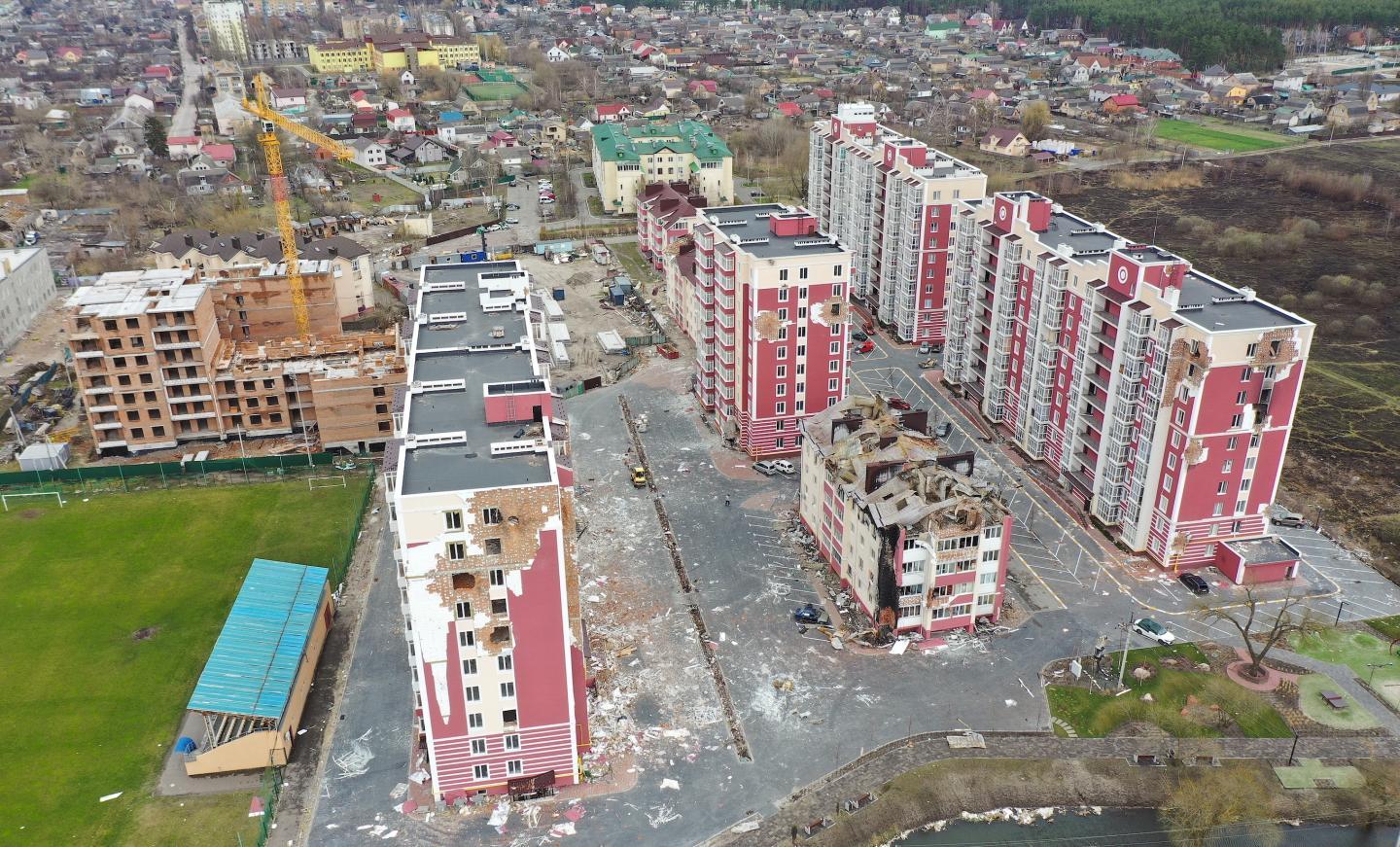
Beirut, Lebanon, April 18, 2026 (Parliament Politics Magazine) Humanitarian crisis recovery is emerging as one of the most pressing global challenges as communities affected by conflict attempt to rebuild not only infrastructure but also lives disrupted by violence, displacement, and uncertainty. While reconstruction of homes and public facilities is underway in several regions, experts emphasize that restoring human well-being remains a far more complex process.
A widely cited observation from aid workers captures the issue clearly:
“Rebuilding structures can be measured in months, but rebuilding people takes years.”
Topic Focus: Post-Conflict Recovery and Human Impact
This report examines post-conflict recovery, focusing on human impact, social rebuilding, and long-term resilience within affected communities.
Geographic Focus: Conflict-Affected Regions Worldwide
Although highlighted in Lebanon, humanitarian crisis recovery is a shared challenge across multiple regions, including parts of the Middle East, Africa, and Eastern Europe where communities continue to recover from conflict.
5 Urgent Challenges in Humanitarian Recovery
1. Psychological Trauma and Mental Health
The humanitarian crisis recovery process is deeply affected by trauma experienced during conflict. Many individuals require long-term psychological support, which is often limited in affected regions.
2. Displacement and Reintegration
Large populations remain displaced, making humanitarian crisis recovery dependent on successful reintegration and rebuilding of communities.
3. Economic Instability
Loss of livelihoods presents a major barrier, as humanitarian crisis recovery requires sustainable economic opportunities for long-term stability.
4. Social Fragmentation
Communities often face weakened social bonds, complicating efforts tied to humanitarian crisis recovery and rebuilding trust.
5. Limited Resources and Infrastructure
Despite reconstruction efforts, resource constraints continue to slow humanitarian crisis recovery progress.
Reconstruction vs. Human Recovery
While physical rebuilding offers visible progress, humanitarian crisis recovery highlights the gap between infrastructure development and human resilience. Homes can be rebuilt with materials and funding, but emotional and social recovery requires sustained effort.
A humanitarian worker stated,
“We can rebuild cities faster than we can rebuild the confidence and stability of the people who live in them.”
Role of Aid Organizations
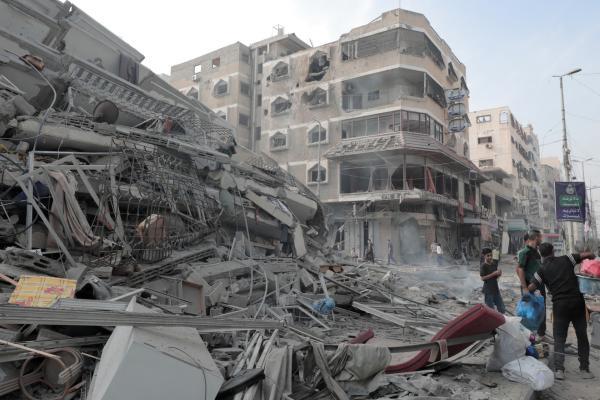
Humanitarian agencies remain central to humanitarian crisis recovery, providing essential services such as healthcare, education, and psychological support. Their efforts focus on both immediate relief and long-term development.
However, experts note that recovery efforts require coordination among governments, organizations, and local communities.
Community Resilience and Local Initiatives
Local communities play a critical role in humanitarian crisis recovery. Grassroots initiatives, support networks, and community-driven projects contribute significantly to rebuilding efforts.
These efforts demonstrate resilience and highlight the importance of local engagement in recovery processes.
Economic Recovery and Long-Term Stability
Economic rebuilding is a key component of humanitarian crisis recovery. Job creation, investment, and infrastructure development are essential for restoring stability.
Analysts suggest that without economic opportunities, recovery efforts may face long-term challenges.
International Support and Strategic Importance
Global support remains vital for humanitarian crisis recovery, with international funding and expertise helping to address complex challenges.
Sustained commitment is necessary to ensure that recovery efforts extend beyond immediate relief and contribute to lasting stability.
Latest Updates & Coverage Timeline
This article on humanitarian crisis recovery will be updated as new verified information becomes available. Ongoing coverage ensures timely and accurate reporting.
Editorial Integrity & Reporting Standards
This report on humanitarian crisis recovery adheres to strict editorial standards, ensuring accuracy, neutrality, and responsible reporting. All information is based on verified insights and presented without misleading or harmful content.
What This Means for Global Recovery Efforts
The ongoing focus on humanitarian crisis recovery underscores the importance of addressing both physical and human aspects of rebuilding. Long-term success depends on sustained efforts across multiple sectors.