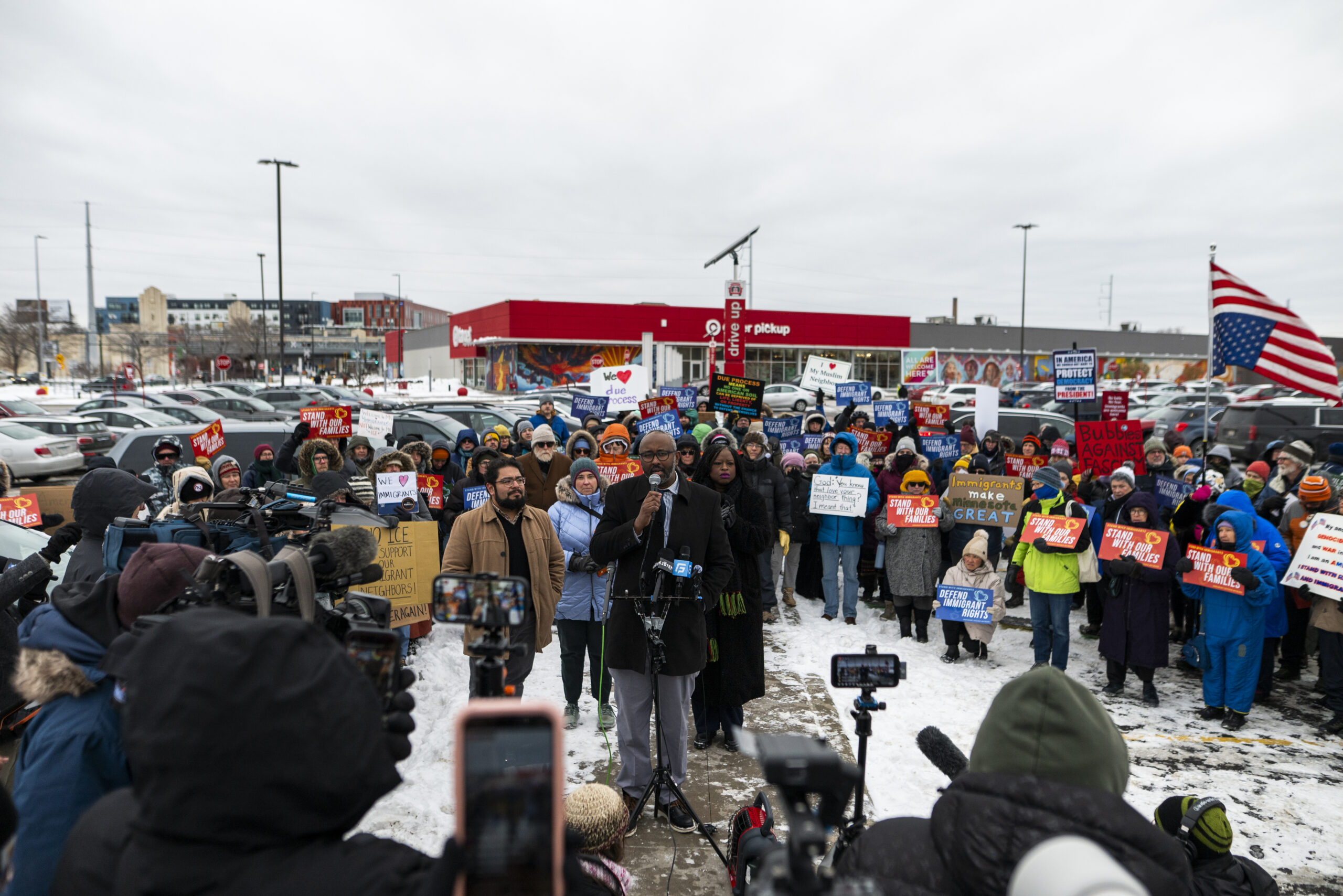
Minneapolis, Minnesota — January, 2026, immigration enforcement returned to the center of national attention as expanded federal actions linked to ICE Minnesota intensified protests, political resistance, and legal scrutiny, underscoring deep divisions over immigration policy, federal authority, and community trust.
A City at the Center of a National Argument
Minneapolis has long been recognized as a symbol of refugee resettlement and multicultural growth. Over the past two decades, immigrant communities have helped shape the city’s economic, cultural, and political identity. That legacy is now being tested as federal enforcement actions draw unprecedented attention.
The latest developments have transformed local concerns into a nationwide debate. Lawmakers, advocacy groups, and policy analysts say what happens in Minnesota could influence immigration enforcement practices across the country for years to come.
How Enforcement Expanded Across the Twin Cities
Federal authorities describe the current enforcement posture as a continuation of existing law, emphasizing accountability and compliance. Critics counter that recent actions represent a noticeable escalation in scope and visibility. Increased patrols, arrests, and compliance checks have altered daily life in some neighborhoods.
Community organizers argue that the operational footprint of ICE Minnesota has grown sharply since late 2025, creating widespread fear among immigrant households and prompting families to avoid public spaces, workplaces, and schools.
Why Minnesota Became a Political Flash-point
Minnesota’s demographic profile plays a significant role in the controversy. The state is home to one of the largest Somali American populations in the United States and has a history of progressive local governance. Analysts say this combination has made enforcement activity politically symbolic.
National figures have frequently referenced Minnesota as an example of federal authority confronting local resistance. As a result, actions by ICE Minnesota are often viewed through a broader ideological lens rather than as isolated enforcement decisions.
Political Leadership Responds
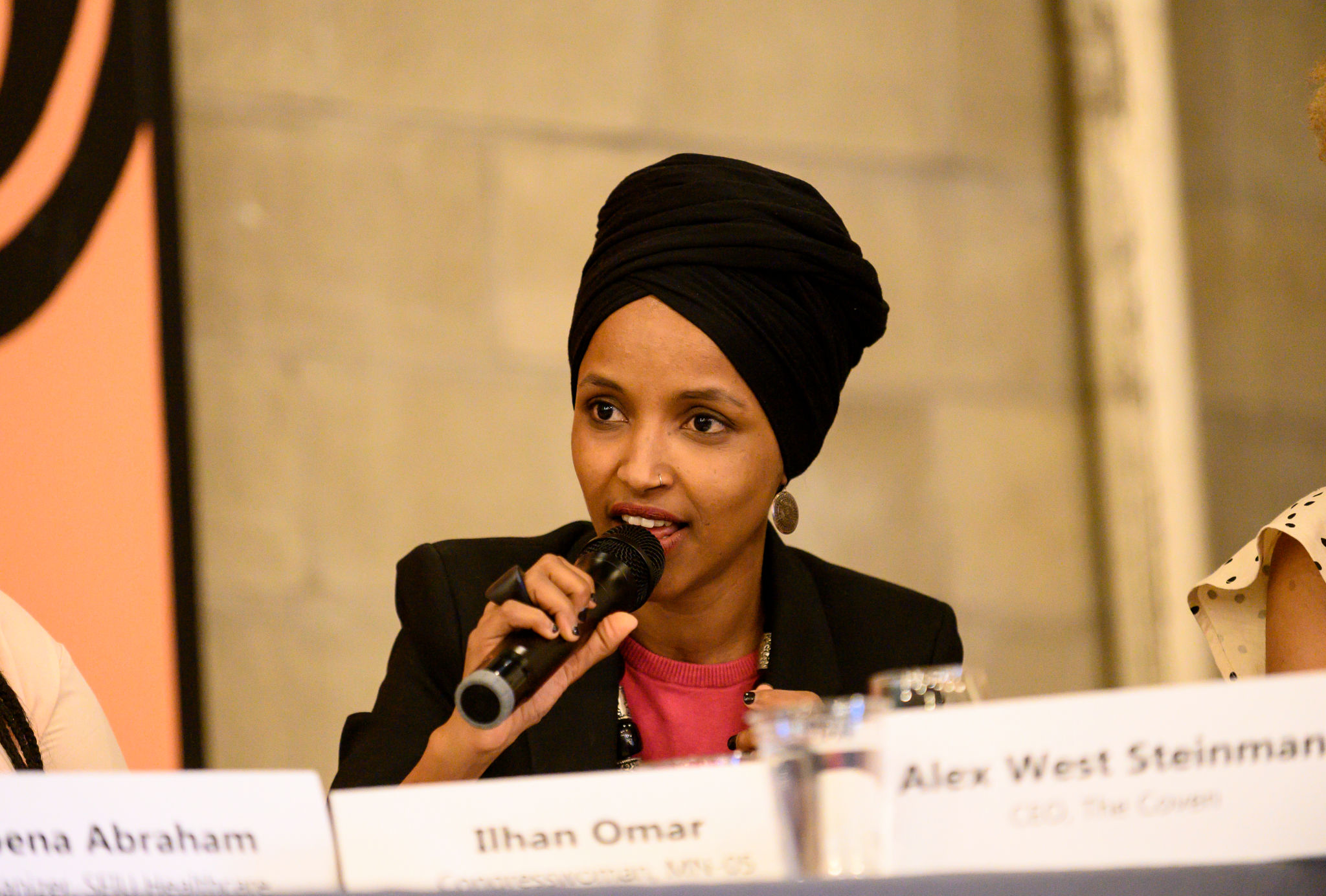
Among the most vocal critics has been Ilhan Omar, who represents much of Minneapolis in the U.S. House of Representatives. She has accused federal agencies of targeting communities based on race and religion and has called for congressional oversight of immigration enforcement practices.
State and city officials have echoed those concerns, arguing that aggressive enforcement undermines public safety by discouraging cooperation with local law enforcement and social services.
Public Protests Gain Momentum
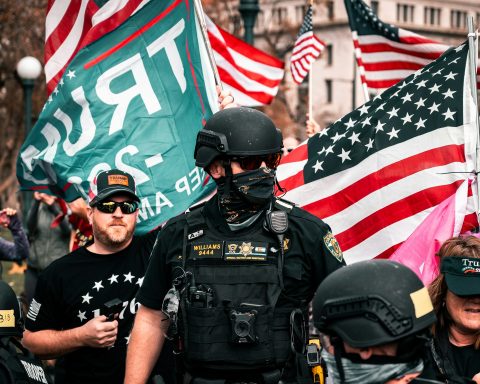
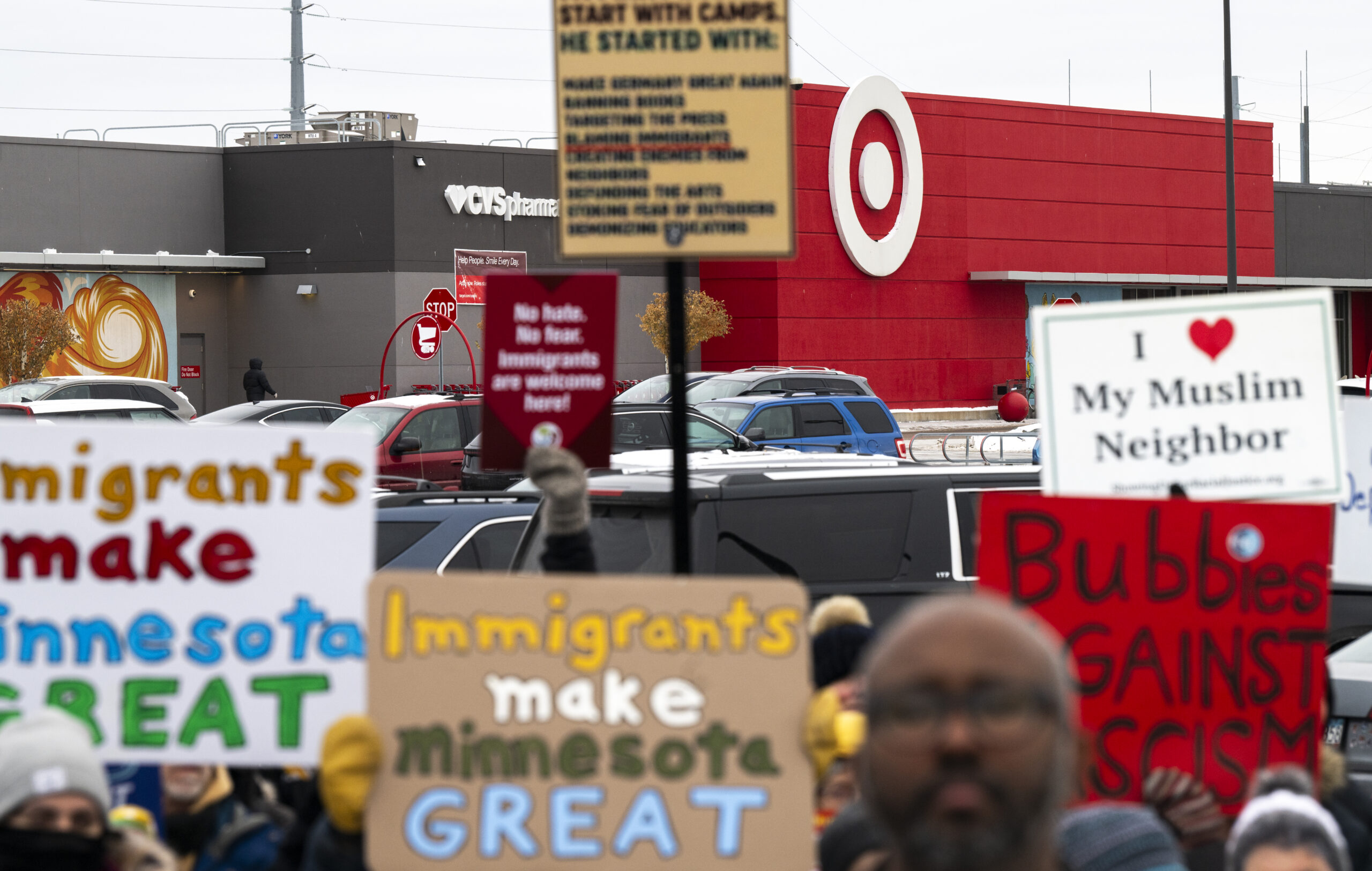
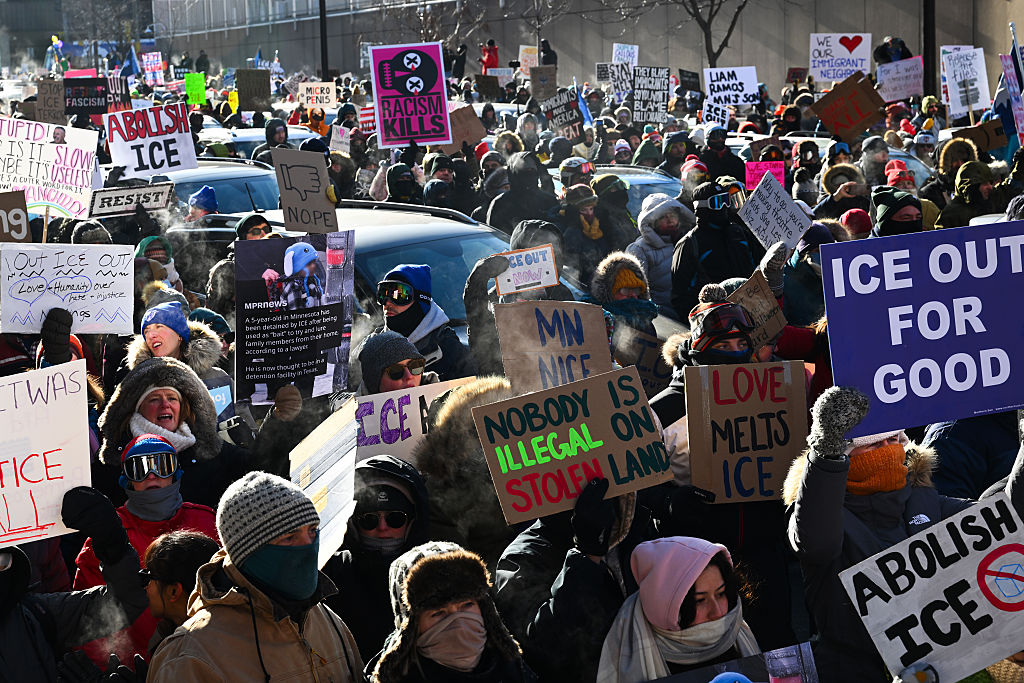
Public anger has translated into sustained demonstrations across Minneapolis and neighboring cities. Marches, candlelight vigils, and community forums have drawn thousands of participants from diverse backgrounds.
Organizers say the protests are not only about immigration policy but also about civil liberties and the right of communities to exist without fear. Many demonstrators cite encounters with ICE Minnesota as the catalyst for their activism.
Town Hall Disruption Highlights Tensions
The emotional intensity of the issue was underscored during a public town hall meeting in Minneapolis earlier this month. The event, focused on immigration and community safety, was briefly disrupted by an individual who attempted to interrupt speakers.
Although no serious injuries were reported, the incident reflected the charged atmosphere surrounding immigration discussions linked to ICE Minnesota and illustrated how deeply personal and polarizing the topic has become.
One Legal Perspective
A senior civil rights attorney involved in related litigation said,
“The scale and visibility of these actions have fundamentally altered the relationship between immigrant communities and federal authority.”
This view has been echoed by legal scholars who warn that prolonged enforcement campaigns could have lasting effects on civic engagement and trust.
Legal Challenges Move Forward
Several civil rights organizations have filed lawsuits seeking to limit or suspend specific enforcement practices. The cases argue that actions associated with ICE Minnesota violate constitutional protections, including due process and equal protection.
Legal experts say the courts may be asked to clarify the boundaries between federal enforcement authority and local autonomy, a question with implications far beyond Minnesota.
Federal Defense of Enforcement Strategy
Federal officials maintain that their actions are lawful and necessary. Statements from Washington emphasize that immigration enforcement prioritizes public safety and compliance with federal law.
Officials insist that ICE Minnesota operates under clear guidelines and denies allegations of indiscriminate targeting. Critics dispute those claims, pointing to accounts from residents and advocacy groups that describe a different reality on the ground.
Economic Consequences for Local Communities
The enforcement activity has had measurable economic effects. Employers in construction, food processing, and service industries report labor shortages. Small business owners say uncertainty has reduced consumer activity in some neighborhoods.
Social service organizations report rising demand for emergency housing, legal aid, and counseling services tied to stress and disruption associated with ICE Minnesota operations.
Impact on Families and Schools
Educators in Minneapolis schools say student attendance has been affected, particularly in neighborhoods with high immigrant populations. Teachers report that some children are fearful of leaving home or worry about family members being detained.
Child welfare advocates warn that prolonged anxiety linked to ICE Minnesota enforcement could have long-term consequences for mental health and educational outcomes.
Media Attention and National Discourse
National media outlets have focused heavily on Minnesota, portraying it as a battleground over immigration enforcement. Coverage of protests, arrests, and political statements has elevated the profile of ICE Minnesota far beyond state borders.
Public opinion polls suggest Americans remain divided, with strong views on both sides regarding the role of federal immigration enforcement.
Law Enforcement Relationships Under Pressure
Local police departments have emphasized that they do not participate in federal immigration enforcement. Minneapolis officials stress that city police remain focused on community policing and crime prevention.
Experts caution that confusion between local and federal roles can undermine trust. The visibility of ICE Minnesota has complicated efforts by local law enforcement to maintain cooperative relationships with immigrant communities.
Policy Implications Beyond Minnesota
Policy analysts say the situation could influence future legislative debates. Some lawmakers argue the controversy highlights the need for comprehensive immigration reform, while others see it as evidence that enforcement must be strengthened.
Either way, the experience of ICE Minnesota is likely to be cited in congressional hearings and policy proposals in the months ahead.
Community Organizing and Grassroots Response
Grassroots organizations have played a central role in responding to enforcement activity. Legal clinics, mutual aid networks, and advocacy groups have mobilized to support affected families.
Organizers say the sustained presence of ICE Minnesota has accelerated political engagement among residents who had previously remained on the sidelines.
The Role of the Courts
Federal courts may ultimately determine how far enforcement can go. Judges reviewing cases tied to ICE Minnesota will weigh constitutional arguments, federal authority, and evidence presented by both sides.
Legal scholars say the rulings could set precedents affecting enforcement practices nationwide.
Looking Ahead
As 2026 unfolds, the future of federal immigration enforcement in Minneapolis remains uncertain. Court decisions, political negotiations, and public pressure will all play a role in shaping outcomes.
What is clear is that ICE Minnesota has become more than a local agency designation; it has emerged as a symbol of broader national tensions over identity, law, and belonging.
When Enforcement Meets Community Resolve
The confrontation surrounding ICE Minnesota represents a defining chapter in America’s ongoing immigration debate. How leaders respond to the concerns raised in Minneapolis may influence not only policy outcomes but also public trust in institutions tasked with enforcing the law.