


India Magnet Manufacturing enters a historic expansion phase in Delhi 2026 as policymakers accelerate rare earth permanent magnet production.
The move aims to reduce import dependence and strengthen electric vehicle and renewable energy supply chains.
Officials say the initiative could reshape India’s strategic industrial position in critical minerals and advanced manufacturing.
NEW DELHI, India – February 19, 2026 — According to Parliament News, that India Magnet Manufacturing entered a decisive new phase in 2026 as policymakers confirmed accelerated efforts to build domestic rare earth permanent magnet capacity. The announcement in New Delhi signals a strategic shift toward reducing reliance on imports and strengthening national supply chains tied to electric vehicles, renewable energy, advanced electronics, and defense systems.
The initiative reflects a broader industrial strategy focused on technological self reliance, economic resilience, and long term competitiveness. With global supply chains facing geopolitical pressure and pricing volatility, India Magnet Manufacturing now represents a significant policy milestone in the country’s manufacturing agenda.
Strategic National Priority
Over the past decade, permanent magnets have evolved from niche industrial components into strategic economic assets. Modern economies depend on these materials for everything from electric mobility to digital infrastructure. As nations compete for control over critical mineral resources, India Magnet Manufacturing has gained priority status within national industrial planning frameworks.
Government officials have emphasized that strengthening India Magnet Manufacturing aligns directly with ambitions in clean energy, infrastructure modernization, and advanced manufacturing. Domestic production reduces vulnerability to supply disruptions while creating economic opportunities across multiple sectors.
The policy push also reflects an understanding that rare earth value chains extend beyond extraction. Processing, alloying, precision shaping, and quality certification are equally critical to building a competitive ecosystem capable of sustaining India Magnet Manufacturing at global standards.
Rare Earth Magnets and Their Industrial Role
Rare earth permanent magnets are among the strongest magnetic materials available. Typically made using elements such as neodymium, praseodymium, and dysprosium, these magnets enable compact and highly efficient motor systems. Their performance characteristics make them essential for electric vehicles, wind turbines, robotics, industrial automation, aerospace components, and consumer electronics.
Electric vehicle motors rely heavily on permanent magnet technology for higher torque density and improved energy efficiency. Wind turbines use them to convert mechanical motion into electrical power with minimal losses. High precision magnets are also used in medical imaging systems and communication equipment.
India Magnet Manufacturing therefore represents more than industrial diversification. It underpins key sectors driving the country’s economic transformation and strengthens long term industrial resilience.
Supply Chain Vulnerabilities
For years, global rare earth processing capacity has been concentrated in limited geographic regions. This concentration has created supply chain vulnerabilities for countries dependent on imports. Price fluctuations, export controls, and geopolitical tensions have highlighted the risks of over reliance on external suppliers.
India’s strategy aims to address those vulnerabilities directly. By localizing production of both raw materials and finished magnets, policymakers are strengthening India Magnet Manufacturing as a shield against international market disruptions.
Industry leaders argue that supply chain security is not merely an economic issue but also a strategic one. Stable access to magnet components ensures continuity in automotive manufacturing, renewable energy development, and national defense projects, reinforcing the urgency behind India Magnet Manufacturing expansion.
Investment and Industrial Expansion
Significant capital investment is required to establish competitive magnet production facilities. Processing rare earth elements involves complex metallurgical techniques and advanced machinery. Companies entering this space must meet stringent quality standards to compete globally.
Public and private sector collaboration has become central to accelerating India Magnet Manufacturing. Incentives, research grants, and streamlined regulatory processes aim to fast track plant construction and commissioning. Industrial clusters may emerge in regions with access to mineral deposits and skilled labor.
India Magnet Manufacturing is expected to generate employment across engineering, chemical processing, materials science, and precision manufacturing fields. Training initiatives are underway to ensure a skilled workforce capable of supporting high technology operations tied to India Magnet Manufacturing growth.
Electric Mobility Transformation
India’s electric vehicle market is growing rapidly due to environmental awareness, rising fuel prices, and supportive government policies. Automakers have identified reliable magnet supply as a critical factor in scaling production.
Permanent magnet motors are valued for efficiency and durability. Domestic availability could reduce manufacturing costs and improve production timelines. This alignment between industrial policy and automotive expansion strengthens the role of India Magnet Manufacturing in shaping the country’s EV future.
By fostering India Magnet Manufacturing, policymakers aim to support not only domestic EV brands but also international manufacturers seeking alternative supply bases in a diversified global market.
Renewable Energy Acceleration
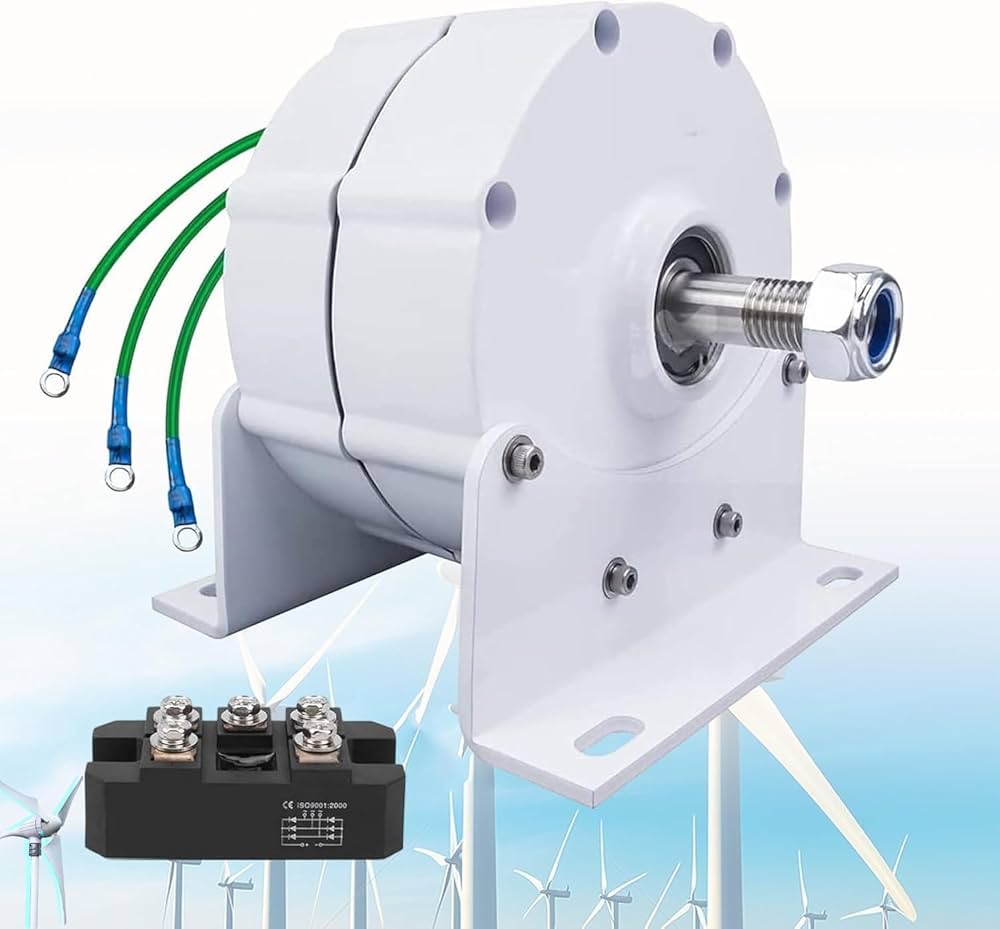
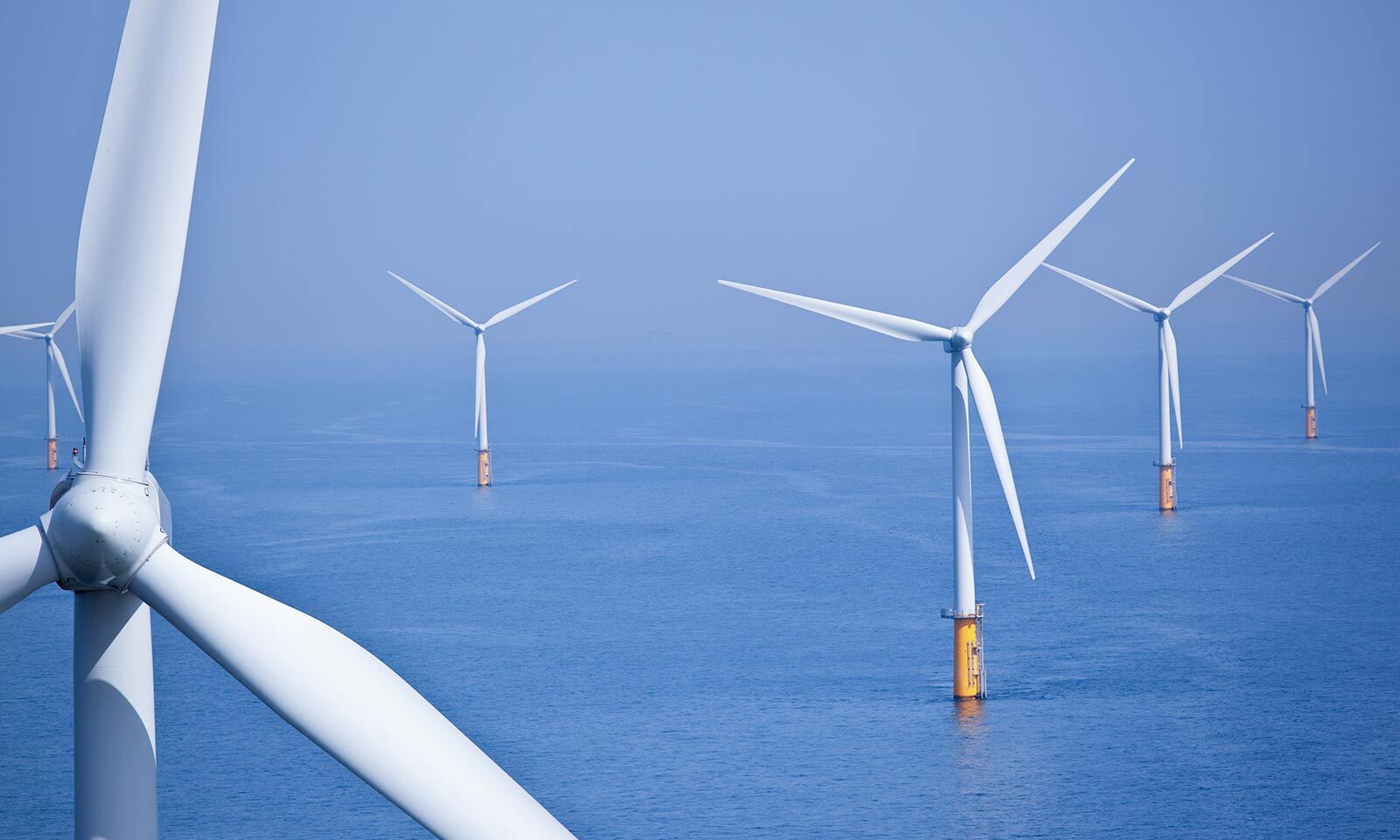
Wind energy and other renewable sources are central to India’s energy transition plans. Permanent magnet generators enable efficient conversion of wind energy into electricity while reducing maintenance requirements.
Stable magnet supply ensures that renewable projects proceed without interruption. Developers view India Magnet Manufacturing as a safeguard against global shortages that could delay installations.
As renewable capacity expands, the integration of local supply chains through India Magnet Manufacturing reduces costs and enhances long term energy security.
Economic Multiplier Effects
Beyond primary production, magnet manufacturing creates ripple effects across related industries. Equipment suppliers, logistics providers, component manufacturers, and research institutions all benefit from industrial expansion.
Value addition remains a central theme. Exporting finished magnets instead of raw rare earth minerals enhances foreign exchange earnings and increases national income retention. India Magnet Manufacturing therefore contributes not only to supply chain stability but also to broader economic development.
Environmental Responsibility and Compliance
Rare earth extraction and processing can pose environmental challenges. Chemical waste, water usage, and land rehabilitation require careful oversight.
Officials have pledged adherence to environmental safeguards and sustainable mining practices to ensure India Magnet Manufacturing develops responsibly. Adoption of cleaner technologies and recycling initiatives aims to reduce ecological impact while sustaining industrial growth.
Balancing expansion with environmental stewardship remains critical to long term success.
Research and Innovation Focus
Global competitiveness in magnet production depends on technological sophistication. Precision control over alloy composition and magnetic properties is essential.
Collaborations between universities, national laboratories, and private firms are expanding. Research initiatives focus on improving efficiency, reducing material usage, and enhancing recycling capabilities. Continuous innovation strengthens India Magnet Manufacturing by ensuring products meet global performance benchmarks.
Historic Comparison
The push toward advanced magnet production echoes earlier phases of industrial transformation in India. In the 1990s, economic liberalization reshaped manufacturing by opening markets and encouraging private investment. Similarly, the rise of information technology in the early 2000s positioned India as a global software leader.
Today’s expansion of India Magnet Manufacturing reflects a comparable strategic shift. Just as earlier reforms diversified economic capabilities, current efforts aim to secure technological autonomy in critical materials. India Magnet Manufacturing may represent the next chapter in that ongoing industrial evolution.
Industry Perspective
An executive involved in advanced materials development described the initiative as a pivotal moment for the country’s manufacturing landscape.
“This is not simply about producing magnets. It is about building an ecosystem that supports electric mobility, renewable energy, and national resilience,”
The statement reflects growing confidence that coordinated policy and investment can deliver sustainable results for India Magnet Manufacturing.
Global Market Positioning
Worldwide demand for rare earth magnets continues to rise. Electrification of transportation, automation, and digital transformation drive steady growth in consumption.
India Magnet Manufacturing positions the country as an emerging participant in this expanding market. Diversifying supply sources appeals to international companies seeking stability. Strategic trade partnerships may emerge as India Magnet Manufacturing output increases and quality standards meet global benchmarks.
Execution Challenges
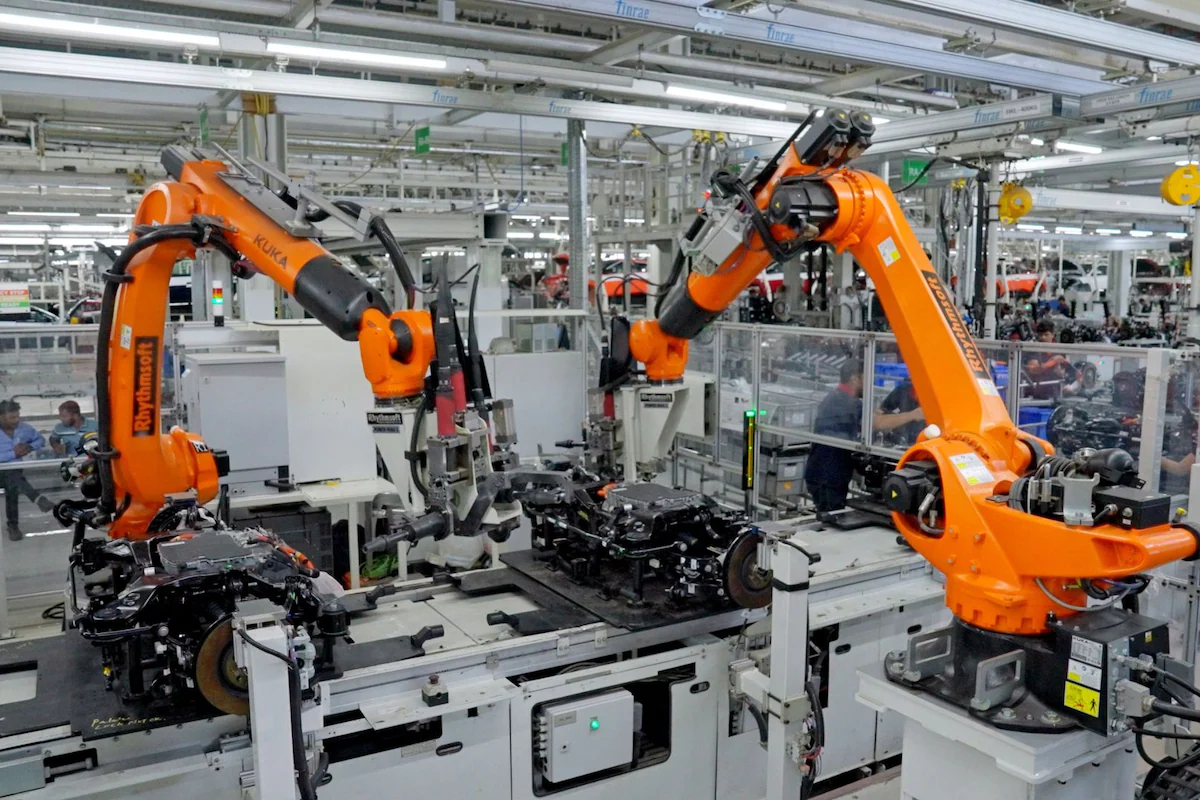
Despite strong policy backing, execution remains complex. Establishing processing plants requires high capital expenditure and technical expertise. Securing consistent raw material supply is equally important.
Industry observers emphasize that regulatory clarity and infrastructure development will influence timelines. Maintaining policy continuity ensures investor confidence. India Magnet Manufacturing must deliver competitive pricing and consistent quality to sustain long term viability.
Workforce and Skill Development
Developing advanced magnet production capacity requires specialized training. Engineers, metallurgists, and technicians must understand precise fabrication processes.
Educational institutions are expanding programs related to materials science and industrial engineering. Apprenticeship initiatives connect students with manufacturing facilities to gain hands on experience, further supporting India Magnet Manufacturing expansion.
Economic and Strategic Implications
Domestic magnet production supports several national priorities. Lower dependence on imports improves economic stability and protects manufacturers from global supply disruptions. Expanding advanced manufacturing capacity also strengthens export competitiveness and enhances India’s position in high value global markets.
The continued advancement of India Magnet Manufacturing reinforces strategic autonomy by ensuring reliable access to materials used in defense systems, transportation infrastructure, renewable energy equipment, and advanced electronics.
Outlook for 2026 and Beyond
As 2026 progresses, industry leaders will closely track plant commissioning timelines, output benchmarks, and supply chain integration. Initial production is expected to prioritize domestic demand before gradually targeting export markets.
If implementation continues at its current pace, India Magnet Manufacturing could significantly reduce vulnerability to global pricing volatility and geopolitical supply risks. Its performance this year may determine how quickly India secures a leadership position in advanced materials manufacturing.
Beyond Production A Structural Shift
The larger importance of this initiative lies in its long term transformation potential. Policymakers are not simply increasing output capacity; they are reshaping the nation’s role within critical mineral and advanced manufacturing supply chains.
As worldwide demand for high performance permanent magnets continues to rise, India Magnet Manufacturing could become a defining industrial advantage. The coming years will determine whether the 2026 milestone evolves into a sustained industrial transformation rather than a short term expansion cycle.