

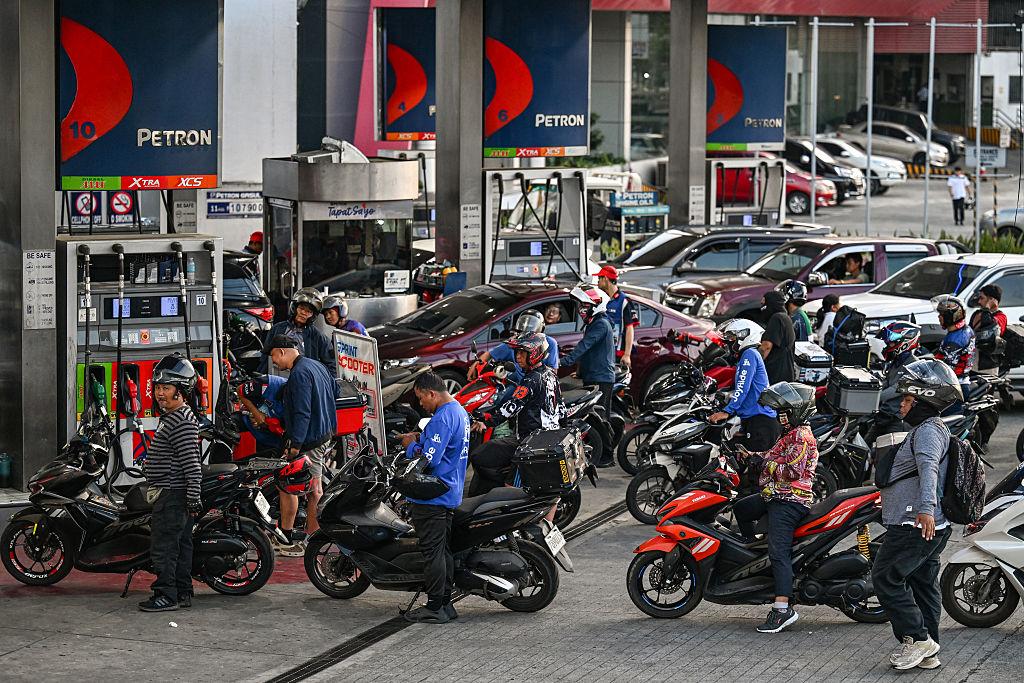
Manila, Philippines, April 14, 2026 (Parliament Politics Magazine) International energy diplomacy is under increasing pressure as the Philippines moves to secure U.S. approval for expanded Russian oil imports, highlighting the growing urgency of its fuel crisis. The situation underscores how global energy challenges are forcing nations to reconsider alliances, supply chains, and economic priorities.
Officials confirmed ongoing discussions aimed at balancing the country’s immediate energy needs with its long-standing strategic partnership with Washington. The move reflects a broader shift in how countries navigate geopolitical constraints while addressing domestic crises.
Fuel Shortages Drive Strategic Decisions
International energy diplomacy has become central to the Philippines’ response to rising fuel shortages. With global oil markets experiencing volatility, the country faces increasing difficulty securing affordable energy supplies.
Government leaders have indicated that diversifying sources is essential to ensuring stability. Russian oil, often priced competitively, presents a potential solution, though it comes with political and diplomatic considerations.
A senior official noted:
“Energy security is not optional—it is essential. We must explore every viable path to protect our economy and our people.”
Balancing Relations with Global Powers
International energy diplomacy in this context highlights the Philippines’ delicate balancing act between the United States and Russia. As a long-time U.S. ally, Manila must consider the implications of expanding energy ties with Moscow.
Seeking U.S. approval before proceeding demonstrates an effort to maintain transparency and cooperation. Analysts suggest that this approach could help mitigate potential tensions while allowing the Philippines to pursue necessary economic measures.
However, the outcome of these discussions remains uncertain, reflecting the complexities of modern geopolitical relationships.
Global Market Pressures Influence Policy
International energy diplomacy is being shaped by broader trends in global oil markets. Supply disruptions, fluctuating demand, and geopolitical tensions have created an environment of uncertainty that impacts import-dependent nations.
For the Philippines, these pressures translate into higher fuel costs and increased economic strain. Policymakers are therefore exploring alternative strategies to stabilize supply and manage price volatility.
Experts emphasize that such measures are increasingly common as countries adapt to changing global conditions.
Economic Impact on Daily Life
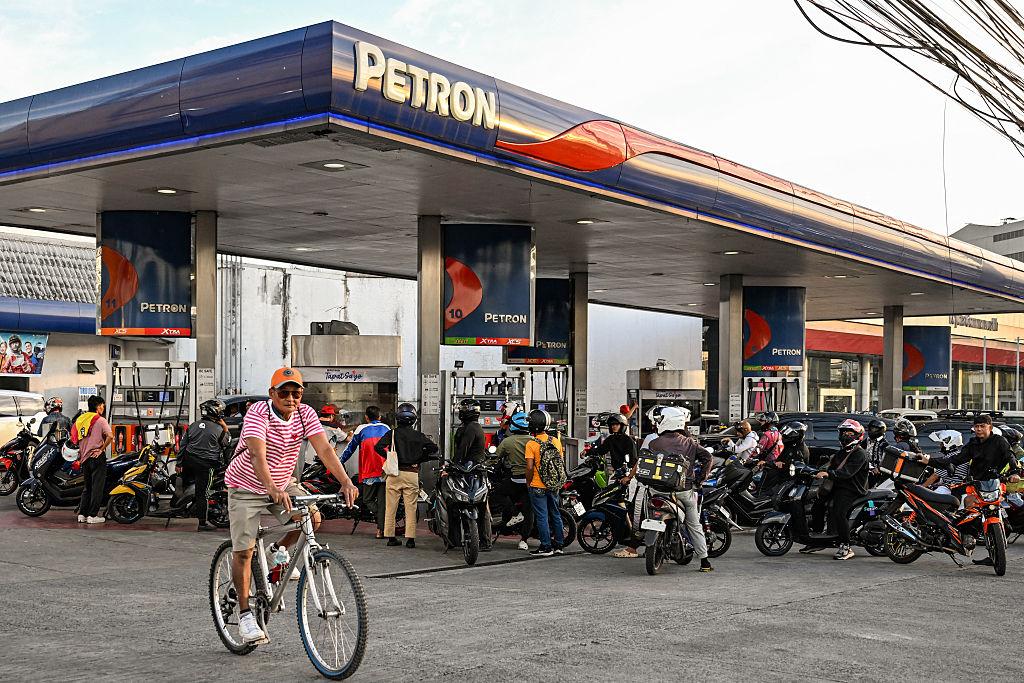
International energy diplomacy decisions have direct consequences for businesses and consumers. In the Philippines, rising fuel costs are affecting transportation, food prices, and overall economic activity.
Small and medium-sized enterprises are particularly vulnerable, as higher operational costs reduce profitability. Consumers are also facing increased expenses, contributing to broader economic challenges.
Addressing these impacts is a key priority for government officials as they pursue diplomatic solutions.
Public Reaction and Political Debate
International energy diplomacy efforts have sparked debate within the Philippines. While some view the potential Russian oil deal as a necessary step, others express concern about its geopolitical implications.
Government representatives have emphasized that all decisions will prioritize national interests and comply with international obligations. Maintaining public trust will be essential as negotiations progress.
The issue highlights the intersection of domestic politics and global diplomacy.
Regional and Global Implications
International energy diplomacy developments in the Philippines could influence broader regional dynamics. Other Southeast Asian nations are also grappling with energy challenges and may look to similar strategies.
If successful, the Philippines’ approach could reshape energy trade patterns and diplomatic relationships in the region. Conversely, challenges in implementation could highlight the risks associated with such strategies.
The situation underscores the interconnected nature of global energy markets.
What Comes Next?
International energy diplomacy efforts are expected to continue as negotiations move forward. Officials are working to secure agreements that balance economic needs with geopolitical considerations.
The timeline for any potential deal remains uncertain, with multiple factors influencing the outcome. Observers will be closely watching developments as they unfold.
Why This Matters Now
International energy diplomacy is at the center of the Philippines’ response to its fuel crisis, as leaders seek solutions that balance economic urgency with geopolitical realities. The push for Russian oil imports highlights the challenges faced by nations navigating complex global energy systems. As negotiations continue, the outcome will have significant implications for regional stability, economic growth, and international relations.
