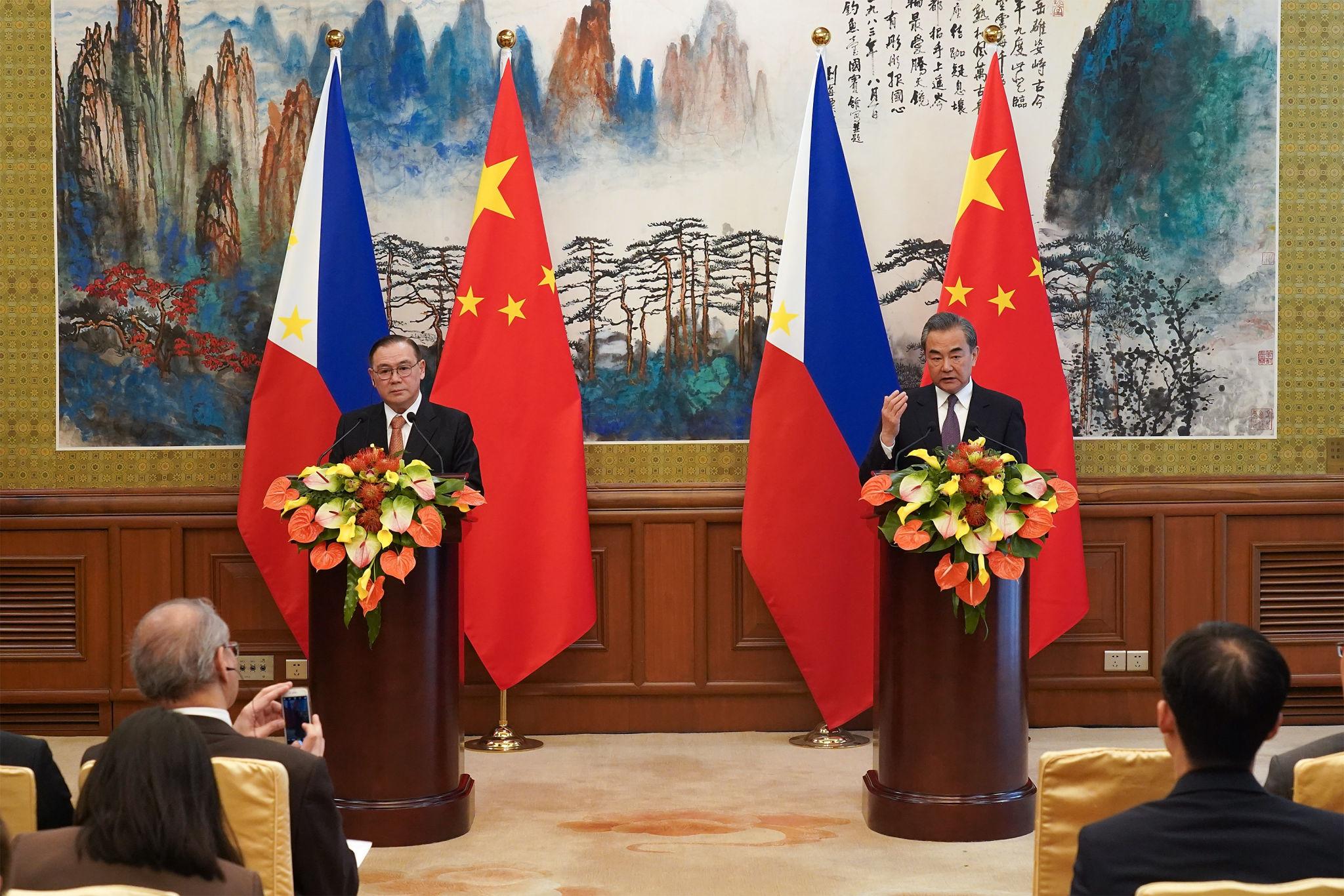
Philippines / China, April 12, 2026 (Parliament Politics Magazine) Asia energy diplomacy update The Philippines has reaffirmed that any future energy agreements with China must fully respect its sovereignty, signaling a firm stance amid ongoing regional tensions and complex diplomatic negotiations.
Officials emphasized that cooperation remains possible but must align with national laws and international frameworks. The statement comes at a time when energy security and geopolitical interests are increasingly intertwined across Asia.
Sovereignty remains central to negotiations
The Asia energy diplomacy update highlights Manila’s commitment to protecting its territorial rights. Philippine authorities have made it clear that economic cooperation cannot come at the expense of sovereignty.
This position reflects broader concerns over resource control and national interest, particularly in contested maritime areas.
A senior government official stated:
“We are open to cooperation, but our sovereignty is not negotiable under any circumstance.”
South China Sea disputes influence talks
The Asia energy diplomacy update is closely linked to tensions in the South China Sea, a region rich in energy resources and strategic importance.
Disputes over territorial claims have complicated efforts to develop joint energy projects. While both nations have shown interest in collaboration, disagreements over jurisdiction continue to hinder progress.
Analysts note that resolving these disputes is key to advancing any meaningful agreements.
Energy security drives regional strategy
Energy security is a major priority shaping the Asia energy diplomacy update. The Philippines is seeking to ensure stable energy supplies while maintaining control over its resources.
Diversification of energy sources and partnerships is part of the broader strategy, reducing reliance on any single partner while strengthening national resilience.
China’s role in expanding energy influence
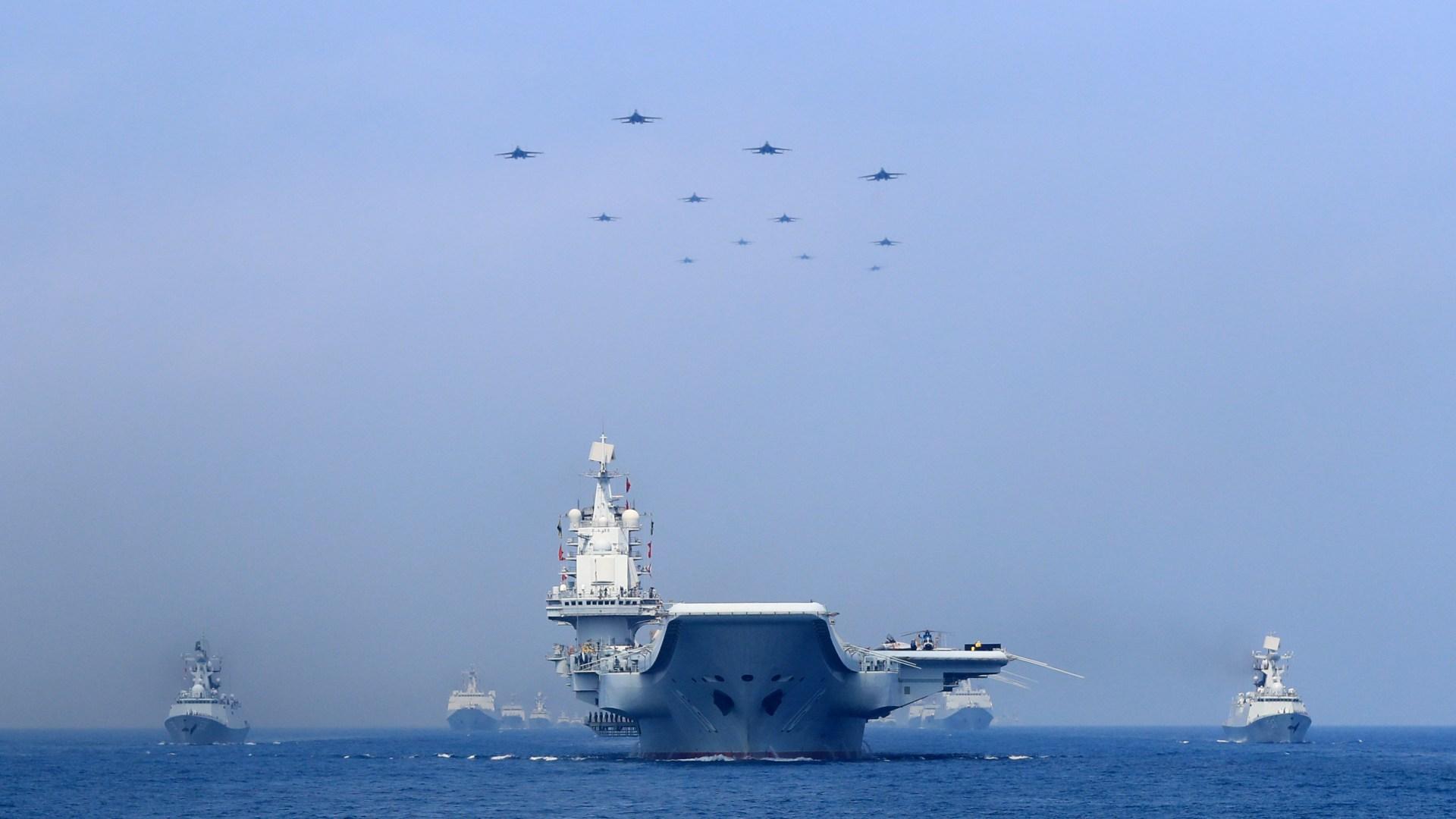
China’s growing involvement in regional energy projects is a defining feature of the Asia energy diplomacy update. Beijing has promoted joint development initiatives across Asia, aiming to expand its economic and strategic influence.
However, such proposals often face scrutiny due to sovereignty concerns and geopolitical implications.
Legal frameworks guide negotiations
International law and maritime rulings play a critical role in shaping the Asia energy diplomacy update. The Philippines continues to emphasize adherence to legal principles in all negotiations.
These frameworks provide a foundation for discussions but also highlight the complexities involved in resolving disputes.
Economic opportunities balanced with risks
The Asia energy diplomacy update presents both opportunities and challenges. Joint energy projects could bring investment, job creation, and economic growth.
However, policymakers must carefully weigh these benefits against potential risks related to sovereignty and strategic control.
Regional and global reactions
The Asia energy diplomacy update has attracted attention from regional and global stakeholders. Countries with interests in the South China Sea are closely monitoring developments.
The situation is seen as a test case for how geopolitical tensions can influence economic cooperation in Asia.
Public sentiment shapes policy decisions
Public opinion in the Philippines is an important factor in the Asia energy diplomacy update. Many citizens support a firm stance on sovereignty, influencing government policy.
Leaders must balance domestic expectations with diplomatic considerations as they navigate negotiations.
Future outlook for energy cooperation
The Asia energy diplomacy update suggests that while cooperation remains possible, significant challenges must be addressed.
Progress will depend on finding solutions that respect sovereignty while enabling economic collaboration.
Human dimension of energy diplomacy
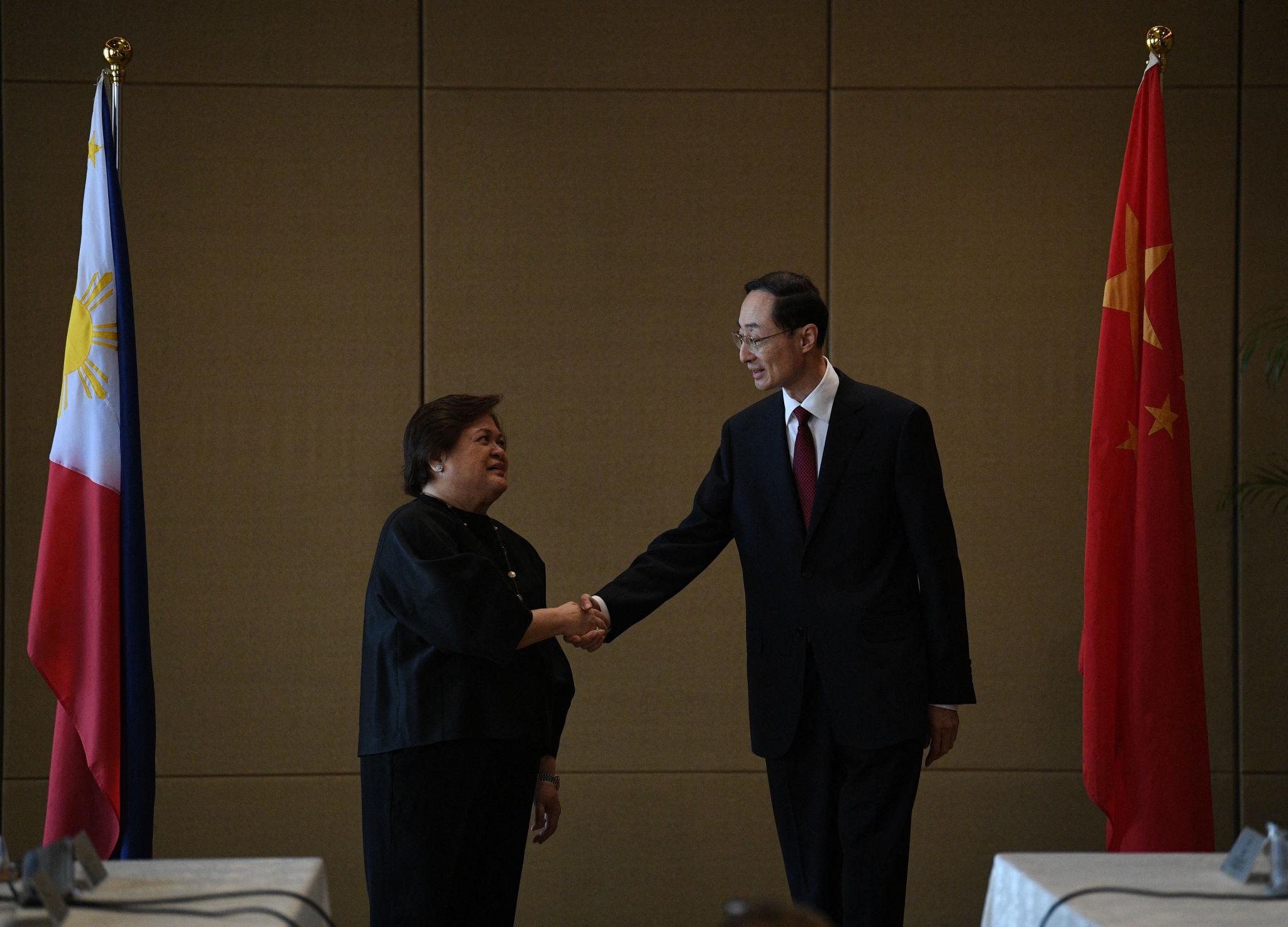
Beyond politics and economics, the Asia energy diplomacy update reflects broader concerns about national identity and resource control.
Ensuring that agreements benefit the population while safeguarding sovereignty remains a key priority.
Sovereignty defines the path forward
The Asia energy diplomacy update underscores a clear message from the Philippines: cooperation with China is possible, but only under conditions that respect national sovereignty.
As negotiations continue, the balance between economic opportunity and political control will shape the future of energy diplomacy in the region.
The coming period will be critical in determining whether both sides can reach agreements that address these complex challenges.