

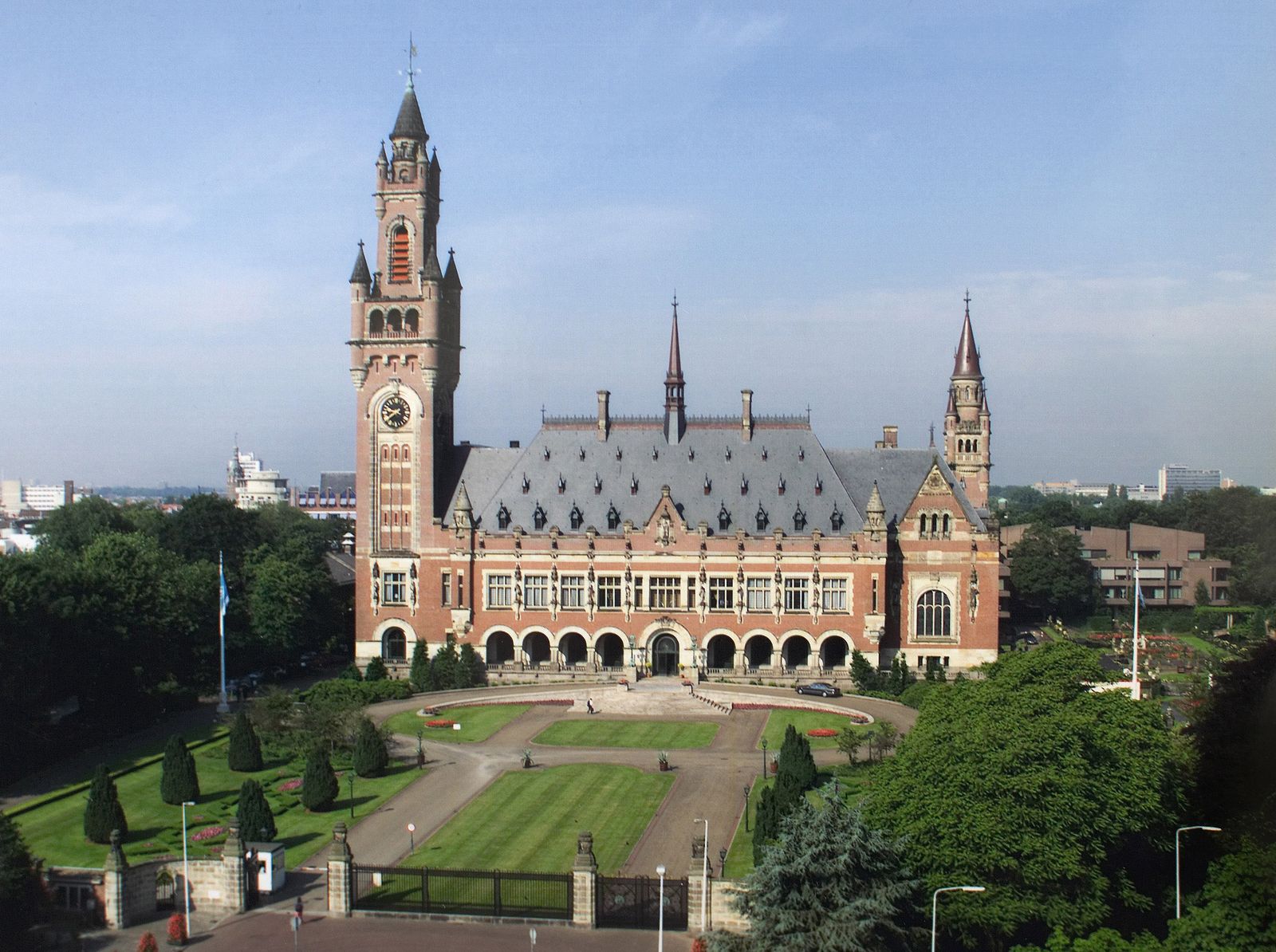
International law crisis intensifies in 2026 as mounting legal disputes draw global attention to The Hague.
Diplomatic efforts accelerate while courts face growing pressure to uphold international norms.
World leaders call for accountability, restraint, and renewed commitment to global stability.
The Hague, Netherlands – March 2, 2026 — According to Parliament News, that The international law crisis unfolding in 2026 has placed The Hague at the center of global attention. As governments exchange accusations over treaty violations and military conduct, legal institutions designed to uphold global order are facing renewed pressure. Diplomats, judges, and scholars warn that the credibility of international governance frameworks depends on how current disputes are addressed.
The international law crisis has evolved beyond isolated disagreements. It now reflects broader tensions involving sovereignty, proportionality, enforcement authority, and the interpretation of conventions drafted in a different geopolitical era.
Growing Disputes Between Sovereign States
In recent months, several nations have signaled intentions to pursue formal complaints through international courts. Allegations range from violations of territorial integrity to disproportionate military responses. These disputes have intensified scrutiny of enforcement mechanisms and compliance expectations.
Legal experts explain that many conventions rely on carefully balanced language. During heightened tensions, differing interpretations often emerge. The present international law crisis highlights how ambiguity in treaty provisions can produce conflicting legal narratives.
Governments involved insist their actions align with legitimate security concerns. Critics argue that unchecked unilateral interpretations could weaken established norms.
The Hague as the Judicial Epicenter
The Hague has long symbolized the rule based order that emerged after global conflicts of the twentieth century. Courts and tribunals based here serve as pillars of international accountability. In 2026, however, the international law crisis has placed these institutions under extraordinary scrutiny.
Observers note that while judicial bodies can issue binding rulings, enforcement ultimately depends on state cooperation. This structural limitation has become central to debates about effectiveness.
Legal scholars emphasize that courts remain essential forums for peaceful dispute resolution. Yet they acknowledge that political will is indispensable to ensure compliance.
Diplomatic Channels Under Strain
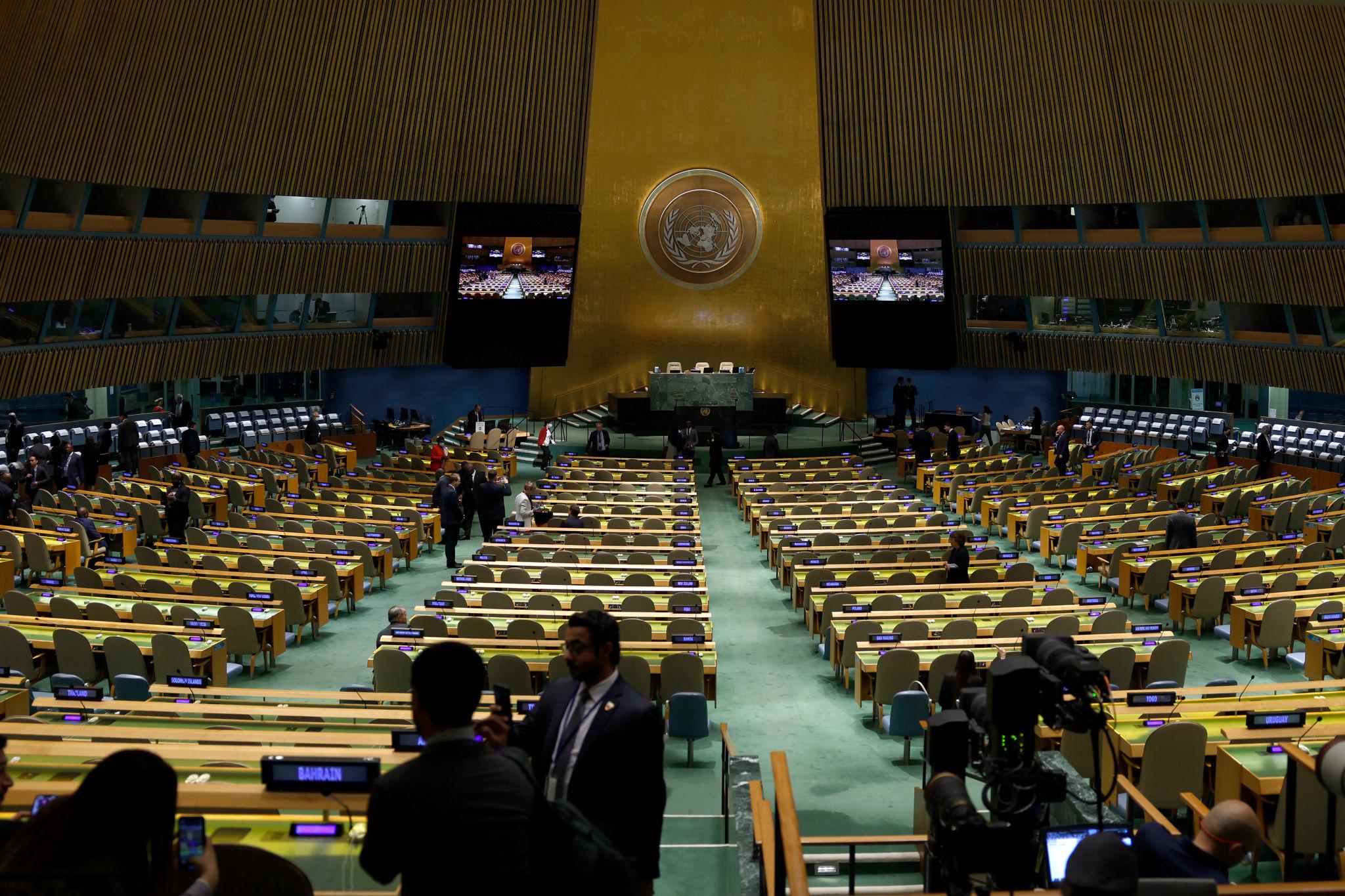
Behind closed doors, diplomatic engagement continues at a rapid pace. European leaders, North American officials, and representatives from Asia and the Middle East have convened emergency consultations. Their aim is to reduce tensions while reinforcing respect for established conventions.
One senior diplomat in The Hague remarked,
“An international law crisis does not weaken justice by itself, but ignoring its warnings can weaken trust in the entire system.”
The statement reflects a widespread understanding that sustained diplomacy is necessary to restore stability.
Military Conduct and Legal Interpretation
Modern warfare increasingly blurs traditional legal boundaries. Cyber operations, autonomous systems, and targeted strikes challenge frameworks drafted decades ago. The current international law crisis underscores the difficulty of applying older conventions to emerging technologies.
Defense officials argue that existing treaties provide sufficient guidance. Critics contend that clearer definitions are needed to address digital attribution and proportionality in hybrid conflict scenarios.
Legal analysts suggest that updating conventions may reduce ambiguity and prevent future disputes.
Economic and Market Consequences
Legal uncertainty often carries economic implications. Investors closely monitor geopolitical tensions, especially when disputes involve energy producing regions or strategic trade routes.
Financial markets in Europe and Asia have shown cautious reactions. Analysts warn that prolonged international law crisis dynamics could amplify volatility in commodity pricing and supply chains.
Energy markets are particularly sensitive. Even perceived instability can influence futures contracts and shipping insurance premiums.
Humanitarian Impact and Civilian Protection
Humanitarian organizations emphasize that civilian safety must remain central to any legal discussion. Disputes over compliance should not overshadow obligations to protect noncombatants.
During an international law crisis, access negotiations for aid agencies become more complex. Relief operations often depend on assurances from all parties involved.
Advocates argue that reinforcing humanitarian principles strengthens the broader credibility of international governance.
Public Trust and Global Governance
Public perception plays a crucial role in sustaining legal legitimacy. Surveys conducted across several regions indicate mixed confidence in multilateral institutions. Transparency and communication are increasingly vital.
Universities and policy institutes in The Hague have organized public forums to discuss the international law crisis. These discussions aim to foster informed debate rather than polarization.
Legal educators stress that maintaining public trust requires consistent application of norms, regardless of political alignment.
Technology and Accountability
Technological advancements have transformed evidence gathering. Satellite imagery, open source intelligence, and digital forensics provide courts with unprecedented levels of documentation.
Despite these capabilities, enforcement remains dependent on cooperation among sovereign states. The international law crisis reveals that even comprehensive evidence cannot guarantee compliance without political consensus.
Experts suggest that improved verification frameworks may deter violations and encourage adherence.
Historical Comparison With Previous Legal Tensions
A historical comparison offers perspective on the present moment. After the Second World War, the creation of international tribunals marked a transformative commitment to accountability. Later disputes during the late twentieth century tested the resilience of those institutions. While compliance varied, diplomatic engagement eventually restored equilibrium.
The current international law crisis differs in its immediacy and visibility, amplified by digital communication and global media coverage. Yet history suggests that multilateral systems, though imperfect, have demonstrated capacity to endure periods of strain when political leadership prioritizes stability over escalation.
Regional Reactions Across Continents
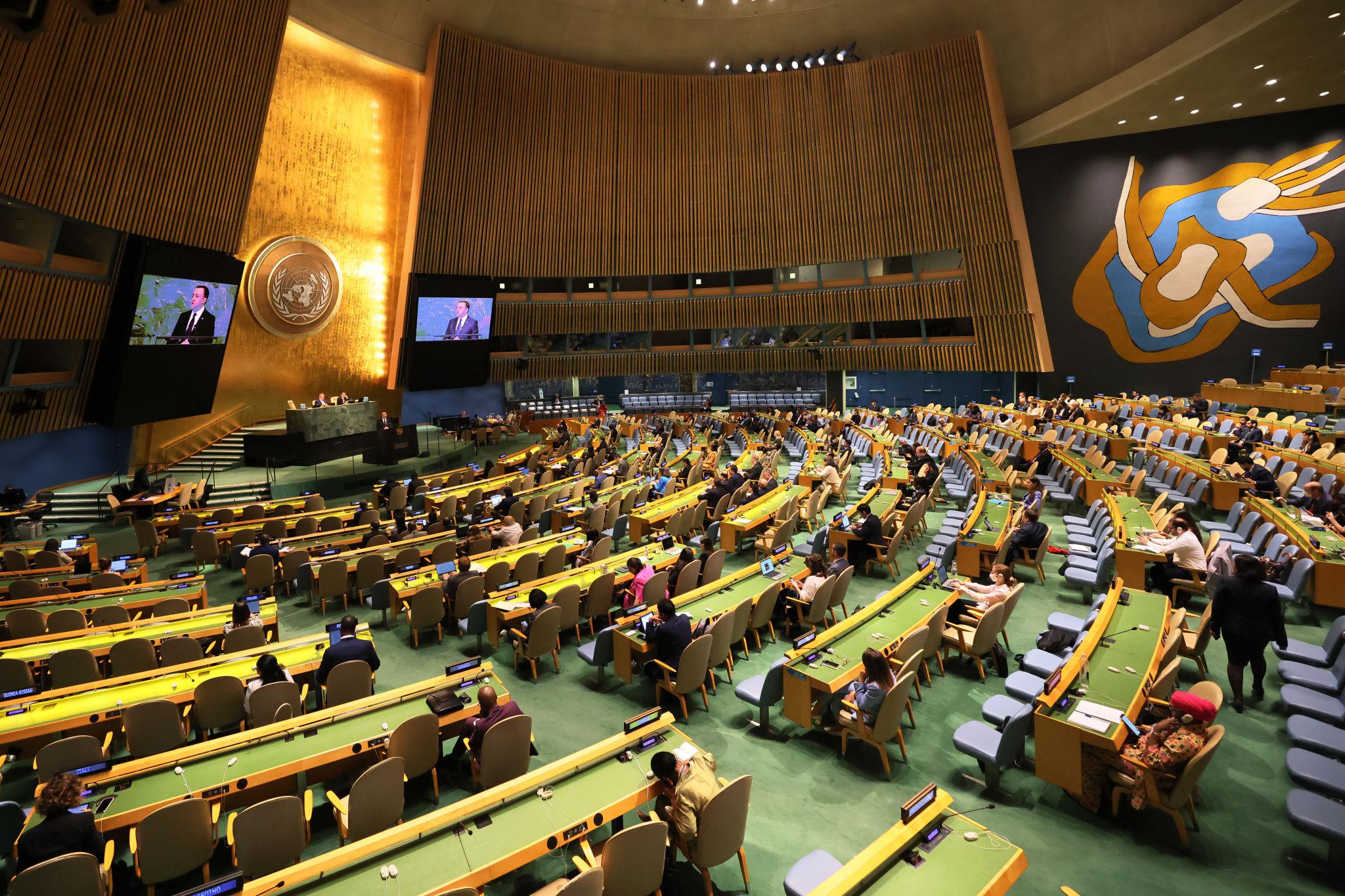
European Union officials have reaffirmed support for multilateral dispute resolution. North American policymakers emphasize both treaty obligations and national security considerations. Asian governments, meanwhile, monitor developments due to potential regional ripple effects.
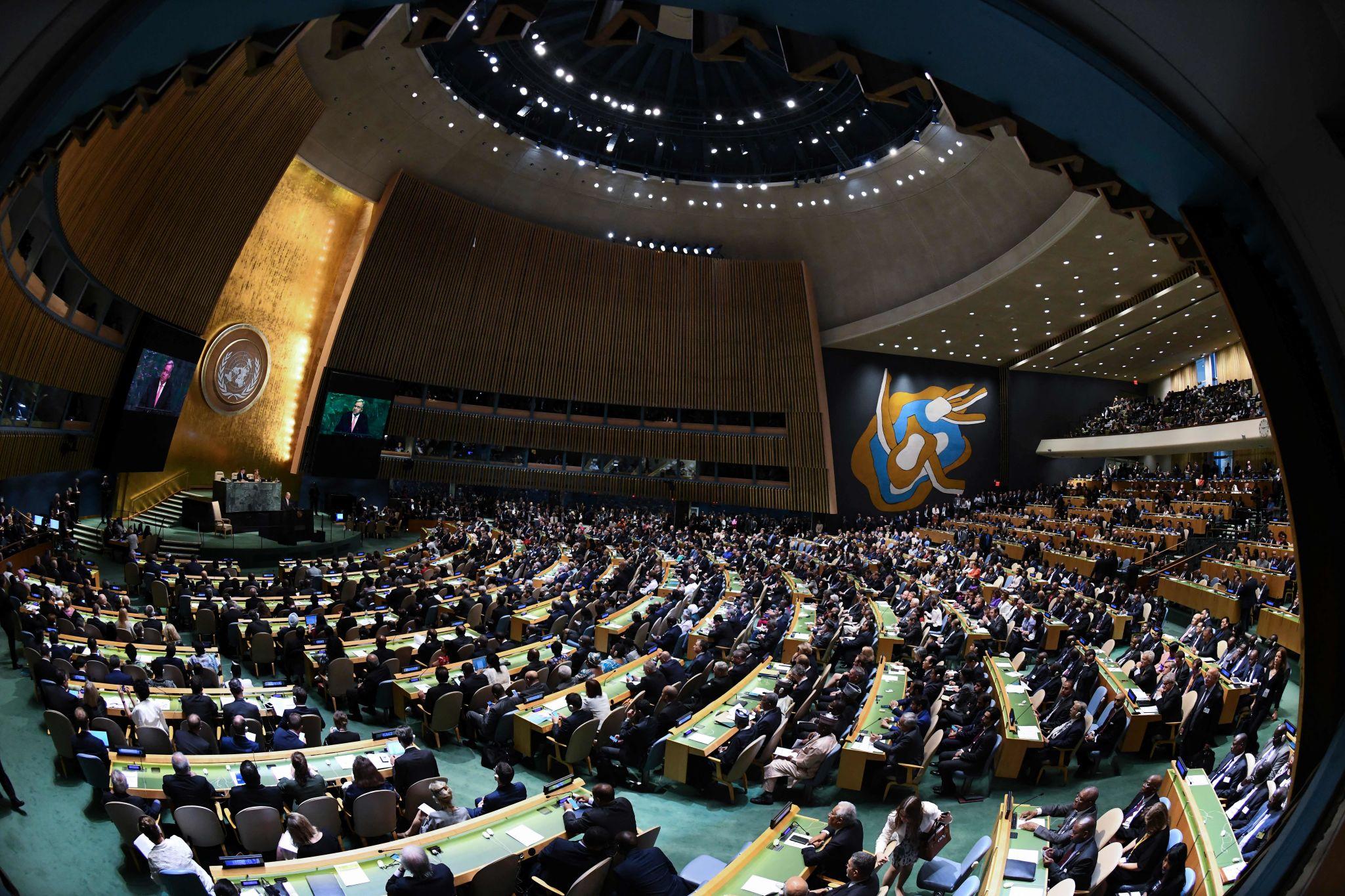
The international law crisis has become a central topic at upcoming multilateral summits. Coordinated messaging seeks to prevent misunderstandings that could escalate tensions further.
Diplomatic observers caution that regional alliances must avoid actions perceived as exclusionary.
The Enforcement Dilemma
A recurring theme in discussions is enforcement authority. Courts can issue rulings, yet they lack independent enforcement power. Compliance depends largely on diplomatic pressure and reputational considerations.
This limitation does not invalidate the legal process, experts argue. Instead, it reflects the reality of sovereign equality within the international system.
The international law crisis highlights the delicate balance between legal authority and political autonomy.
The Role of Civil Society
Non governmental organizations, academic institutions, and legal advocacy groups are actively participating in debate. Their contributions include monitoring compliance, publishing analysis, and supporting transparency initiatives.
Civil society engagement can strengthen accountability by sustaining public attention on legal standards.
Observers in The Hague note that inclusive dialogue enhances institutional resilience.
Prospects for Reform
Some policymakers propose targeted reforms to clarify ambiguous treaty provisions. Others advocate strengthening dispute resolution mechanisms through enhanced mediation frameworks.
The international law crisis may serve as a catalyst for modernization. Updating conventions to reflect contemporary realities could reinforce stability in the long term.
However, reform requires consensus among diverse political systems, a process that demands patience and compromise.
Media Coverage and Narrative Framing
Media outlets play a significant role in shaping public understanding. Balanced reporting is essential to prevent misinterpretation of legal proceedings.
The international law crisis is complex, involving technical terminology and procedural nuance. Responsible journalism contributes to informed civic discourse.
Analysts caution against oversimplification that could distort public perception.
Long Term Implications for Global Stability
As 2026 progresses, the international law crisis stands as a test of collective commitment to rules based order. Legal frameworks provide predictability that underpins economic cooperation and diplomatic engagement.
If states reaffirm adherence, institutions in The Hague may emerge strengthened. Conversely, sustained non compliance could weaken deterrence mechanisms.
Experts remain cautiously optimistic that dialogue and judicial review will guide the situation toward de escalation.
When Legal Principles Anchor Peace
The events of 2026 demonstrate that legal norms are more than abstract concepts. They serve as guardrails that reduce the likelihood of uncontrolled escalation.
The international law crisis has illuminated vulnerabilities within enforcement systems, yet it has also revealed the enduring relevance of multilateral cooperation. Governments, courts, and civil society actors continue working to uphold principles that sustain global stability.
The Hague remains both a symbol and a working center of international accountability. Its institutions operate within constraints, but their existence reflects a shared aspiration for justice.
In times of uncertainty, reaffirming respect for legal standards may determine whether disputes escalate or resolve peacefully. The trajectory of the international law crisis will shape not only 2026 but the broader evolution of global governance in the years ahead.