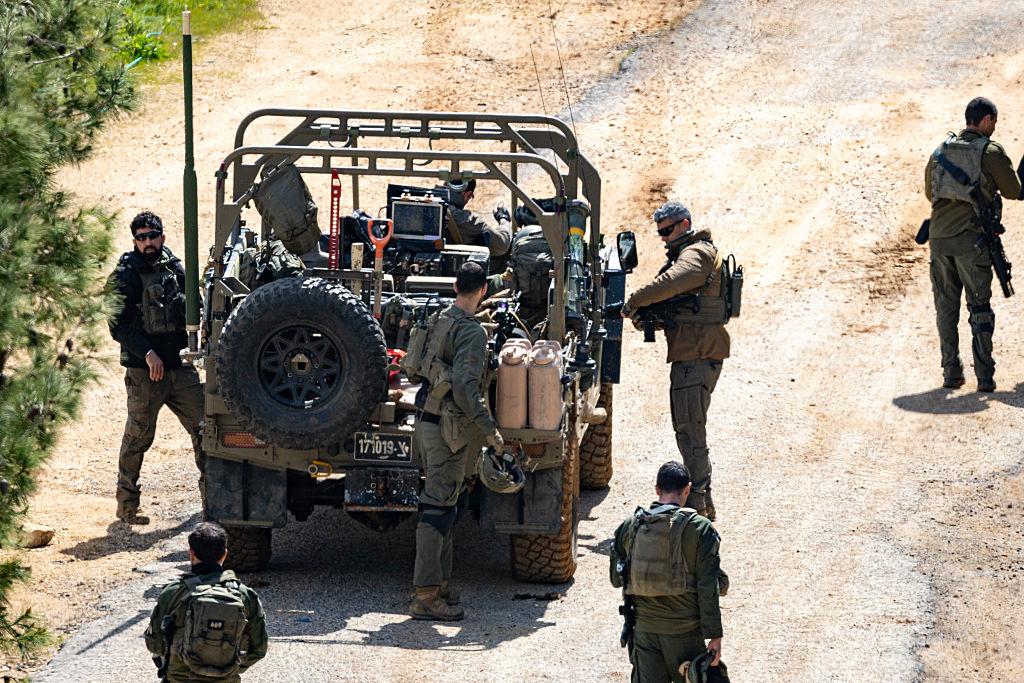
London, United Kingdom, April 09, 2026 (Parliament Politics Magazine) International peace negotiations are accelerating as the United Kingdom calls for expanding the current ceasefire framework to include Lebanon, highlighting growing concerns about stability across the Middle East. The UK’s position underscores the belief that limited agreements may not be sufficient to prevent wider conflict.
As diplomatic efforts intensify, international peace negotiations are increasingly focused on addressing interconnected conflict zones. Lebanon has emerged as a key concern, with officials warning that excluding it from ceasefire discussions could undermine broader peace efforts.
UK Pushes for Broader Diplomatic Strategy
The United Kingdom has emphasized that international peace negotiations must take a comprehensive approach to be effective. Officials argue that focusing on isolated agreements risks prolonging instability rather than resolving it.
By advocating for the inclusion of Lebanon, the UK aims to strengthen the overall ceasefire framework. Policymakers believe that a broader strategy could help reduce tensions and create a pathway toward lasting peace.
A senior UK official stated,
“A ceasefire that does not address all active pressure points will struggle to deliver meaningful results.”
Lebanon Becomes Central to Negotiation Efforts
Lebanon’s growing role in regional dynamics has made it a focal point in international peace negotiations. Ongoing tensions, combined with internal political and economic challenges, have heightened concerns about potential escalation.
Experts note that Lebanon’s position makes it a critical factor in achieving regional stability. Ignoring its role could lead to unintended consequences, including the expansion of conflict into new areas.
The UK’s call reflects a broader understanding that Lebanon must be included in diplomatic discussions moving forward.
Growing Momentum in Global Diplomacy
International peace negotiations are gaining momentum as more countries express support for expanding ceasefire efforts. Diplomatic channels are actively exploring ways to incorporate Lebanon into ongoing discussions.
This shift reflects a growing recognition that comprehensive solutions are necessary to address complex geopolitical challenges. As negotiations continue, the focus remains on preventing further escalation and promoting stability.
The UK’s leadership in this effort highlights its commitment to multilateral cooperation and diplomatic engagement.
Strategic Importance of Ceasefire Expansion
Expanding the ceasefire to include Lebanon carries significant strategic importance. Analysts warn that unresolved regions can become new flashpoints, undermining progress made elsewhere.
International peace negotiations that address all relevant areas are more likely to succeed in reducing long-term risks. By closing potential gaps, policymakers aim to create a more stable and predictable environment.
The UK’s proposal aligns with this perspective, emphasizing the need for a unified approach.
Humanitarian Concerns Shape Negotiations
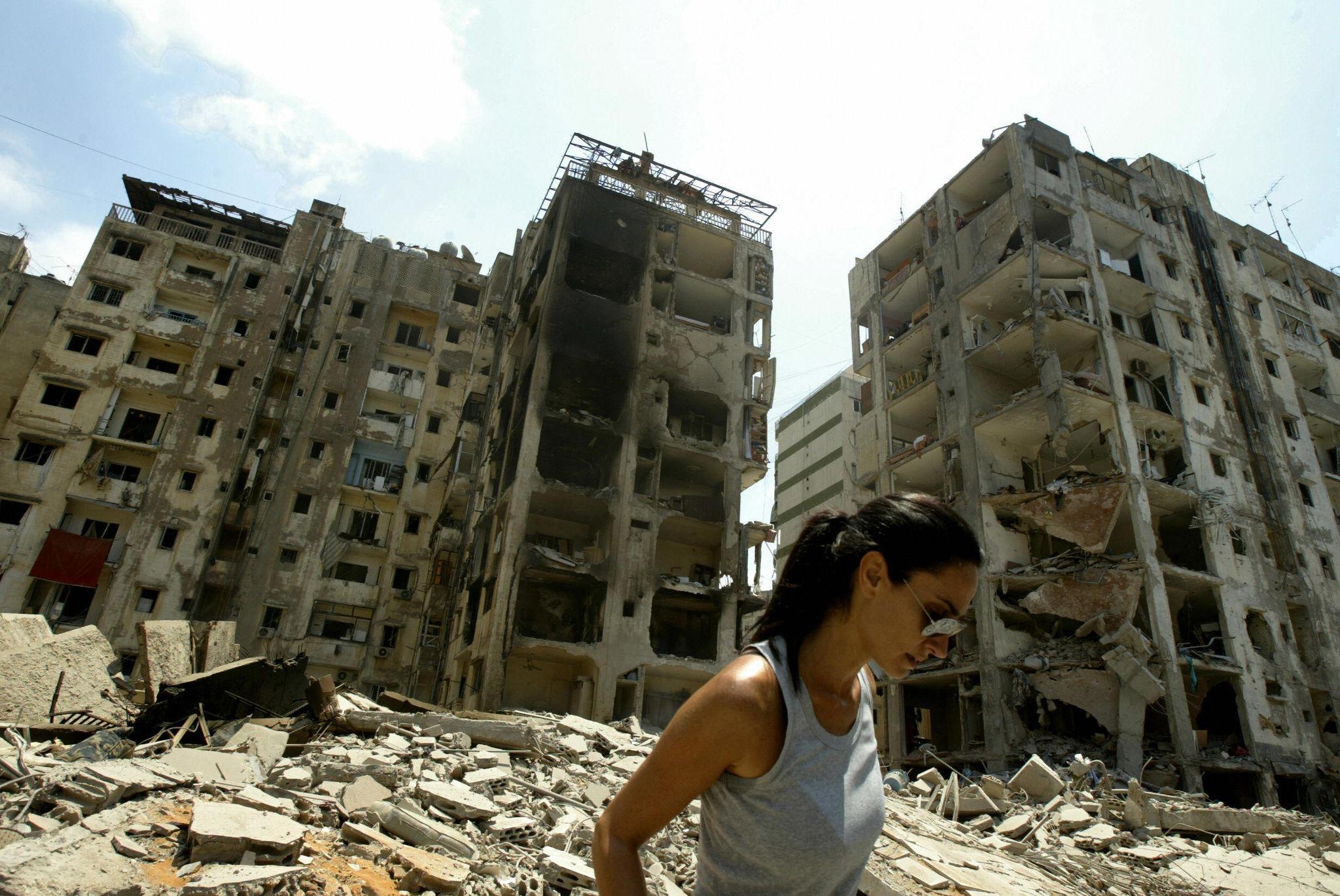
Humanitarian considerations are a key driver behind the push for expanded ceasefire efforts. Civilians across the region continue to face severe challenges, including displacement and economic hardship.
Lebanon’s fragile situation adds urgency to international peace negotiations. Any escalation could worsen existing conditions and increase the burden on already strained resources.
The UK has stressed the importance of prioritizing civilian protection in all diplomatic efforts.
Mixed Global Reactions to UK Proposal
The UK’s call for broader international peace negotiations has received mixed reactions. Some nations have expressed strong support, recognizing the need for comprehensive solutions.
Others remain cautious, pointing to the complexities involved in negotiating agreements that include multiple stakeholders. Achieving consensus requires careful coordination and compromise.
Despite these challenges, the proposal has sparked renewed discussion about the future of peace efforts in the region.
Challenges Facing Negotiators
Expanding the scope of international peace negotiations presents several challenges. Political divisions, competing interests, and logistical hurdles all complicate the process.
Negotiators must balance diverse priorities while ensuring that agreements are enforceable. This requires a high level of trust and collaboration, which can be difficult to achieve in a volatile environment.
The UK has acknowledged these challenges but continues to advocate for inclusive solutions.
Role of International Mediation
International mediation will play a crucial role in advancing international peace negotiations. Neutral parties can help facilitate dialogue and bridge gaps between conflicting sides.
The UK’s approach highlights the importance of collaboration in addressing complex global issues. By working with international partners, policymakers aim to strengthen the effectiveness of diplomatic efforts.
Implications for Regional Stability
The expansion of ceasefire efforts through international peace negotiations could have significant implications for regional stability. A comprehensive agreement may reduce tensions and create opportunities for long-term peacebuilding.
However, failure to address emerging flashpoints like Lebanon could lead to renewed instability. The stakes are high, and the outcome of ongoing negotiations will shape the future of the region.
Key Developments and Impact
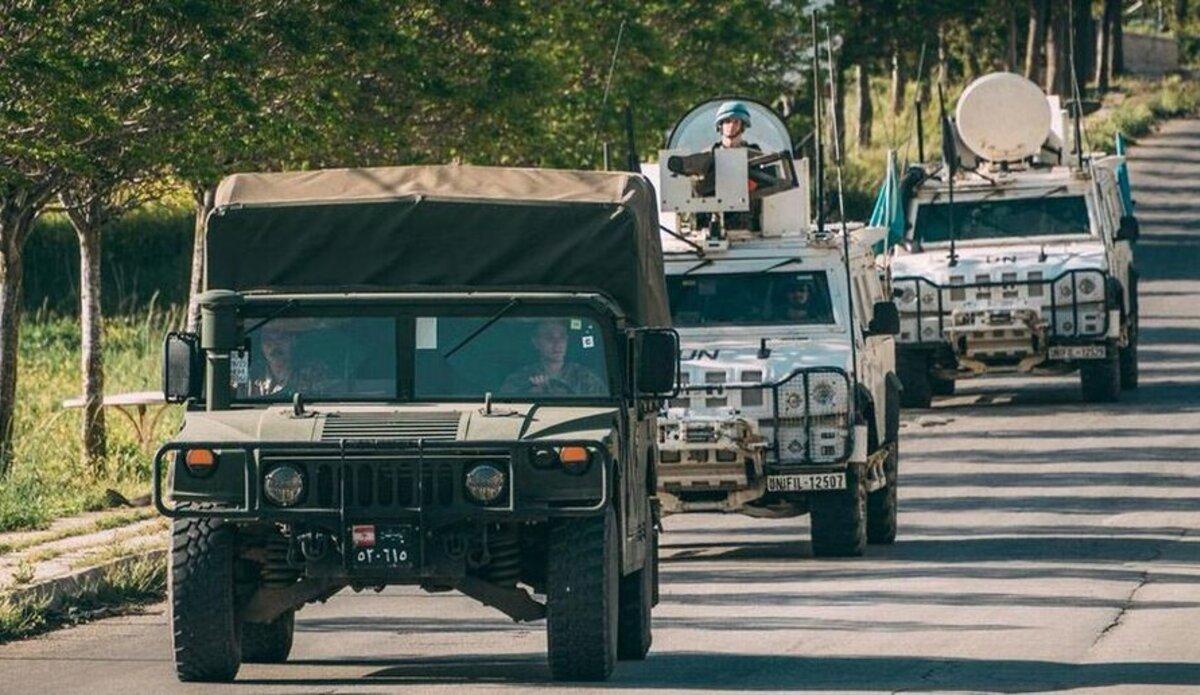
International peace negotiations are intensifying as the UK calls for expanding the ceasefire to include Lebanon. The move reflects growing concern that limited agreements may fail to contain broader instability in the Middle East.
With Lebanon emerging as a key flashpoint and humanitarian risks increasing, the push for broader negotiations highlights the urgency of coordinated global action. The coming weeks will be critical in determining whether diplomacy can deliver lasting peace.