

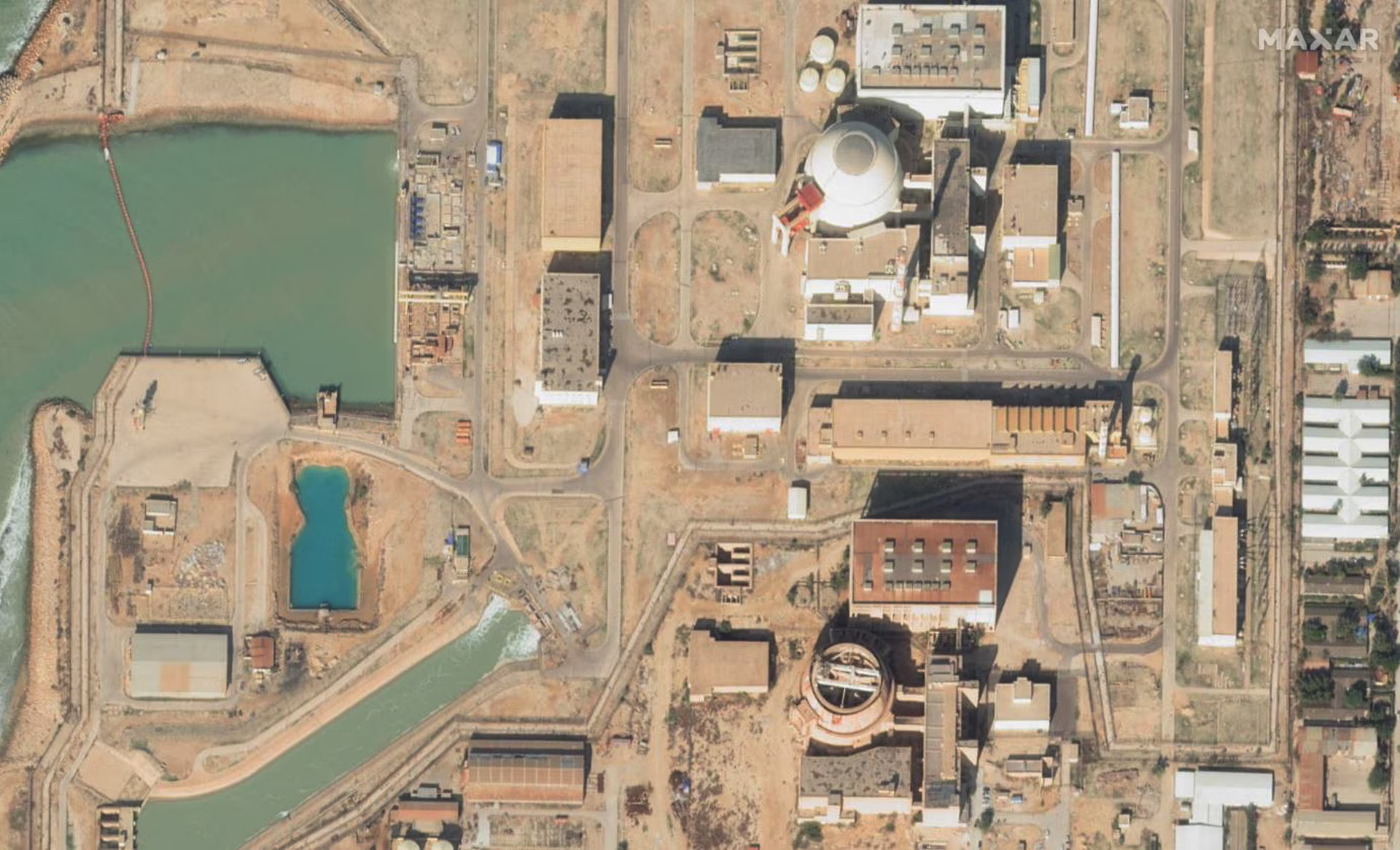
Bushehr, Iran, April 1, 2026 (Parliament Politics Magazine) Iran coastal facility strike has intensified global concern after two Afghan workers were injured in a reported attack on a meteorological installation in Bushehr, a strategically sensitive region along the Persian Gulf. The incident comes amid escalating military tensions involving the United States, Israel, and Iran, raising fears of broader regional instability.
According to local authorities, the strike targeted a meteorological radar facility, leaving critical systems disabled and injuring foreign workers present at the site. Officials confirmed that the injured individuals were Afghan nationals working in technical roles, underscoring the growing risks faced by civilian personnel in conflict zones.
Recent reports indicate that Bushehr’s meteorological infrastructure has been significantly impacted, with radar systems reportedly taken out of service following the attack.
Incident Details and Immediate Aftermath
The Iran coastal facility strike occurred during early operational hours, catching workers and staff off guard. Emergency services responded quickly, transporting the injured to nearby hospitals where they are currently receiving treatment.
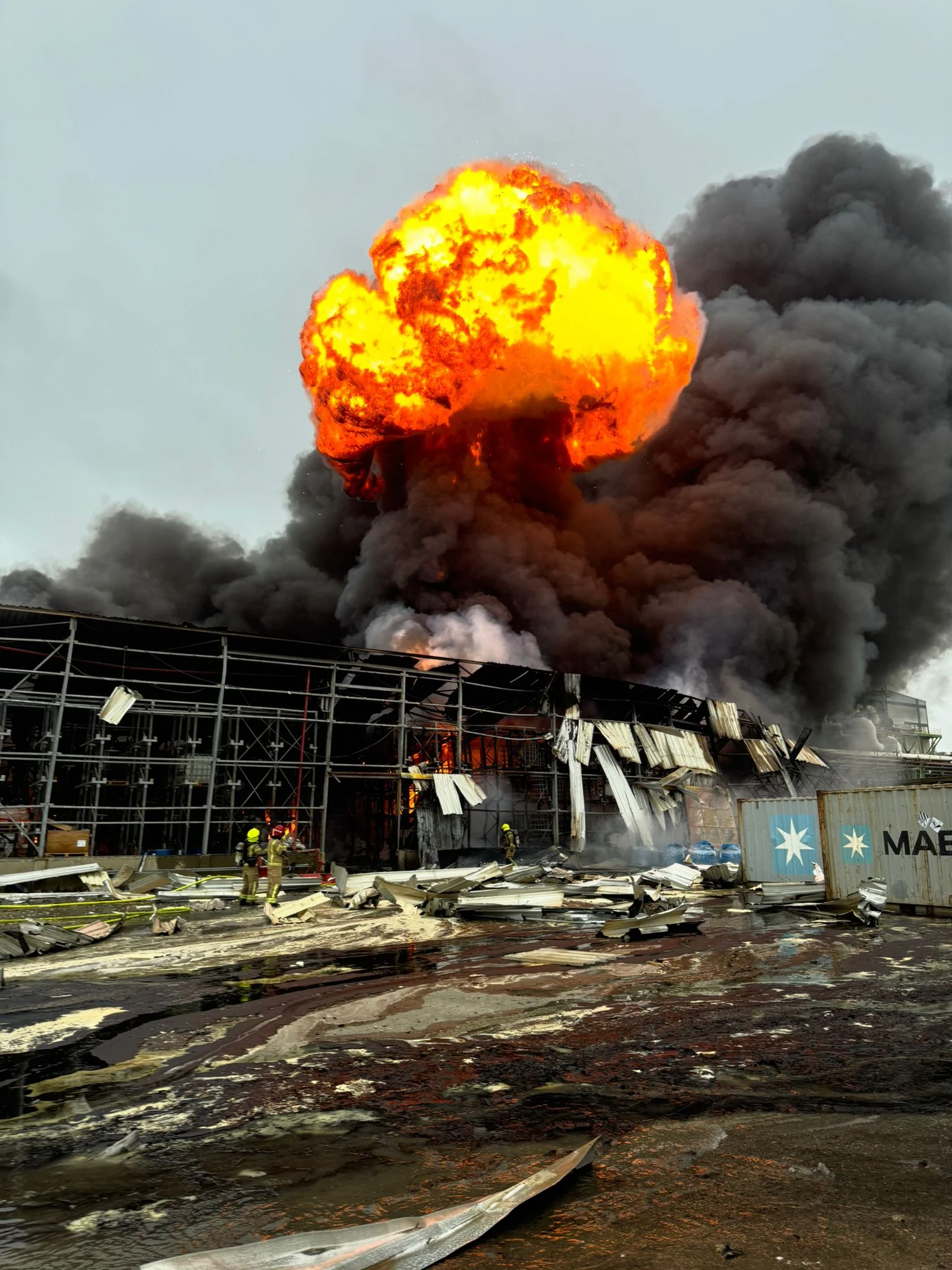
Authorities described the damage as substantial, particularly to monitoring systems used for maritime weather forecasting and environmental tracking. While the facility is not classified as a military installation, its proximity to critical infrastructure may have contributed to its vulnerability.
A regional analyst stated:
“This strike reflects how modern conflicts blur the lines between civilian and strategic targets, increasing the risk of unintended casualties.”
Strategic Importance of Bushehr
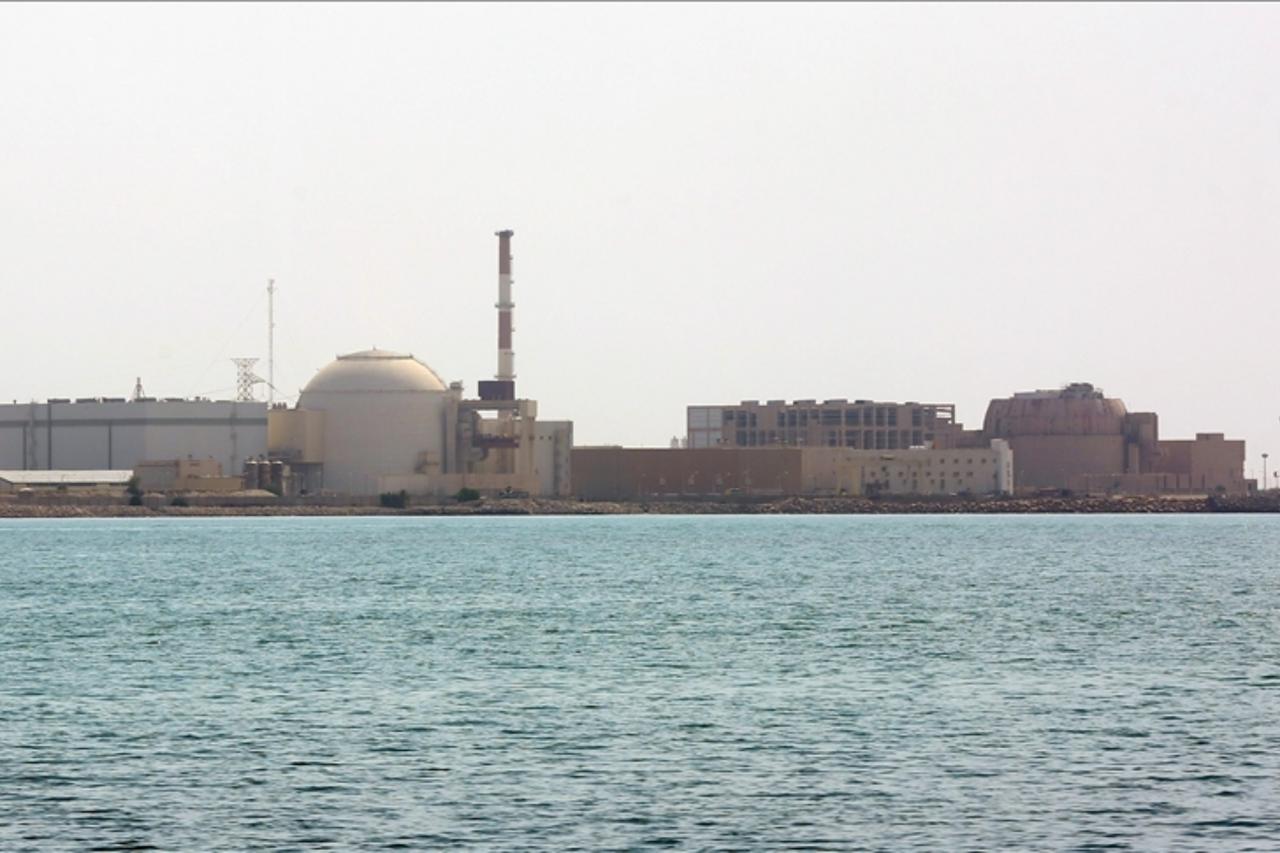
Bushehr is one of Iran’s most strategically important coastal regions, positioned along vital shipping lanes in the Persian Gulf. The area is home to key infrastructure, including energy facilities and a nuclear power plant, making it a focal point in regional security dynamics.
Previous incidents in the region have already raised alarm among international observers. Reports suggest that even nearby projectile activity has sparked warnings about potential large-scale consequences if sensitive sites are impacted.
The Iran coastal facility strike adds another layer of concern, as it demonstrates how even non-military installations can be affected during broader military operations.
Civilian Infrastructure at Risk
The targeting—or incidental damage—of facilities like meteorological stations highlights the increasing vulnerability of civilian-linked infrastructure in conflict zones. These installations play a critical role in:
- Monitoring weather patterns for maritime safety
- Supporting aviation and shipping industries
- Providing early warnings for environmental hazards
Damage to such systems can disrupt not only local operations but also regional and international logistics.
A humanitarian observer noted:
“When infrastructure like this is compromised, the ripple effects go far beyond the immediate location.”
Foreign Workers and Humanitarian Concerns
The injuries sustained by Afghan workers in the Iran coastal facility strike draw attention to the often-overlooked risks faced by migrant laborers. Thousands of foreign workers are employed across Iran and the broader Middle East in technical and support roles.
These individuals are typically not involved in military operations but remain exposed to sudden escalations in conflict zones.
A humanitarian expert commented:
“Foreign workers are among the most vulnerable in these situations, often lacking both protection and visibility.”
Escalating US-Israel-Iran Tensions
The strike is widely viewed within the context of ongoing hostilities involving the United States and Israel against Iranian-linked targets. Over recent weeks, the region has witnessed an increase in coordinated military activity, including airstrikes, cyber operations, and strategic deployments.
Iran has strongly condemned such actions, describing them as violations of sovereignty and international law. Officials have warned that continued attacks on infrastructure could provoke further escalation.
“Any aggression against our territory or infrastructure will receive a decisive response,”
an Iranian official stated.
Legal and Diplomatic Implications
The Iran coastal facility strike is expected to trigger international scrutiny, particularly regarding compliance with international humanitarian law. Legal experts emphasize that attacks impacting civilian infrastructure could raise serious concerns about proportionality and target verification.
Key issues likely to be examined include:
- Whether the facility was considered a legitimate target
- The extent of civilian risk assessment prior to the strike
- Potential violations of international legal frameworks
Diplomatic channels are reportedly active, but tensions remain high as global powers monitor developments closely.
Risk of Broader Regional Conflict
The incident contributes to growing fears of a wider regional conflict that could extend beyond current hotspots. Analysts warn that continued strikes on infrastructure may lead to:
- Retaliatory military actions
- Disruptions to global energy markets
- Increased involvement of allied nations
- Expanded humanitarian crises
The Persian Gulf, a critical corridor for global oil transport, remains particularly vulnerable to disruption.
The Iran coastal facility strike represents a significant escalation in an already volatile geopolitical environment. With two Afghan workers injured and critical infrastructure damaged, the incident highlights the expanding human and strategic costs of ongoing conflict.
As tensions between major global and regional powers continue to rise, the risk of further escalation remains a pressing concern. The international community now faces increasing pressure to ensure accountability, protect civilian infrastructure, and prevent a broader crisis.
In a region where every strike carries global consequences, this incident serves as a stark reminder that no facility—and no worker—is truly beyond the reach of conflict.
