Doha, April 08, 2026 (Parliament Politics Magazine) Iran conflict diplomacy efforts are beginning to show early signs of progress as Qatar welcomed what it described as “initial steps” toward de-escalation in the ongoing war involving Iran, the United States, and regional actors. The development comes amid a fragile ceasefire window and growing international pressure to avoid a broader Middle East conflict.
Recent diplomatic breakthroughs—including a temporary pause in hostilities—have raised cautious optimism among global leaders. A two-week ceasefire agreement, supported by multiple countries, has created a narrow opportunity for dialogue and negotiation.
Qatar’s Role in Supporting Diplomacy
Qatar has consistently advocated for dialogue throughout the crisis, emphasizing that sustained Iran conflict diplomacy efforts are essential to restoring stability. While not always acting as a direct mediator, Doha has supported regional and international initiatives aimed at reducing tensions.
Qatari officials have reiterated that diplomacy—not escalation—offers the only viable path forward. The country has maintained communication channels with multiple stakeholders, positioning itself as a stabilizing voice in a volatile region.
“Diplomacy is the only path left to prevent a wider war,”
one regional official stated, reflecting the growing urgency behind negotiations.
Ceasefire Creates Window for Negotiation
The recent ceasefire agreement between the United States and Iran has become a critical foundation for advancing Iran conflict diplomacy efforts. The temporary halt in military operations is designed to allow time for meaningful discussions.
According to international reports, the ceasefire narrowly prevented a major escalation that could have resulted in widespread infrastructure damage and humanitarian consequences.
European leaders have welcomed the move, calling it a “step back from the brink” and urging all parties to use the opportunity to pursue lasting agreements.
However, the situation remains highly fragile, with uncertainty over whether the ceasefire will hold.
Regional Instability Driving Urgency
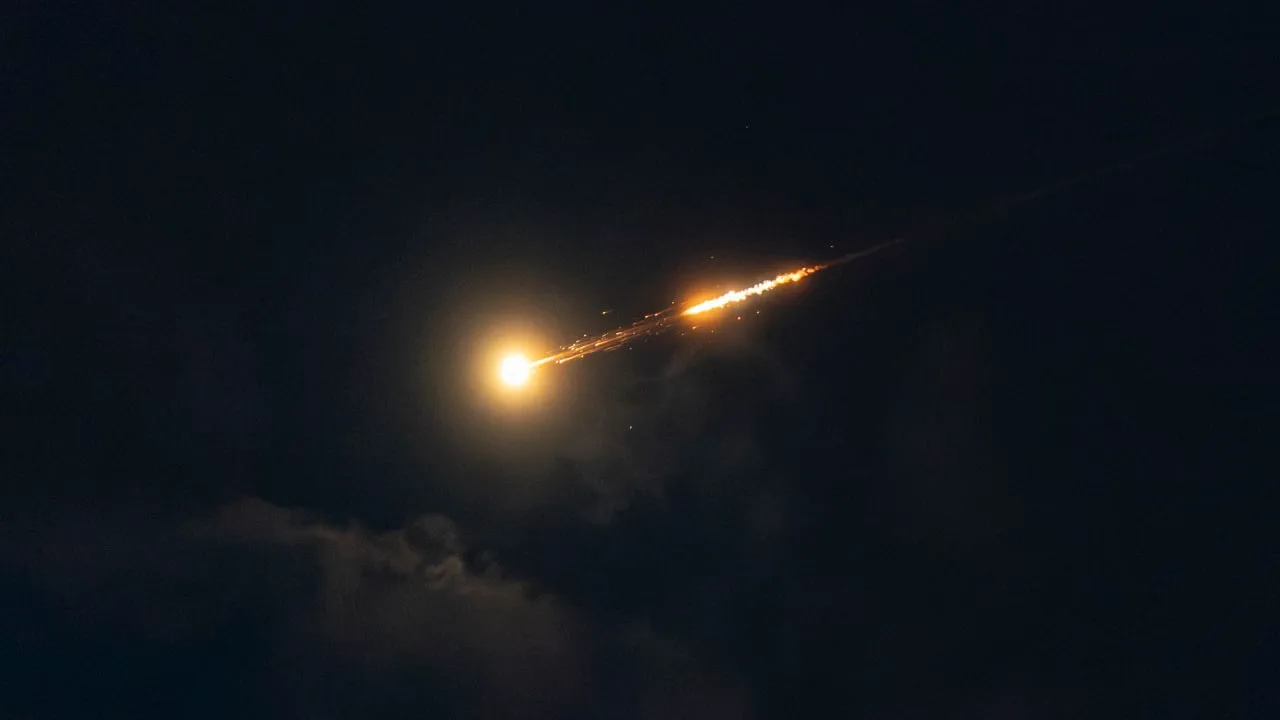
The urgency behind Iran conflict diplomacy efforts is being driven by the broader instability across the Middle East. Since the outbreak of the war in late February 2026, the region has experienced:
- Missile and drone strikes across multiple countries
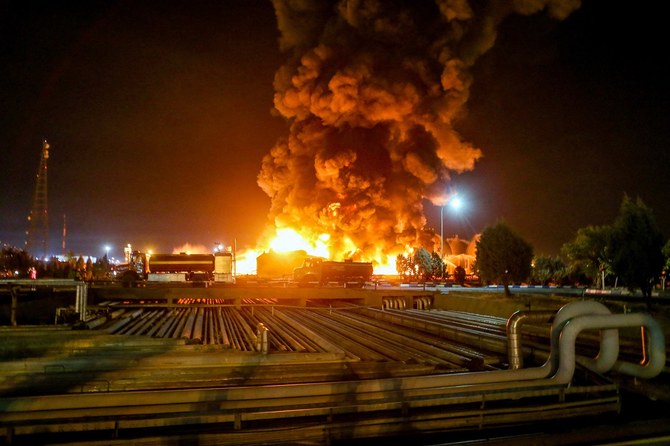
- Disruptions to energy infrastructure and global supply chains
- Rising tensions involving Gulf nations
- Increased risk of a multi-front conflict
Iranian strikes have targeted several neighboring countries, including Qatar, highlighting how quickly the conflict has expanded beyond its initial scope.
These developments have intensified calls for immediate diplomatic action.
Global Economic Impact Raises Stakes
The economic consequences of the conflict have further accelerated Iran conflict diplomacy efforts. Disruptions to the Strait of Hormuz—a critical global energy route—have created significant volatility in oil and gas markets.
Recent incidents involving halted LNG shipments and attacks on energy infrastructure have underscored the vulnerability of global supply chains.
For many countries, the economic stakes are too high to ignore. Stabilizing the region has become not only a political priority but also an economic necessity.
International Mediation Expands
Efforts to advance Iran conflict diplomacy efforts are being supported by a growing coalition of international actors. Countries including Pakistan, Turkey, and Egypt are actively working to facilitate dialogue, while the United Nations is preparing diplomatic missions to engage directly with Iran.
These initiatives reflect a coordinated attempt to prevent further escalation and create a framework for long-term stability.
Despite these efforts, challenges remain. Negotiations are complicated by differing priorities, mistrust, and ongoing military tensions.
Challenges Facing Lasting Peace
While early progress is encouraging, significant obstacles continue to hinder Iran conflict diplomacy efforts. Key challenges include:
- Deep geopolitical divisions between major powers
- Ongoing military operations in certain regions
- Domestic political pressures within involved countries
- Lack of trust between negotiating parties
Experts warn that without sustained commitment, initial gains could quickly unravel.
Public Sentiment and Political Pressure
Public opinion is increasingly shaping the trajectory of Iran conflict diplomacy efforts. Across the region and globally, there is growing fatigue with prolonged conflict and its consequences.
Citizens are demanding solutions that prioritize stability and economic recovery. This pressure is influencing political leaders, pushing them toward diplomatic engagement.
At the same time, leaders must navigate complex security concerns, making decision-making more challenging.
Strategic Implications for the Region
The outcome of the Iran conflict diplomacy efforts will have far-reaching implications for the Middle East and beyond.
A successful de-escalation could:
- Restore stability to global energy markets
- Reduce the risk of wider conflict
- Strengthen diplomatic frameworks in the region
Conversely, failure could lead to renewed escalation, further destabilizing an already volatile environment.
Is This a Turning Point or Temporary Pause?
A central question remains: are the current Iran conflict diplomacy efforts the beginning of a lasting peace process, or merely a temporary pause in hostilities?
Some analysts believe the ceasefire represents a genuine opportunity for progress. Others caution that without addressing underlying issues, tensions could quickly resurface.
The coming weeks will be critical in determining the trajectory of the conflict.
Key Takeaways
The Iran conflict diplomacy efforts welcomed by Qatar represent a cautious but important step toward de-escalation in a highly volatile region.
- Qatar has endorsed early diplomatic progress
- A temporary ceasefire has created space for negotiations
- Regional instability and economic pressures are driving urgency
- International mediation efforts are expanding
- Significant challenges remain to achieving lasting peace
As events continue to unfold, the success of these diplomacy efforts will play a decisive role in shaping the future of the Middle East.