

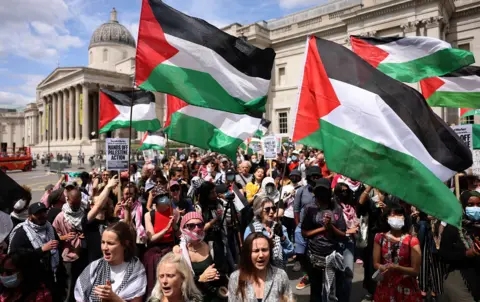
London, March 31, 2026 (Parliament Politics Magazine) Iran conflict protest impact is becoming increasingly visible as a Palestine Action-linked activist has been formally charged following a second arrest, signaling a shift in how authorities respond to protest movements tied to global geopolitical tensions.
Officials confirmed that the individual was detained again after allegedly participating in repeated protest actions, with prosecutors now pursuing charges that could carry significant legal consequences. The case is unfolding at a time when global unrest linked to Middle East tensions is influencing domestic activism across Europe and beyond.
Second Arrest Highlights Escalating Enforcement
Authorities stated that the Iran conflict protest impact is evident in how repeat offenses are now being treated more seriously. The activist had previously been detained during demonstrations linked to political opposition movements and was re-arrested after further involvement in similar activities.
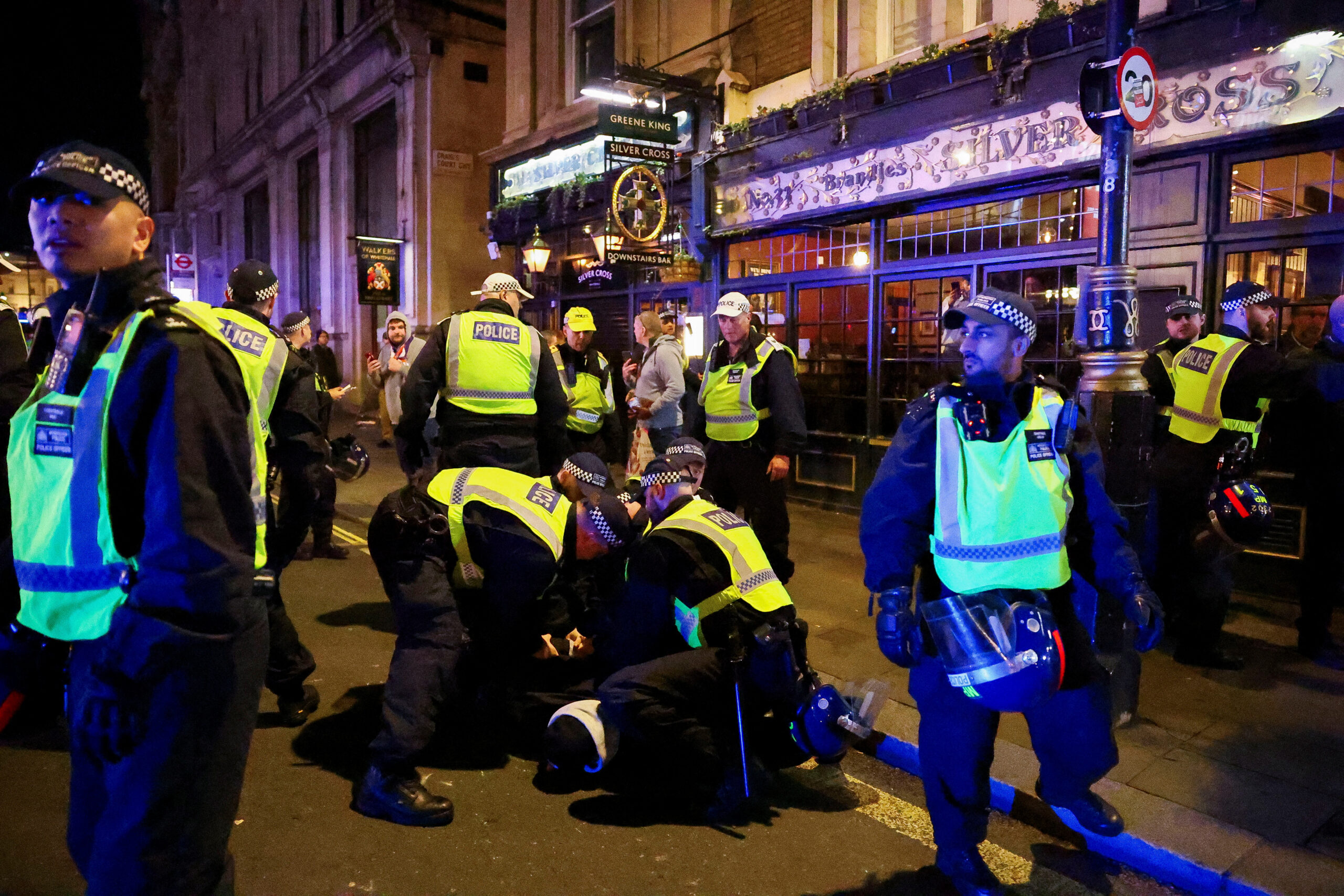
Law enforcement agencies emphasized that the second arrest was not an isolated incident but part of a broader pattern of activism that has intensified in recent months. Police in London have already indicated that individuals showing support for Palestine Action are likely to face arrest under current laws.
A senior official noted:
“Repeated protest actions tied to international conflicts are now being assessed under stricter legal frameworks due to their potential wider impact.”
Global Tensions Driving Local Protests
The Iran conflict protest impact is closely tied to escalating tensions involving Iran and Western powers. Recent reports indicate that protests and crackdowns are increasing both within Iran and internationally, reflecting the broader reach of the conflict.
Reports highlight widespread arrests and intensified crackdowns on dissent inside Iran, with thousands detained during protests and security forces increasing control measures. These developments are influencing protest movements globally, where activists are increasingly mobilizing around the issue.
Rising Arrests Linked to Activism Movements
The Iran conflict protest impact is also visible in the growing number of arrests linked to protest groups. In the United Kingdom alone, hundreds of individuals have been detained for showing support for Palestine Action, reflecting a broader enforcement trend.
This surge in arrests demonstrates how governments are tightening control over activism perceived as disruptive or linked to sensitive geopolitical issues.
Supporters argue that such protests are a necessary response to global events, while critics warn that they may cross legal boundaries and disrupt public order.
Legal Consequences and Policy Implications
Legal experts say the Iran conflict protest impact could reshape how protest-related offenses are prosecuted. Repeat arrests, particularly those involving organized movements, may result in harsher penalties.
Authorities are also examining whether individuals are acting independently or as part of coordinated networks. This distinction could significantly influence sentencing and broader legal outcomes.
The case may serve as a precedent for future enforcement, especially as governments seek to balance civil liberties with national security concerns.
Public Reaction Remains Deeply Divided
Public opinion surrounding the Iran conflict protest impact is sharply divided. Advocacy groups warn that increasing arrests may threaten freedom of expression, while others support stricter enforcement measures to maintain stability.
Social media discussions have amplified both perspectives, highlighting the complexity of the issue. The debate continues to evolve as more cases emerge.
Government Signals Stronger Enforcement Approach
Officials have indicated that the Iran conflict protest impact is prompting a reassessment of policies related to protest movements. Governments are exploring stronger enforcement mechanisms, including updated legislation and enhanced monitoring.
This reflects a broader shift toward prioritizing security in response to activism linked to global conflicts.
Historical Context: Activism in Times of Conflict
Historically, global conflicts have often triggered waves of protest activity. However, the current environment is distinct due to the speed of information flow and the interconnected nature of activism.
The Iran conflict protest impact illustrates how local protests are increasingly influenced by international events, creating new challenges for policymakers and law enforcement.
What Comes Next in the Case
The legal process will now move forward, with courts expected to examine evidence related to the activist’s alleged actions. Defense teams are likely to argue that the protests fall within lawful expression, while prosecutors will focus on the repeated nature of the offenses.
Observers say the outcome could influence how similar cases are handled in the future.
A Turning Point for Protest Enforcement
The Iran conflict protest impact is becoming a defining issue in the intersection of global politics and domestic law enforcement. The case of an activist being charged after a second arrest reflects a broader shift toward stricter oversight of protest movements.
As geopolitical tensions continue to rise, governments are likely to face increasing pressure to respond decisively, potentially reshaping the landscape of activism and legal accountability.
Why Iran Conflict Protest Impact Is Reshaping Global Activism and Law Enforcement
Iran conflict protest impact is driving stricter enforcement against activist movements.
A second arrest leading to formal charges signals a shift in legal response.
The case could redefine how protests tied to global conflicts are handled worldwide.
