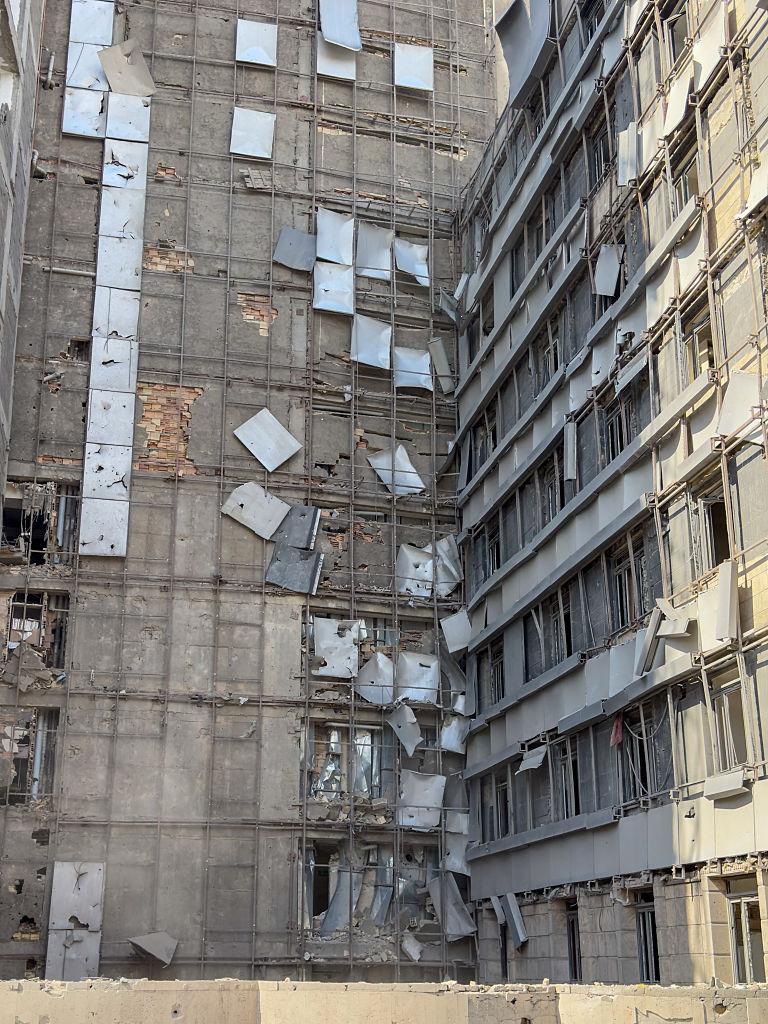
Tehran, Iran — March 10, 2026 — Parliament News — According to information cited by Brussels Morning Newspaper, the Iran medical infrastructure crisis has deepened after officials confirmed that nine hospitals across several regions are no longer functioning. The shutdown of these medical facilities has raised growing concern among healthcare experts who warn that disruptions to hospital operations could impact emergency response capabilities and patient care nationwide.
Hospitals are critical components of any healthcare system. When several facilities become non operational at the same time, the burden shifts to the remaining hospitals, forcing them to manage larger numbers of patients with limited resources. The current Iran medical infrastructure crisis has therefore triggered discussions among policymakers and medical professionals about how the country can maintain stable healthcare access while damaged hospitals undergo safety inspections and repairs.
Hospital Closures Raise Immediate Healthcare Concerns
Officials say that structural damage and operational safety concerns have led to the temporary shutdown of several hospitals. Engineers and healthcare authorities are evaluating affected buildings to determine whether repairs can be completed quickly or whether reconstruction will be required.
The Iran medical infrastructure crisis has forced medical administrators to redirect patients to nearby hospitals. Emergency departments in surrounding cities have reportedly begun receiving higher numbers of patients transferred from the closed facilities.
This situation places added pressure on hospitals that were already operating close to full capacity. Doctors and nurses must now manage a surge in patient demand while ensuring that critical medical services continue uninterrupted.
Communities Face Reduced Access to Medical Care
For many residents, the closure of hospitals means longer travel times to reach emergency treatment. Patients who previously relied on local hospitals may now need to travel to larger medical centers located in other cities.
The Iran medical infrastructure crisis has therefore created uncertainty for patients who require regular medical treatments such as dialysis, cancer therapy, or specialized surgical procedures. Healthcare access is especially important for elderly patients and individuals living with chronic illnesses who depend on consistent medical supervision.
Public health specialists say maintaining access to nearby hospitals is essential for protecting communities during emergencies. When hospitals close, even temporarily, response times for critical medical situations can increase significantly.
Historical Comparison of Healthcare Disruptions
Healthcare systems have faced similar challenges in other regions during periods of conflict or infrastructure damage. In several historical cases, hospitals were forced to close temporarily due to structural damage or operational safety concerns.
Such events often demonstrate how fragile healthcare infrastructure can become when essential services are disrupted. The Iran medical infrastructure crisis reflects patterns seen in other parts of the world where hospital closures led governments to reconsider emergency preparedness and infrastructure protection.
In many historical examples, rebuilding healthcare capacity required coordinated efforts between medical professionals, engineers, and government agencies to restore hospital operations and ensure long term stability.
Medical Workers Respond to Growing Challenges
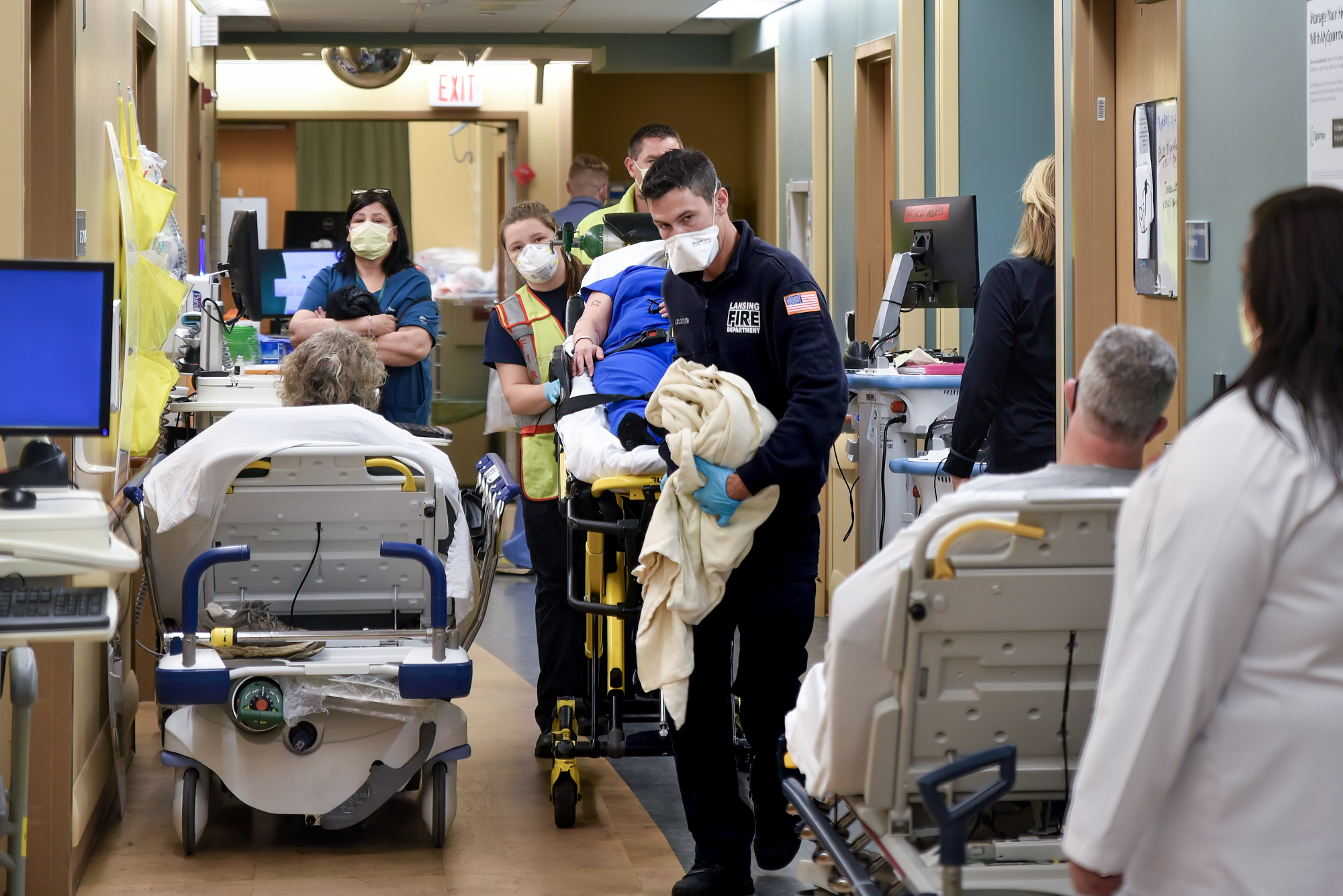
Doctors and nurses remain on the front lines of the healthcare response. Medical staff are working extended hours to manage increased patient numbers as hospitals attempt to adjust to the new conditions.
Healthcare administrators are also coordinating patient transfers and reorganizing hospital departments to accommodate additional demand. In some regions, temporary treatment facilities may be considered to support hospitals experiencing overcrowding.
One healthcare analyst described the seriousness of the situation.
“The stability of a healthcare system depends heavily on its hospital network. When several facilities stop operating at once, even temporarily, the entire system must adapt quickly to prevent disruptions to patient care.”
The statement highlights the broader implications of the Iran medical infrastructure crisis, which now requires careful planning and resource management.
What Happens Next for the Healthcare System
Authorities are continuing inspections of damaged hospitals while exploring ways to restore services as soon as possible. Engineers must evaluate structural conditions and medical equipment before hospitals can reopen safely.
At the same time, healthcare planners are working to ensure that functioning hospitals receive additional support to handle increased patient numbers.
While the situation remains fluid, the Iran medical infrastructure crisis illustrates the importance of resilient medical systems that can adapt during emergencies.
Key Takeaways From the Situation
The closure of nine hospitals has created a challenging moment for the healthcare system. Communities are facing reduced access to medical care, and hospitals that remain open must now manage greater demand.
The Iran medical infrastructure crisis underscores how essential stable hospital networks are for protecting public health. Ensuring that damaged hospitals are repaired quickly and that healthcare workers receive the resources they need will be critical in restoring normal medical services.
Ultimately, the situation serves as a reminder that maintaining strong healthcare infrastructure is vital for every nation, particularly during times of uncertainty when medical systems are needed most.