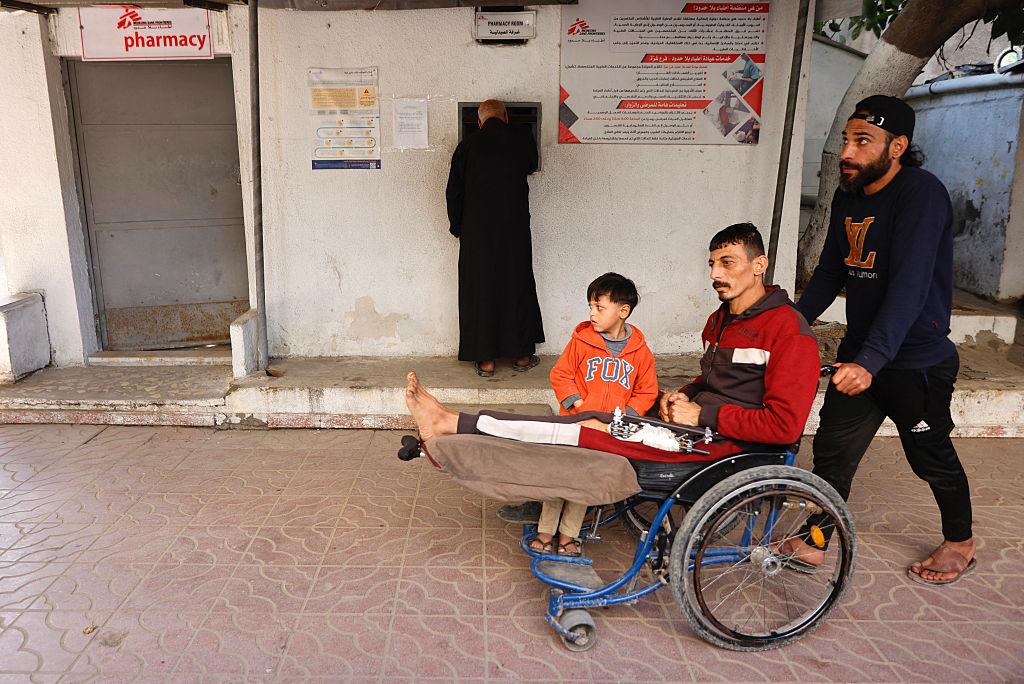
Gaza Strip, February 1 2026, According to Parliament News, that Gaza hospitals patients are enduring one of the most severe healthcare breakdowns in the territory’s history. Medical facilities across the enclave are operating under relentless pressure as conflict-related injuries, untreated chronic illnesses, and infrastructure damage converge into a single, widening humanitarian emergency. Doctors describe conditions in which survival often depends not on medical knowledge, but on the availability of fuel, medicine, and time.
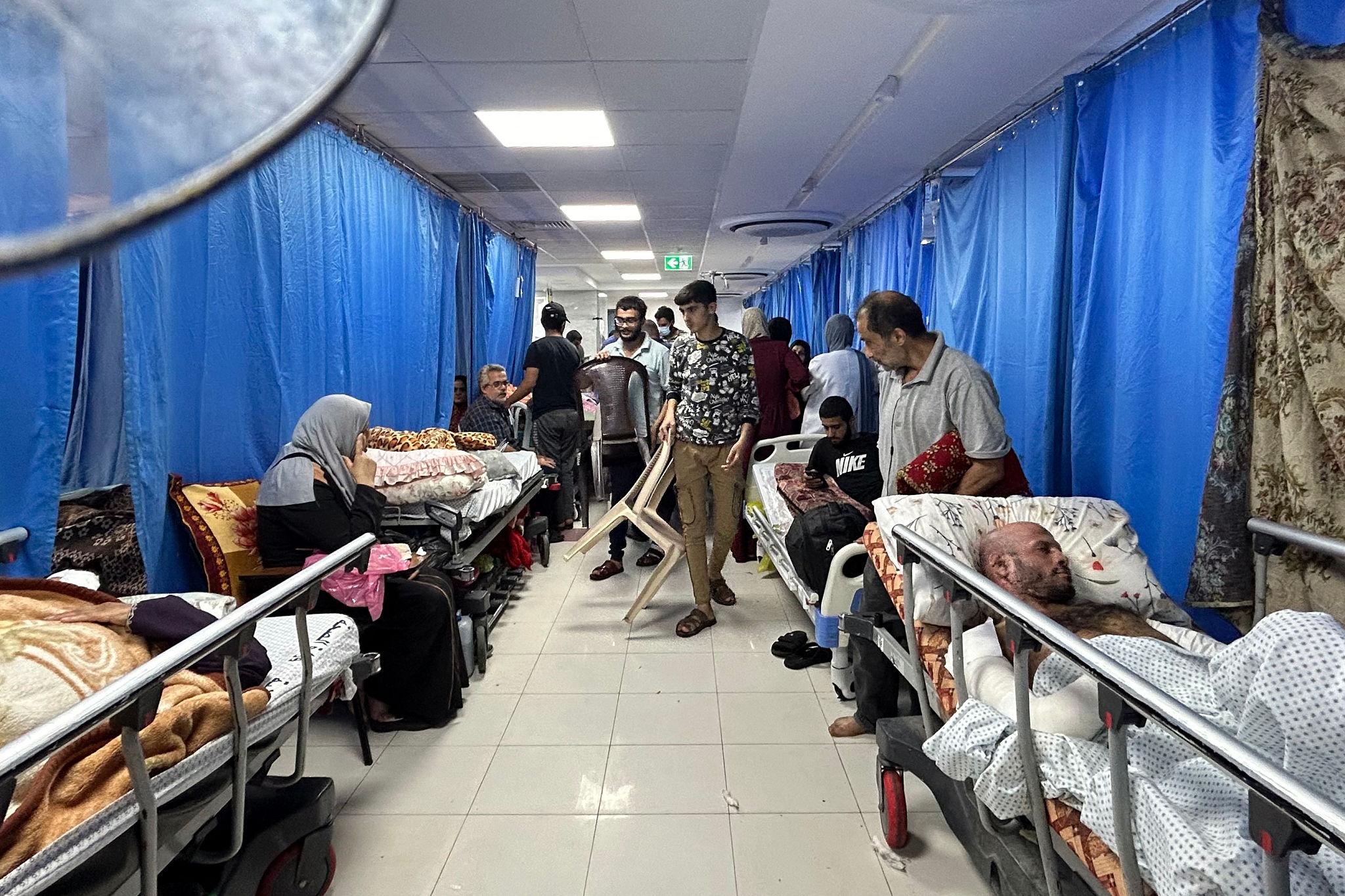
Hospitals that once served as centers of routine care have become emergency triage zones, with hallways filled by stretchers and families waiting anxiously for updates. The situation has triggered renewed international concern over civilian protection and access to medical treatment.
Health Facilities Operating at Breaking Point
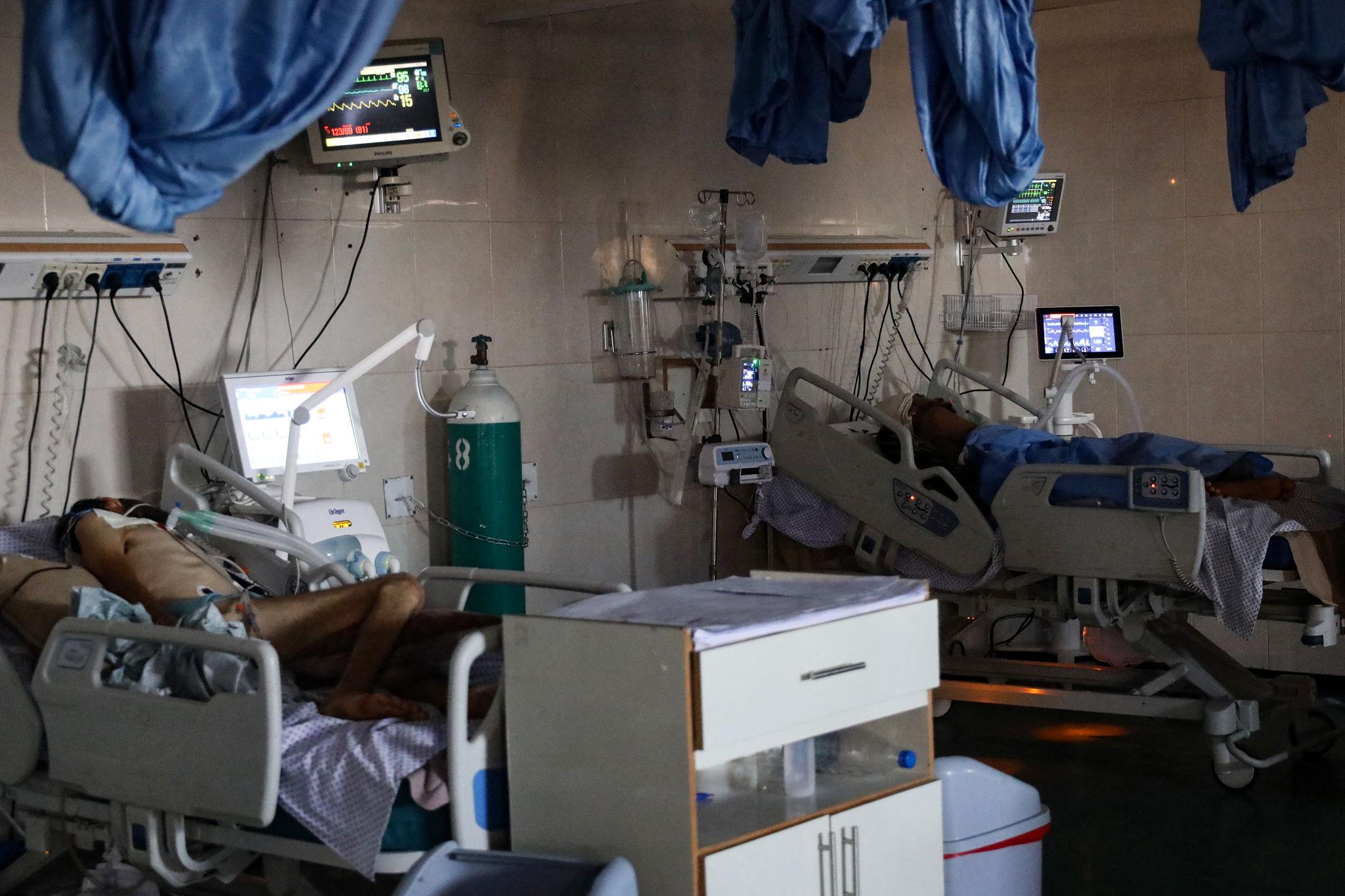
Emergency departments are receiving waves of casualties around the clock. Surgical theaters function continuously when electricity is available, yet interruptions remain frequent due to fuel shortages. Many hospitals report using backup generators sparingly to preserve power for intensive care units.
For Gaza hospitals patients, overcrowding has become the norm rather than the exception. Beds are shared, recovery rooms double as trauma wards, and medical staff must constantly re-prioritize cases as new emergencies arrive.
Scale of Injuries and Medical Need
Health authorities estimate that tens of thousands of civilians are wounded or seriously ill, with numbers rising steadily. Injuries range from blast trauma and burns to fractures and internal bleeding. At the same time, patients with cancer, kidney disease, and heart conditions face worsening outcomes due to interrupted treatment.
The burden placed on Gaza hospitals patients reflects not only the intensity of violence but also the long-term erosion of healthcare capacity caused by restricted supplies and damaged infrastructure.
Chronic Illness and Interrupted Care
Beyond emergency trauma, chronic disease management has been severely disrupted. Dialysis centers operate below capacity, chemotherapy sessions are postponed indefinitely, and insulin shortages threaten diabetic patients.
Doctors say Gaza hospitals patients with non-communicable diseases are among the most vulnerable, as delays can lead to irreversible deterioration even without new injuries.
Medical Staff Under Extreme Strain
Healthcare workers face exhaustion and psychological trauma after months of nonstop emergencies. Many doctors and nurses have not left hospital compounds for days, sleeping in break rooms or corridors between shifts.
Despite these conditions, staff continue to treat Gaza hospitals patients with determination, often improvising procedures when standard equipment is unavailable. Aid groups warn, however, that burnout and attrition could soon further weaken the system.
Severe Shortages of Supplies and Equipment
Essential medical supplies are critically low. Antibiotics, anesthetics, blood bags, and sterile equipment are rationed carefully. Imaging machines damaged by power fluctuations limit diagnostic capacity.
For Gaza hospitals patients, these shortages mean delayed surgeries, untreated infections, and higher mortality risks. Humanitarian organizations stress that supply access remains as urgent as ceasefire negotiations.
Medical Evacuation Constraints
Medical evacuation remains a key option for patients needing advanced care unavailable locally. However, limited border access and administrative hurdles have slowed transfers dramatically.
Only a fraction of Gaza hospitals patients approved for evacuation manage to leave, often after weeks of waiting. Coordination through Egypt has eased pressure slightly, but demand far exceeds capacity.
International Aid and Humanitarian Appeals
The World Health Organization and partner agencies have issued repeated warnings that Gaza’s health system is nearing total collapse. Field hospitals and emergency medical teams provide partial relief but cannot replace comprehensive hospital care.
Aid officials emphasize that Gaza hospitals patients require sustained access to medicines, fuel, and evacuation routes to prevent further loss of life.
Families Waiting in Fear and Uncertainty
Hospital courtyards have become gathering points for families seeking news. Parents sleep beside injured children, while relatives line corridors hoping to speak with doctors.
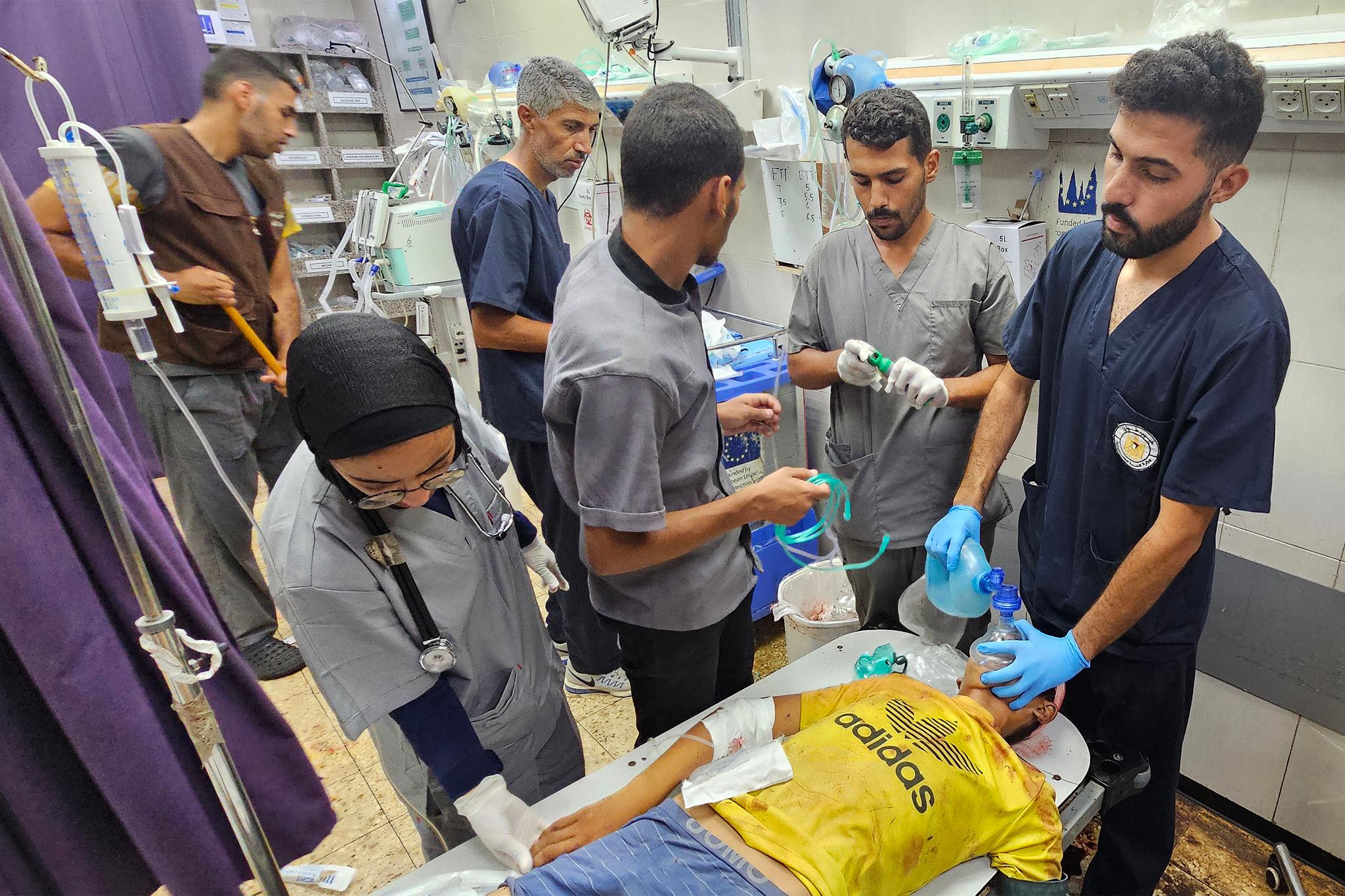
One physician working in an emergency ward said,
“We are forced to choose who receives care first, and that is a burden no doctor should carry.”
This single statement captures the moral weight borne daily by those treating Gaza hospitals patients.
Psychological Trauma and Mental Health Crisis
Beyond physical injuries, psychological trauma is widespread. Children show signs of acute stress, while adults struggle with anxiety and grief. Mental health services, already limited before the crisis, are now overwhelmed.
Counselors report that Gaza hospitals patients frequently present with both physical wounds and psychological distress, complicating treatment and recovery.
Long-Term Public Health Consequences
Experts warn that the current crisis will have lasting repercussions. Interrupted vaccinations raise the risk of disease outbreaks, while untreated injuries could lead to permanent disability for thousands.
For Gaza hospitals patients, recovery often extends far beyond hospital discharge, yet rehabilitation services remain scarce.
Infrastructure Damage and Sanitation Risks
Damage to water and sanitation systems increases the risk of infection within medical facilities. Hospitals struggle to maintain hygiene standards amid shortages of clean water and disinfectants.
Public health officials caution that overcrowding among Gaza hospitals patients could accelerate the spread of communicable diseases.
Regional Healthcare Spillover Effects
Neighboring healthcare systems treating evacuated patients face growing strain. While regional cooperation continues, capacity limits mean many patients remain inside Gaza.
The inability to move large numbers of Gaza hospitals patients highlights the scale of unmet need.
Political and Logistical Barriers
Efforts to stabilize the healthcare situation are complicated by ongoing political negotiations and security concerns. Access for aid convoys remains unpredictable, affecting supply chains.
Human rights organizations argue that medical neutrality and protection for Gaza hospitals patients must be upheld regardless of political developments.
Monitoring the Crisis Through 2026
As 2026 progresses, humanitarian agencies warn that conditions could deteriorate further without sustained intervention. Any escalation risks overwhelming remaining hospital capacity.
Continuous monitoring and rapid response mechanisms are essential to prevent additional casualties among Gaza hospitals patients.
International Law and Civilian Protection
Under international humanitarian law, civilians and medical facilities are entitled to protection. Legal experts emphasize that access to care is not optional but a fundamental obligation.
Advocates stress that safeguarding Gaza hospitals patients is integral to upholding these principles.
Economic and Social Ripple Effects
The healthcare crisis also affects Gaza’s economy and social fabric. Families lose income while caring for injured relatives, deepening poverty and dependence on aid.
Long-term disability among Gaza hospitals patients could further strain social support systems.
Comparison With Past Regional Health Crises
Compared with previous regional health emergencies, the current strain on Gaza’s hospitals is deeper and more prolonged. In earlier escalations, facilities faced short spikes in casualties followed by partial recovery periods. In 2026, however, sustained conflict, repeated infrastructure damage, and restricted supply lines have combined to keep wards permanently overcrowded.
Unlike neighboring crises where cross-border referrals eased pressure within weeks, evacuation bottlenecks have left local hospitals carrying the burden for months. This contrast highlights how today’s conditions represent not just a surge in injuries, but a systemic breakdown that has reduced recovery capacity and intensified long-term risks for patients.
Media Coverage and Global Awareness
International media coverage has drawn attention to hospital conditions, yet aid groups argue that awareness must translate into action.
They urge sustained focus on the needs of Gaza hospitals patients beyond headline cycles.
Prospects for Recovery
Rebuilding Gaza’s healthcare system will require years of investment, training, and infrastructure repair. Short-term relief alone cannot address systemic damage.
Experts say recovery plans must prioritize the long-term needs of Gaza hospitals patients alongside immediate emergency care.
A System Sustained by Resilience
The crisis unfolding inside Gaza’s hospitals is defined not only by shortages and overcrowding, but by resilience. Doctors, nurses, and families continue to persevere amid conditions that test the limits of human endurance. In 2026, the fate of Gaza’s healthcare system hinges on whether the international community can move beyond expressions of concern to deliver consistent access, protection, and support before the damage becomes irreversible.