
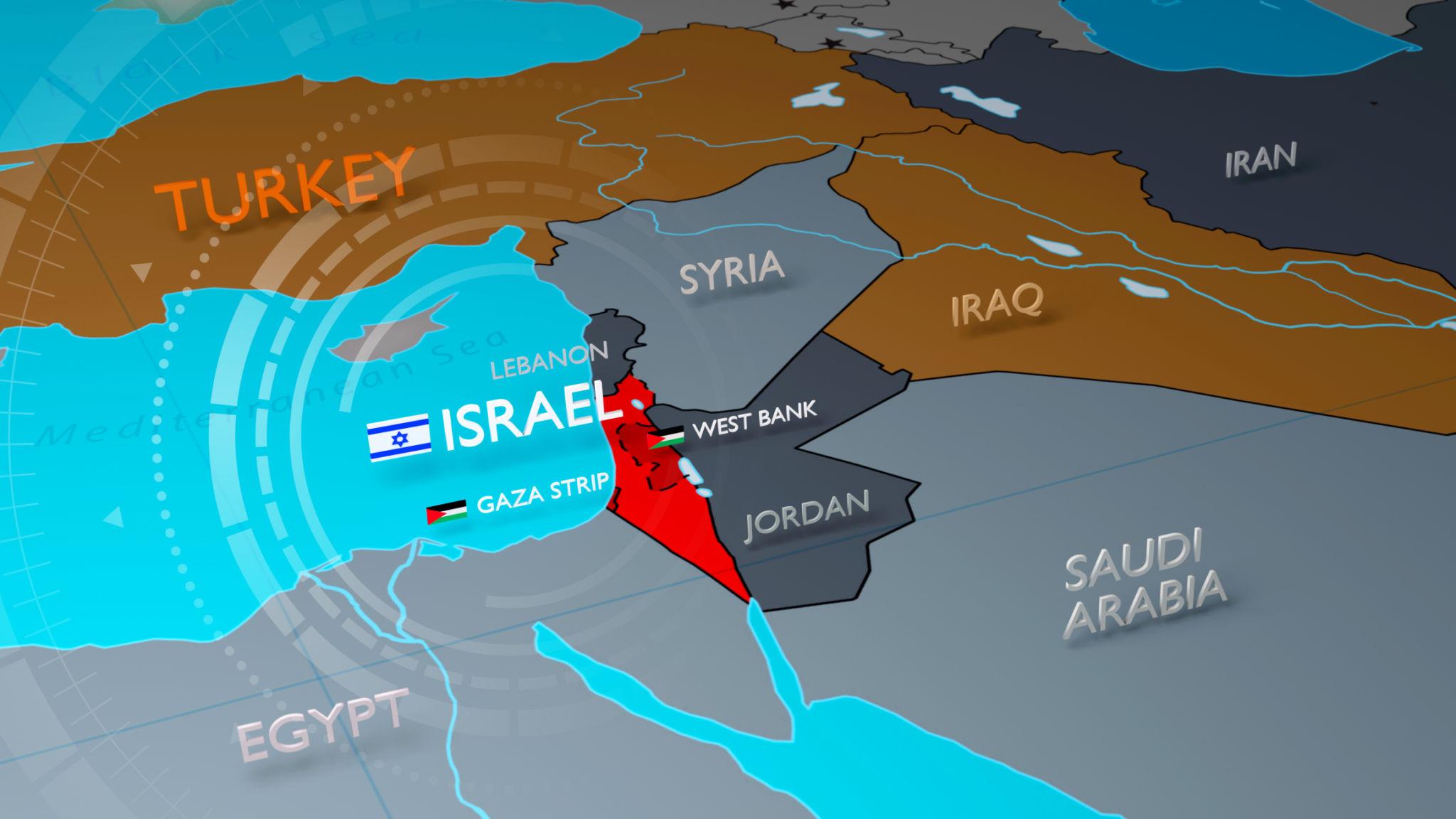
TEHRAN, IRAN — March 8, 2026 — Parliament News — Iran military escalation has become the focus of international concern after Iran’s Islamic Revolutionary Guard Corps announced that it targeted several Israeli cities along with a military airbase in Jordan. The claim was released through official Iranian channels and quickly spread across global media outlets, raising alarm among regional governments and security analysts.
Iranian officials described the action as a strategic response to ongoing hostilities and what they called threats against Iran’s national security interests. While the details of the alleged strikes remain difficult to independently verify, the statement alone has increased fears that the region may be entering a new phase of confrontation.
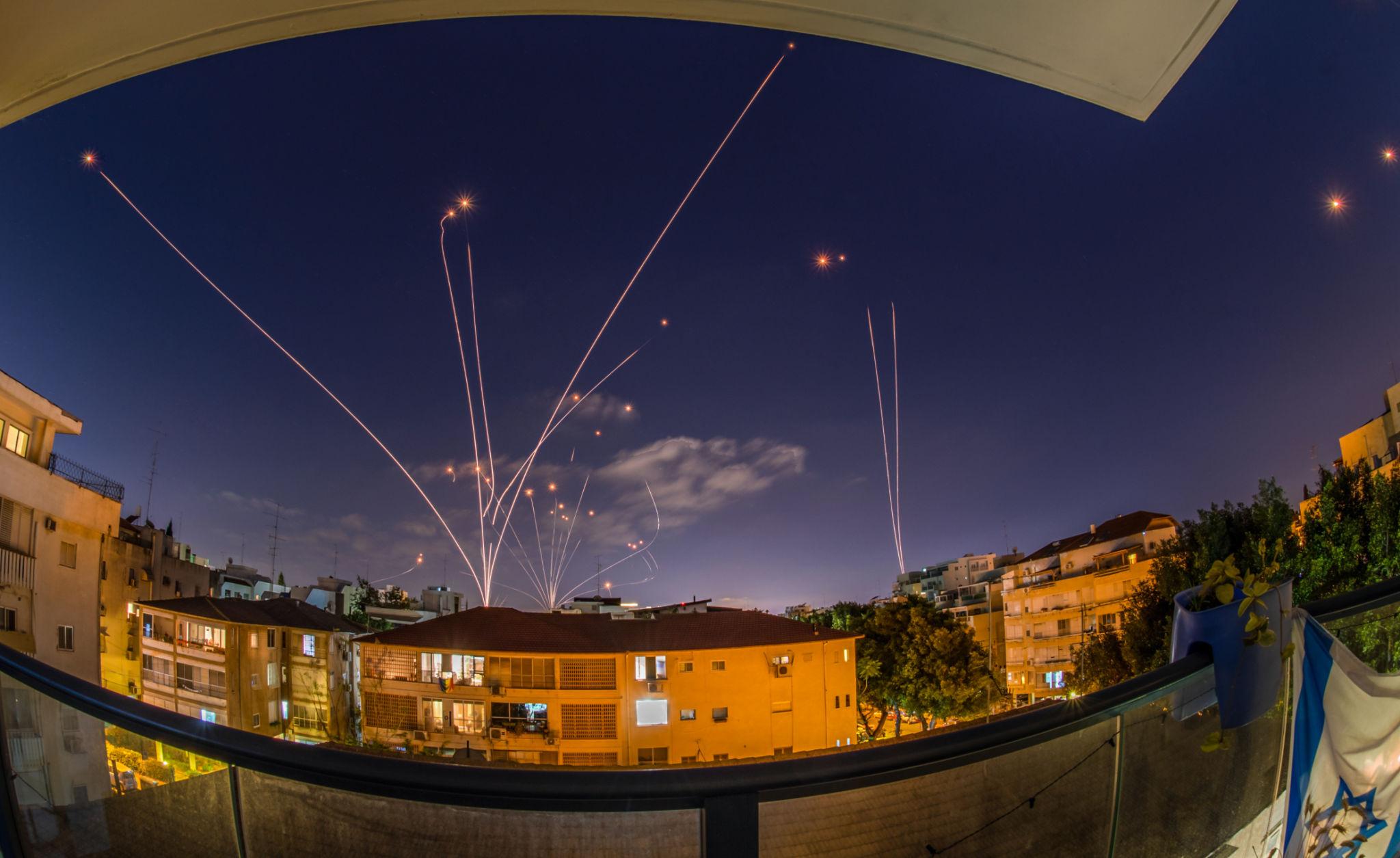
Israeli authorities have responded by increasing defensive readiness in several cities, placing air defense systems on heightened alert. Military analysts say this type of response is expected whenever announcements of potential missile activity occur. Even without confirmation of damage or casualties, such declarations often prompt rapid security adjustments across neighboring countries.
The current Iran military escalation comes at a time when the Middle East is already dealing with multiple political and military tensions. Governments across the region are monitoring developments carefully, aware that even a single incident can trigger a wider chain reaction among allied nations.
Jordan Airbase Claim Raises Diplomatic Questions
One of the most sensitive aspects of the announcement involved Iran’s claim that a military airbase in Jordan was among the targets. Jordanian officials have not confirmed any strike occurring within their territory, but the mention of the base has raised diplomatic questions.
Jordan plays a key strategic role in regional security cooperation and maintains close ties with several Western governments. Any suggestion that military operations could involve its territory immediately attracts international attention.
Security analysts say the claim may be part of broader messaging intended to demonstrate Iran’s ability to reach strategic locations across the region. In geopolitical conflicts, statements about potential targets can sometimes carry as much influence as confirmed military actions.
The evolving Iran military escalation is therefore being interpreted not only as a possible military event but also as part of a larger strategic communication effort between rival powers.
Historical Comparison Shows Pattern of Confrontation
The Iran military escalation unfolding today reflects patterns that have appeared repeatedly during past periods of tension between Iran and Israel. For decades, the rivalry between the two nations has rarely developed into direct large scale warfare. Instead, the conflict has often unfolded through indirect confrontations, intelligence operations, cyber activity, and limited military actions carried out across different parts of the region.
Previous episodes of Iran military escalation have frequently involved missile launches, targeted strikes, or warnings issued by military officials. These moments often produced sudden spikes in tension, followed by urgent diplomatic efforts aimed at preventing a wider conflict. Similar cycles were seen during earlier Middle East crises when military announcements and retaliatory threats created fears of war but were eventually followed by negotiations or strategic restraint.
Security analysts say that each wave of Iran military escalation tends to function as both a show of strength and a warning to rivals. While the incidents are serious and carry real risks, they often act as demonstrations of capability and deterrence rather than immediate steps toward full scale war.
Understanding this historical background helps explain why governments and international observers are approaching the current developments with caution while closely monitoring the evolving situation.
Analysts Warn of Regional Security Risks
Despite the historical precedent for limited escalation, security experts warn that the current Iran military escalation carries significant risks. The Middle East remains one of the most complex geopolitical environments in the world, where multiple alliances, rivalries, and strategic interests overlap.
Energy markets, shipping routes, and international trade are closely tied to stability in the region. Any escalation involving major regional powers could have economic consequences far beyond the immediate area.
One regional security analyst summarized the challenge facing policymakers, saying,
“The Middle East operates like a tightly connected system. A single military incident can quickly ripple across borders and alliances.”
Diplomatic channels are now being used by several governments in an effort to reduce tensions and encourage restraint among all parties involved.
For now, global attention remains fixed on the region as leaders weigh their next steps. Whether the current Iran military escalation leads to further confrontation or eventually stabilizes through diplomacy will likely depend on how governments respond in the coming days and weeks.

Written by
Daniele NaddeiDaniele Naddei is a journalist at Parliament News covering European affairs, was born in Naples on April 8, 1991. He also serves as the Director of the CentroSud24 newspaper. During the period from 2010 to 2013, Naddei completed an internship at the esteemed local radio station Radio Club 91. Subsequently, he became the author of a weekly magazine published by the Italian Volleyball Federation of Campania (FIPAV Campania), which led to his registration in the professional order of Journalists of Campania in early 2014, listed under publicists. From 2013 to 2018, he worked as a freelance photojournalist and cameraman for external services for Rai and various local entities, including TeleCapri, CapriEvent, and TLA. Additionally, between 2014 and 2017, Naddei collaborated full-time with various newspapers in Campania, both in print and online. During this period, he also resumed his role as Editor-in-Chief at Radio Club 91. Naddei is actively involved as a press officer for several companies and is responsible for editing cultural and social events in the city through his association with the Medea Fattoria Sociale. This experience continued until 2021. Throughout these years, he hosted or collaborated on football sports programs for various local broadcasters, including TLA, TvLuna, TeleCapri, Radio Stonata, Radio Amore, and Radio Antenna Uno. From 2016 to 2018, Naddei was employed as an editor at newspapers of national interest within the Il24.it circuit, including Internazionale24, Salute24, and OggiScuola. Since 2019, Naddei has been one of the creators of the Rabona television program "Calcio è Passione," which has been broadcast on TeleCapri Sport since 2023.