
Tehran, April 12, 2026 (Parliament Politics Magazine) Iran national security alert has been declared following the arrest of 50 individuals accused of sharing locations and sensitive information with what authorities described as an “enemy.” The announcement comes during a period of heightened geopolitical tension, placing the country on increased internal alert.
Officials claim the suspects were involved in transmitting critical data, including strategic locations and infrastructure details. While specific evidence has not been publicly disclosed, authorities insist the actions posed a direct threat to national stability.
A senior official stated,
“Any collaboration with hostile entities will face immediate and decisive consequences.”
The statement reflects the urgency behind the Iran national security alert and the government’s intent to deter further incidents.
Expanding Crackdown Signals Stronger Internal Measures
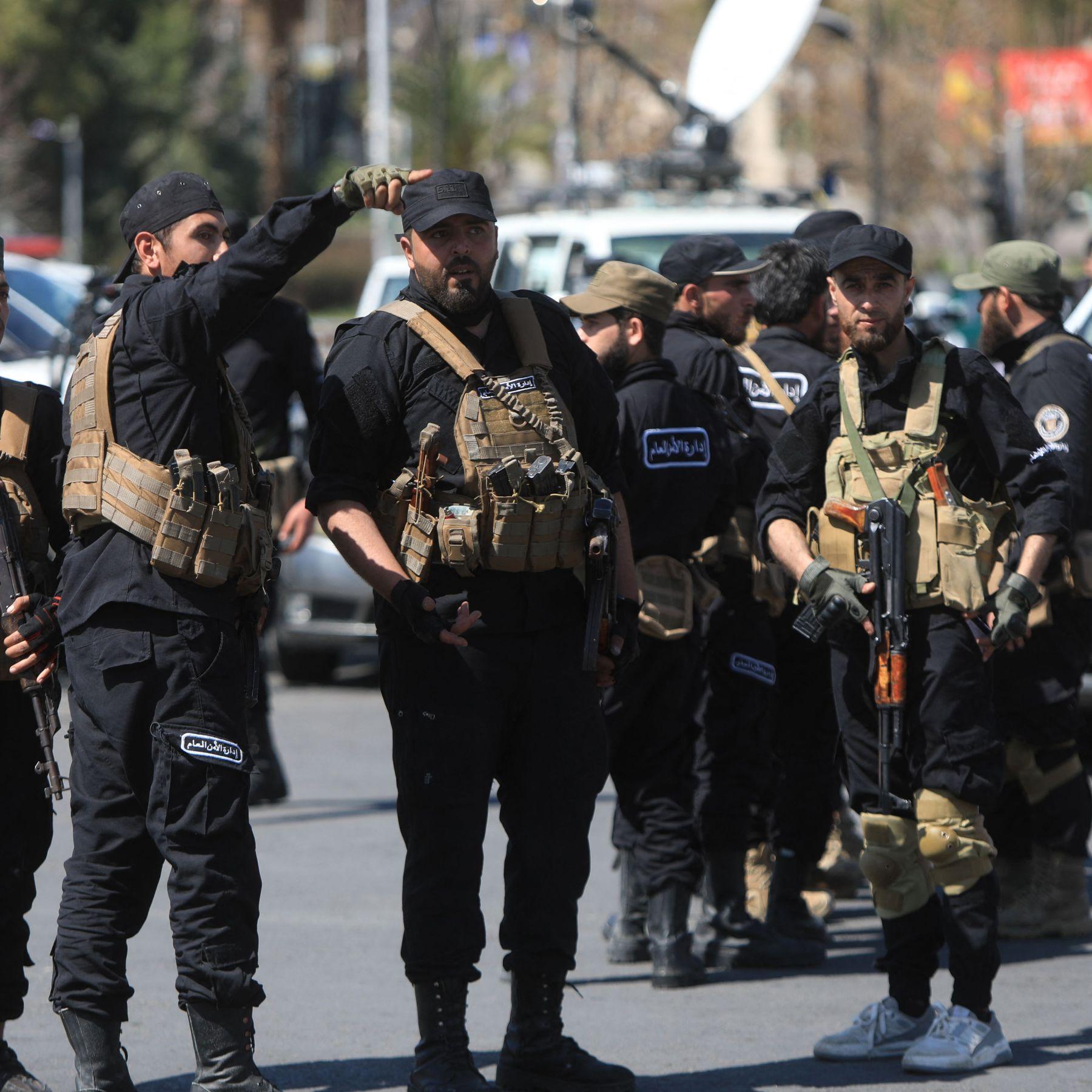
The declaration of an Iran national security alert signals a broader effort to strengthen domestic control and prevent security breaches. Authorities have reportedly intensified monitoring of digital communications, social platforms, and location-sharing technologies.
Citizens are being warned to exercise caution when sharing any form of information online. Even routine activities such as posting images or location tags may now fall under scrutiny if deemed sensitive.
This development highlights how governments respond during periods of external threat, prioritizing national defense measures and internal stability.
Allegations of Data Sharing Raise Global Concerns
As the Iran national security alert unfolds, the international community is closely watching the situation. The arrests have raised questions about the scope of alleged offenses and the criteria used to determine guilt.
Observers note that the definition of “enemy” remains unclear, creating uncertainty around who may be targeted. Human rights advocates have expressed concern over transparency and due process, emphasizing the importance of fair legal proceedings.
A regional expert noted,
“Security enforcement is expected during conflict, but accountability and clarity remain essential to maintaining public trust.”
Digital Age Warfare and Information Risks
The escalation of the Iran national security alert underscores the growing role of information in modern conflict. In an era where data can be shared instantly, even small leaks can have significant consequences.
Authorities believe that digital platforms can be exploited to gather intelligence, making ordinary users potential risks if not cautious. This has led to stricter controls and increased awareness campaigns targeting online behavior.
The situation demonstrates how warfare has evolved beyond traditional battlefields, extending into cyberspace and everyday communication.
Impact on Society and Online Behavior
With the Iran national security alert in effect, public behavior is expected to shift. Citizens may become more cautious about their digital interactions, avoiding the sharing of sensitive or location-based information.
Experts warn that such measures could lead to reduced freedom of expression, as individuals fear potential repercussions. While the government frames these actions as necessary for protection, the broader impact on society remains a topic of debate.
This balance between national security and individual rights continues to be a key issue in regions experiencing conflict.
Regional Tensions Drive Security Decisions
The timing of the Iran national security alert aligns with escalating tensions across the Middle East. Analysts suggest that internal crackdowns often coincide with external threats, as governments seek to eliminate vulnerabilities.
The arrests may reflect concerns that sensitive information could be used by opposing forces during ongoing conflicts. By acting swiftly, authorities aim to prevent any potential compromise of national interests.
Such measures, however, can also contribute to increased tension both domestically and internationally.
Government Issues Strong Public Warning
Authorities have used the Iran national security alert to deliver a clear message to the public. Officials emphasize that protecting national interests is a shared responsibility and that any form of cooperation with adversaries will not be tolerated.
Public awareness campaigns are expected to increase, focusing on the risks associated with digital communication. These efforts aim to educate citizens while reinforcing the seriousness of the situation.
A government spokesperson stated, “Every individual must remain vigilant and avoid actions that could endanger national security.”
International Reactions and Diplomatic Pressure
The announcement of the Iran national security alert and subsequent arrests has drawn varied reactions globally. Some governments view the move as a necessary security measure, while others raise concerns about potential overreach.
Diplomatic implications may arise if the arrests involve foreign connections or if the situation escalates further. The lack of detailed information continues to fuel speculation and concern.
This uncertainty adds complexity to an already volatile geopolitical landscape.
Information Control Becomes Central to Conflict
The Iran national security alert highlights the increasing importance of controlling information during times of conflict. Governments are recognizing that data, communication, and intelligence are critical components of national defense.
As a result, policies and technologies aimed at monitoring and regulating information are becoming more prominent. This shift reflects a broader trend in how modern conflicts are managed.
The focus on information control is likely to remain a key aspect of security strategies worldwide.
Security Measures Intensify Amid Rising Tensions
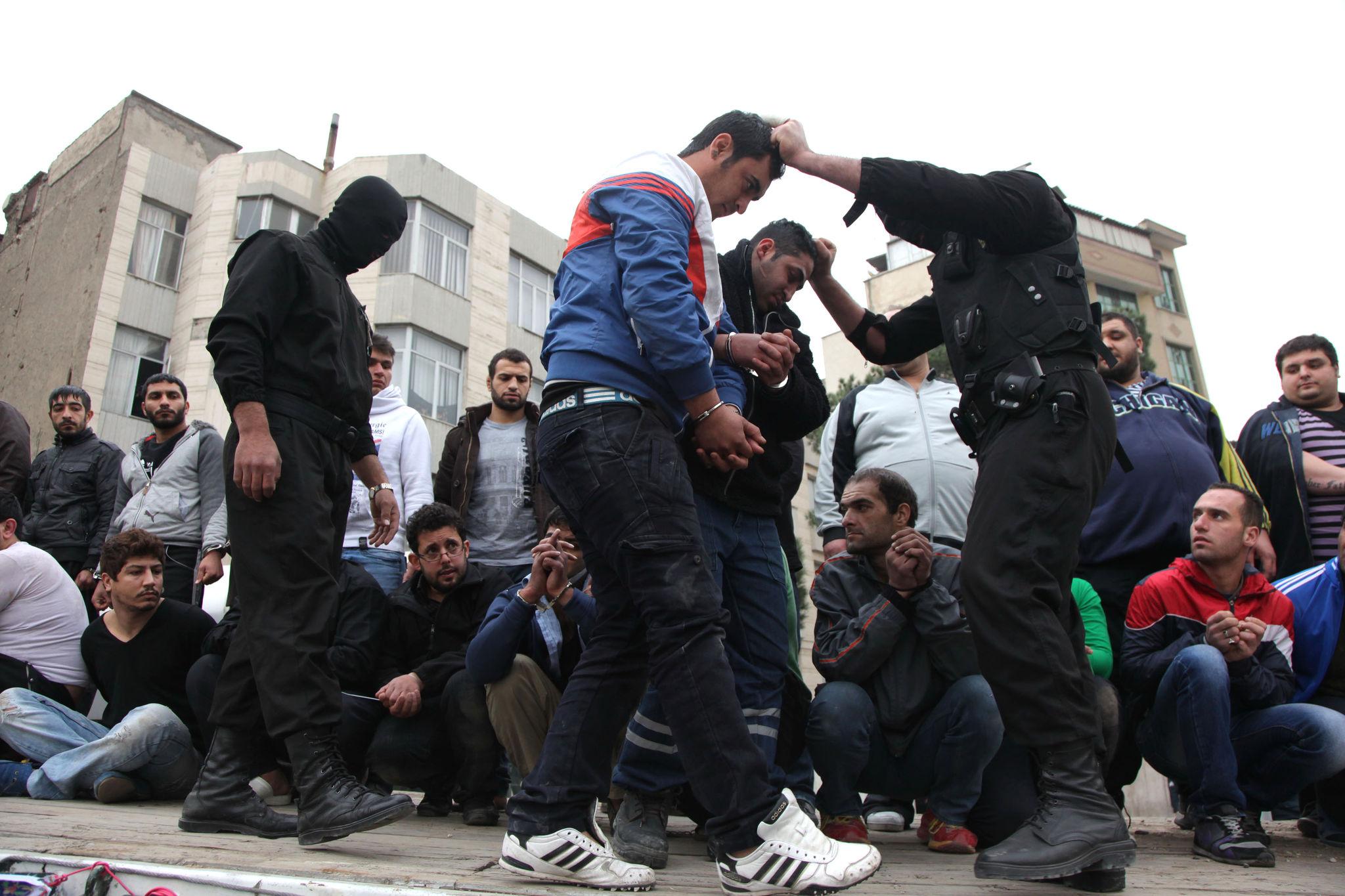
The Iran national security alert following the arrest of 50 individuals marks a significant escalation in internal security efforts. Authorities argue that these actions are necessary to protect national interests, while critics question the impact on civil liberties and transparency.
As tensions continue to rise, the situation underscores the complex relationship between security, technology, and individual rights. The incident serves as a reminder of how modern conflicts extend beyond physical boundaries into the digital realm.
In summary, the Iran national security alert reflects a decisive move to safeguard the country during uncertain times, while also sparking global debate over the limits of surveillance and enforcement.