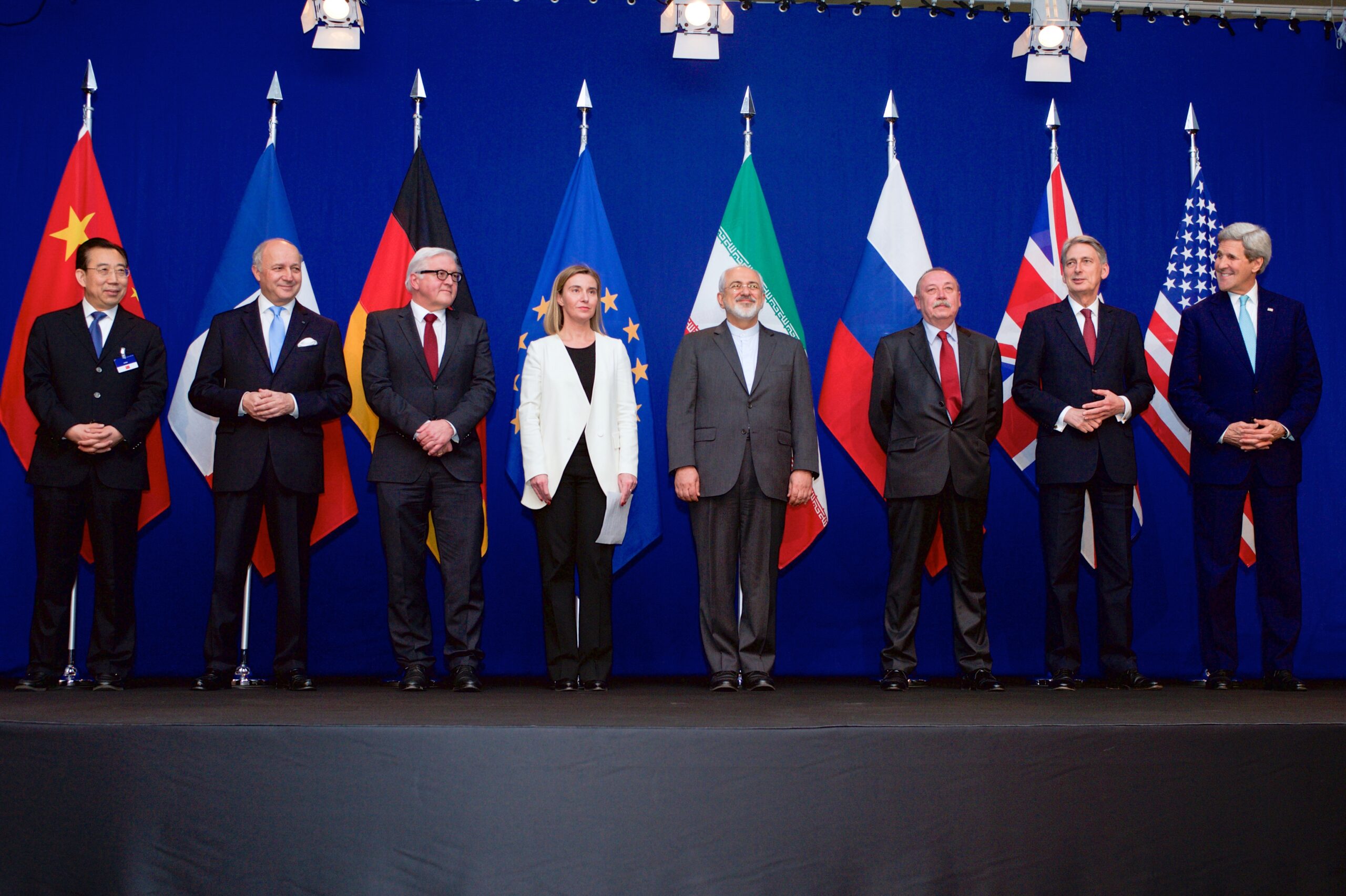
Vienna, Austria — January, 2026 — The Iran nuclear deal returned to the center of international diplomacy this week as senior envoys convened in Vienna amid mounting regional tensions and renewed global concern over nuclear nonproliferation. The talks mark one of the most significant diplomatic moments of the year, reflecting efforts by major powers to prevent further instability in the Middle East while preserving fragile international security frameworks.
Officials described the discussions as deliberate and tightly managed, underscoring the high stakes involved.
Renewed Talks After Years of Diplomatic Erosion
Negotiations resumed following a prolonged period of limited engagement and deepening mistrust. The Iran nuclear deal has faced repeated setbacks driven by political shifts, sanctions regimes, and regional conflicts. Diplomats involved in the process say the current moment reflects growing consensus that continued paralysis poses greater risks than renewed engagement.
The Vienna meetings are widely viewed as an attempt to halt diplomatic drift rather than secure immediate breakthroughs.
Vienna Role as a Neutral Diplomatic Hub
Vienna long-standing role in hosting sensitive negotiations has again come into focus. The Iran nuclear deal discussions benefit from the city neutral status, allowing delegations to engage away from domestic political pressures.
International officials familiar with the process say the location enables discreet dialogue essential for managing highly technical and politically sensitive issues.
Regional Security Pressures Shape the Agenda
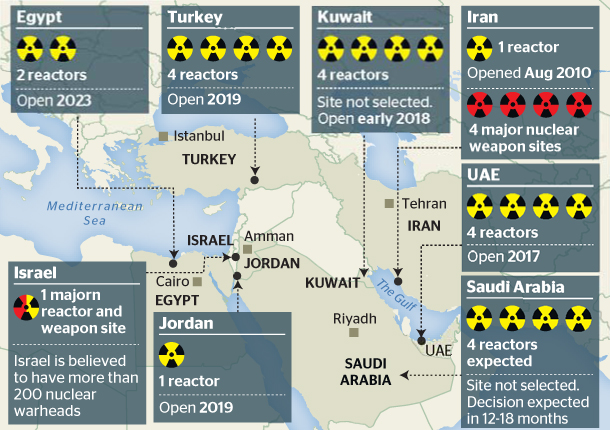
Escalating tensions across the Middle East have sharpened urgency around nuclear diplomacy. The Iran nuclear deal is increasingly linked to broader security calculations involving regional deterrence, military readiness, and alliance dynamics.
Analysts warn that without diplomatic engagement, miscalculation risks could rise sharply in an already volatile environment.
United States Signals Conditional Engagement
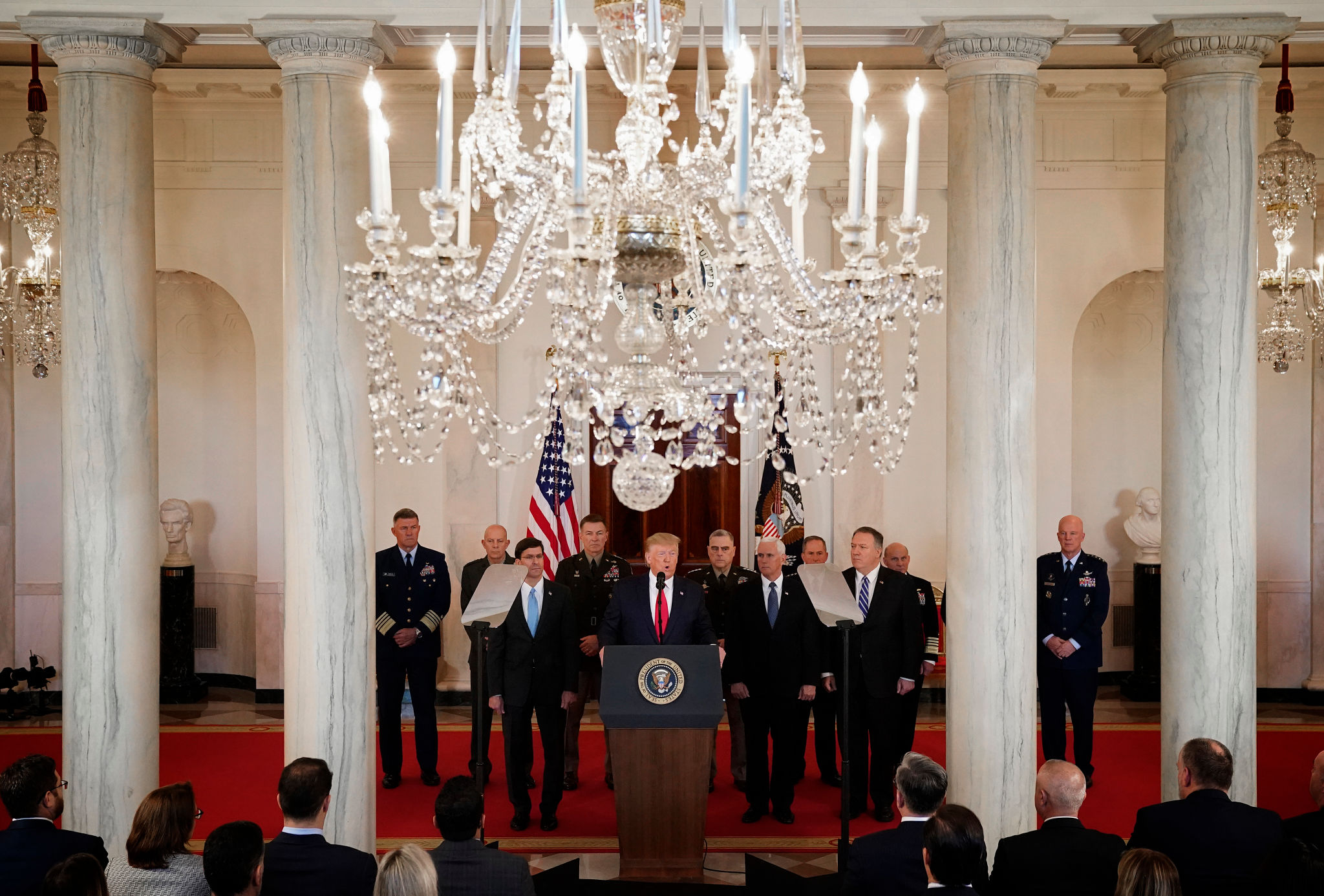
Washington has emphasized its preference for a diplomatic solution while maintaining economic and political leverage. The Iran nuclear deal remains a deeply debated issue in US foreign policy circles, shaped by domestic politics and strategic concerns.
Officials stressed that any progress must include verifiable commitments and enforceable compliance mechanisms.
European Nations Push for Stability
European governments have played a central mediating role, framing nuclear diplomacy as essential to regional and global security. The Iran nuclear deal is viewed by European leaders as a cornerstone of nonproliferation efforts.
Diplomats warned that escalation would carry economic, humanitarian, and security consequences extending beyond the region.
Economic Conditions Influence Diplomatic Calculations
Economic pressures continue to weigh heavily on decision-making. Sanctions, inflation, and trade constraints have heightened domestic stakes surrounding the Iran nuclear deal, according to economic analysts.
At the same time, global energy markets remain sensitive to developments that could affect supply expectations and price stability.
Verification Frameworks Under Intense Scrutiny
Technical discussions have focused on monitoring and verification frameworks. The Iran nuclear deal depends on robust oversight systems capable of building confidence among skeptical parties.
Experts say credibility in verification remains one of the most challenging aspects of negotiations.
Energy Markets Monitor Developments Closely
Beyond security considerations, nuclear diplomacy has economic implications. The Iran nuclear deal could influence oil market dynamics, shipping routes, and investment decisions.
Market analysts note that uncertainty alone can contribute to volatility, even absent concrete policy changes.
Domestic Political Narratives Matter
Negotiations are closely tied to domestic political messaging across capitals. The Iran nuclear deal is framed differently depending on national priorities, leadership dynamics, and public sentiment.
Balancing domestic pressures with international commitments remains a delicate task for negotiators.
A Single Expert Assessment
One senior nonproliferation specialist said
“Diplomacy at this stage is less about trust and more about preventing irreversible breakdown.”
Obstacles That Continue to Complicate Progress
Despite renewed dialogue, significant obstacles remain unresolved. Disputes over sequencing, enforcement, and long-term guarantees continue to shape negotiations linked to the Iran nuclear deal.
Observers caution that expectations should remain measured.
Strategic Patience Becomes a Guiding Principle
Diplomats involved emphasize strategic patience. The Iran nuclear deal negotiations increasingly reflect a risk-management approach rather than pursuit of rapid resolution.
This strategy mirrors broader global diplomatic trends in an era of uncertainty.
Role of International Institutions
Multilateral institutions remain central to the process, providing technical expertise and monitoring capacity. The Iran nuclear deal is closely connected to broader global nonproliferation norms.
Preserving institutional credibility is viewed as essential by participating nations.
Media Attention Intensifies Around the Talks
International media scrutiny has increased as negotiations progress. Reporting on the Iran nuclear deal is closely monitored for language and implications that could influence diplomatic momentum.
Officials have maintained deliberately cautious public messaging.
Business and Energy Sector Reactions
Industry groups have responded cautiously, emphasizing the value of predictability. Developments surrounding the Iran nuclear deal are closely watched by energy firms, insurers, and logistics operators.
Stability remains the primary concern among market participants.
Academic Perspectives on Long-Term Impact
Scholars argue that nuclear diplomacy should be viewed as a long-term process. The Iran nuclear deal reflects broader challenges in managing technological risk within fragmented geopolitical systems.
Incremental progress, they say, may be the most realistic outcome.
Risks of Diplomatic Breakdown
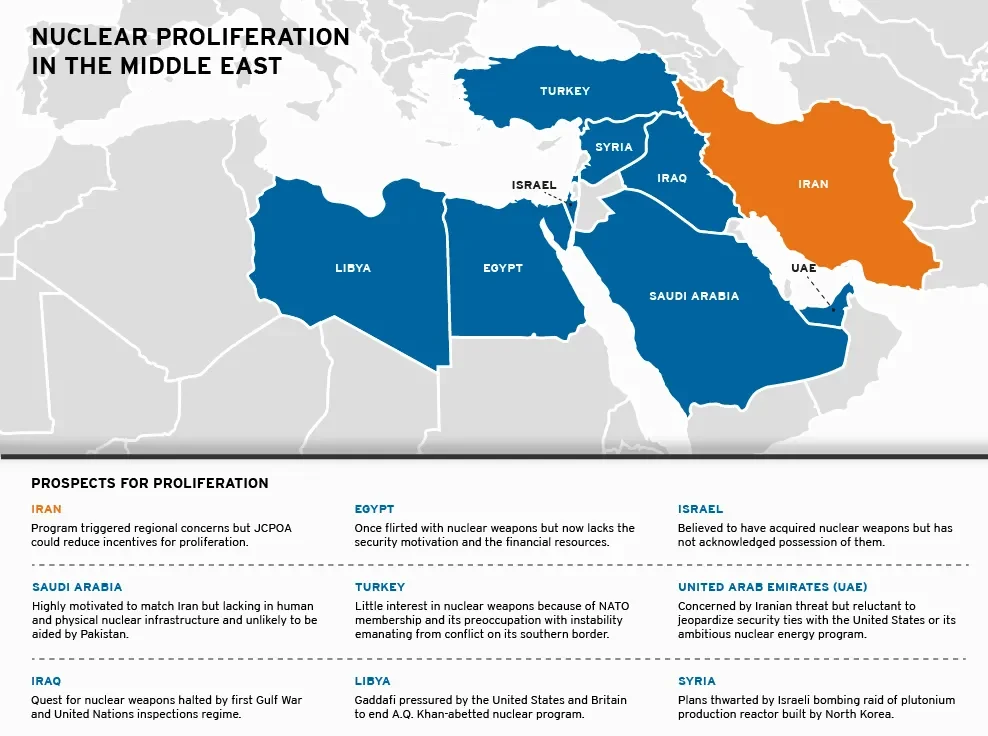
Experts warn that failure would carry substantial consequences. Collapse of talks related to the Iran nuclear deal could heighten regional arms competition and weaken global nonproliferation efforts.
This risk underpins continued engagement despite persistent disagreements.
Global Power Shifts Frame the Negotiations
The talks unfold amid broader shifts in global power distribution. Strategic competition among major powers influences how the Iran nuclear deal is approached and interpreted.
Vienna provides a controlled environment to manage these intersecting pressures.
Why Incremental Progress Still Matters
Even limited agreements can reduce risk. The Iran nuclear deal functions as a stabilizing mechanism by maintaining communication and transparency.
Diplomats stress that avoiding deterioration is itself a meaningful objective.
Long-Term Outlook Remains Uncertain
Despite renewed talks, uncertainty persists. The Iran nuclear deal faces structural political and strategic challenges unlikely to be resolved quickly.
Analysts caution against assuming linear progress.
Diplomacy as Strategic Containment
At this stage, nuclear negotiations serve less as a breakthrough mechanism and more as a form of containment. The Iran nuclear deal now represents an effort to manage instability rather than eliminate it.
In a volatile global environment, maintaining dialogue may be the most significant achievement of all.