

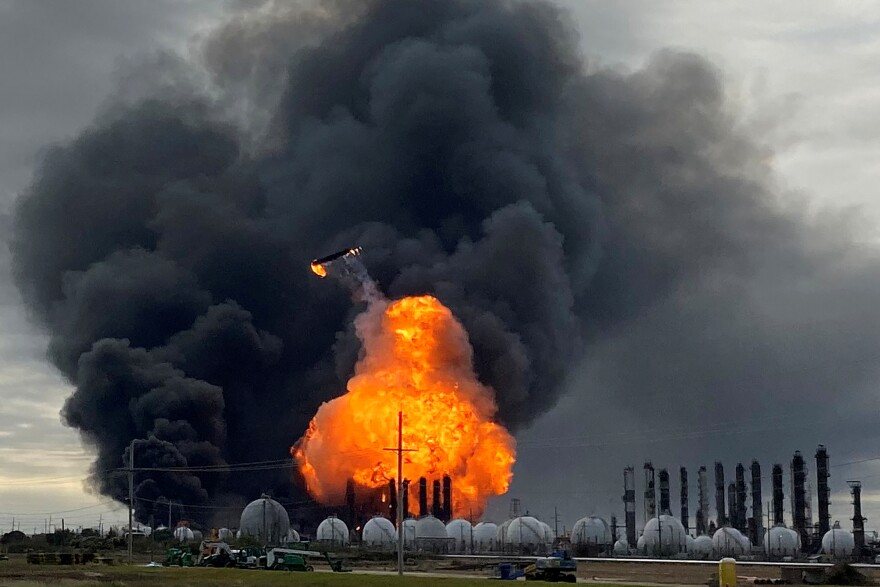
TEHRAN, Iran, March 28, 2026 (Parliament Politics Magazine) Iran nuclear facility attack has triggered a sharp warning from Tehran, with officials declaring that those responsible are “playing with fire” after reported strikes on key nuclear-related infrastructure. The incident marks a significant escalation in the ongoing regional conflict, raising concerns about retaliation and broader instability.
Iranian authorities confirmed that multiple sites tied to nuclear operations were targeted, though they emphasized that these facilities were primarily civilian in nature. The attack has drawn global attention due to the potential risks associated with targeting nuclear infrastructure.
Strikes on Nuclear Sites Confirmed
Recent developments indicate that nuclear-related facilities, including sites linked to uranium processing and heavy water production, have been struck during ongoing military operations.
The Iran nuclear facility attack is part of a broader wave of strikes targeting strategic infrastructure across the country. While officials have stated that no radiation leaks have been detected, the damage to facilities has raised alarm among international observers.
Experts note that even limited strikes on nuclear infrastructure can carry significant long-term risks.
Tehran Issues Strong Retaliation Warning
Iranian leadership responded quickly, warning that retaliation remains on the table. The phrase “playing with fire” has been widely interpreted as a direct signal that further escalation is possible.
The Iran nuclear facility attack has heightened fears of a cycle of retaliation that could draw additional actors into the conflict.
A senior official stated:
“Any aggression against our infrastructure will be met with a decisive response. This is a line that should not have been crossed.”
Civilian Infrastructure at the Center of Debate
Iran has insisted that the targeted facilities were civilian, used for energy and research purposes. This claim has intensified international debate over the legality and consequences of such strikes.
The Iran nuclear facility attack raises critical questions about the protection of civilian infrastructure during conflict, particularly when it involves nuclear operations.
Global organizations have previously warned that attacks on such facilities could result in environmental and humanitarian consequences.
Escalation in a Wider Regional Conflict
The Iran nuclear facility attack comes as part of a rapidly expanding conflict involving multiple regions and actors. Military operations have intensified across several fronts, with missile exchanges and airstrikes becoming increasingly frequent.
Reports indicate that the conflict has already resulted in widespread casualties and infrastructure damage across the region.
Analysts warn that the latest developments could push the situation toward a broader and more dangerous phase.
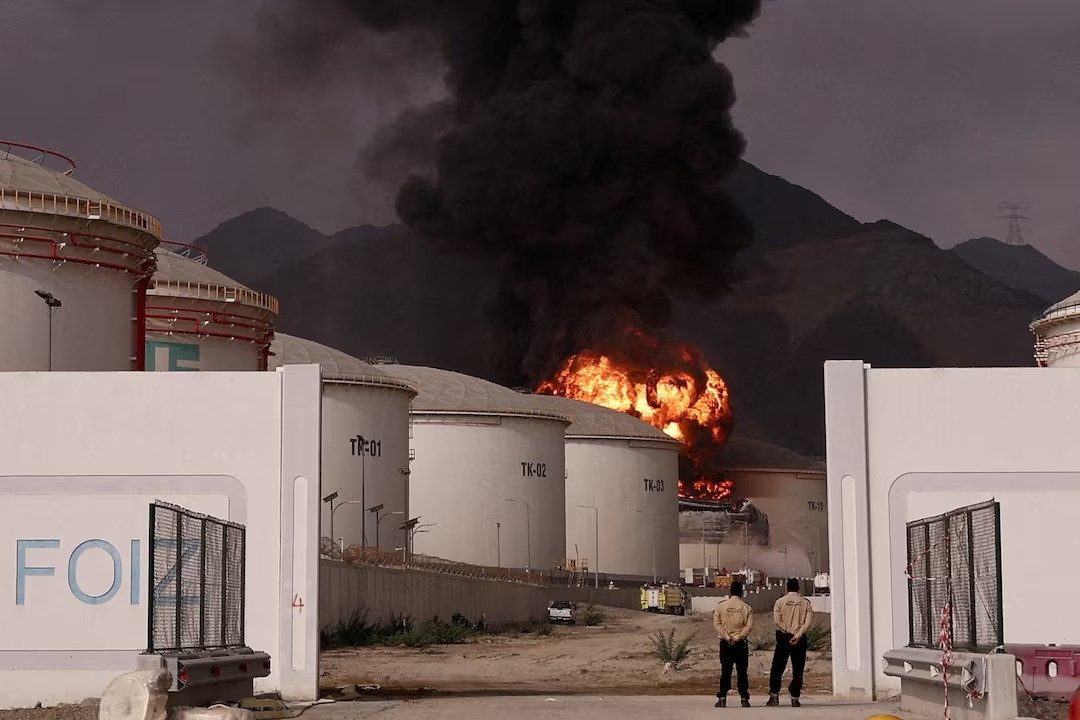
Global Reaction and Calls for Restraint
International leaders have expressed concern following the Iran nuclear facility attack, urging all parties to avoid further escalation. Diplomatic efforts are underway to prevent the situation from deteriorating further.
Russia and other global powers have warned that strikes near nuclear facilities could have “irreparable consequences,” emphasizing the need for caution.
Despite these calls, tensions remain high, and the risk of additional military action persists.
Energy Markets React to Rising Risk
The Iran nuclear facility attack has had immediate effects on global energy markets. Oil prices have shown increased volatility as concerns grow over potential disruptions in supply.
Strikes on infrastructure and threats to key shipping routes have amplified fears of a wider energy crisis, with ripple effects across global economies.
Analysts note that even limited disruptions in the region can have significant global consequences.
Safety Concerns Around Nuclear Facilities
The targeting of nuclear infrastructure has raised serious safety concerns. While authorities have reported no radiation leaks, the Iran nuclear facility attack underscores the potential dangers associated with such operations.
Experts emphasize that nuclear sites require strict protection due to the risks of contamination and long-term environmental impact.
Monitoring efforts are ongoing to ensure that safety standards are maintained.
Retaliation Risks Continue to Grow
One of the most pressing concerns following the Iran nuclear facility attack is the possibility of retaliation. Iran has made it clear that it reserves the right to respond, increasing the likelihood of further escalation.
This dynamic raises fears of a prolonged conflict, with each action potentially triggering additional responses.
A regional analyst observed:
“We are entering a phase where escalation can happen rapidly, and the consequences could extend far beyond the region.”
Diplomatic Efforts Under Pressure
The Iran nuclear facility attack has complicated ongoing diplomatic efforts aimed at reducing tensions. Indirect negotiations and backchannel communications may now face additional challenges.
Trust between parties has been further strained, making progress more difficult.
Diplomats are working to balance immediate security concerns with long-term stability goals.
What Happens Next?
As investigations continue, the full impact of the Iran nuclear facility attack is still being assessed. Authorities are expected to release additional information in the coming days.
The next steps taken by involved parties will be critical in determining whether the situation stabilizes or escalates further.
Observers remain focused on potential retaliatory actions and diplomatic developments.
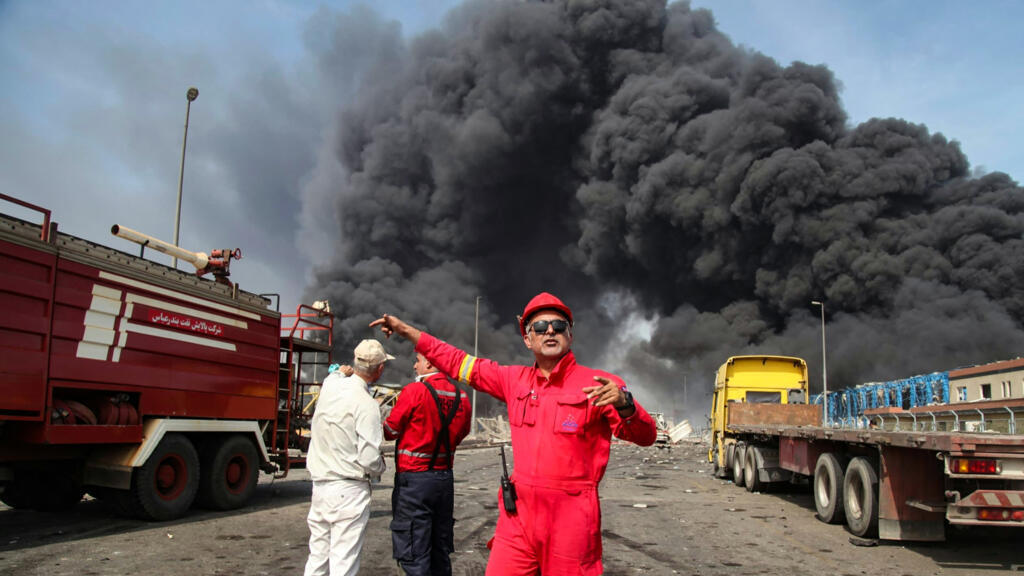
A Critical Turning Point
The Iran nuclear facility attack represents a major escalation with significant global implications. Iran’s warning of retaliation highlights the seriousness of the situation, while international calls for restraint underscore the risks involved.
With tensions already high, the incident may mark a turning point in the broader conflict, shaping the trajectory of regional and global security in the weeks ahead.
