

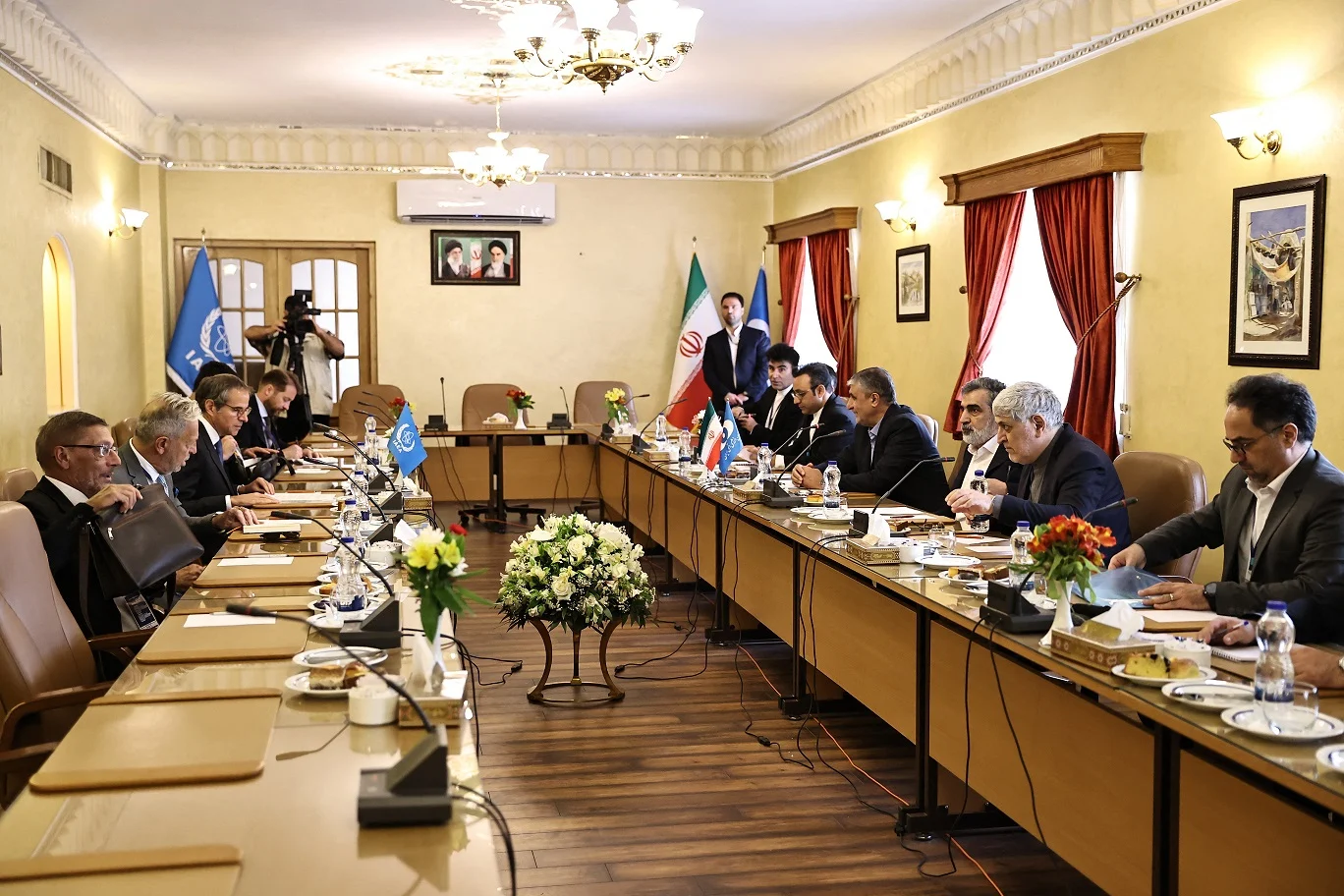
Washington, March 25, 2026 (Parliament Politics Magazine), Iran nuclear negotiations dominate global focusIran nuclear negotiations are once again at the center of global attention following the resignation of a top U.S. counterterrorism official, a move that signals growing internal concern over the direction of the conflict with Iran. As tensions rise between Washington, Tehran, and regional allies, the diplomatic landscape appears increasingly fragile.
The resignation comes at a time when indirect talks, mediated by countries such as Pakistan and Turkey, are reportedly ongoing, though Iran continues to deny direct engagement with the United States.
A High-Level Resignation Raises Strategic Concerns
The sudden departure of a senior counterterrorism official has intensified scrutiny over U.S. policy. According to insiders, the resignation reflects disagreement over escalating military actions and their impact on Iran nuclear negotiations.
One geopolitical analyst stated:
“When key security officials step down during active conflict, it often indicates deep concern about strategy—and in this case, the future of Iran nuclear negotiations.”
This internal divide could weaken Washington’s ability to present a unified diplomatic stance at a critical moment.
War Overshadows Diplomacy Efforts
Before the outbreak of hostilities, Iran nuclear negotiations had shown signs of progress. Talks in early 2026 suggested a potential breakthrough, with discussions around uranium limits and international oversight.
However, the launch of military operations disrupted momentum, pushing both sides into a more hardened position. Since then:
- The U.S. has pushed for strict limits on Iran’s nuclear program
- Iran has demanded sanctions relief and security guarantees
- Both sides remain far apart on enforcement mechanisms
The shift from diplomacy to conflict has complicated any path forward.
Iran’s Position Appears to Strengthen
Recent developments suggest Iran may have improved its negotiating leverage. Reports indicate Tehran has toughened its stance, demanding concessions such as compensation for damages and guarantees against future attacks.
At the same time, Iran has maintained key strategic advantages:
- Control over critical regional routes like the Strait of Hormuz
- Influence through regional alliances
- Continued resilience despite economic sanctions
These factors are shaping the direction of Iran nuclear negotiations and raising questions about who holds the upper hand.
U.S. Pushes New Framework for Talks
The United States has introduced a new multi-point proposal aimed at ending the conflict and reviving Iran nuclear negotiations. The plan includes:
- Restrictions on uranium enrichment
- Limits on ballistic missile programs
- Reopening key shipping routes
- Sanctions relief in exchange for compliance
Despite these efforts, Iran has rejected key elements, calling some demands unrealistic while insisting on broader concessions.
Conflicting Narratives Complicate Progress
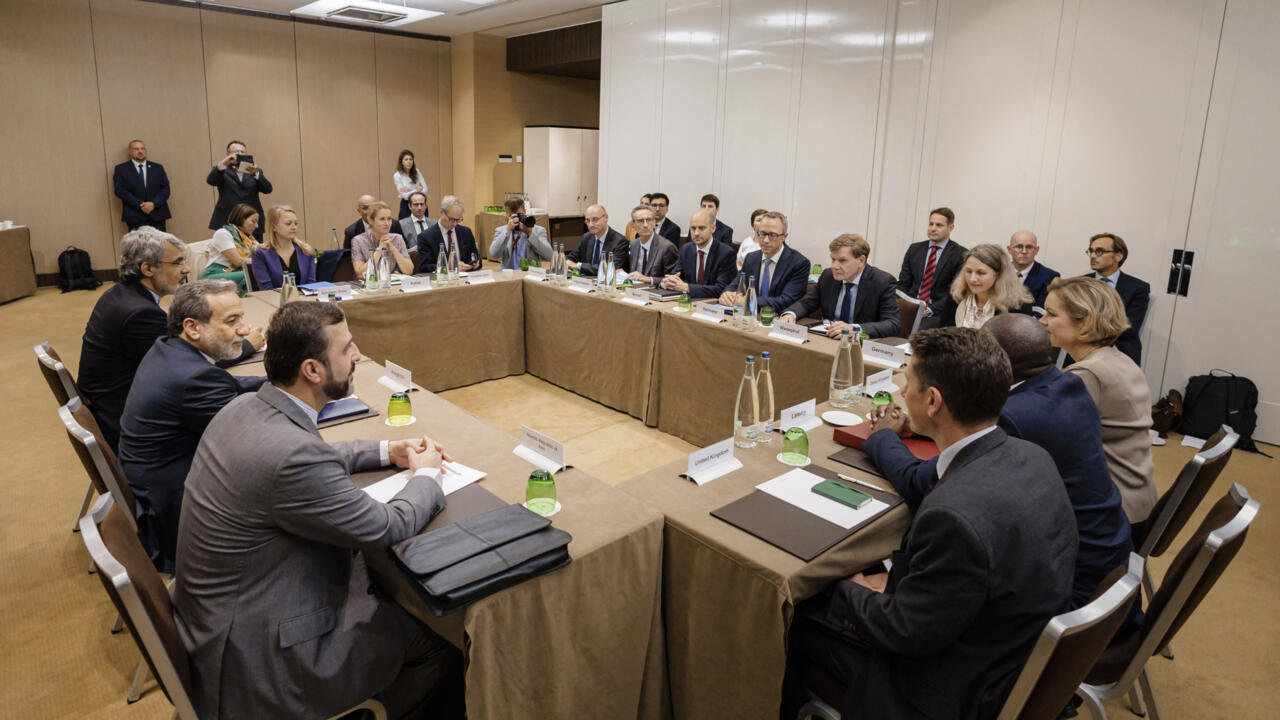
A major challenge in Iran nuclear negotiations is the disconnect between public statements from both sides.
- U.S. officials claim “productive discussions” are underway
- Iranian leaders deny direct talks entirely
- Mediators confirm only indirect communication
This lack of clarity has created uncertainty in global markets and among diplomatic observers.
Regional and Global Implications
The outcome of Iran nuclear negotiations carries significant global consequences. The Middle East remains a critical hub for energy supply, and instability has already impacted oil markets and international trade.
Additionally:
- European allies are divided on military versus diplomatic approaches
- Gulf nations are balancing security concerns with economic interests
- Global powers are urging restraint to avoid broader escalation
These dynamics make negotiations even more complex.
Economic Pressure and Political Reality
While Iran has adapted to sanctions, economic pressures still play a role in shaping its strategy. However, analysts note that prolonged conflict may also strain U.S. resources and public support.
This balance of pressure creates a delicate environment where both sides must weigh:
- Military objectives
- Economic stability
- Political consequences
The result is a negotiation process that is as much about perception as it is about policy.
Iran’s Strategic Calculations
Iran’s approach to the conflict appears calculated to strengthen its position in Iran nuclear negotiations. By maintaining pressure without triggering full-scale war, Tehran has positioned itself as both resilient and essential to any diplomatic resolution.
Its strategy includes:
- Leveraging regional influence
- Controlling escalation levels
- Demanding broader concessions beyond nuclear issues
This has shifted the conversation from limiting Iran’s program to redefining the entire negotiation framework.
What Happens Next in Iran Nuclear Negotiations?
The future of Iran nuclear negotiations remains uncertain. While diplomatic channels are still open, the gap between both sides continues to widen.
Key questions moving forward include:
- Can mediators bridge the growing divide?
- Will military escalation continue to overshadow diplomacy?
- Is a comprehensive agreement still possible in 2026?
With both sides asserting strength, the path to resolution appears increasingly complex.
A Critical Turning Point
Iran nuclear negotiations are entering a decisive phase as conflict and diplomacy collide. The resignation of a top U.S. official highlights internal tensions, while Iran’s evolving strategy suggests growing confidence on the global stage.
As indirect talks continue and military pressure persists, the balance of power in negotiations may be shifting. Whether this leads to a breakthrough or prolonged conflict will define the next chapter in U.S.-Iran relations.
