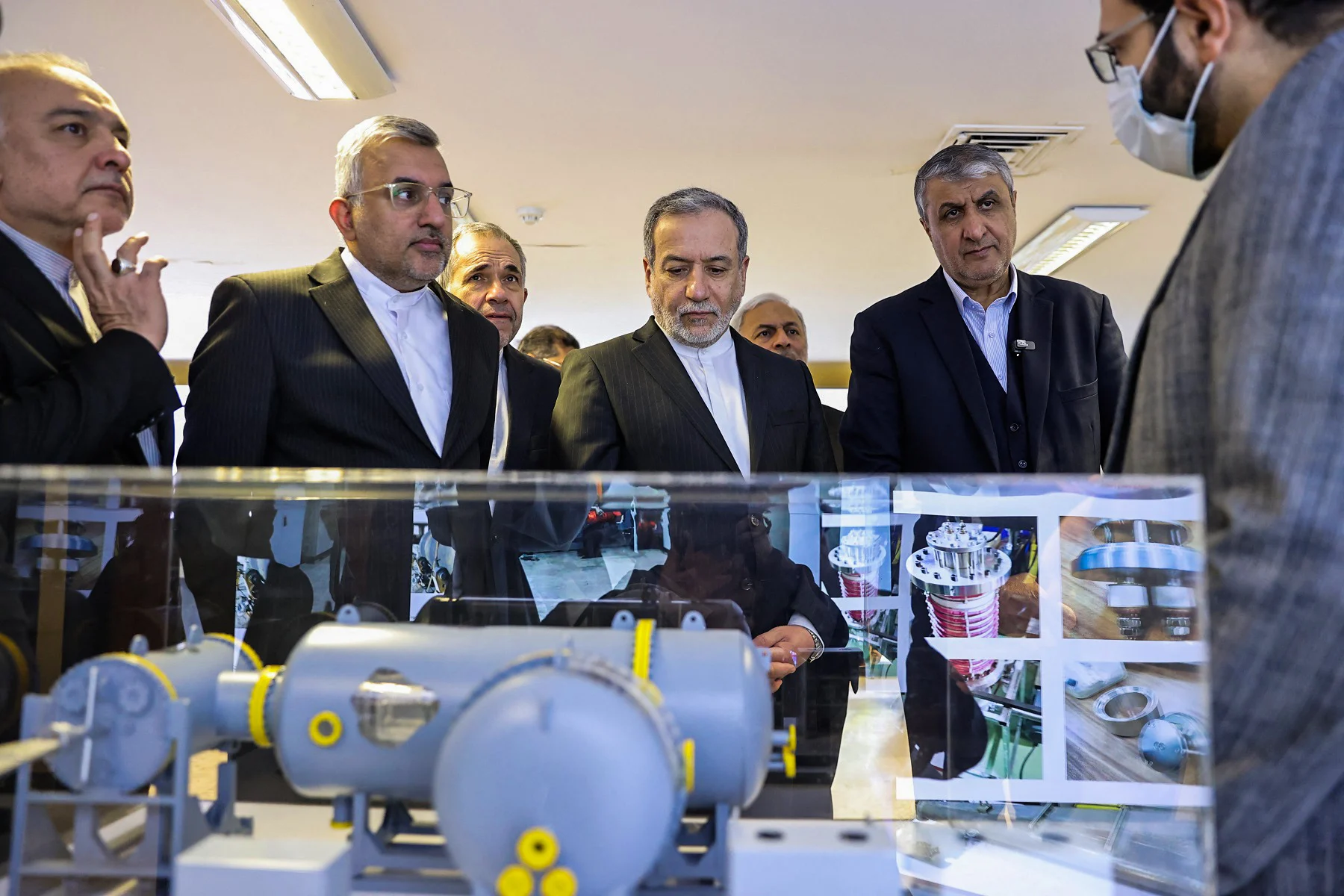
WASHINGTON, United States — March 8, 2026 — Parliament News — The Iran nuclear weapons debate has once again become a central issue in global diplomacy as experts warn that long running negotiations with Tehran may be losing effectiveness. Former diplomats and security analysts say the current situation could represent a turning point in international efforts to prevent nuclear proliferation in the Middle East.
Governments across Europe, the United States, and the Gulf region are closely monitoring Iran’s nuclear activities. The renewed attention surrounding the Iran nuclear weapons debate reflects broader concerns about how expanding nuclear capabilities could affect global security and regional power dynamics.
Officials say the situation remains complex because diplomatic agreements, sanctions, and international monitoring have all attempted to limit nuclear development over the past two decades. Yet political tensions and strategic competition in the region continue to complicate negotiations.
Diplomacy Under Increasing Pressure
Diplomatic engagement has long been the primary approach used to address the Iran nuclear weapons debate. International agreements aimed to restrict uranium enrichment and introduce inspection programs designed to ensure nuclear activities remained peaceful.
However, the effectiveness of these agreements has been widely debated. Some policymakers believe diplomacy still offers the best path forward, while others argue stronger international pressure may be required.
As discussions continue, the Iran nuclear weapons debate remains one of the most challenging issues facing global policymakers. The outcome of future negotiations could influence not only regional stability but also international security frameworks designed to prevent nuclear weapons from spreading.
Strategic Implications for the Middle East
The Iran nuclear weapons debate has significant implications for the balance of power in the Middle East. Several regional governments worry that nuclear development could shift military dynamics and influence security alliances.
Defense analysts say the Iran nuclear weapons debate may also impact how countries in the region approach defense planning and diplomatic cooperation. The possibility of nuclear capabilities can influence strategic calculations, making the issue far more than a diplomatic dispute.
At the same time, many experts emphasize that preventing escalation remains a priority for global leaders seeking to maintain stability across the Gulf region.
Historical Comparison of Nuclear Disputes
The Iran nuclear weapons debate is not the first time the international community has confronted complex nuclear disputes. Throughout the Cold War, nuclear tensions between major powers created moments of extreme global concern.
One of the most well known examples is the Cuban Missile Crisis of 1962, when nuclear confrontation between the United States and the Soviet Union brought the world close to catastrophic conflict. Diplomatic negotiations eventually resolved the crisis and helped establish new frameworks for nuclear arms control.
Many analysts view the Iran nuclear weapons debate through a similar lens, emphasizing the importance of diplomatic communication and international oversight in preventing misunderstandings or escalation.
Expert Warning on Diplomatic Limits
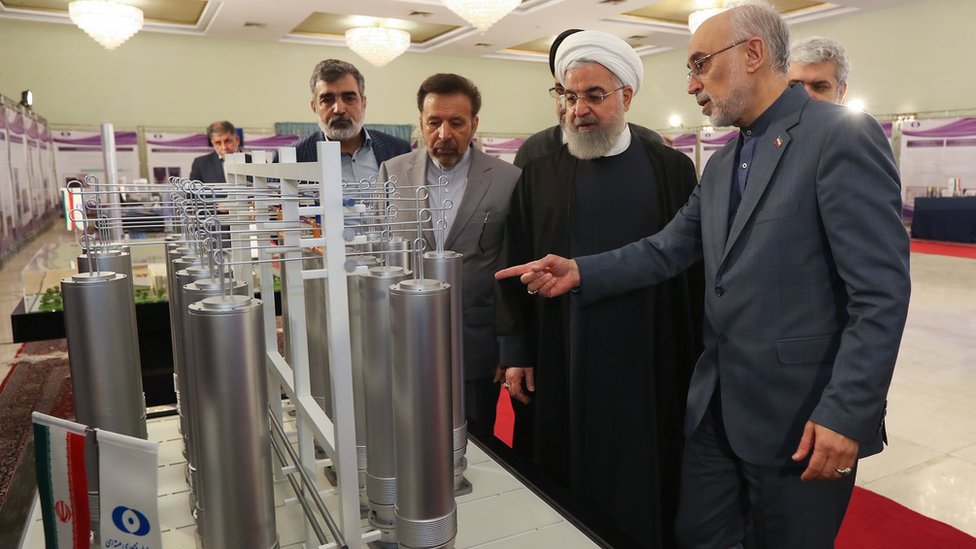
Some former diplomats have recently suggested that the Iran nuclear weapons debate may be reaching a stage where traditional negotiations alone cannot guarantee a solution.
One former United States diplomat summarized the challenge facing policymakers:
“Diplomacy remains essential, but without strong international unity, negotiations may struggle to change the strategic direction of Iran’s nuclear program.”
The statement highlights growing concerns among policymakers that the Iran nuclear weapons debate may require new diplomatic strategies and broader international cooperation.
Global Security at a Critical Moment
The Iran nuclear weapons debate continues to evolve as governments weigh diplomatic options and security concerns. International organizations remain involved in monitoring nuclear facilities and encouraging dialogue aimed at reducing tensions.
Experts believe the coming years will be crucial in determining how the Iran nuclear weapons debate shapes regional stability and international nuclear policy.
While opinions differ on the best approach, many leaders agree that cooperation and diplomacy remain essential tools in addressing one of the most complex geopolitical challenges of the modern era.