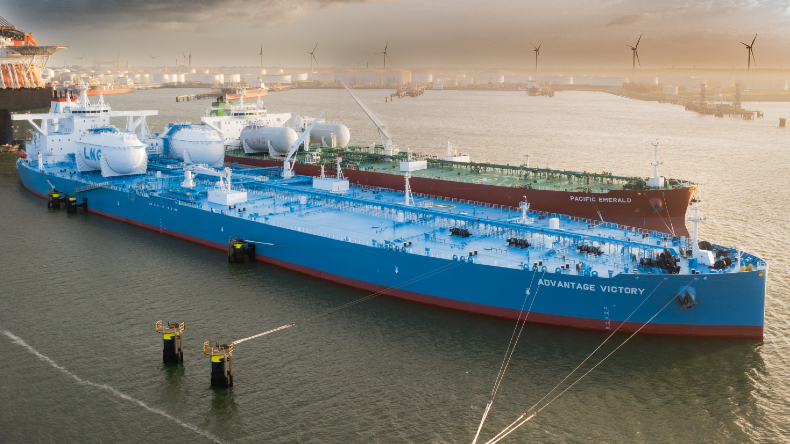
Tehran, March 28, 2026 (Parliament Politics Magazine) Iran oil shipping policy is drawing global attention after reports confirmed that select vessels, including Thai oil tankers, have been granted safe passage through the Strait of Hormuz following diplomatic coordination.
The development comes amid a broader maritime crisis in the region, where Iran has tightened control over one of the world’s most critical energy corridors. While the Strait remains restricted for many nations, Iran has clarified that “non-hostile” vessels may be allowed transit under strict conditions.
Selective Access Reflects Strategic Iran Oil Shipping Policy
The evolving Iran oil shipping policy appears to be highly selective, allowing passage for certain countries while blocking others linked to geopolitical adversaries.
Recent confirmations indicate that Thai oil tankers successfully transited the Strait after direct diplomatic talks between Bangkok and Tehran, easing immediate concerns over fuel supply disruptions.
A senior regional analyst noted:
“This is not a reopening of the Strait—it is a controlled system. Iran oil shipping policy is now based on political alignment and negotiation.”
This selective framework highlights how maritime access is being used as a strategic tool rather than a neutral global trade mechanism.
Strait of Hormuz: A Global Energy Lifeline Under Pressure
The Strait of Hormuz remains a vital artery for global energy markets, with roughly 20% of the world’s oil passing through the narrow waterway.
Under the current Iran oil shipping policy, transit is no longer guaranteed, forcing shipping companies and governments to reassess risks.
Key realities shaping the situation:
- Hundreds of vessels are reportedly waiting for clearance to transit
- Insurance costs for shipping have surged dramatically
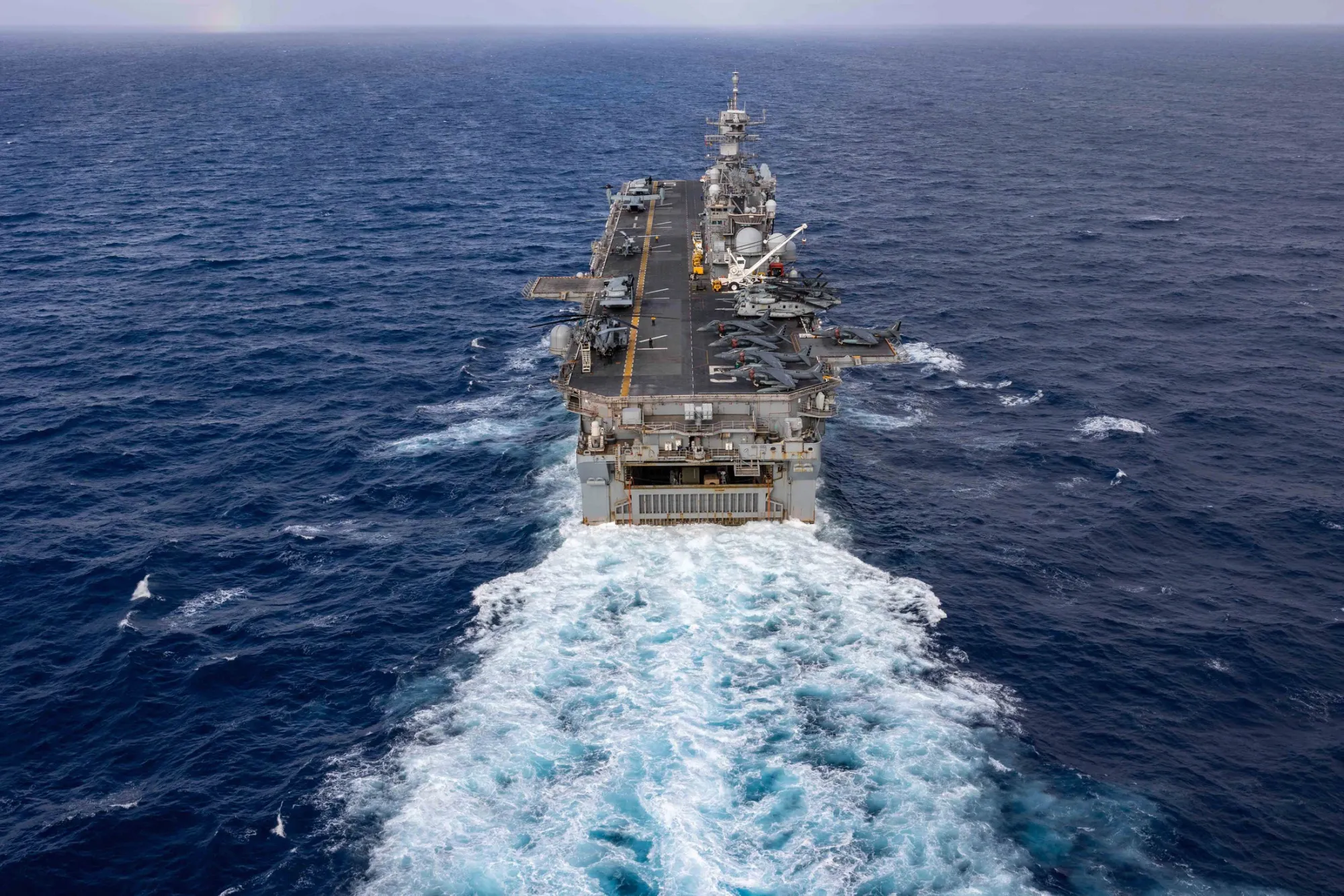
- Naval presence in the region has intensified
More than 350 ships have been held awaiting authorization, underscoring the scale of disruption affecting global trade flows.
Thai Oil Vessels Gain Strategic Advantage
Thailand’s ability to secure passage under the Iran oil shipping policy signals a significant diplomatic breakthrough.
The agreement provides Thailand with:
- Continued access to vital oil imports
- Reduced exposure to global energy shortages
- Strengthened diplomatic ties with Iran
Thailand’s neutral stance in the broader conflict appears to have played a key role in securing favorable treatment.
Maritime Control and “Toll Booth” System Emerging
Iran’s control over the Strait is becoming increasingly structured. Reports suggest the implementation of a de facto “toll booth” system, where vessels must seek approval and sometimes meet specific conditions before transit.
This evolving Iran oil shipping policy includes:
- Mandatory coordination with Iranian authorities
- Possible transit fees or documentation requirements
- Routing through controlled maritime lanes
Security forces, particularly the Islamic Revolutionary Guard Corps (IRGC), are actively overseeing vessel movement, ensuring compliance with the new system.
Global Shipping Faces Uncertainty Despite Limited Access
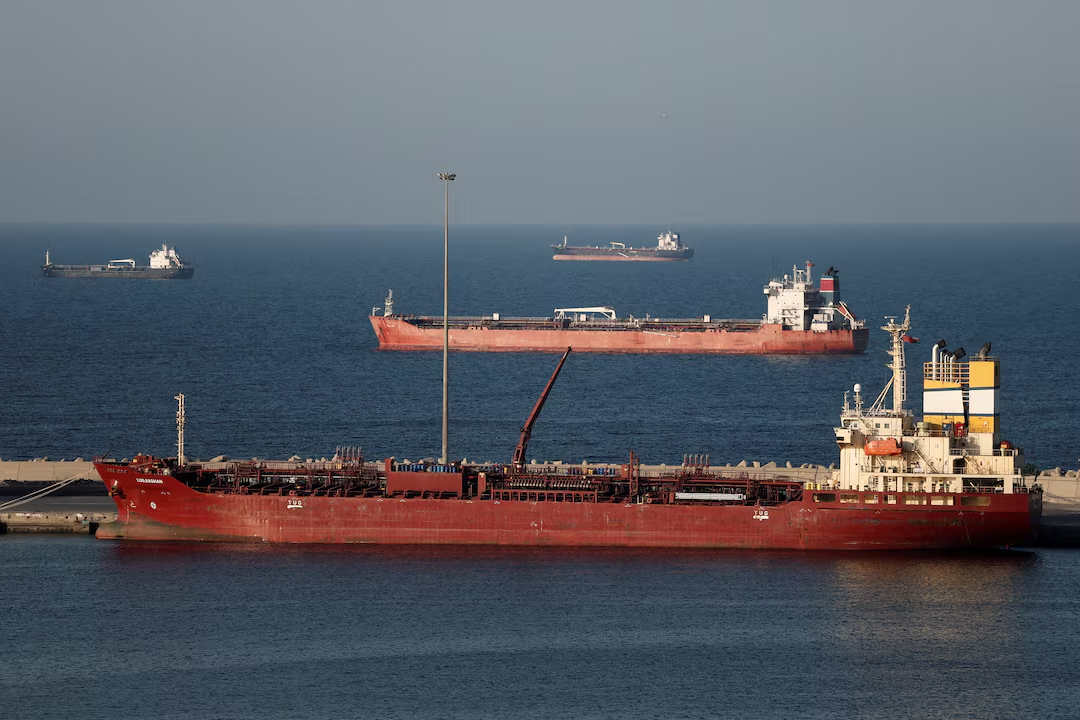
Despite allowing select vessels, the overall environment remains unstable. Even ships from countries considered “friendly” have faced delays or unexpected reversals.
Recent developments highlight the volatility:
- Some vessels aborted transit despite receiving assurances
- Iran has blocked ships tied to U.S. and allied interests
- Maritime traffic has dropped dramatically due to security risks
- A controlled passage system is being formalized
These conditions reinforce that Iran oil shipping policy is not stabilizing the region entirely but reshaping access under tight control.
Economic Impact on Global Energy Markets
The selective opening under the Iran oil shipping policy has triggered mixed reactions in global markets.
Short-term effects include:
- Temporary relief for countries granted passage
- Continued volatility in oil prices
- Increased costs for shipping and insurance
Long-term concerns remain centered on whether this policy will lead to sustained supply disruptions or evolve into a more predictable system.
Diplomatic Signals and Regional Power Dynamics
The current Iran oil shipping policy is also being interpreted as a diplomatic signal.
By granting access to certain nations, Iran may be:
- Strengthening alliances with neutral or non-Western countries
- Applying pressure on adversaries through restricted access
- Demonstrating control over a key global trade route
This approach positions Iran as a gatekeeper of one of the world’s most critical maritime corridors.
Historical Context: From Open Passage to Controlled Access
Historically, the Strait of Hormuz has been governed by international maritime laws ensuring “innocent passage.” However, recent conflicts have shifted this dynamic.
Since early 2026, Iran has:
- Declared control over the Strait
- Restricted access to “friendly” nations only
- Warned of potential attacks on unauthorized vessels
The transition to a controlled system reflects a major shift in global shipping norms.
What This Means for the Future of Global Trade
If sustained, the Iran oil shipping policy could redefine global shipping patterns.
Potential long-term outcomes:
- Increased reliance on alternative routes
- Strategic alliances shaping energy trade
- Greater geopolitical influence over maritime chokepoints
However, analysts warn that the situation remains fluid, with risks of escalation still high.
Controlled Access, Not Full Reopening
The emergence of Iran oil shipping policy allowing Thai oil vessels through the Strait of Hormuz represents a limited but significant development in a highly volatile region.
Key Takeaways:
- Iran is allowing selective passage based on political alignment
- Thailand benefits from secured oil transit routes
- Global markets remain unstable despite limited access
- The Strait of Hormuz is transitioning into a controlled maritime system
While the move offers short-term relief for some nations, it does not signal a full reopening of the Strait, leaving global stakeholders cautious about what comes next.