

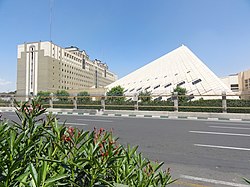
Tehran, Iran, January 2026 —parliament news, highlights that attention across the Middle East and beyond has focused sharply on the evolving Iran political climate as the country navigates a period of visible calm accompanied by persistent uncertainty. In the capital, daily life has returned to a measured rhythm, yet political institutions remain alert to economic pressures, regional dynamics, and public expectations that continue to shape national decision making.
Officials describe the current phase as controlled but delicate. While large-scale unrest has subsided, the underlying factors that previously fueled tension have not disappeared. This balance between stability and vigilance defines the present moment.
Tehran as the Nerve Center of Governance
As Iran’s political and administrative heart, Tehran hosts the institutions responsible for managing internal stability and external engagement. Government ministries, parliamentary bodies, and security institutions operate within a coordinated framework designed to maintain continuity during periods of stress.
This institutional coordination has been instrumental in shaping the Iran political climate, allowing the state to respond quickly to developments while preserving procedural order. Observers note that visible calm in Tehran often signals broader national stabilization efforts.
Parliament’s Role in Political Direction
The Islamic Consultative Assembly plays a pivotal role in shaping political discourse. Parliamentary sessions in recent months have focused on economic policy, public welfare, and national cohesion. Lawmakers emphasize accountability and legal process as essential tools for maintaining legitimacy.
Debate within the legislature reflects awareness that the Iran political climate depends not only on enforcement and messaging but also on responsiveness to citizen concerns expressed through formal political channels.
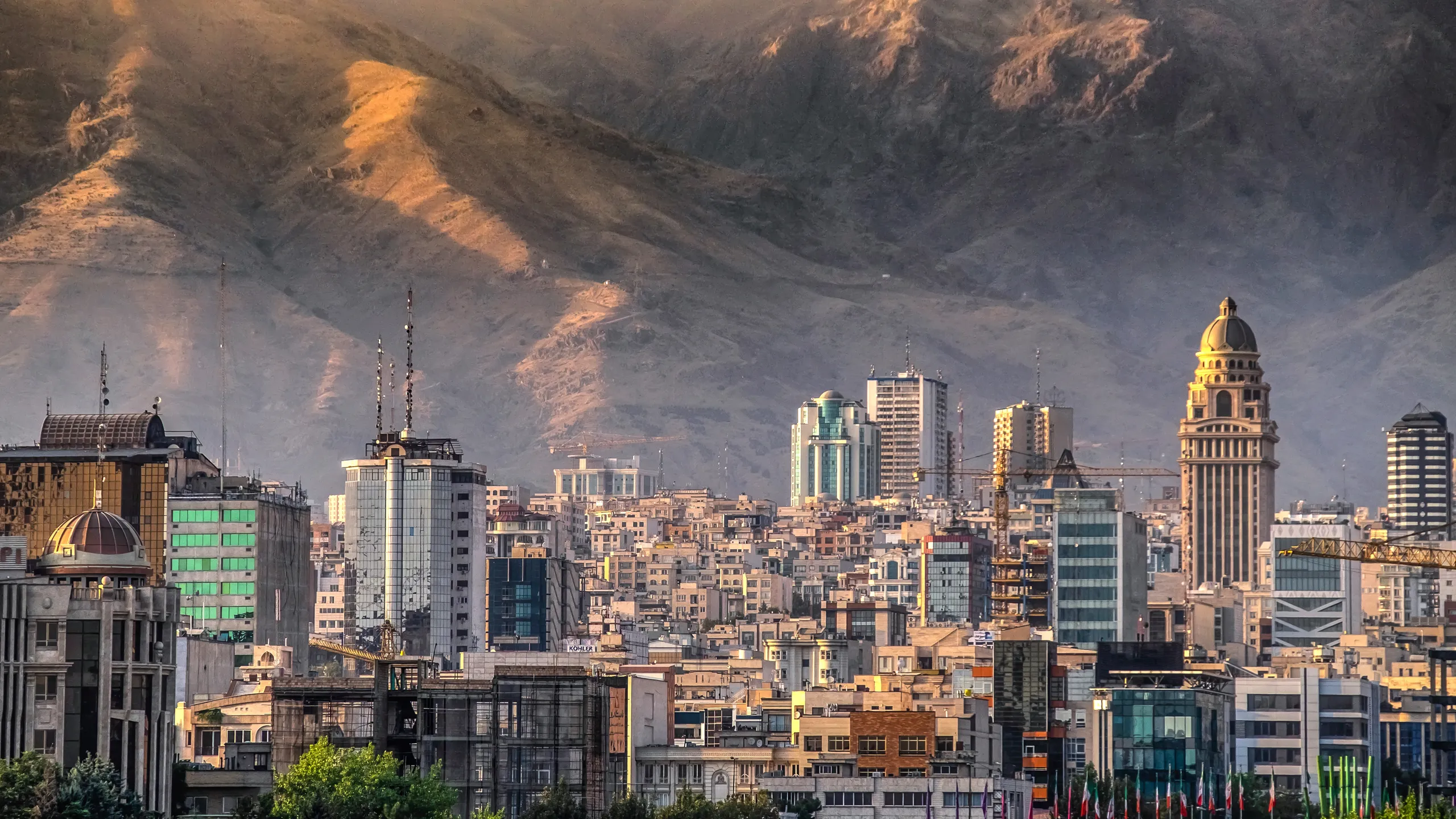
Public Life Returns to Routine
In major urban centers, markets are open, transportation systems are functioning normally, and public services continue without interruption. For many citizens, the return of routine has provided a sense of relief after weeks of heightened tension.
Yet beneath this surface normalcy, conversations reveal lingering anxiety. Residents acknowledge improvement while expressing uncertainty about long-term prospects, reinforcing the fragile balance shaping the Iran political climate.
Economic Pressures and Political Sensitivity
Economic conditions remain a central factor influencing public mood. Inflation, currency volatility, and employment concerns persist despite efforts at stabilization. Policymakers recognize that economic hardship can quickly translate into political dissatisfaction if expectations are unmet.
Analysts stress that sustainable calm requires tangible economic progress. Without it, the Iran political climate may face renewed strain even in the absence of immediate security challenges.
Government Communication Strategy
Official messaging has focused on reassurance, legality, and continuity. Press briefings emphasize that institutions are functioning effectively and that governance remains firmly in place.
This communication strategy aims to project confidence and reduce speculation. However, analysts note that messaging alone cannot define the Iran political climate without policy outcomes that address structural concerns.
Regional Developments and Internal Calculations
Iran’s internal atmosphere is closely linked to regional dynamics. Conflicts, diplomatic shifts, and security developments across the Middle East influence decision making in Tehran. Policymakers closely monitor external signals that could affect domestic stability.
This interconnectedness means the Iran political climate is shaped not only by internal governance but also by events beyond national borders.
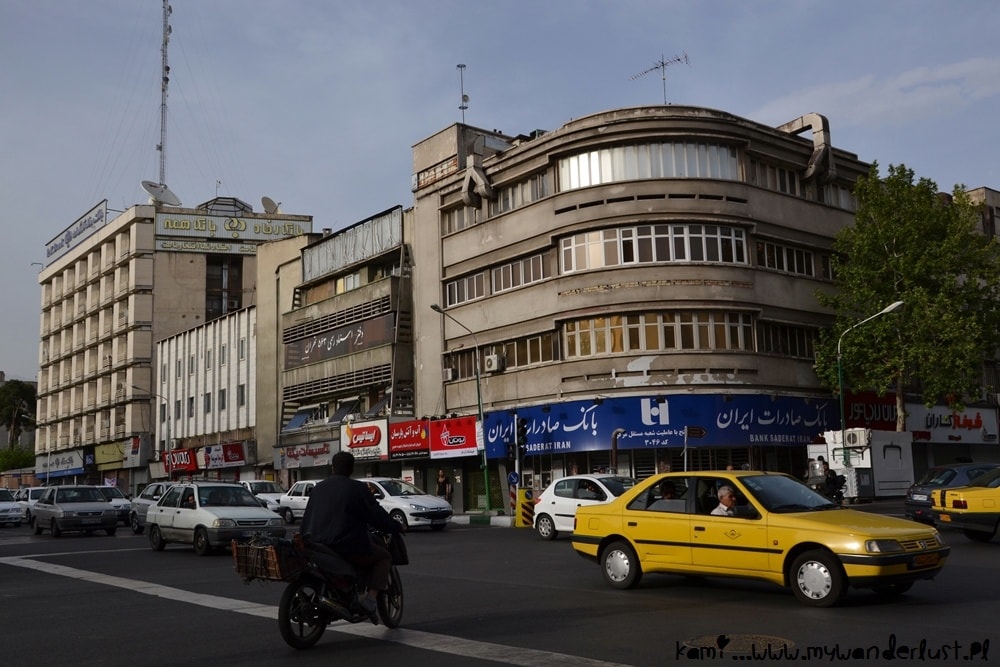
Security Institutions and Preventive Approach
Security forces maintain a visible but restrained presence. Officials describe the approach as preventive rather than reactive, aimed at discouraging unrest without provoking confrontation.
This strategy has contributed to the current calm and reflects lessons learned from previous periods of tension, reinforcing stability within the Iran political climate.
Media Narratives and Information Management
State media coverage emphasizes order, continuity, and institutional strength. International media, by contrast, often highlight uncertainty and risk. These contrasting narratives influence both domestic perception and external interpretation.
Managing information flow has become an integral part of navigating the Iran political climate, particularly in an era of rapid digital communication.
Diplomatic Signals and Domestic Impact
International diplomacy plays a subtle but important role in shaping internal politics. Statements from foreign governments, negotiations, and sanctions policy all influence expectations within Iran.
Observers note that shifts in diplomatic tone can directly affect the Iran political climate, making foreign engagement a key variable in domestic stability.
Legal Frameworks and Governance Continuity
Iran’s political system emphasizes adherence to constitutional and legal procedures. Officials repeatedly stress that governance decisions follow established frameworks, even during periods of pressure.
A senior political figure stated,
“Durable stability depends on institutions that act within law while remaining responsive to society.”
This single remark encapsulates the institutional philosophy underpinning the Iran political climate.
Youth Expectations and Political Discourse
Iran’s young population continues to influence political discussion. Expectations regarding employment, social participation, and opportunity shape how younger citizens engage with governance.
Their perspectives add complexity to the Iran political climate, requiring policymakers to balance tradition with evolving social realities.
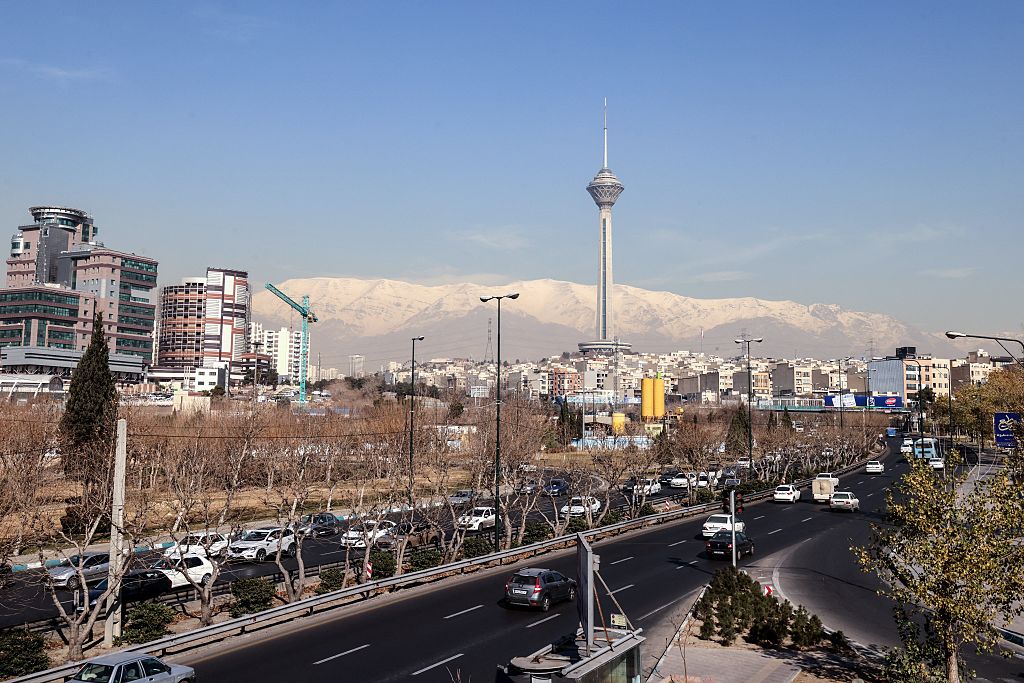
Economic Policy as Political Stabilizer
Efforts to stabilize the economy are closely tied to political confidence. Measures targeting inflation control, trade diversification, and domestic production are presented as steps toward long-term resilience.
Officials argue that economic recovery is essential to sustaining calm within the Iran political climate, particularly among urban populations most affected by financial pressures.
International Observation and Analysis
Global analysts closely monitor developments in Tehran, assessing indicators such as public behavior, legislative activity, and economic data. These assessments influence diplomatic engagement and investor sentiment.
Such scrutiny reinforces awareness that the Iran political climate carries implications beyond national borders.
Challenges Beneath the Surface
Despite visible calm, challenges remain unresolved. Structural economic reform, regional uncertainty, and public expectations continue to test governance capacity.
Policymakers acknowledge that managing the Iran political climate requires sustained effort rather than short-term measures.
Institutional Resilience and Experience
Iran’s political institutions draw on decades of experience navigating pressure. This institutional memory shapes responses to current challenges, emphasizing gradual adjustment over abrupt change.
This approach has contributed to continuity within the Iran political climate, even during periods of heightened scrutiny.
Social Cohesion and Political Stability
Social cohesion remains a critical factor. Community networks, cultural norms, and informal support systems help absorb shocks and reduce volatility.
These social dynamics play a subtle but meaningful role in stabilizing the Iran political climate.
Technology, Communication, and Governance
Digital communication platforms have transformed how information spreads and how citizens engage with politics. Authorities recognize both the opportunities and risks associated with rapid information flow.
Managing this environment has become part of maintaining balance within the Iran political climate.
Policy Coordination Across Institutions
Coordination among executive, legislative, and judicial bodies remains central to governance. Officials stress that unified action reduces uncertainty and strengthens legitimacy.
This coordination reinforces confidence in the Iran political climate, particularly during sensitive periods.
Regional Diplomacy and De-Escalation Efforts
Iran continues to participate in regional dialogue initiatives aimed at reducing tension. These efforts are framed as contributing to both regional stability and domestic calm.
Successful diplomacy can ease pressure on the Iran political climate by reducing external risk factors.
Long-Term Outlook
Looking ahead, Iran’s leadership emphasizes cautious reform, economic resilience, and institutional continuity. Abrupt shifts are viewed as risky, while gradual adjustment is favored.
This outlook suggests the Iran political climate will continue to evolve through managed processes rather than sudden transformation.
A Delicate Equilibrium
As 2026 progresses, the Iran political climate reflects a delicate equilibrium shaped by institutional coordination, public sentiment, and regional dynamics. Visible calm offers space for policy action, but underlying challenges remain.
Sustaining stability will depend on economic progress, diplomatic management, and the ability of institutions to respond effectively to societal expectations.