

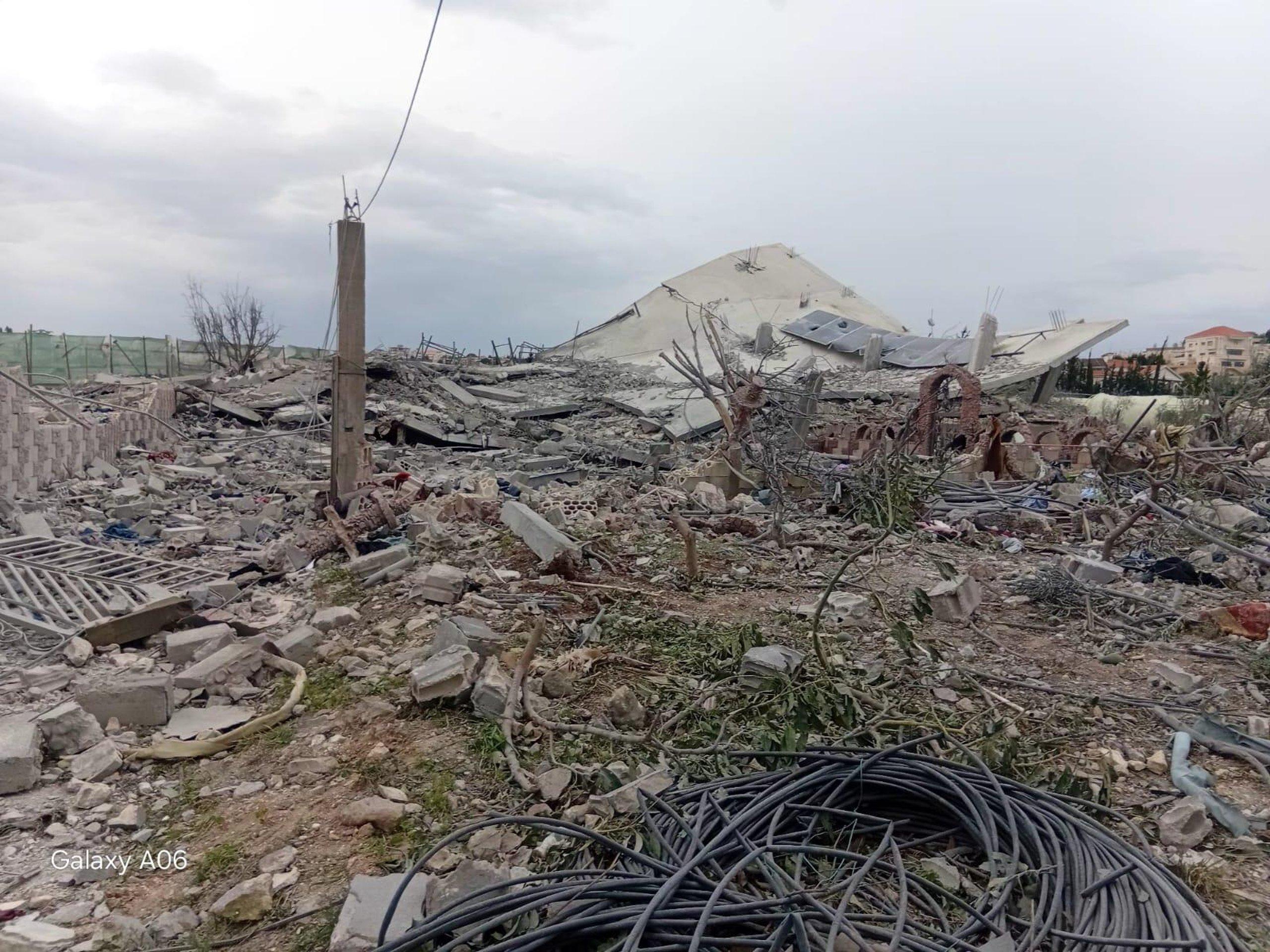
New Delhi, India, April 10, 2026 (Parliament Politics Magazine) Iran regional tensions impact the worsening humanitarian crisis in Lebanon, as India has raised serious concerns over what it describes as “large-scale” civilian casualties amid escalating violence tied to broader Middle East conflict dynamics. The statement reflects growing global alarm as the situation continues to deteriorate rapidly.
Escalation Linked to Broader Regional Conflict
A senior diplomatic source noted,
“This is no longer a localized conflict. The regional spillover is undeniable, and civilians are paying the highest price.”
India Voices Concern Over Civilian Casualties
India’s official response underscores the seriousness of the situation. The government has called for restraint and emphasized the urgent need to protect civilians caught in the crossfire.
The Ministry of External Affairs highlighted key concerns:
- Rising civilian death toll
- Destruction of infrastructure
- Displacement of large populations
- Risk of further escalation
India’s position reflects its broader diplomatic strategy of advocating peace while maintaining relationships across the Middle East.
Humanitarian Crisis Reaches Critical Levels
The humanitarian situation in Lebanon is rapidly approaching a breaking point. Hospitals are overwhelmed, essential supplies are dwindling, and millions are facing displacement.
The World Health Organization has warned that medical facilities could run out of critical supplies within days due to the surge in casualties.
Reports indicate:
- Over one million people displaced
- Hospitals operating beyond capacity
- Shortages of medicines and emergency supplies
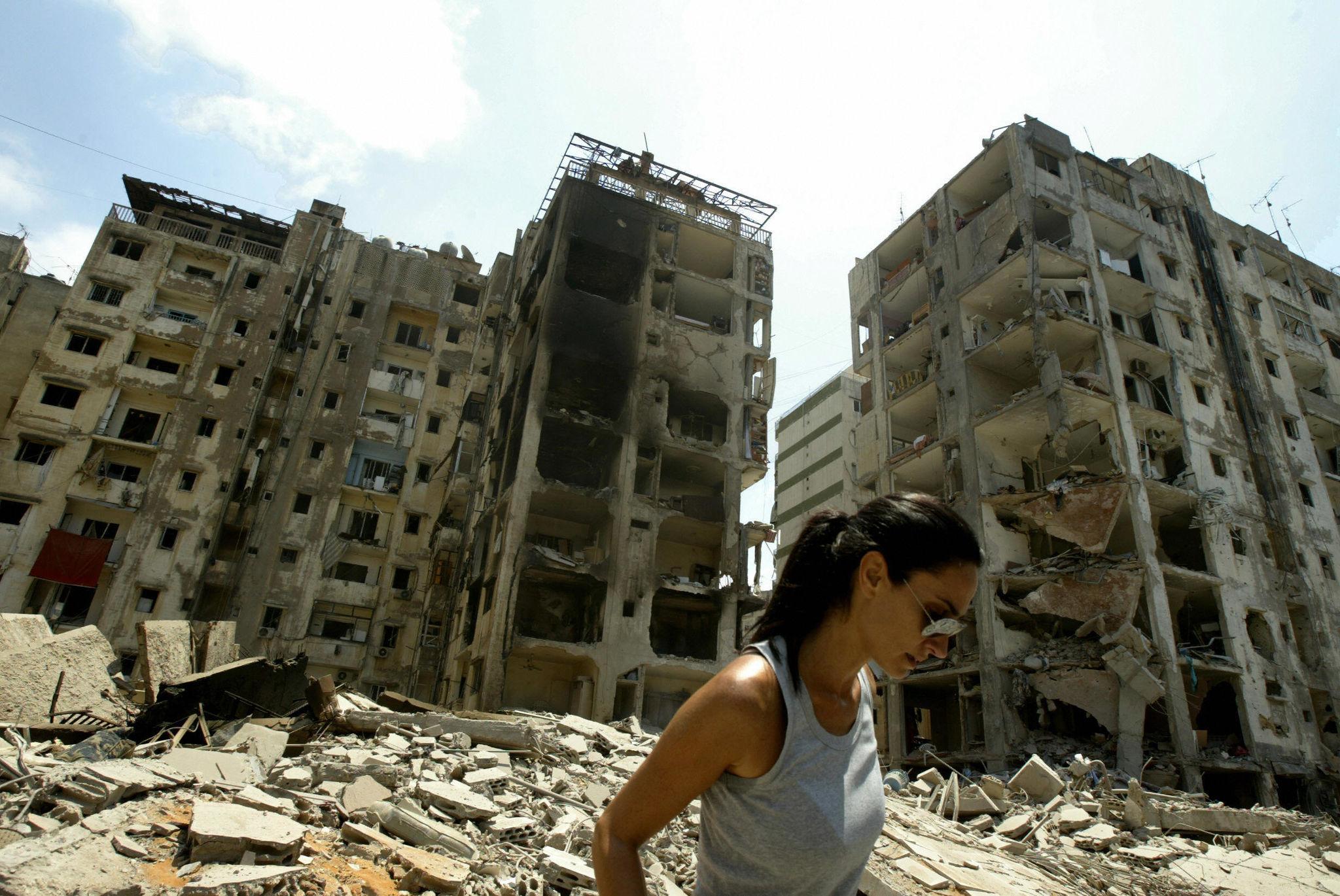
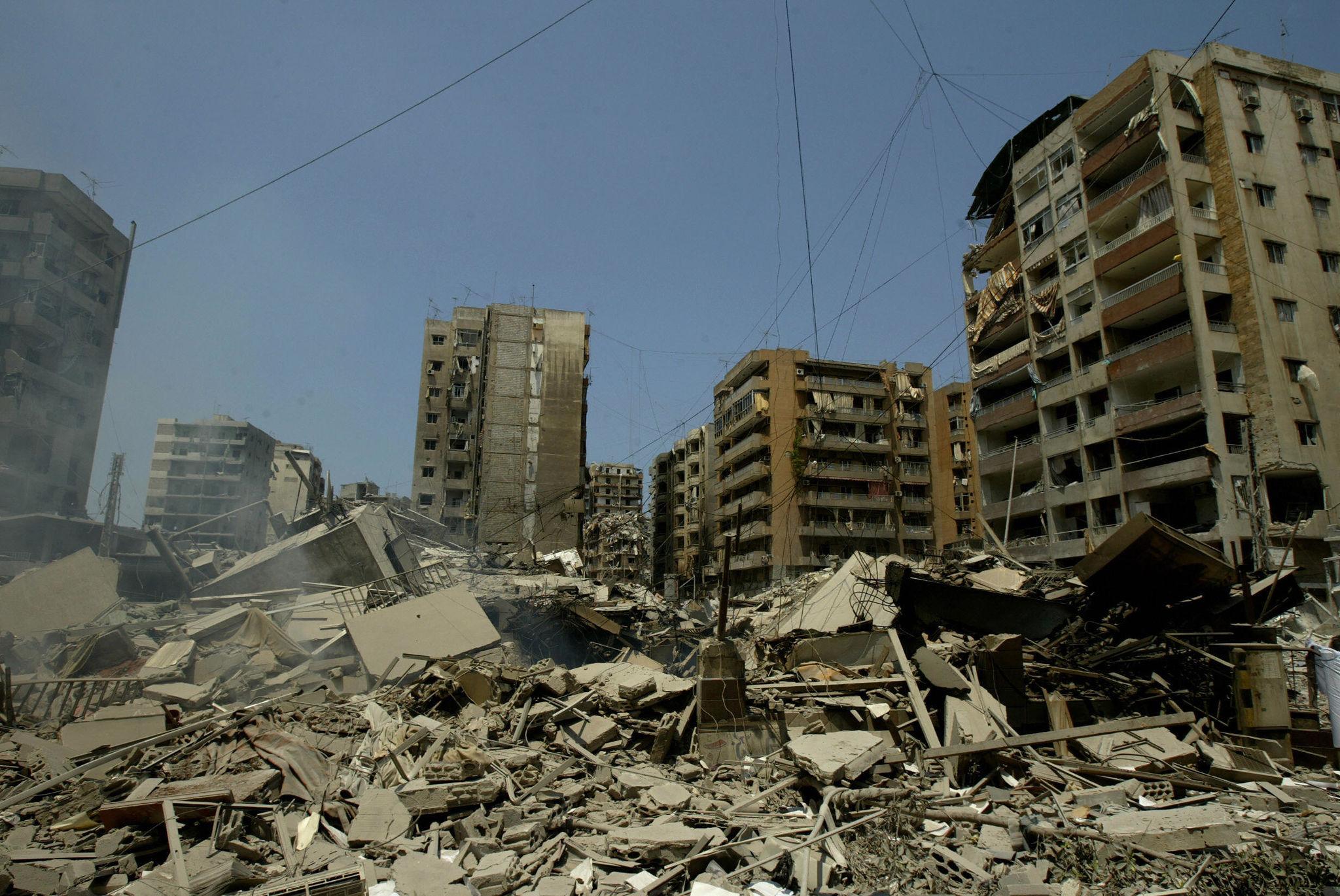
- Severe damage to civilian infrastructure
A humanitarian worker on the ground stated,
“We are witnessing a collapse of basic services. Civilians have nowhere safe to go.”
Global Reactions Intensify
India is part of a growing list of nations expressing concern over the escalating crisis. More than 60 countries have condemned the violence and called for accountability and restraint.
The United Nations has described the casualty figures as “appalling” and urged immediate de-escalation.
European and global leaders have also pushed for extending ceasefire agreements to include Lebanon, warning that failure to act could trigger wider instability across the Middle East.
Civilian Impact: Beyond the Numbers
Behind the statistics lies a growing human tragedy. Families are being displaced, communities destroyed, and children exposed to unimaginable violence.
Eyewitness accounts describe chaotic scenes of destruction, with entire neighborhoods reduced to rubble. Thousands of families are now living in temporary shelters, facing uncertainty and भय.
A Lebanese resident shared,
“We are trapped between forces we cannot control. Every day feels like survival.”
Iran Regional Tensions Impact Global Stability
The broader implications of Iran regional tensions impact extend far beyond Lebanon. The conflict is affecting global markets, energy supplies, and international diplomacy.
Key risks include:
- Disruption of oil supply routes
- Rising global energy prices
- Increased geopolitical instability
- Strained international relations
Analysts warn that if the situation continues to escalate, it could evolve into a wider regional war involving multiple countries.
Calls for Ceasefire and Diplomatic Resolution
India and other nations are urging all parties to return to diplomatic negotiations. The emphasis remains on:
- Immediate ceasefire
- Protection of civilians
- Humanitarian access
- Long-term political solutions
Despite these calls, progress toward de-escalation remains limited, with ongoing military actions threatening to derail fragile peace efforts.
India’s Potential Role in Relief Efforts
India has indicated readiness to contribute to humanitarian assistance if required. This may include:
- Medical aid and emergency supplies
- Support for displaced populations
- Coordination with international agencies
India’s involvement could play a critical role in alleviating some of the immediate suffering.
Future Outlook Remains Uncertain
The trajectory of the conflict remains unclear. While diplomatic efforts continue, the risk of further escalation is high.
The interconnected nature of the conflict means that developments in one area—particularly involving Iran—can quickly influence conditions in Lebanon and beyond.
A Defining Moment for Global Response
Iran regional tensions impact the growing humanitarian crisis in Lebanon, underscoring the urgent need for coordinated international action as violence continues to escalate. Iran regional tensions impact civilian populations most severely, with rising casualties and widespread destruction placing immense pressure on global leaders to respond decisively. As Iran regional tensions impact the broader Middle East, concerns are mounting that the situation could spiral beyond control if immediate steps are not taken.
Iran regional tensions impact humanitarian systems already stretched to the limit, with hospitals facing critical shortages and displacement numbers climbing rapidly. Iran regional tensions impact the region’s stability at a critical moment, and without swift intervention, the crisis risks evolving into a far more dangerous and prolonged conflict.
Key Takeaways: Iran Regional Tensions Impact Lebanon Crisis
Iran regional tensions are driving a surge in civilian casualties in Lebanon.
India and global leaders are calling for urgent ceasefire and humanitarian action.
The crisis is rapidly escalating with serious global consequences.
